
Northern Jordan Valley: Another Night of Terror in the Valley
Time and again, the hilltop youth manage to astonish with their cruelty, malice, and boundless crimes. About two weeks ago, in the dead of night, they raided the peaceful community in Humsa. Six families—around 40 people—found themselves under violent attack: the assailants tied everyone up, including the women; dragged two international activists by their hair; beat small children; and stabbed helpless people with knives.
During the raid, the entire community’s herd was stolen—350 sheep were loaded onto trucks and taken away. One of the men was stripped and sexually abused while bound and helpless. After the incident, all the men in the community required hospitalization due to their injuries.
In their frenzy, the violent rioters left nothing intact. They smashed all household items: washing machines, refrigerators, gas stoves, and solar panels.
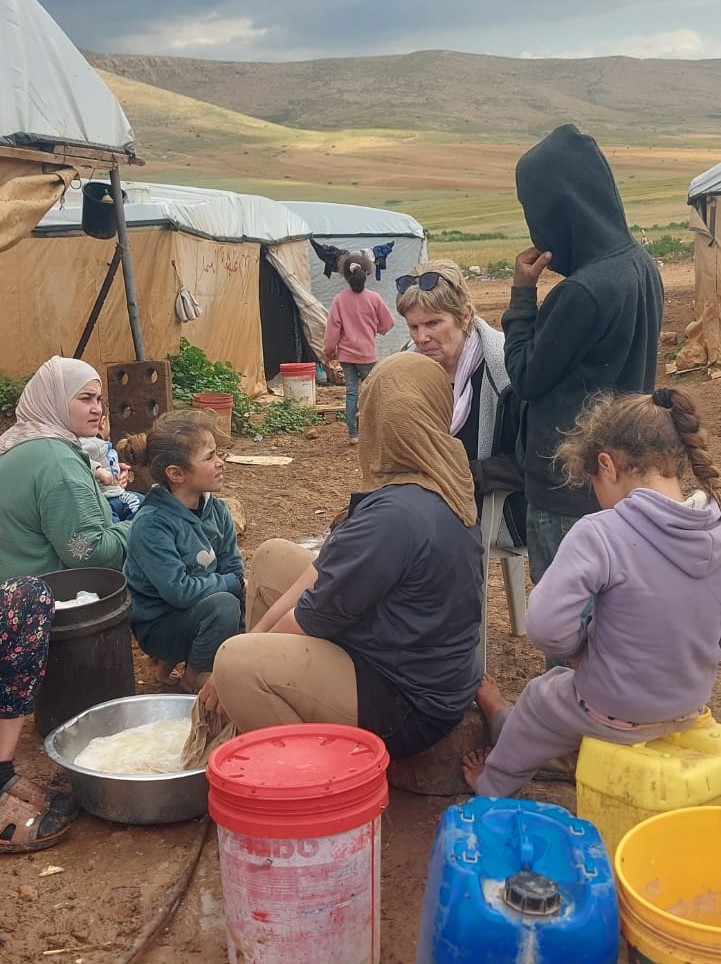
We found a traumatized community, left with nothing and unable to make a living. The people—warm and simple—told us quietly, almost in whispers, about the horrors of that night. They showed us the stab wounds, the bruises on the face of a six-year-old child, and the shattered remains of broken solar panels.
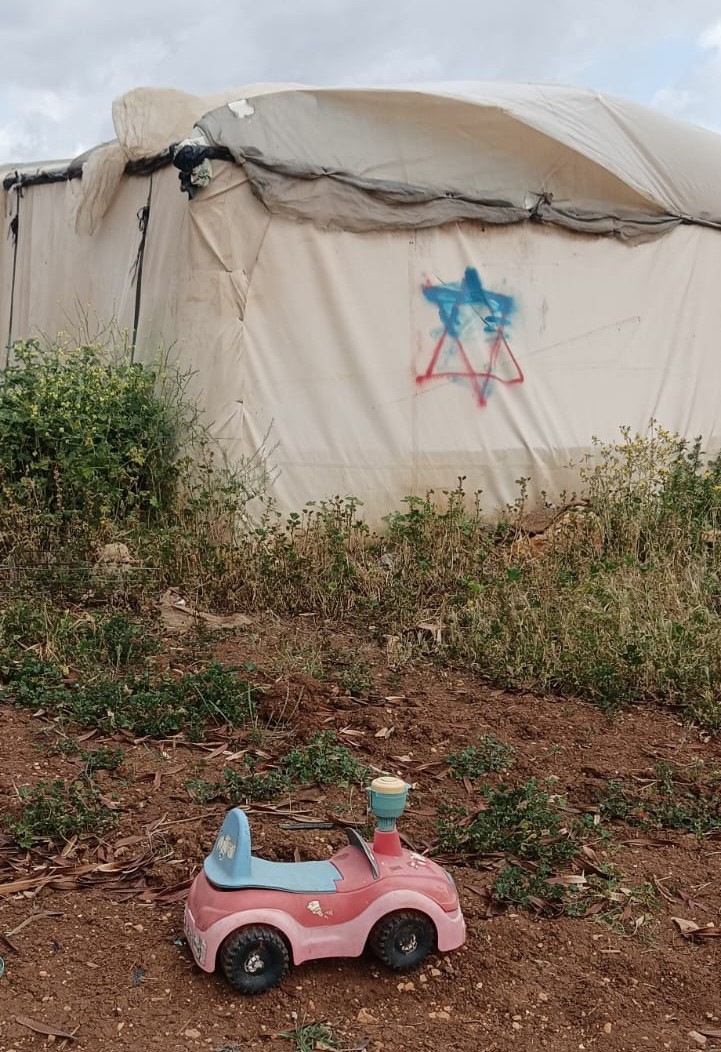
Later, we planned to visit two families from Humsa living near Beka’ot (the Awawda family). Among them was Tarek, a wonderful man we had especially bonded with, who learned Hebrew at An-Najah University so he could communicate with us. But when we arrived, we found only ruins and abandoned shacks. On the wall of one shack, a red Star of David was drawn—a symbol that told the entire story without words: a story of attack, nights of fear, and the difficult decision to leave ancestral land and move to Area A.
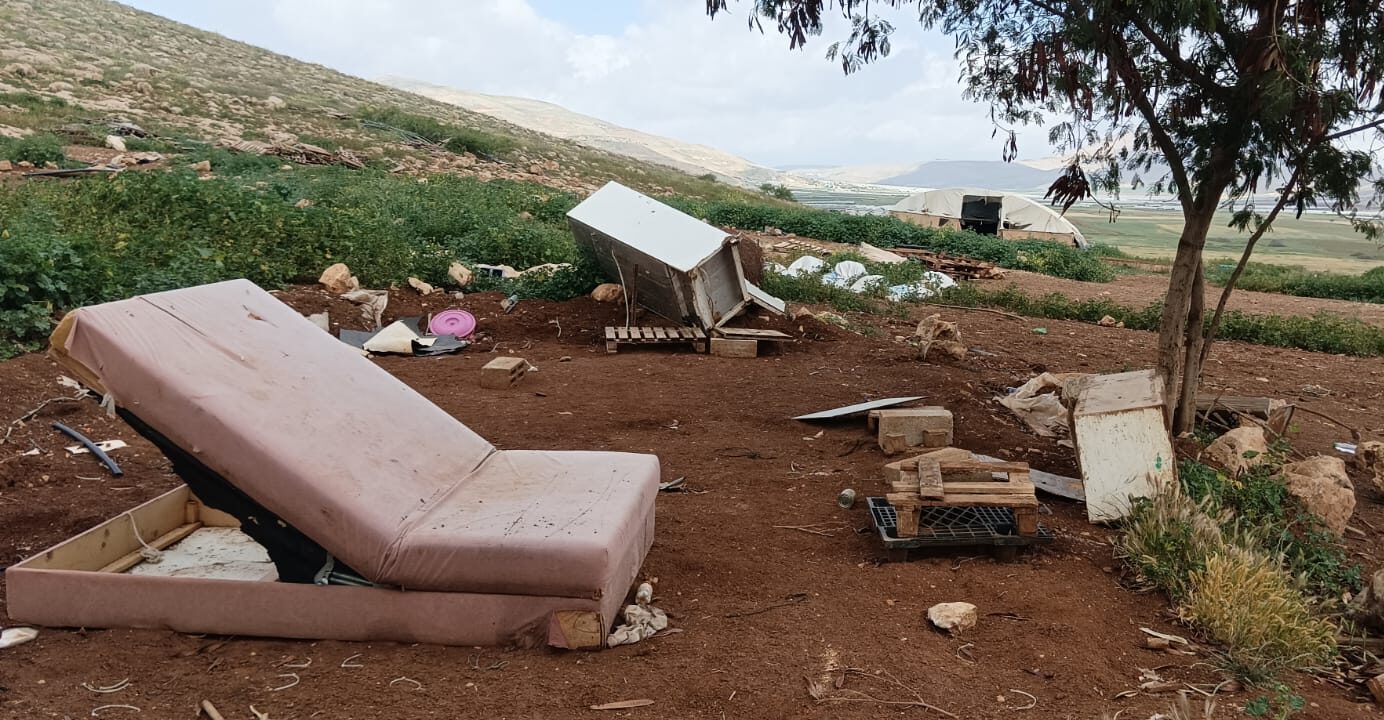
We continued driving along the road between Ein al-Hilweh and the Tayasir checkpoint. In the entire area, not a single Palestinian remained. The sight of the burned village of al-Burj is horrifying. Among the ruins, we came across a wall on which was written in marker, in handwriting: “With Allah’s help, we will return!
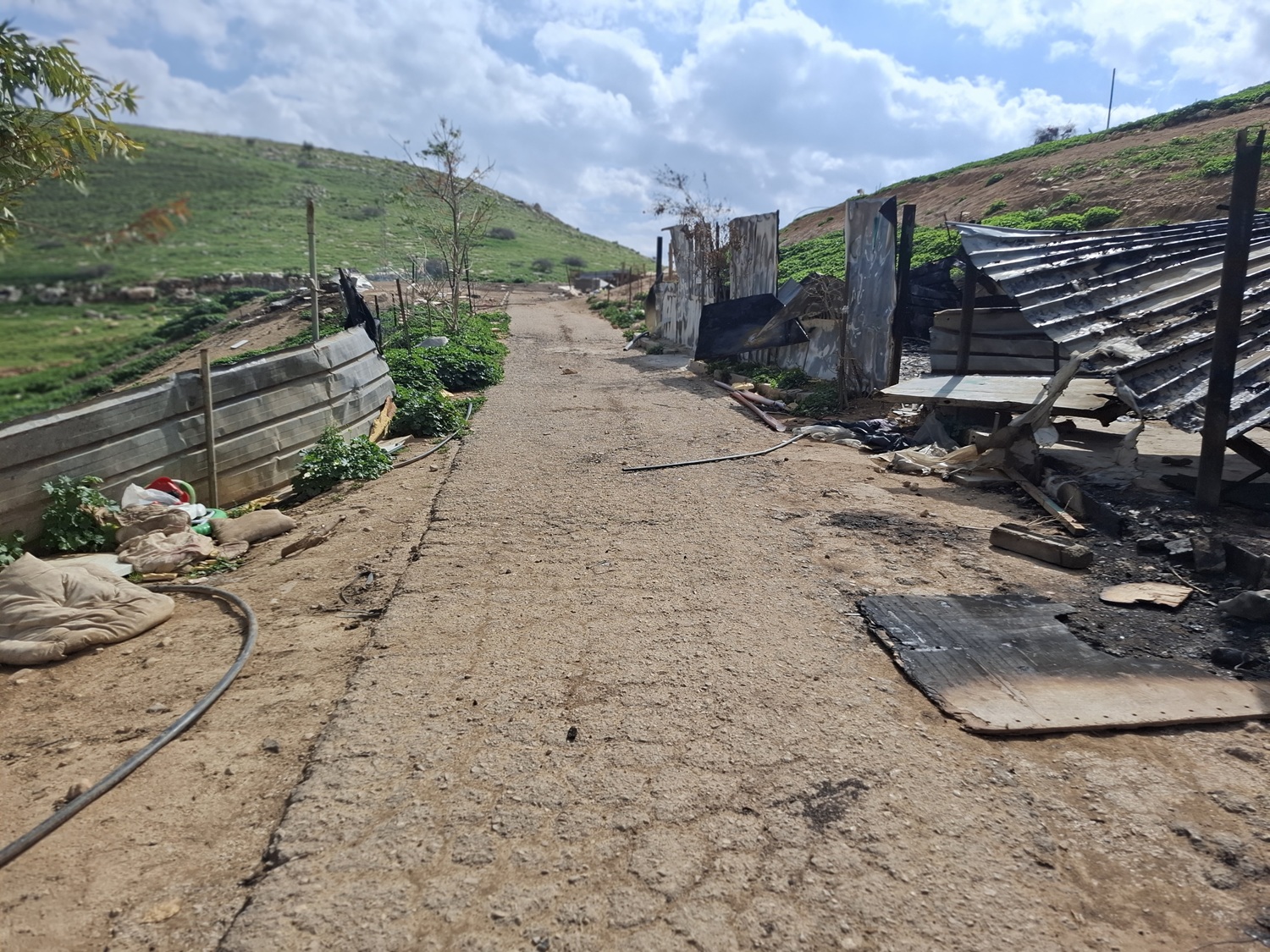
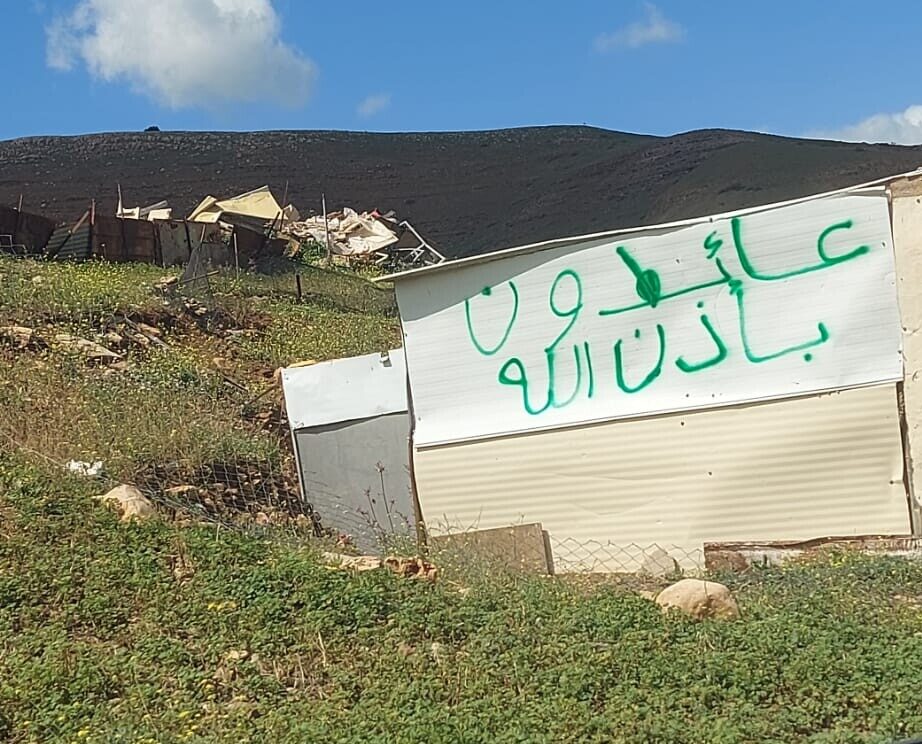
We arrived in Samra with the aim of protecting, through our presence, the two families remaining there (after two others had already left). Even before we got out of the car, we received a call from al-Hadidiya: shepherds in the area were being harassed by a settler riding an ATV. We rushed there along the rough roads, but by the time we arrived, the incident had already ended.
We met A. while he was herding in Humsa along with five flocks and their shepherds from al-Hadidiya. He told us that the settler threatened him and tried to drive him away, saying: “In two or three months, none of you will be here anyway!”
As I look at the empty and burned communities, I cannot help but appreciate the courage, determination, and deep faith of those who choose to stay. This is a bitter struggle against armed and well-funded forces of evil.
During the confrontation with the settler, a military pickup arrived. The soldiers demanded that the shepherds identify themselves and warned them not to cross to the other side of the wadi (something they had no intention of doing anyway). We stayed with the shepherds and accompanied them to the entrance of the village until 17:00, and only then did we head back home.
Location Description
Al-Hadidiyah
See all reports for this placeHumsah
See all reports for this place-
Humsah
A shepherd community in the Jordan Valley. It is located in a remote place in Area C. There are no convenient ways to reach it. Its inhabitants make a living from their flocks. Like other shepherd communities, they live without basic infrastructure. This shepherd community is exposed to settler harassment and demolition of property by the military through civil administration orders.
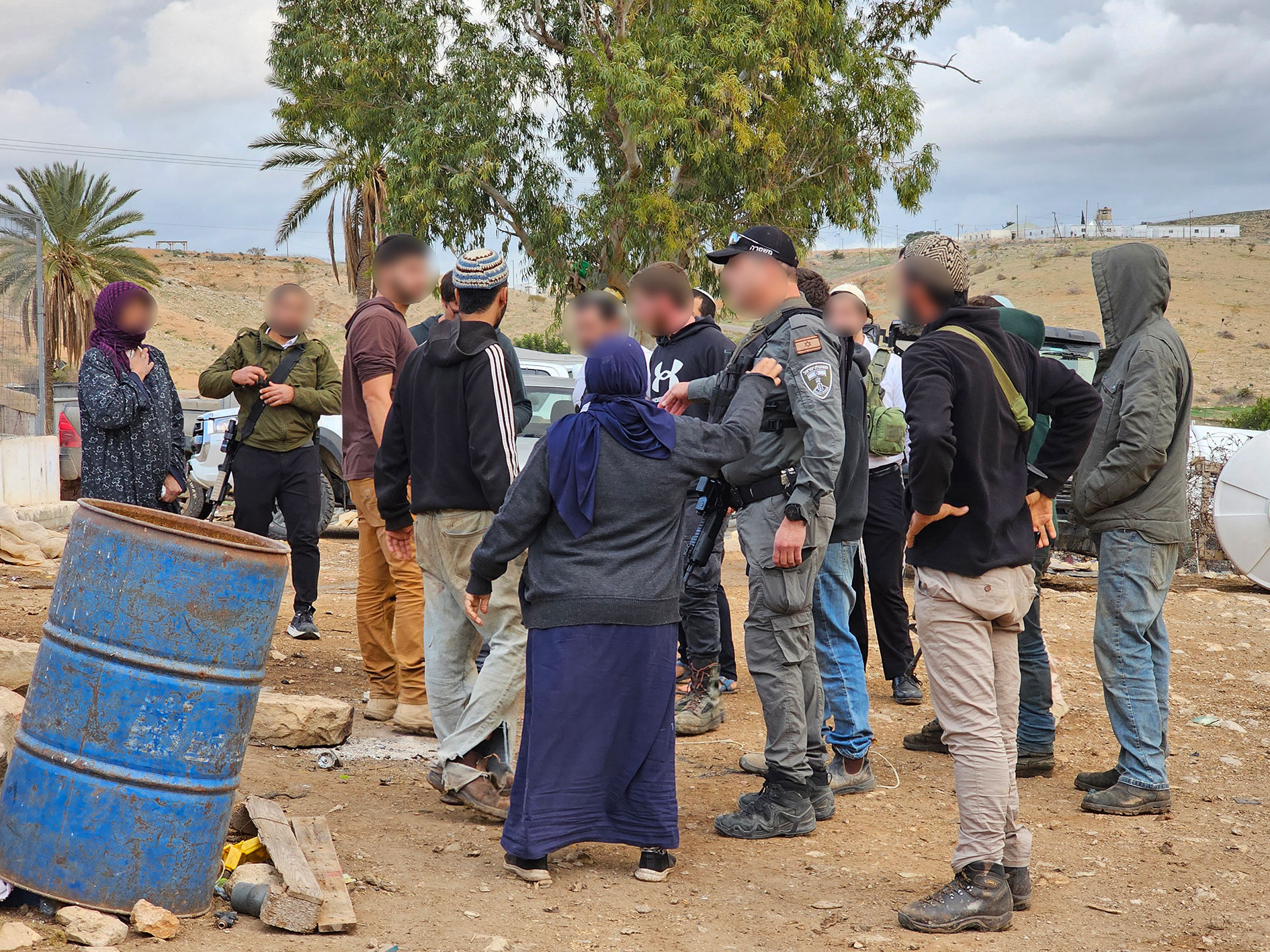 Sarah PostecDec-27-2026Hammam al-Malih: Border Guard and settlers in the compound
-
Jordan Valley
See all reports for this place-
Jordan Valley The Jordan Valley is the eastern strip of the West Bank. Its area consists of almost a third of the West Bank area. About 10,000 settlers live there, about 65,000 Palestinian residents in the villages and towns. In addition, about 15,000 are scattered in small shepherd communities. These communities are living in severe distress because of two types of harassment: the military declaring some of their living areas, as fire zones, evicting them for long hours from their residence to the scorching heat of the summer and the bitter cold of the winter. The other type is abuse by rioters who cling to the grazing areas of the shepherd communities, and the declared fire areas (without being deported). The many groundwaters in the Jordan Valley belong to Mekorot and are not available to Palestinians living in the Jordan Valley. The Palestinians bring water to their needs in high-cost followers.Sarah PostecDec-27-2026Hammam al-Malih: Border Guard and settlers in the compound
-