
Nabi Yaqin
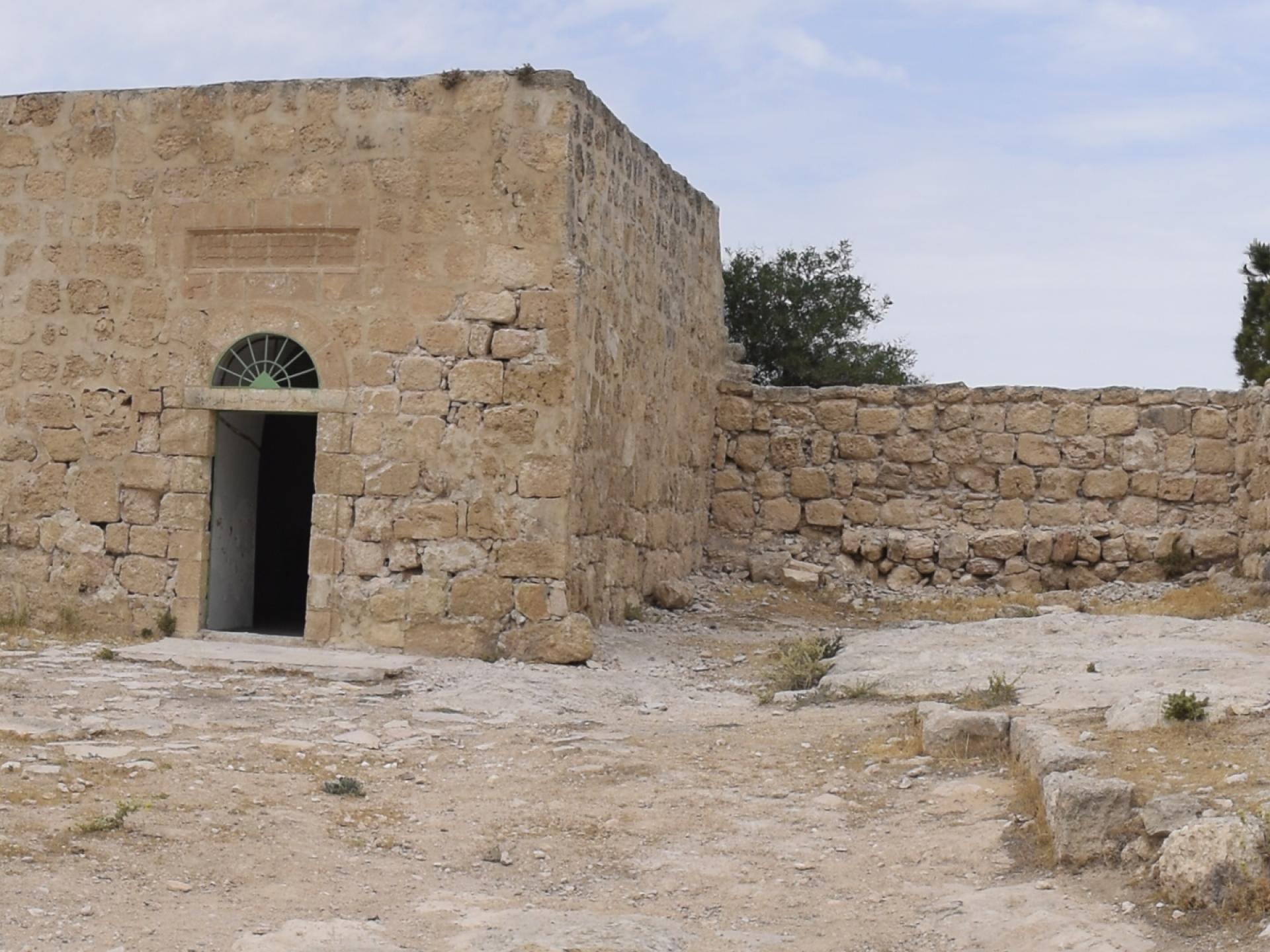
Will Nabi Yaqin – a site holy for Muslims – be converted and owned exclusively by the Jewish settlement of Pnei Hever?
Nabi Yaqin is located on the road between the descent to the settlement of Pnei Hever and the southern entrance to the Palestinian village of Bani Na’im. As we arrived at this impressive site, we saw parked cars and people milling about. We assumed they were settler-colonists. With them were also an American tourist, a man who appeared to be a security official working for the Israeli army, as well as a respectable looking man (perhaps rabbi?) and several younger men with skullcaps. The group looked at us with wonder while we were there. We admired the view, the air and the remains of the ancient mosque on the hilltop, at an altitude of about 900 meters above sea level, overlooking the Dead Sea. According to our driver Mohammad, at some point a car with Palestinian passengers arrived and turned away as soon as they saw the crowd.
The American (potential donor?) heard about the importance of the spot and about the idea of turning it into a tourist site that would attract visitors. The man who looked like a rabbi turned to us, introduced himself (resides in Pnei Hever) and asked if we needed help. I answered that we didn’t and wondered at the question, but I definitely wished to hear from him what this place actually is. He readily explained: this is the Three Angels observation point. Here Abraham met them and invited them into his tent, and here he heard their announcement that he was to expect a son, Isaac (Genesis 18). The rabbi excitedly added that according to Jewish belief, this is where the very first dawn prayer in the world was uttered, and for all these reasons this site is very important to Jews. He emphasized: “To all faiths. It is open to everyone.” I told him that Yaqin is one of the appellations of Abraham, and this is how is called by Muslims, who sanctify this site as well. The man agreed and even told us about Christian tourists who had been there and were very moved. My question why the place is not maintenance accordingly he answered – we are lazy, but now we’ll be doing something about it.
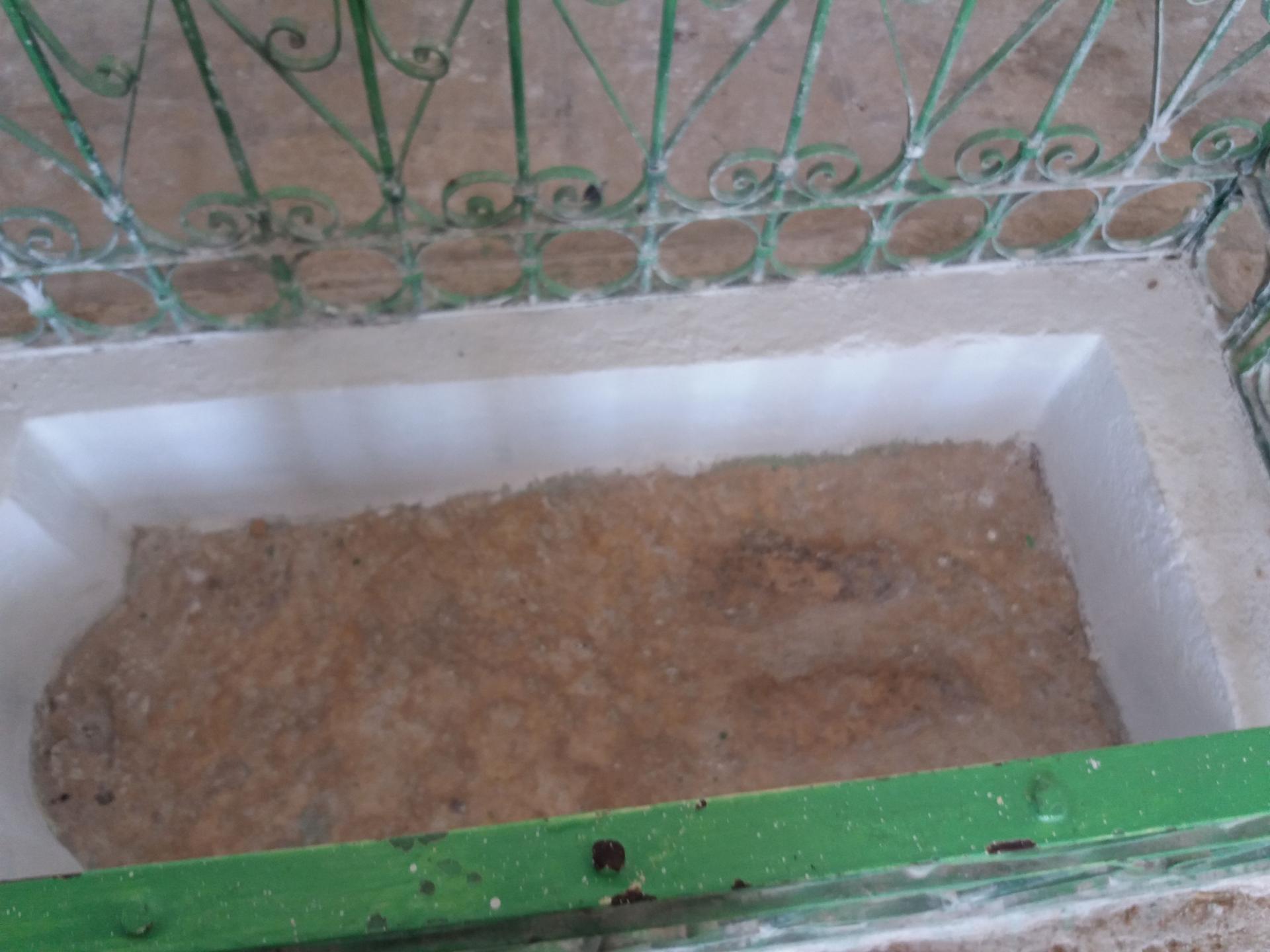
Inside the mosque footprints are seen on a rocky surface and Muslim tradition attributes them to Abraham who stood here and looked at the upheaval of Sodom and Gomorrah. Outside the structure another sandal-print is seen on a rocky surface, attributed to Lot by local tradition. Apparently the site will be turned into an archeological one and developments should be followed, for this is precisely the way Israeli authorities take over areas in order to prevent Palestinian access.
Hebron
Still sleepy at the end of Eid Al Fitr holiday that concludes the Ramadan month of fasting. Israeli army vehicles, watchtowers and soldiers are seen everywhere. And Israeli flags of course.