
Gochya, Hamra (Beqaot), Jordan Valley
We passed by on the Allon Road at 13:00, and saw a rather rickety truck parked to the west of Gokhia Gate, locked for the past two years. Facing the truck, on the east side of the locked gate, was an army jeep with two women- and two men-soldiers. The two women soldiers approached us. The commander, a sergeant, said they passed by on the road and saw the truck, and immediately noticed that the driver was suspect.
Why suspect? First of all, “they” know that the gate is locked, so why go there? Second, a while ago, “they” sawed off the iron bar blocking the track and stole it. The soldiers ordered the driver outside and he sat on the ground near his vehicle, “in the shade”. In the cabin were a woman and a child, who kept peeking impatiently out the window, perhaps saying something to his dad. The sergeant spoke with her superior on the phone. We realized the incident had begun two hours earlier. She asked her superior whether we were allowed to speak with the Palestinian driver. We heard the answer: “Get rid of them.” She never heard of MachsomWatch, but he must have.
We were not interested in a confrontation, which would only have made matters worse for the driver. We got into our car and called the DCO operations center. We were told there that the initiative for the detention had been of the team on site, namely the woman sergeant, fearing the driver would constitute a security risk. The operations center was checking whether he had any police or Shabak record, and if he hadn’t, they would release him.
He was released after 25 minutes.
I thought about that sergeant who seemed as young as my grandchildren, and the second woman soldier, who was even a bit more humane (she mentioned the shade and the driver was given water, and the sergeant silenced her) – two normative young women, who are capable of suspecting a man who arrives at a locked gate with his wife and young son, that he intends to do something dangerous? In the middle of the day? Makes absolutely no sense. Why, because he’s an Arab? And an Arab can’t just be a person, but must immediately be identified as a terrorist. Is this the kind of education the soldiers are getting in the Israeli army?
Hamra checkpoint at 10:30 a.m.
Soldiers inspecting vehicles in both directions. On our way back at around 13:30, crossing was open.
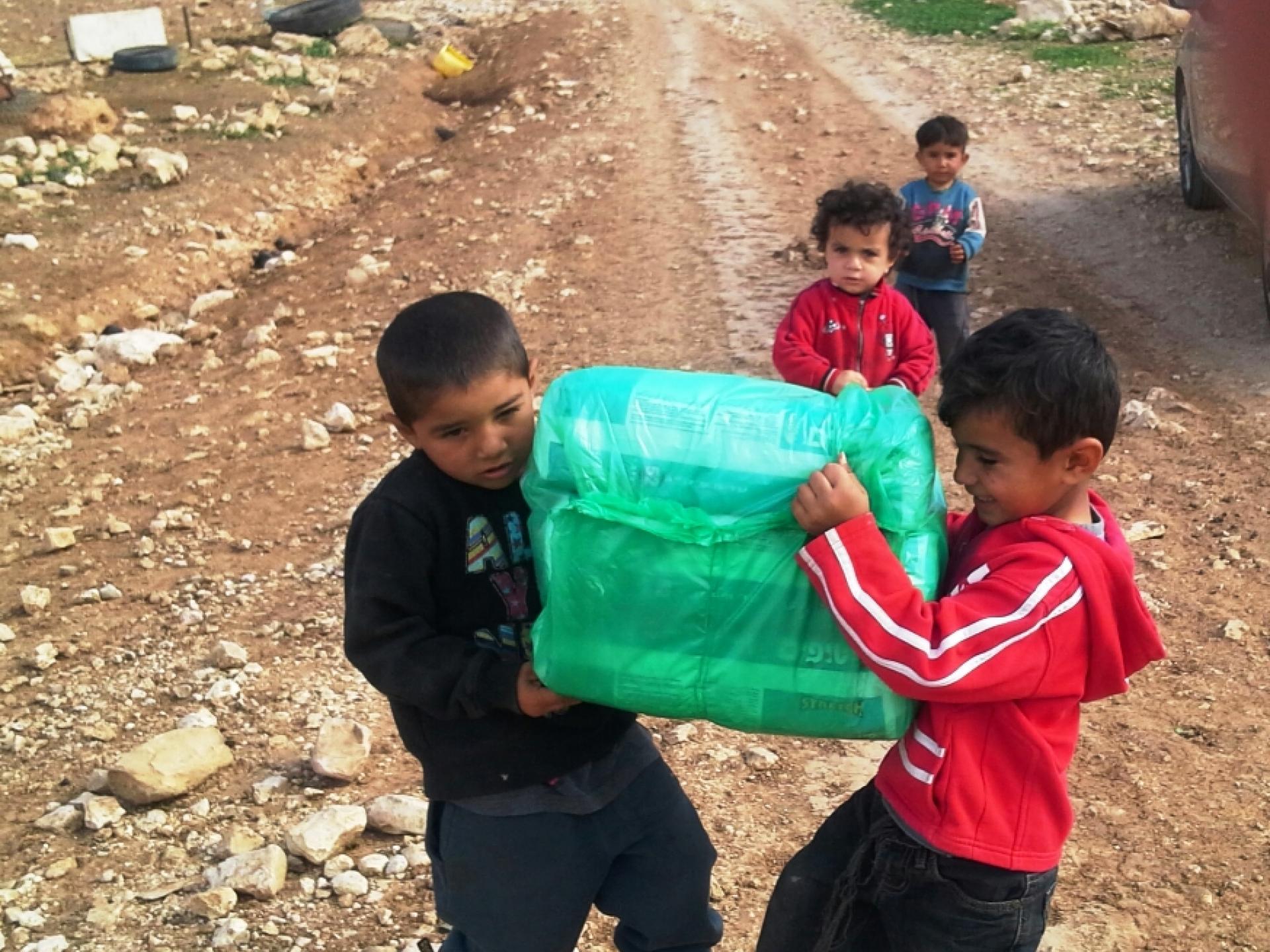
We visited families at Samra, Khalat Makhoul and En Al Hilwa. We brought with us a baby crib, sent by Rachel Afek to Rima at Khalat Makhoul, who’s about to give birth any day now.
Gochya
See all reports for this place-
Gochya checkpoint, which is opposite Beqaot settlement, is a metal bar blocking a dirt road in the Jordan Valley that prevents residents living in the eastern Jordan Valley from travelling freely to the western Jordan Valley and back again. This checkpoint, which is supposed to open only three times a week for half an hour (and usually doesn’t open at all), prevents residents living in the eastern Jordan Valley from accessing the town of Tamun, for example, which serves as a regional urban center. They’re prevented from maintaining contact with family members, obtaining medical treatment, getting to school and shopping, etc. Children from the eastern Jordan Valley are compelled to live during the week with families in Tamun to insure they are able to attend school regularly. The locals must make long detours, and risk severe punishment if they’re caught. In order to prevent them from bypassing the checkpoint, the IDF dug a series of long, deep ditches around the checkpoint and created very high earthen berms.
-
Hamra (Beqaot)
See all reports for this place-
One of the Jordan Rift Valley checkpoints that prevent direct transit between the West Bank and the Jordan Valley, in addition to Tayasir Checkpoint. Located next to Hamra settlement, on Route 57 and the Allon Road.
Read about the peple of the Jordan Valley and the quiet transfer happening there.
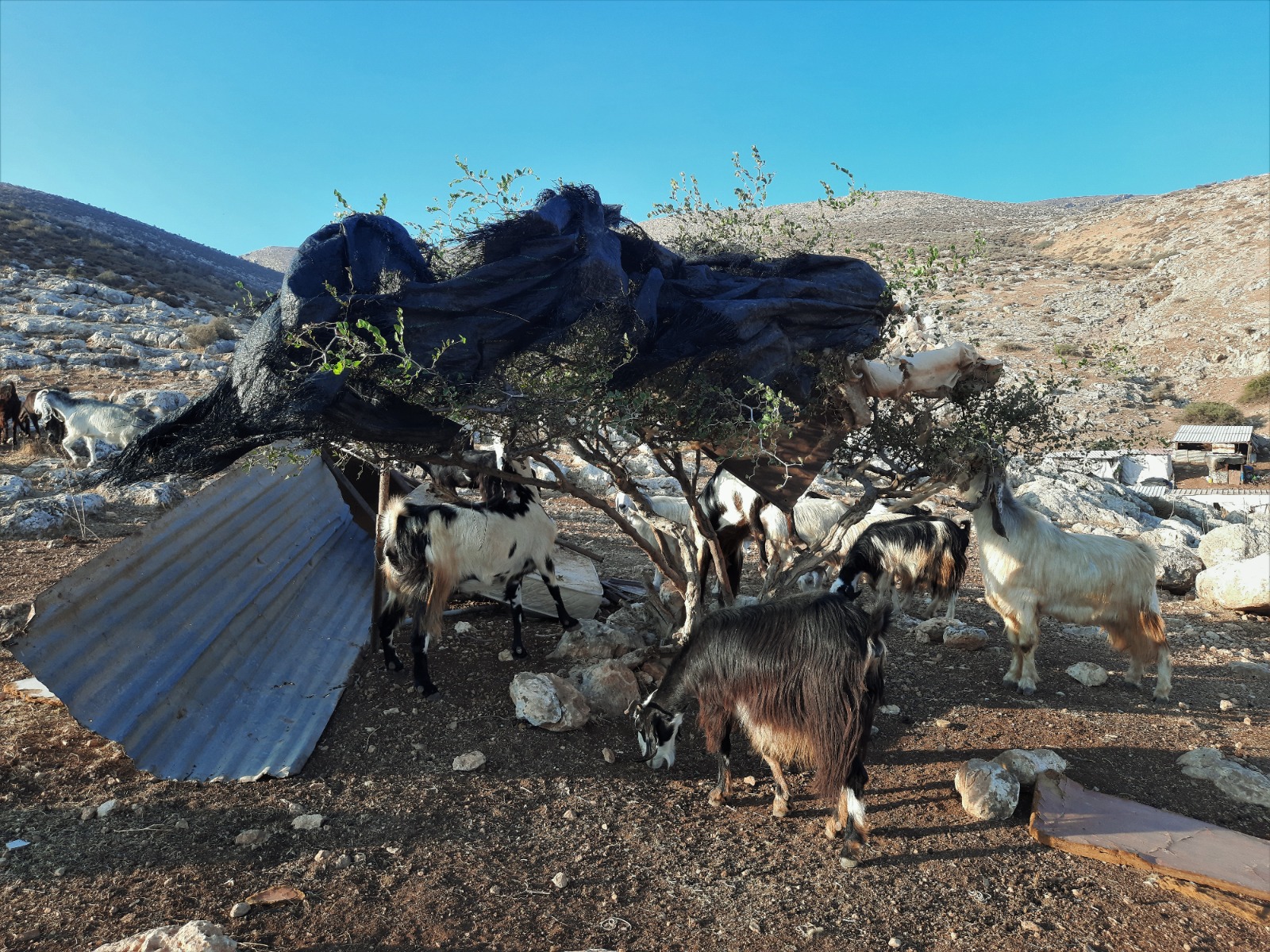 Shahar ShilohNov-3-2021Ein Shibli: grazing begins close to home
-
Jordan Valley
See all reports for this place-
Jordan Valley The Jordan Valley is the eastern strip of the West Bank. Its area consists of almost a third of the West Bank area. About 10,000 settlers live there, about 65,000 Palestinian residents in the villages and towns. In addition, about 15,000 are scattered in small shepherd communities. These communities are living in severe distress because of two types of harassment: the military declaring some of their living areas, as fire zones, evicting them for long hours from their residence to the scorching heat of the summer and the bitter cold of the winter. The other type is abuse by rioters who cling to the grazing areas of the shepherd communities, and the declared fire areas (without being deported). The many groundwaters in the Jordan Valley belong to Mekorot and are not available to Palestinians living in the Jordan Valley. The Palestinians bring water to their needs in high-cost followers.
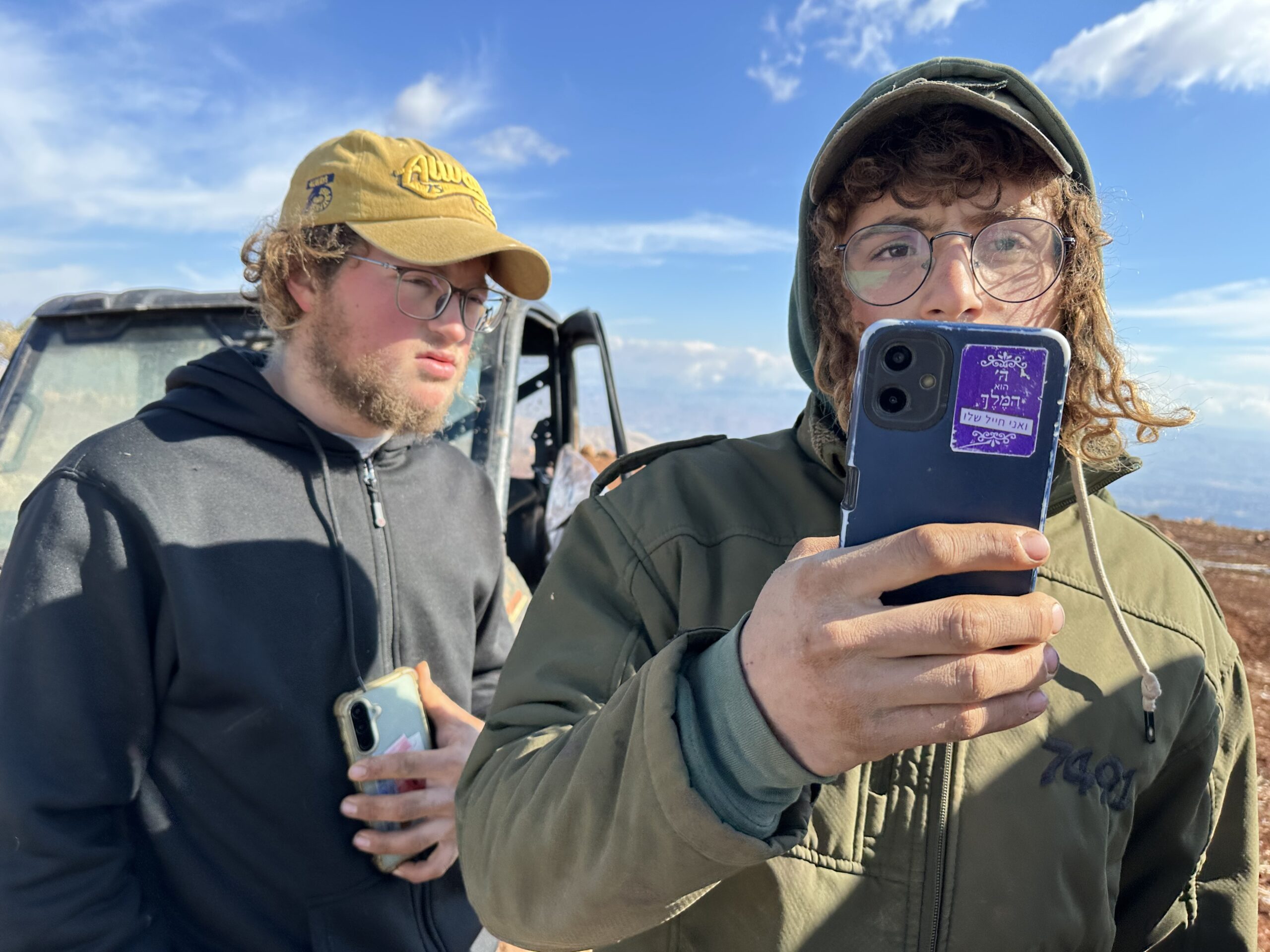 Nurit PopperDec-16-2027Nurit is threatened by settlers from close range.
-