
Farsiya, Jordan Valley – Home Guarding
We were home guarding in Farsiya on a day that began with rain in the western part of the West Bank. The weather improved as we descended. It was a pleasant and incredibly beautiful day. The fields were covered in white, yellow and green flowers with red anemones, the color of the handmaidens in the demonstrations against the legal reform.

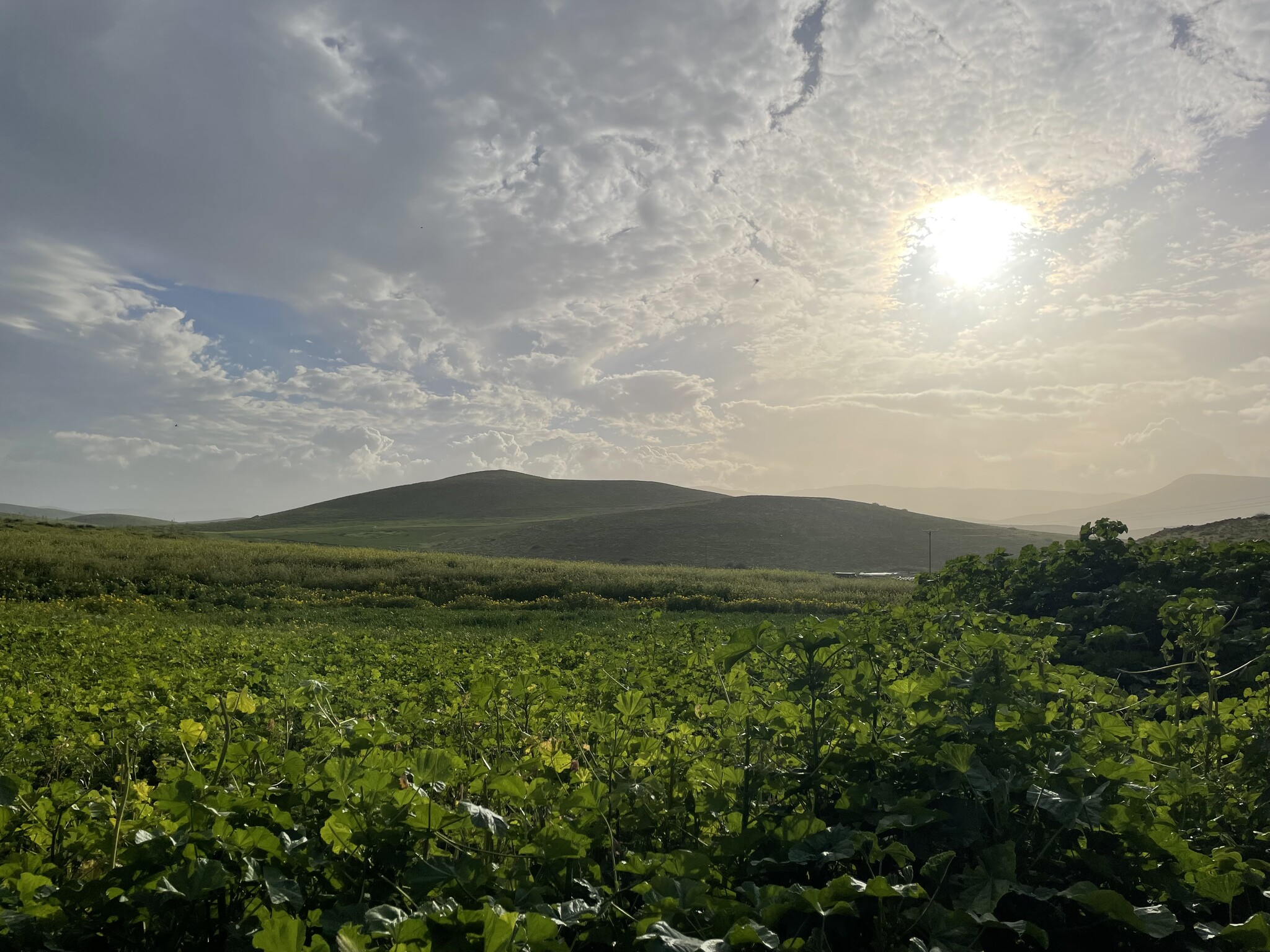
Cows and sheep do not eat mallow, and it is now as tall as a person. Green and pretty
The entire family was at home. The schools are currently open two days a week in the entire West Bank The teachers are currently on strike because the Palestinian Authority has not paid their salaries. The children were running back and forth. I decided to conduct a cleanup of the entire living area. With me were Talah, 15, Hussein who is 6-7 years old, and Samer, 3. The younger you are the more you identify with the work and see it as play rather than work. Samer helped me pick up all the paper, pieces of plastic and litter in a large bag. Then we arranged tree stumps along the wall in the tent where the stove was. Each of the stumps was very heavy. When we were finished the entire area was cleaned up and even the elderly hadji who was usually busy all day, picked up the small broom and cleaned the outside as if it were the inside and was satisfied with her clean room. There were no settlers today and only a lone drone was flying above us and taking photographs. The sheep were grazing some distance away. We learned that conflicts have arisen in the village because the grazing areas have been decreased and everyone is eager to use pastures that are close to home. It is a serious problem.

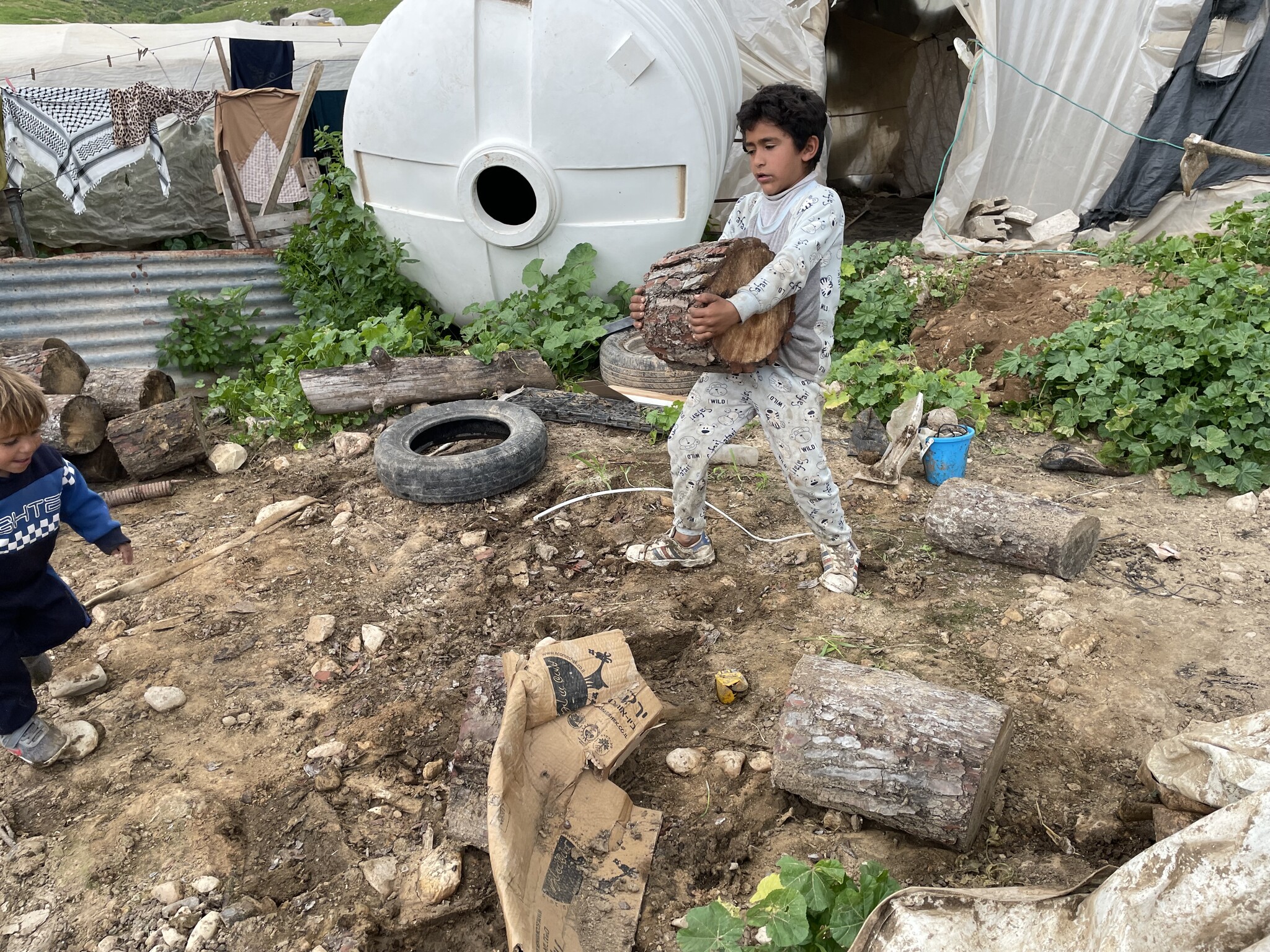
Later we played with the children, stood on our heads, made wheelbarrows and airplanes, and the children were pleased. Mira taught the mother, the queen of the house, Hebrew.
At noon we went to visit families in Samara and Makhul. I gave them what they needed to complete their students tuition from money we had collected.
In the end we returned home
Al-Farisiya / 'Ein a-sakut
See all reports for this place-
Al-Farisiya / 'Ein a-sakutA community of shepherds in the Jordan Valley opposite the settlement of "Rotem". Making a living from grazing sheep, the residents are exposed to harassment, abuse and theft from settlers who come to them from outposts and settlements in the area, and their grazing area is shrinking due to settler takeovers, fire zones and declared nature reserves.Machsom Watch companies participate in shepherd escort activities and provide a 24/7 protective presence, and there is continuous and warm contact with the community.
-
Jordan Valley
See all reports for this place-
Jordan Valley The Jordan Valley is the eastern strip of the West Bank. Its area consists of almost a third of the West Bank area. About 10,000 settlers live there, about 65,000 Palestinian residents in the villages and towns. In addition, about 15,000 are scattered in small shepherd communities. These communities are living in severe distress because of two types of harassment: the military declaring some of their living areas, as fire zones, evicting them for long hours from their residence to the scorching heat of the summer and the bitter cold of the winter. The other type is abuse by rioters who cling to the grazing areas of the shepherd communities, and the declared fire areas (without being deported). The many groundwaters in the Jordan Valley belong to Mekorot and are not available to Palestinians living in the Jordan Valley. The Palestinians bring water to their needs in high-cost followers.
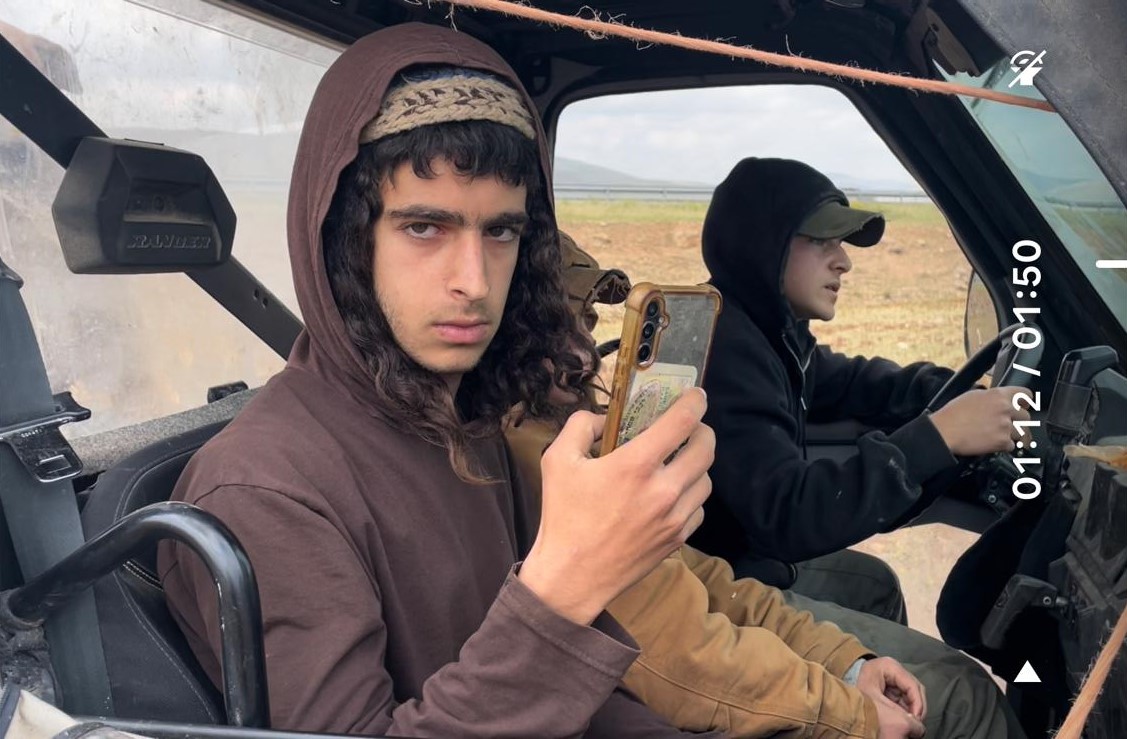 Rachel AfekApr-9-2026Samra. The Hill Boys in Action
-