
Northern Valley: Even on the first day of the war in Iran (28.02.2026), settlers rioted in the shepherd communities
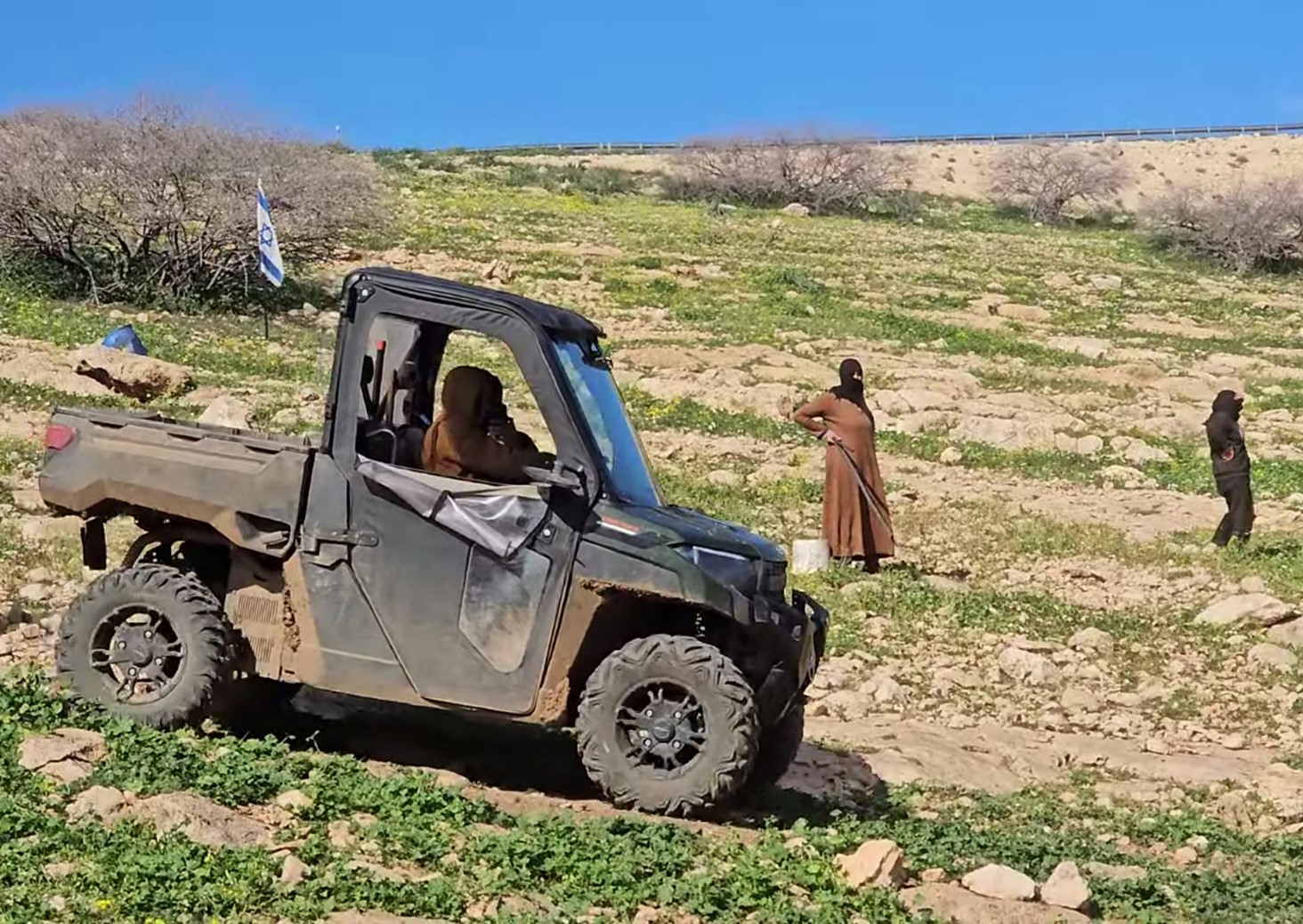
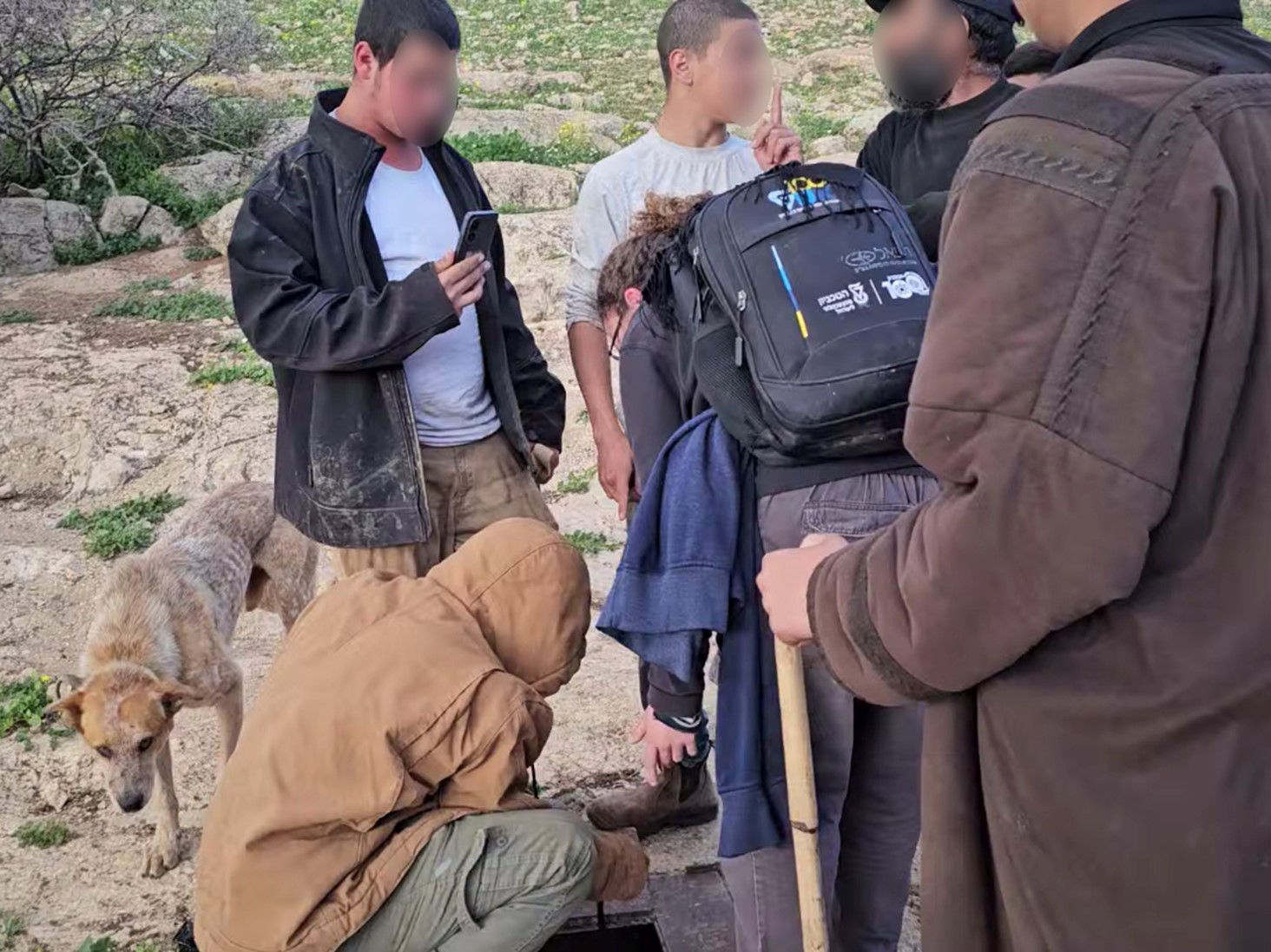
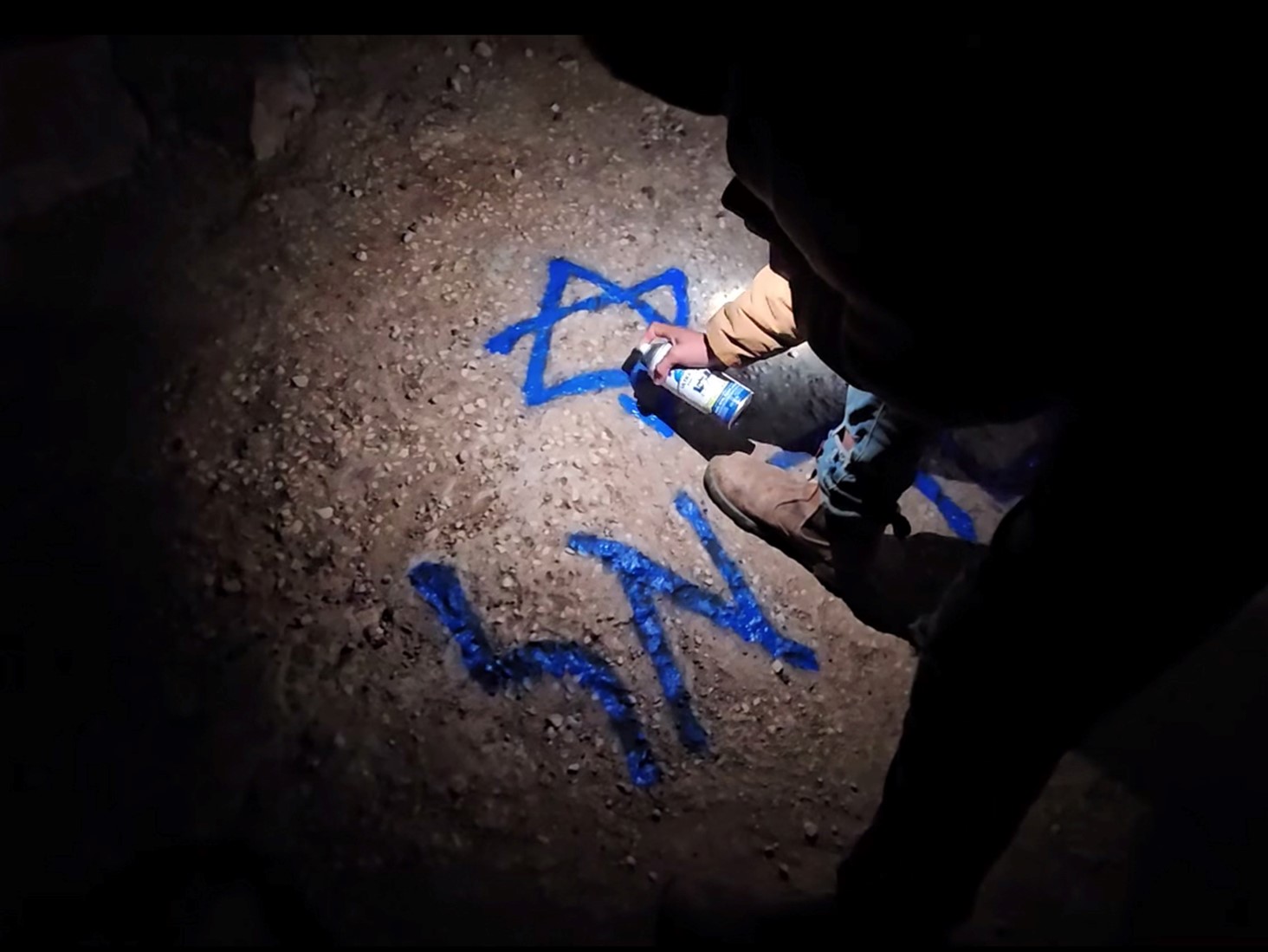
Early in the morning, on our way, opposite Beqa’ot colony, we saw a large group of soldiers, two buggers, a D9 bulldozer, and more vehicles and people near the closed gate (closed since the terrorist attack several years ago). We noted that something was going to take place and continued on our way.
At mid-day we had already reached Samra and took one of the residents to Ein al Beda to buy things for the Ramadan. On our way back, the entrance road was blocked by a large truck. Soldiers stopped us and said the road was closed for at least an hour because a checkpoint was built at the entrance to the village. There were other cars beside ours. One of the drivers told us to follow it. We found an alternative road to exit the village and later in the day we found out that rapid building was begun today of the road that would forever separate the Palestinian Jordan Valley from the West Bank.
On the map here, the red line is the new road, cutting the Valley from Shibli in the south to Tyassir in the north.
Whoever lives east of it is destined to be expelled to the west. Ethnically cleansing the Palestinian Jordan Valley of its Arab residents. Then the Valley would be annexed to Israel. The outposts erected lately do not appear on this map. Near Hadidiya, Tyassir, and above Samra – and not all the yellow spots were expelled.
Shaul Arielli’s post on Facebook.
In short, the Palestinians in the Jordan Valley are living in hell. As Oded told me today, the evil ones always win out. Here, the evil soldiers like this jeep’s force, who dragged the Fawzi family’s solar panels denying them electricity – left smiling.
Pictures arrived of building checkpoints at the entrance to Bardala and Kardala, two localities in the northern Palestinian Jordan Valley. Now there are gates all over. The entire West Bank has become a closed military zone. All the villages are closed. The pictures say it all. Nothing left to say.
The rest is not that important. We had a heart warming Iftar (festive meal breaking the fast) with a family at Samra. Faith makes one strong, the family makes us stronger, we try to strengthen as much as we can, and how important this is at this time… Allah hu akbar.
At night one sees the stars, the Minor and Major Ursa, the North Star. Where is it and where is North?…
Location Description
'Ein al-Hilwe
See all reports for this place-
Ein al-Hilwe is a natural spring and a Palestinian grazing area in the Jordan Valley that was used by the Palestinian shepherd communities for watering their flocks and for daily use. As of 2021, settlers from the Maskyot settlement took control of the spring: they fenced it off, built a wading pool and a mikveh, and installed flags and recreational facilities.
Palestinians are effectively denied access to the spring, and are forced to make do with running water in a remote wadi or, when the road is blocked, buy water from vendors at high prices.
The spring is located in the heart of an area where illegal outposts are being established, as part of a broader trend of pushing Palestinian communities away by denying them access to essential resources. Neighboring communities such as Umm Jamal and Khirbet Samra have already left due to the pressure.
Over the years, MachsomWatch members have reported arrests on false claims by settlers, harassment and violence, including damage to herds, intrusion into homes, and the intimidation of children. MachsomWatch volunteers participate in a protective presence in areas around the spring to prevent harassment of shepherds due to the presence of settlers.
-
Al-Farisiya / 'Ein a-sakut
See all reports for this place-
Al-Farisiya / 'Ein a-sakutA community of shepherds in the Jordan Valley opposite the settlement of "Rotem". Making a living from grazing sheep, the residents are exposed to harassment, abuse and theft from settlers who come to them from outposts and settlements in the area, and their grazing area is shrinking due to settler takeovers, fire zones and declared nature reserves.Machsom Watch companies participate in shepherd escort activities and provide a 24/7 protective presence, and there is continuous and warm contact with the community.
-
Al-Hadidiyah
See all reports for this placeJordan Valley
See all reports for this place-
Jordan Valley The Jordan Valley is the eastern strip of the West Bank. Its area consists of almost a third of the West Bank area. About 10,000 settlers live there, about 65,000 Palestinian residents in the villages and towns. In addition, about 15,000 are scattered in small shepherd communities. These communities are living in severe distress because of two types of harassment: the military declaring some of their living areas, as fire zones, evicting them for long hours from their residence to the scorching heat of the summer and the bitter cold of the winter. The other type is abuse by rioters who cling to the grazing areas of the shepherd communities, and the declared fire areas (without being deported). The many groundwaters in the Jordan Valley belong to Mekorot and are not available to Palestinians living in the Jordan Valley. The Palestinians bring water to their needs in high-cost followers.
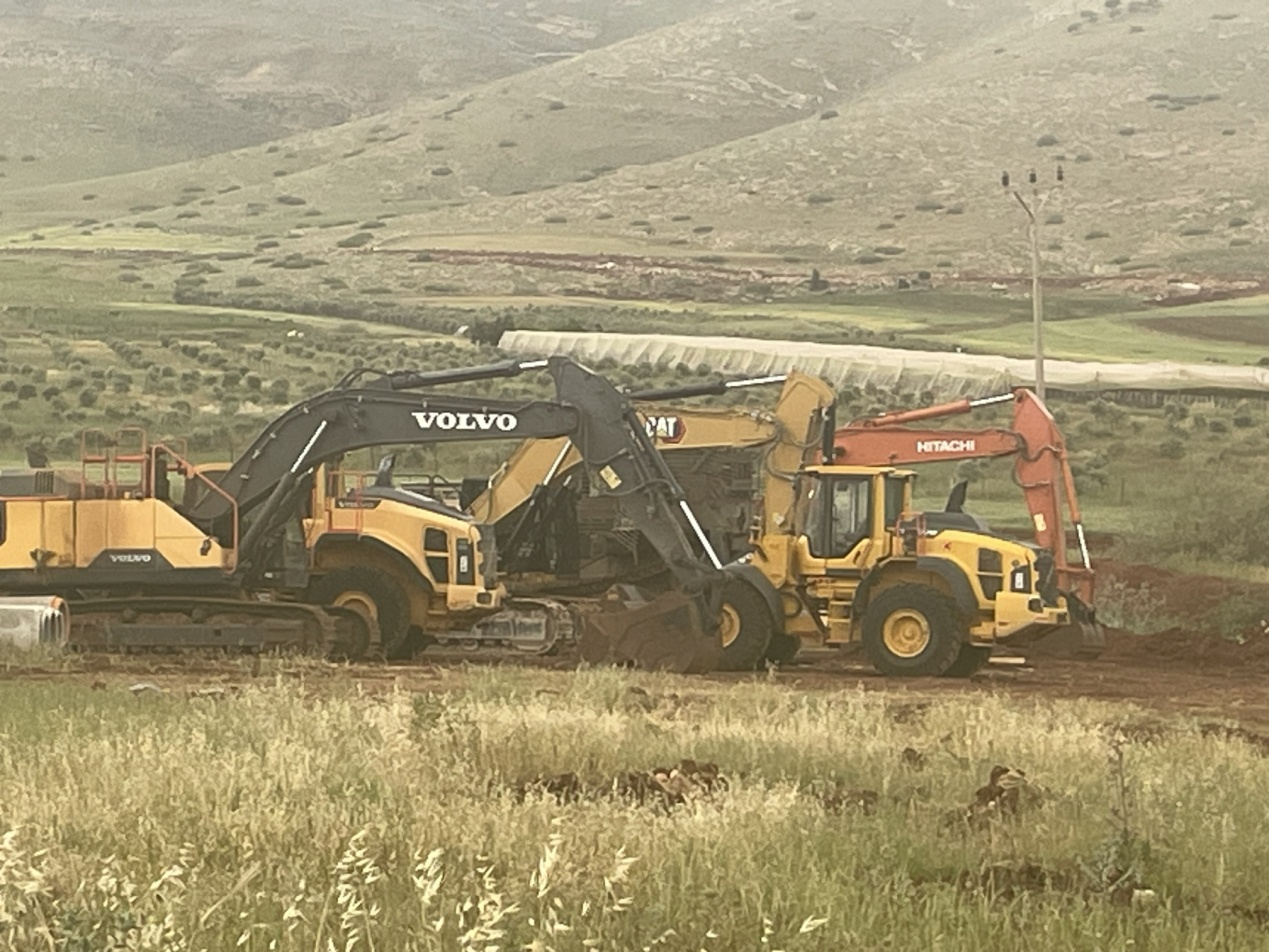 Rachel AfekApr-2-2026Jordan Valley. Heavy machinery is shut down for Passover
-