
Visiting Huda's Kindergarden in Khashem al-Daraj
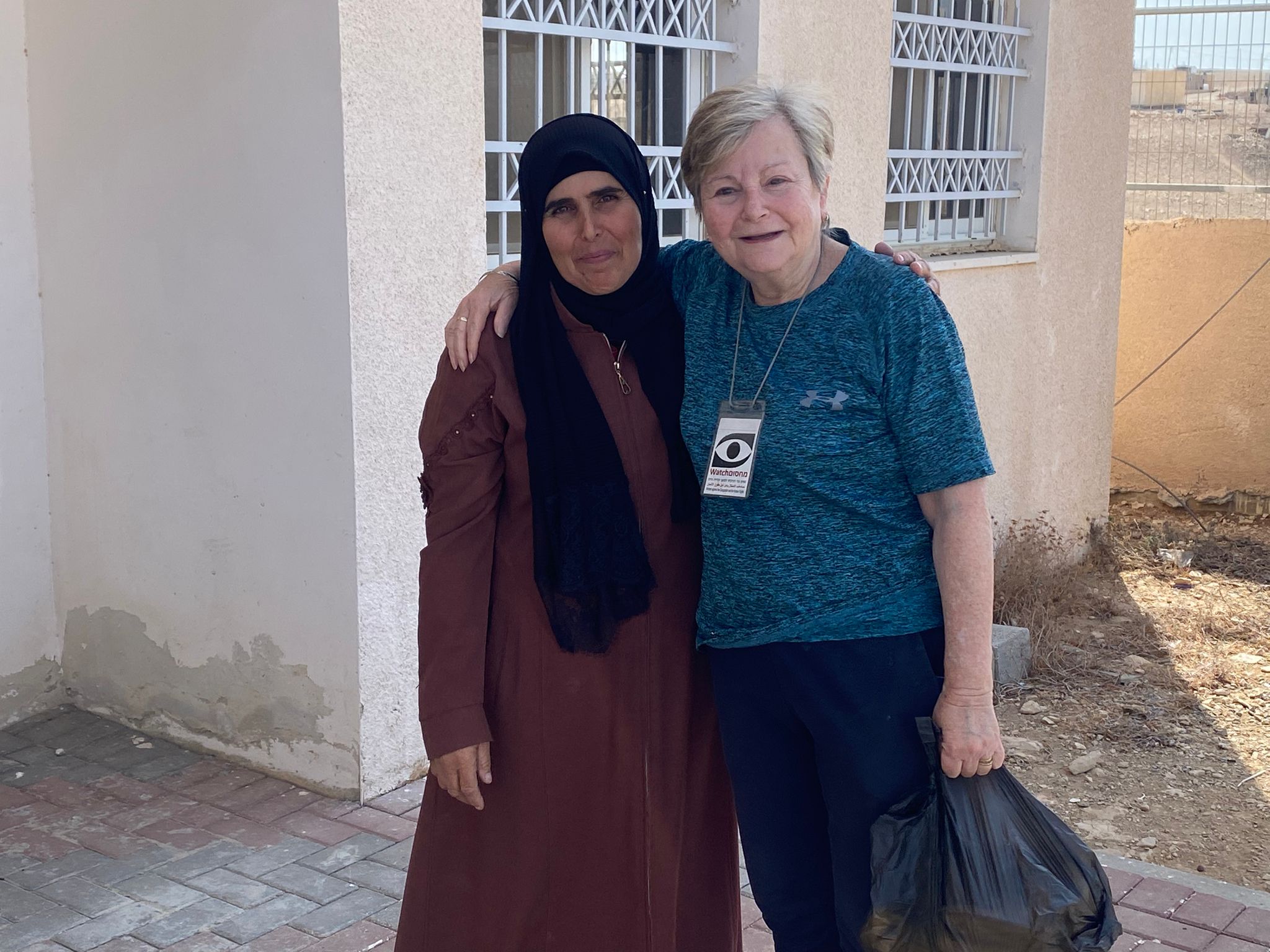
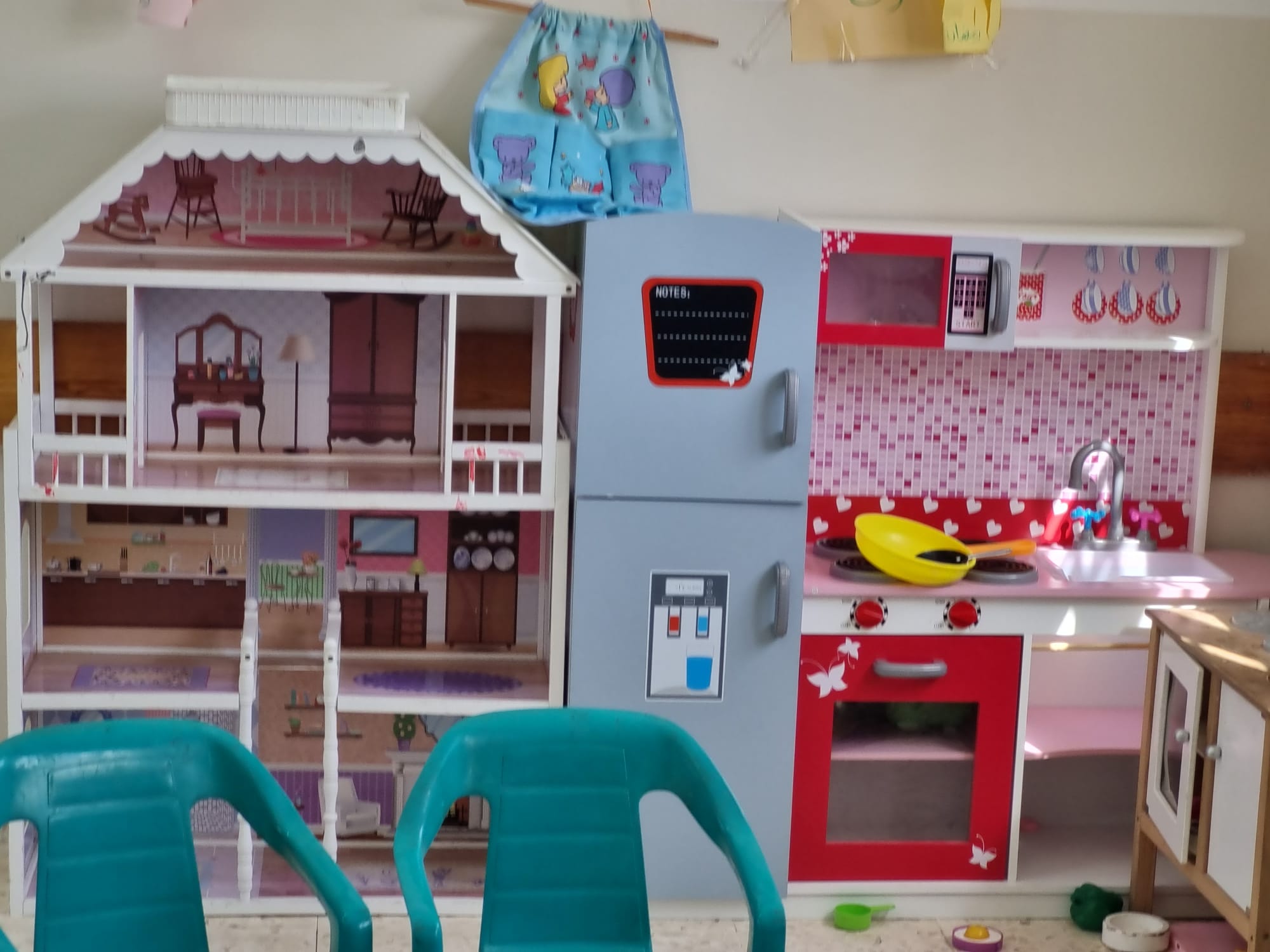


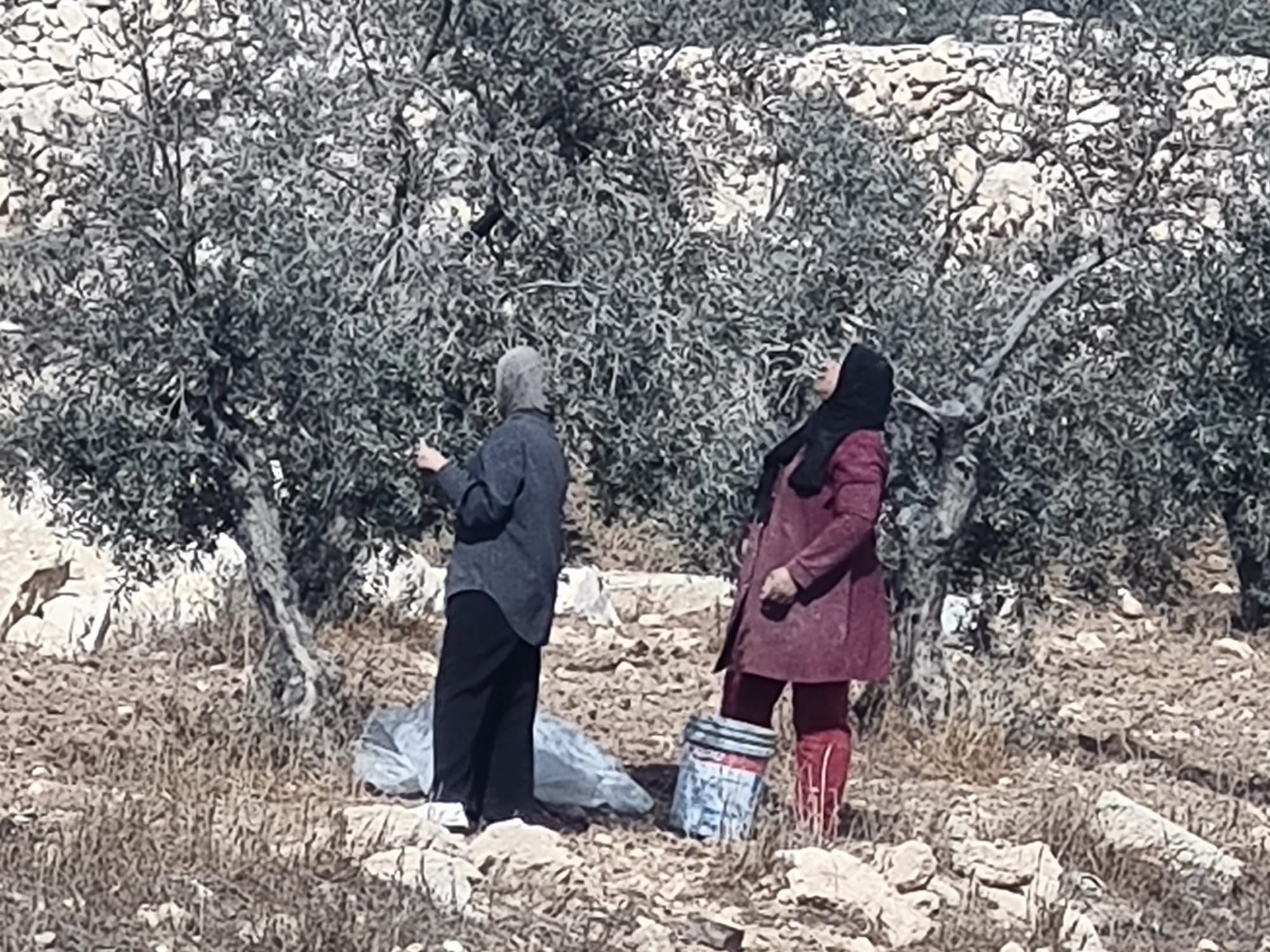
A trip to the kindergarten of Huda is a special event. First, it requires time before the visit to collect my donations, in addition to the usual things to adapt to the kindergarten’s needs. We asked Huda about two weeks ago to send us a list of equipment for the children’s activities.
Muhammad contacted Rania from Fuqiqis, who has been living in Dura since the war, to purchase what was needed for us, and she did so willingly. Thanks to Muhammad for meeting her and receiving what she purchased: notebooks of several types, workbooks in Arabic, English and arithmetic, plasticine, paints of various types, and more.
Before that, we stopped at Nabil’s grocery store and bought personal cakes, tropical and bananas.
Huda, the kindergartener, Hawla, the kindergartener for the little ones, and Amna, the assistant, welcomed us happily, as usual.
The children sat in exemplary order in their classrooms and waited for us.
How much sweetness was in the air. We gave each boy and girl their food and drink, and there was great joy.
After about half an hour the parents came to pick up the children, and the school day ended. Before they left, they came and hugged them, saying thank you.
Huda, Hawla and Amna invited us to the kindergarten office to drink tea and tell them about the activity, and they showered us with many thanks. They asked us to come more often.
You can see in the pictures we took that the kindergarten is well-kept and diverse in the areas that the children are exposed to.
In these difficult conditions, well done to them. It is a day that does good to the heart, at least while we are at the kindergarten.
We also left clothes, shoes and games from the donations that are brought to me, and this time also from my own home.
We passed by Umm al-Khair twice and how heartbreaking and sad it is to see the trailers of the outpost adjacent to the village.
#ThisIsTheOccupation
Location Description
Dura Al-Fawwar Junction
See all reports for this place-
Junction on Route 60: west - the town of El Dura, east - the Al Fawwar refugee camp. There is a manned pillbox at the junction. From time to time the army sets up flying checkpoints at the entrance to El Fawwar and Al Dura. Al-Fawwar is a large refugee camp (7,000 inhabitants in 2007) established in 1949 to accommodate Palestinian refugees from Be'er Sheva and Beit Jubrin and environs. There are many incidents of stone-throwing. In the vicinity of the pillbox there are excellent agricultural areas, Farmers set up stalls adjacent to the plots close to the road. In recent months the civil administration has set up dirt embankments thereby blocking access to the stalls, and making it impossible for the farmers to sell their vegetables. Updated April 2021, Michal T.
-
Fuqeiqis
See all reports for this place-
Fuqeiqis
The village is located in Area C west of Khursa, road 3265. Its inhabitants make a living by raising sheep and farming. Negohot settlement was established west of the village. The settlement is expanding Negohot settlers harassing the villagers in many ways. Expansion of settlements is carried out without interruption on the lands of the village.
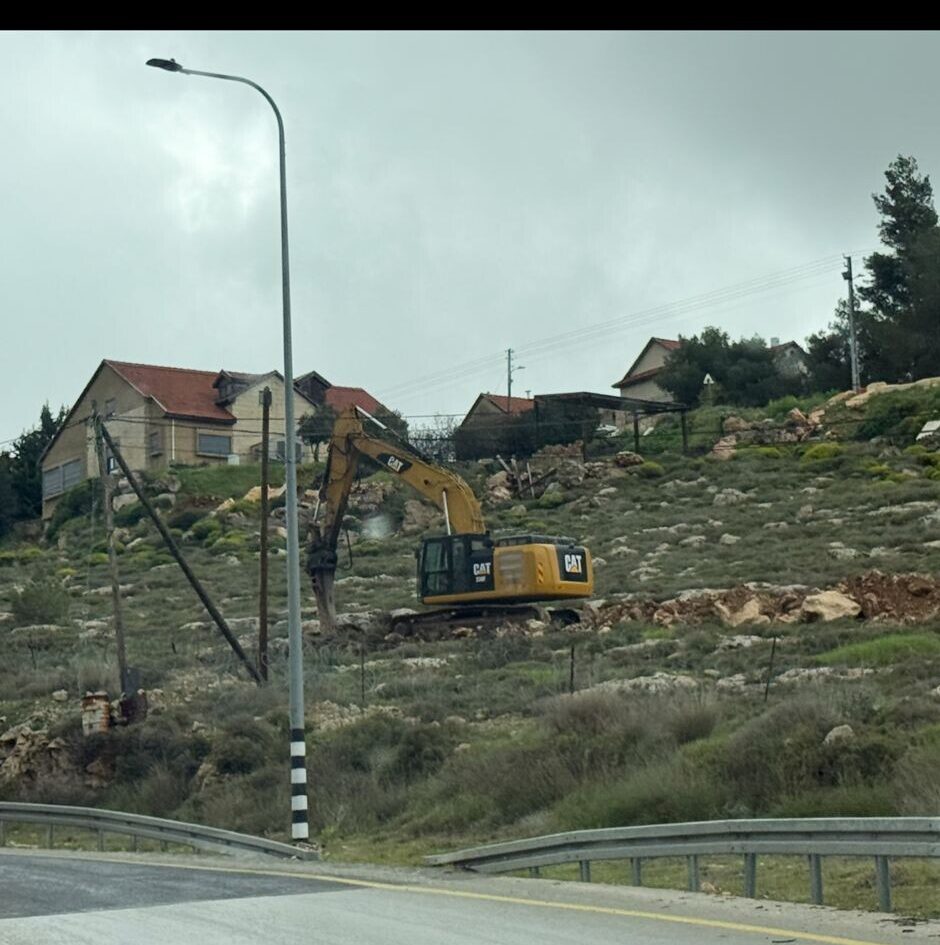 MuhammadFeb-24-2026South Hebron Hill, Beit Hagai: Paving an internal security road
-
South Hebron Hills
See all reports for this place-
South Hebron Hills
South Hebron Hills is a large area in the West Bank's southern part.
Yatta is a major city in this area: right in the border zone between the fertile region of Hebron and its surroundings and the desert of the Hebron Hills. Yatta has about 64,000 inhabitants.
The surrounding villages are called Masafer Yatta (Yatta's daughter villages). Their inhabitants subsist on livestock and agriculture. Agriculture is possible only in small plots, especially near streams. Most of the area consists of rocky terraces.Since the beginning of the 1980s, many settlements have been established on the agricultural land cultivated by the Palestinians in the South Hebron Hills region: Carmel, Maon, Susia, Masadot Yehuda, Othniel, and more. Since the settlements were established and Palestinians cultivation areas have been reduced; the residents of the South Hebron Hills have been suffering from harassment by the settlers. Attempts to evict and demolish houses have continued, along with withholding water and electricity. The military and police usually refrain from intervening in violent incidents between settlers and Palestinians do not enforce the law when it comes to the investigation of extensive violent Jewish settlers. The harassment in the South Hebron Hills includes attacking and attempting to burn residential tents, harassing dogs, harming herds, and preventing access to pastures.
There are several checkpoints in the South Hebron Hills, on Routes 317 and 60. In most of them, no military presence is apparent, but rather an array of pillboxes monitor the villages. Roadblocks are frequently set up according to the settlers and the army's needs. These are located at the Zif Junction, the Dura-al Fawwar crossing, and the Sheep Junction at the southern entrance to Hebron.
Updated April 2022
MuhammadFeb-24-2026South Hebron Hill, Beit Hagai: Paving an internal security road
-
Umm al-Khair
See all reports for this place-
Umm al-Kheir
A Palestinian village in the southern Hebron governorate, populated by five families. The Palestinian residents settled there decades ago, after Israel expelled them from the Arad desert and purchased the land from the residents of the Palestinian village of Yatta. The village suffers from the violence of nearby Carmel settlers, from water shortage and is subject to frequent demolition of buildings by the Civil Administration.
-