
Joran Valley: visiting shepherd families + “protective presence" (staying with the families 24/7)
The situation in the Palestinian Jordan Valley is quiet before the coming storm. More and more fences are erected to block Palestinian passage among roads or to their own grazing grounds. Checkpoints are closed for hours. There is severe shortage of water, rain, food, security. Violence of colonists-soldiers-police against helpless locals grows exceedingly. Everything is shitty.
We began with M. and H. at Hamra. It’s always nice to come and see all that can be done with vision, imagination and thought. In M.’s strawberry greenhouses a new fruit season begins. One awaits the cold in order to produce fruit more energetically. The greenhouse is large and amazing in its quality. Almost pharmaceutical. Too bad I didn’t take a picture.
We had morning coffee, saw the pictures in H.’s studio. Were glad to hear she teaches art at an Al Auja school. We unloaded packages, passed a bag that survived in an Israeli prison and goes back to a released prisoner in the area. Thanks to Sylvia!
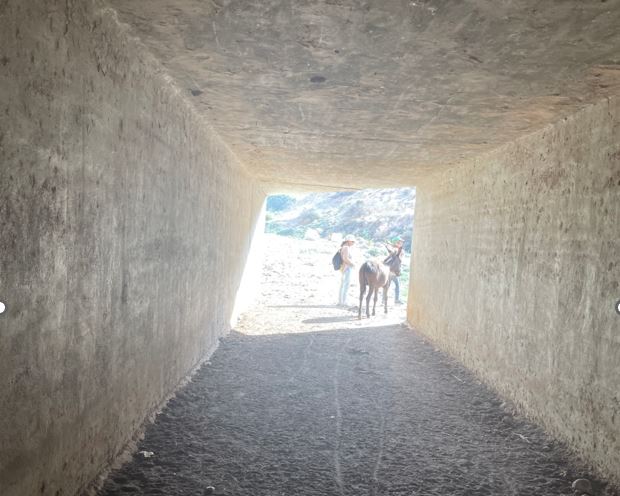
We continued to Ain Hilwa, accompanied the cattle flock of shepherd Z. while crossing the road, as well as the cattle of F. from the south. The stream runs from the hills in the west and reaches the small ravine where the cattle drinks twice a day. They need accompaniment for fear that colonists would come and harass the shepherds in their work. Twice a day.
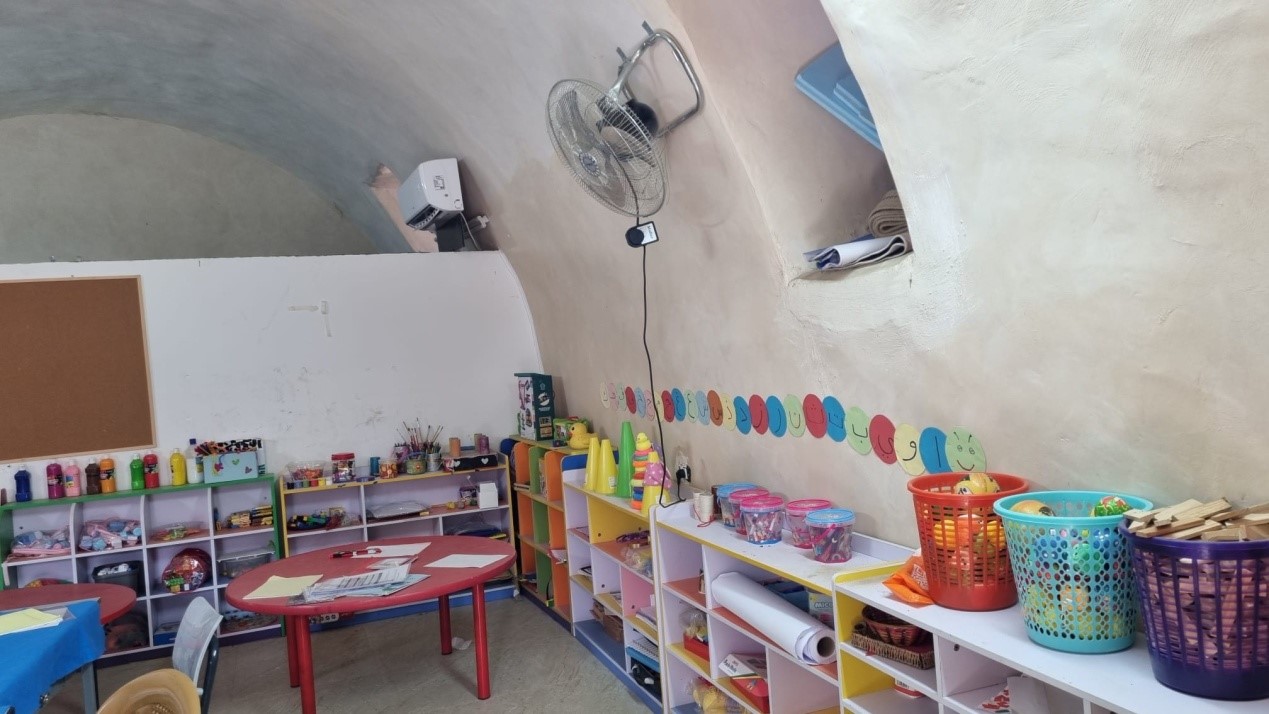
We continued to Hamam al Malih, toured the kindergarten and school with the new principal. Only few pupils came, after the hurried escape of families of the area in the latest period of violence. The kindergarten us nice and filled with equipment, but considerable humidity makes itself felt in the walls. The place needs upkeep. The principal asks us for help.
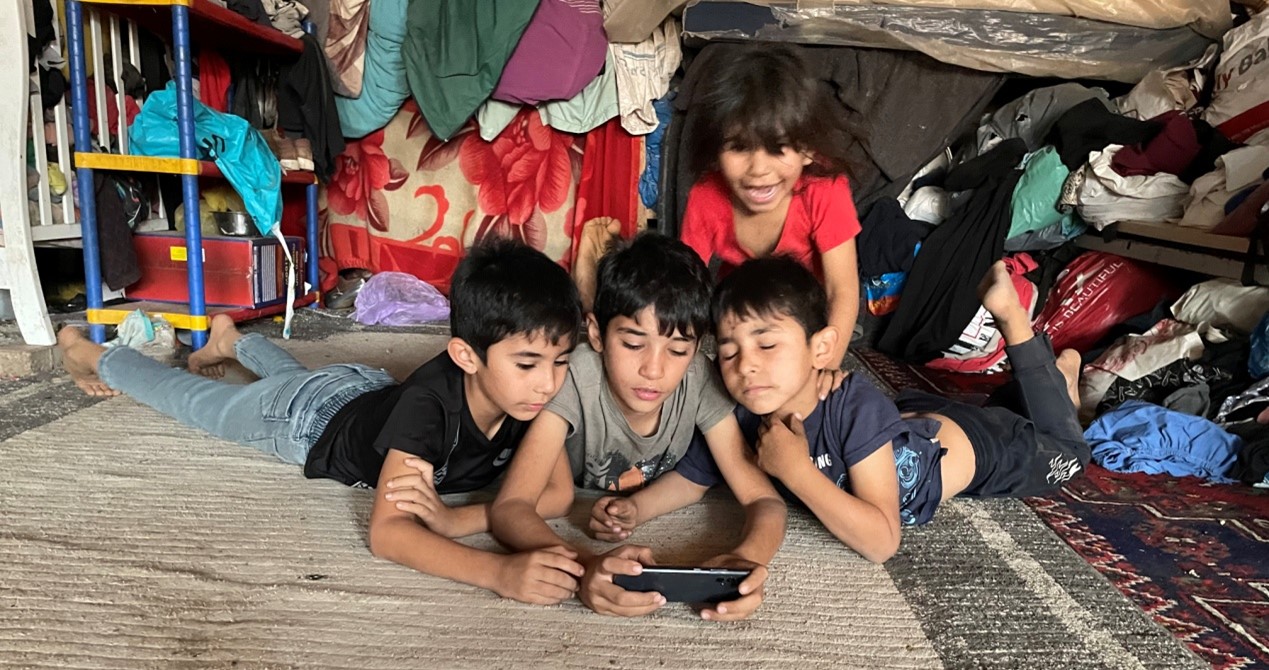
We continued to the new family living near the kindergarten, whose acquaintance I made lately. At their request, we brought them many diapers for their disabled daughter. With God’s help… There is no help with disabled children in this area. In addition, M. shows us the houses the two brothers built near the parental home which was demolished by the army in June 2023.
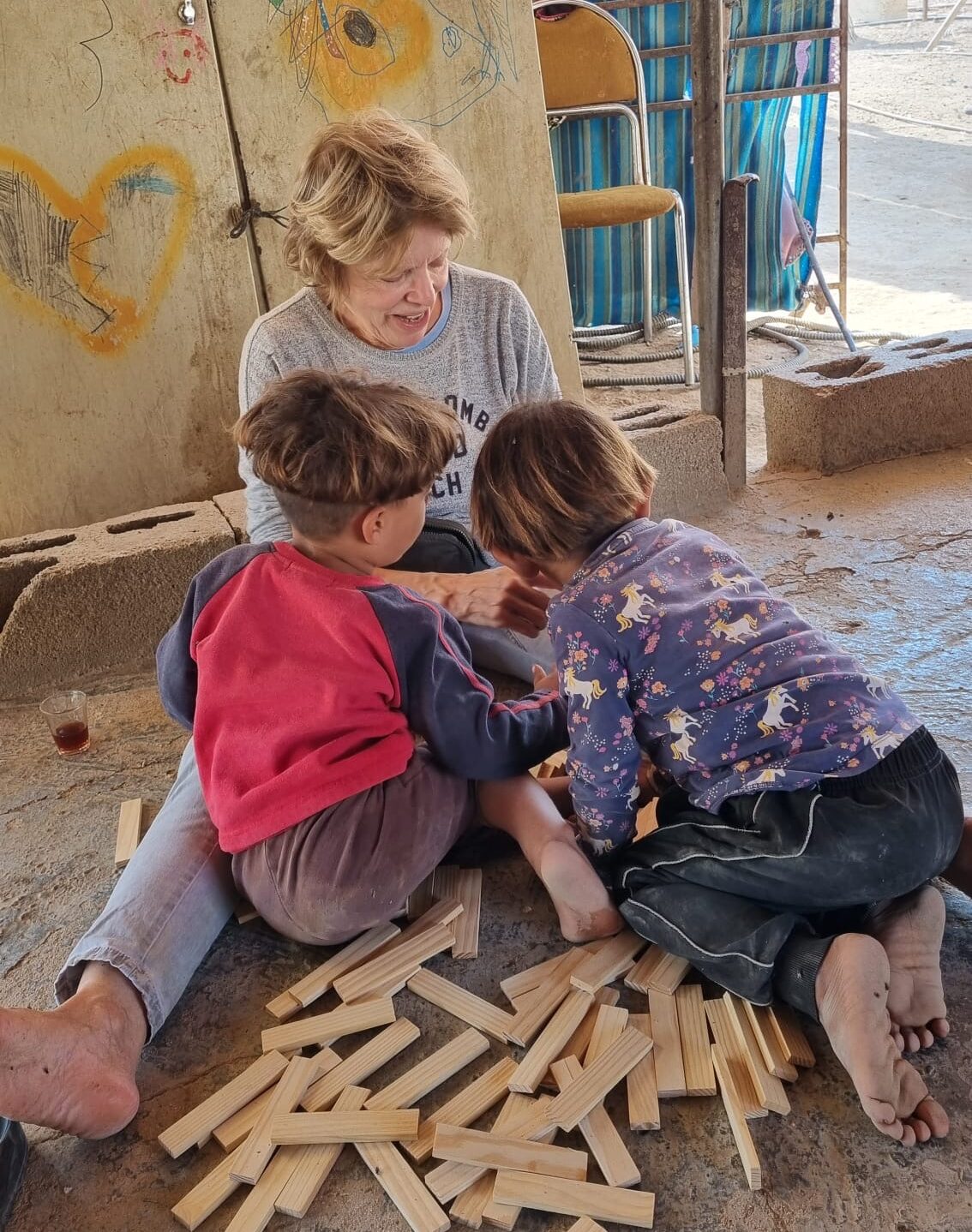
From there we drove to Farisiya, where the group of accompaniers gathered under the tree, or at A.’s place. The children were activated. We net A. after returning from the time they spent around Ain al Beda. He is broken body and soul. He tells us about the attack and blows he received from soldiers a week ago, as they confiscated his car for a reason invented on the spot (the car’s roof carried iron rods serving to erect structures for the sheep and who were now being returned home).
He says he was taken to the Bardala area, beaten up in all parts of body, a cigarette put out on his back, and they wanted to throw him into a reservoir there. Finally, they left him. He already forces everything – the car, the rods. “But why do they beat me up?”
How could we console him? What could we say?
In Samara we faced the sheep disease. This week they received vaccines after a financing source was found. There is a vaccine to further prevent the disease. They cope with impossible expenses financing food and water for themselves and the children. The received new pants from someone who brought them to me.
We continued to Khalat Makhoul, unloading gear for the three families.
We totaled 5 cups of tea and coffee each that day.
On our way home, we took a picture of one of the longest vehicle convoys I had ever seen there, reaching from Hamra all the way to the Jiftlik. Drivers said the checkpoint had been closed during the former 2 days, and they think the checkpoint is going to be moved more inland to the Ain Shibli area. This will heap more hardships on people travelling in the rea.
I spare you the two videos of the cars waiting in line.
Location Description
'Ein al-Hilwe
See all reports for this place-
Ein al-Hilwe is a natural spring and a Palestinian grazing area in the Jordan Valley that was used by the Palestinian shepherd communities for watering their flocks and for daily use. As of 2021, settlers from the Maskyot settlement took control of the spring: they fenced it off, built a wading pool and a mikveh, and installed flags and recreational facilities.
Palestinians are effectively denied access to the spring, and are forced to make do with running water in a remote wadi or, when the road is blocked, buy water from vendors at high prices.
The spring is located in the heart of an area where illegal outposts are being established, as part of a broader trend of pushing Palestinian communities away by denying them access to essential resources. Neighboring communities such as Umm Jamal and Khirbet Samra have already left due to the pressure.
Over the years, MachsomWatch members have reported arrests on false claims by settlers, harassment and violence, including damage to herds, intrusion into homes, and the intimidation of children. MachsomWatch volunteers participate in a protective presence in areas around the spring to prevent harassment of shepherds due to the presence of settlers.
-
Al-Farisiya / 'Ein a-sakut
See all reports for this place-
Al-Farisiya / 'Ein a-sakutA community of shepherds in the Jordan Valley opposite the settlement of "Rotem". Making a living from grazing sheep, the residents are exposed to harassment, abuse and theft from settlers who come to them from outposts and settlements in the area, and their grazing area is shrinking due to settler takeovers, fire zones and declared nature reserves.Machsom Watch companies participate in shepherd escort activities and provide a 24/7 protective presence, and there is continuous and warm contact with the community.
-
Khalet Makhul
See all reports for this place-
Khalet Makhul
A small settlement of a shepherd community located on the way to the settlement of Hemdat. Two nearby outposts make life miserable for the Palestinians, who make a living from grazing, and the army backs the settlers. As a result, the possible grazing areas are getting smaller.
The local children attend school in the settlement of Ein Al-Beida. Long lines of 3 hours sometimes stretch out at the Hamra and Tayasir checkpoints leading to the town of Tubas, making it difficult to get water, supplies, and sell the cheese, milk, and meat that the residents produce for their living.
Following a deadly attack at the Tayasir checkpoint in February 2025, the checkpoint was closed completely for the time being.
(Updated March 2025)
-