
Samra, Protective Presence: Residents Feel They Are Living on Borrowed Time
We arrived in Samra for the weekly presence. We shifted from accompanying shepherding activities to staying with the family in their living area—what is called a “protective presence”—in case settlers come to attack the women and children. Today we distributed diapers for a disabled girl, some food, and scholarships for students.
One of the families lucked out and got a new kind of cleaning crew. We created a daily plan with the children: first cleaning and organizing the house, and then arts and fun activities. And that’s how it went. We worked hard to bring order and cleanliness, to the joy of the woman of the house. Naturally, this may raise various thoughts for you. We also had disagreements among ourselves, but reality prevailed. We experienced a day full of satisfaction and new insights.
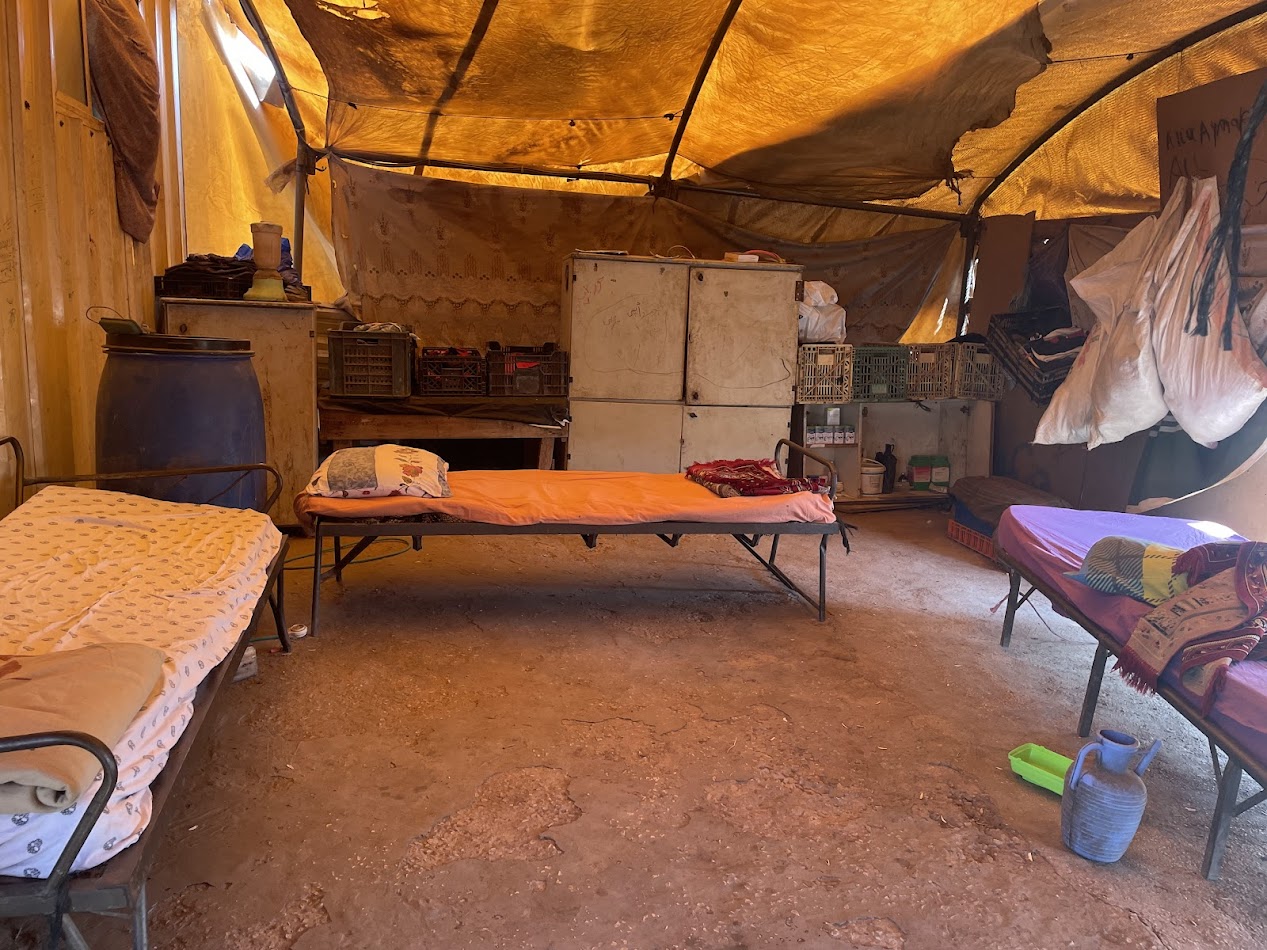
We continued with games and art activities at the “community center.” Most of us were tired and hungry, but we kept going—playing, drawing, talking, and hearing what the children are going through. One of the girls said she couldn’t sleep at night, fearing that settlers would steal their flock.
The mother shared that the previous Friday, the men had gone out to graze in the morning, and the women stayed at home—two women with their young children. At some point, three military vehicles arrived, and about 10–15 soldiers got out, including a commander and a translator, and spoke with them. They asked to hear about the problems with the settlers living above them.
In the end, one of them—unclear whether he was a soldier or what his role was (based on his clothing he didn’t appear fully in uniform)—spoke gently. Three times he repeated the same sentence: “If you want to leave here, we will help you.”
This is a statement that repeats itself in every visit by the army in the area.
After reading about the ’67 Nakba in the latest weekend supplement of Haaretz, nothing is left inside us regarding the state and its institutions except the question of where we are heading. The woman described this event as just part of their life. She was not emotional about it. Later in the day, she said again: “When we move to Tubas, you’ll come visit us there too”… something like that. As if it is clear that their time here is limited.
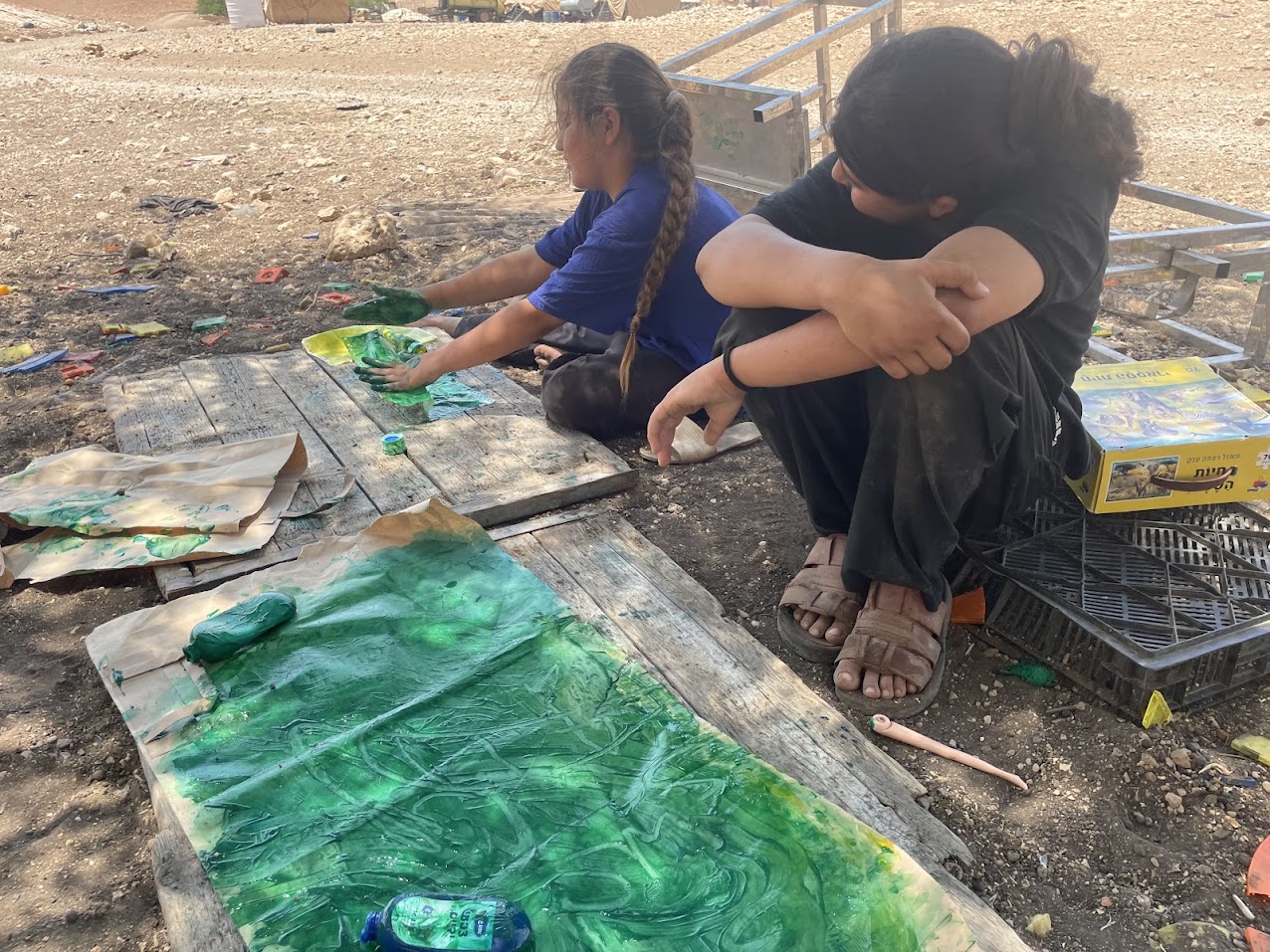
At the end of the day, we took a round through Ein al-Hilweh and Makhoul.
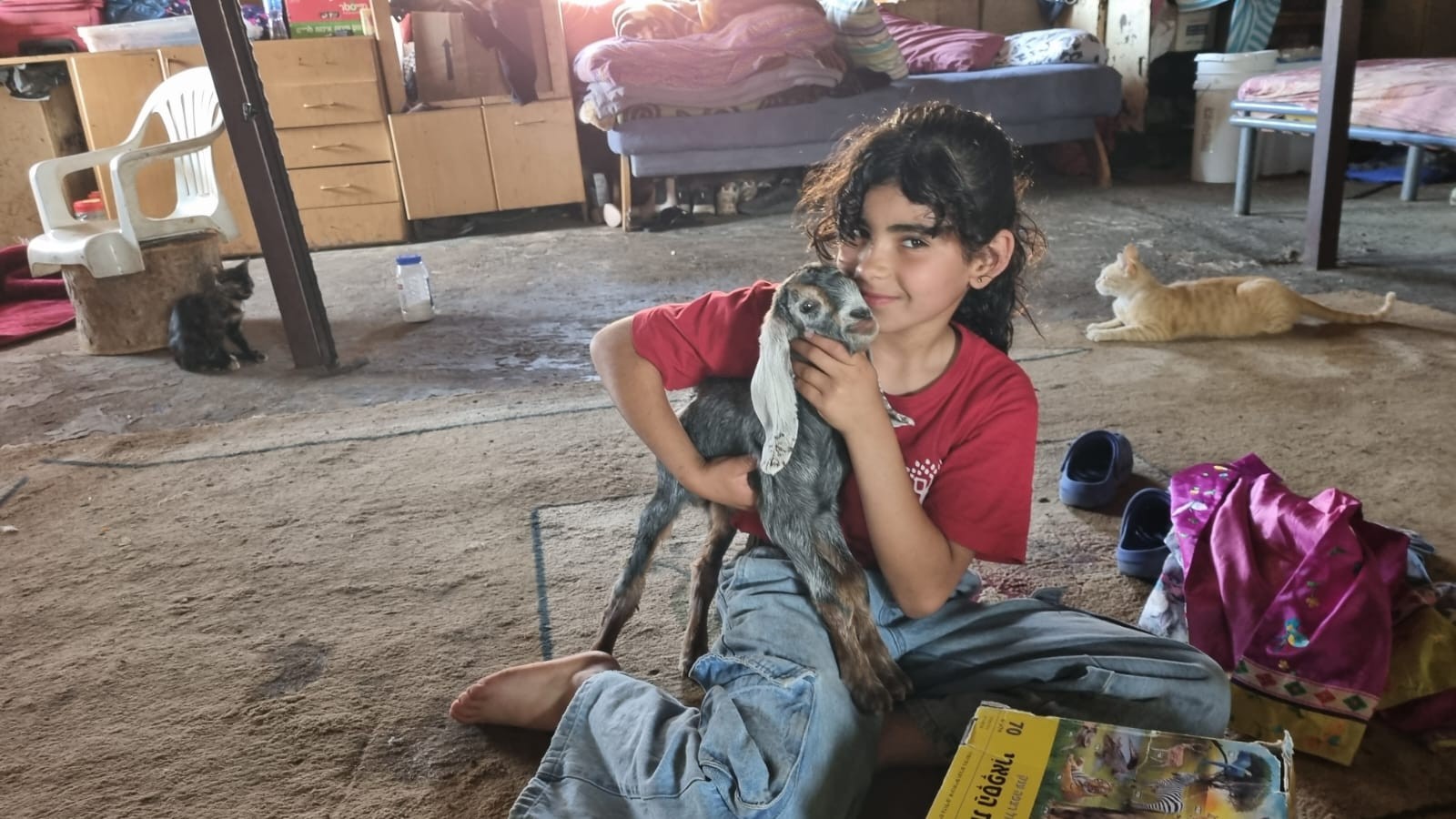
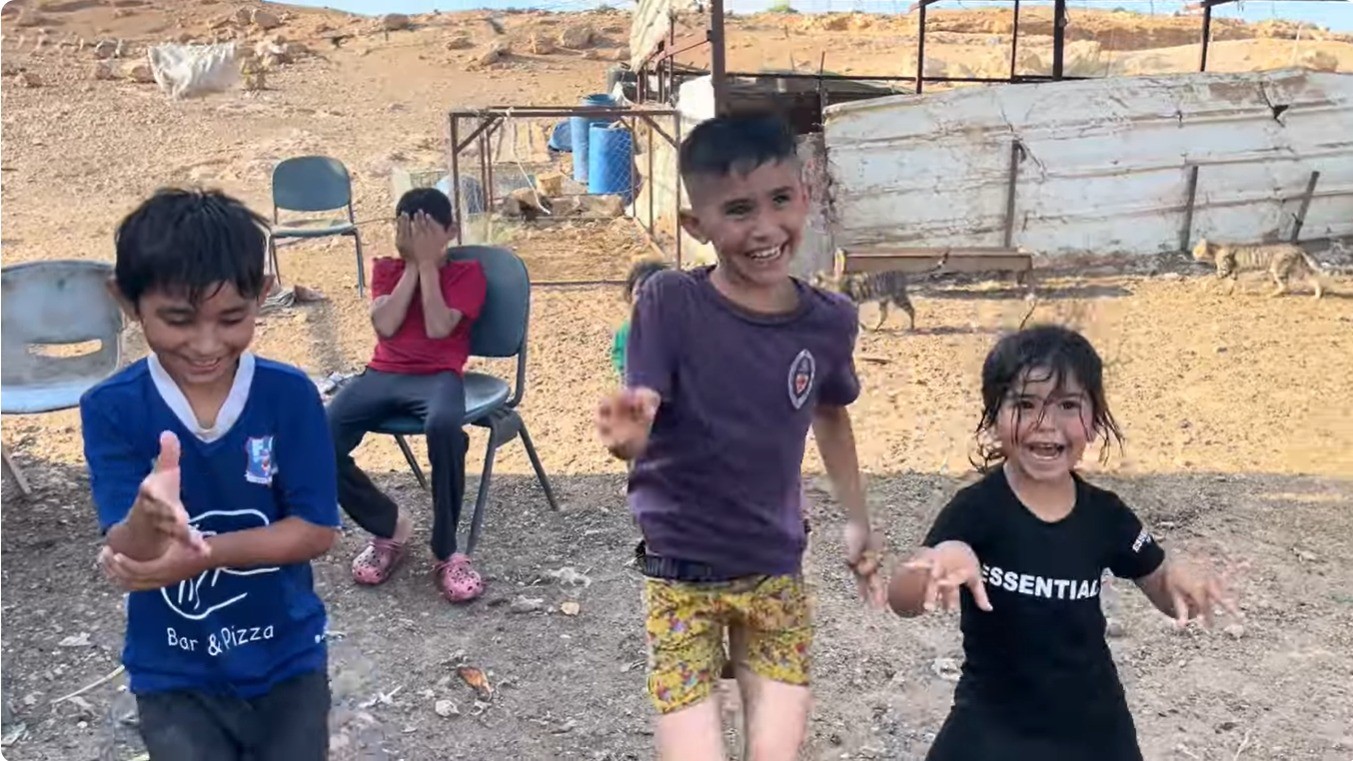
At Rima’s home, we were welcomed with a joyful performance reserved for the righteous.
An excerpt from a Palestinian newspaper from the day before yesterday describing the situation of those displaced from their homes in the Jordan Valley in recent months:
After months of forced displacement, residents of communities in the northern Jordan Valley are facing harsh living conditions after being forced to move to the outskirts of the city of Tubas and to the village of Tayasir to its east. This comes against the backdrop of the lack of grazing areas for their sheep and livestock, and ongoing fears for the safety of their families due to persecution and harassment by settlers, whose attacks have reached the outskirts of the city of Tubas and its surroundings.
Location Description
Jordan Valley
See all reports for this place-
Jordan Valley The Jordan Valley is the eastern strip of the West Bank. Its area consists of almost a third of the West Bank area. About 10,000 settlers live there, about 65,000 Palestinian residents in the villages and towns. In addition, about 15,000 are scattered in small shepherd communities. These communities are living in severe distress because of two types of harassment: the military declaring some of their living areas, as fire zones, evicting them for long hours from their residence to the scorching heat of the summer and the bitter cold of the winter. The other type is abuse by rioters who cling to the grazing areas of the shepherd communities, and the declared fire areas (without being deported). The many groundwaters in the Jordan Valley belong to Mekorot and are not available to Palestinians living in the Jordan Valley. The Palestinians bring water to their needs in high-cost followers.Rachel AfekJun-11-2026Samra. "I want to paint the tree so it remembers us when we are gone," said the girl with the braid
-
Khalet Makhul
See all reports for this place-
Khalet Makhul
A small settlement of a shepherd community located on the way to the settlement of Hemdat. Two nearby outposts make life miserable for the Palestinians, who make a living from grazing, and the army backs the settlers. As a result, the possible grazing areas are getting smaller.
The local children attend school in the settlement of Ein Al-Beida. Long lines of 3 hours sometimes stretch out at the Hamra and Tayasir checkpoints leading to the town of Tubas, making it difficult to get water, supplies, and sell the cheese, milk, and meat that the residents produce for their living.
Following a deadly attack at the Tayasir checkpoint in February 2025, the checkpoint was closed completely for the time being.
(Updated March 2025)
-
Khirbet Samrah
See all reports for this place