
"I hate this life," M. answers my question: "How are you?"
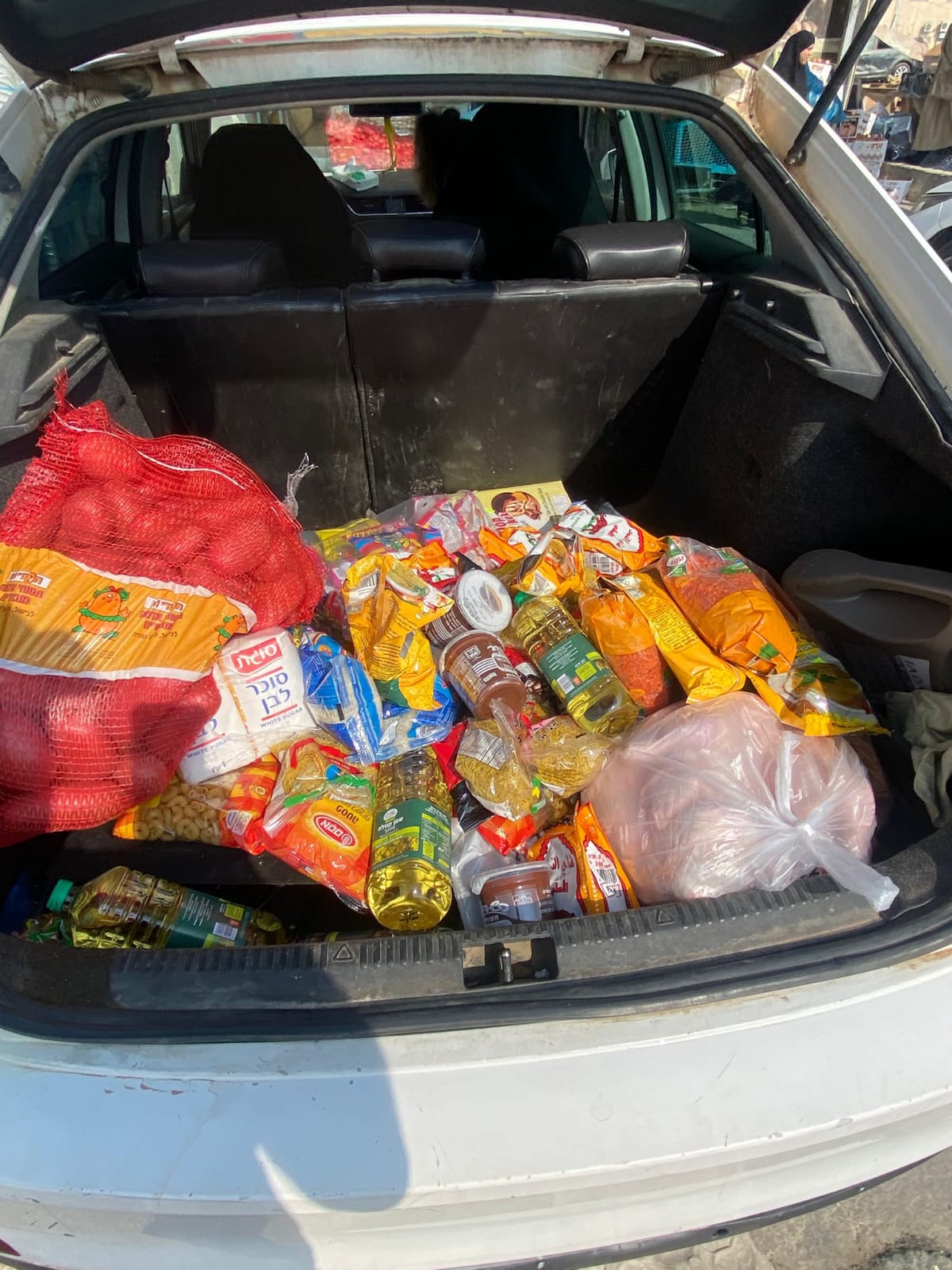
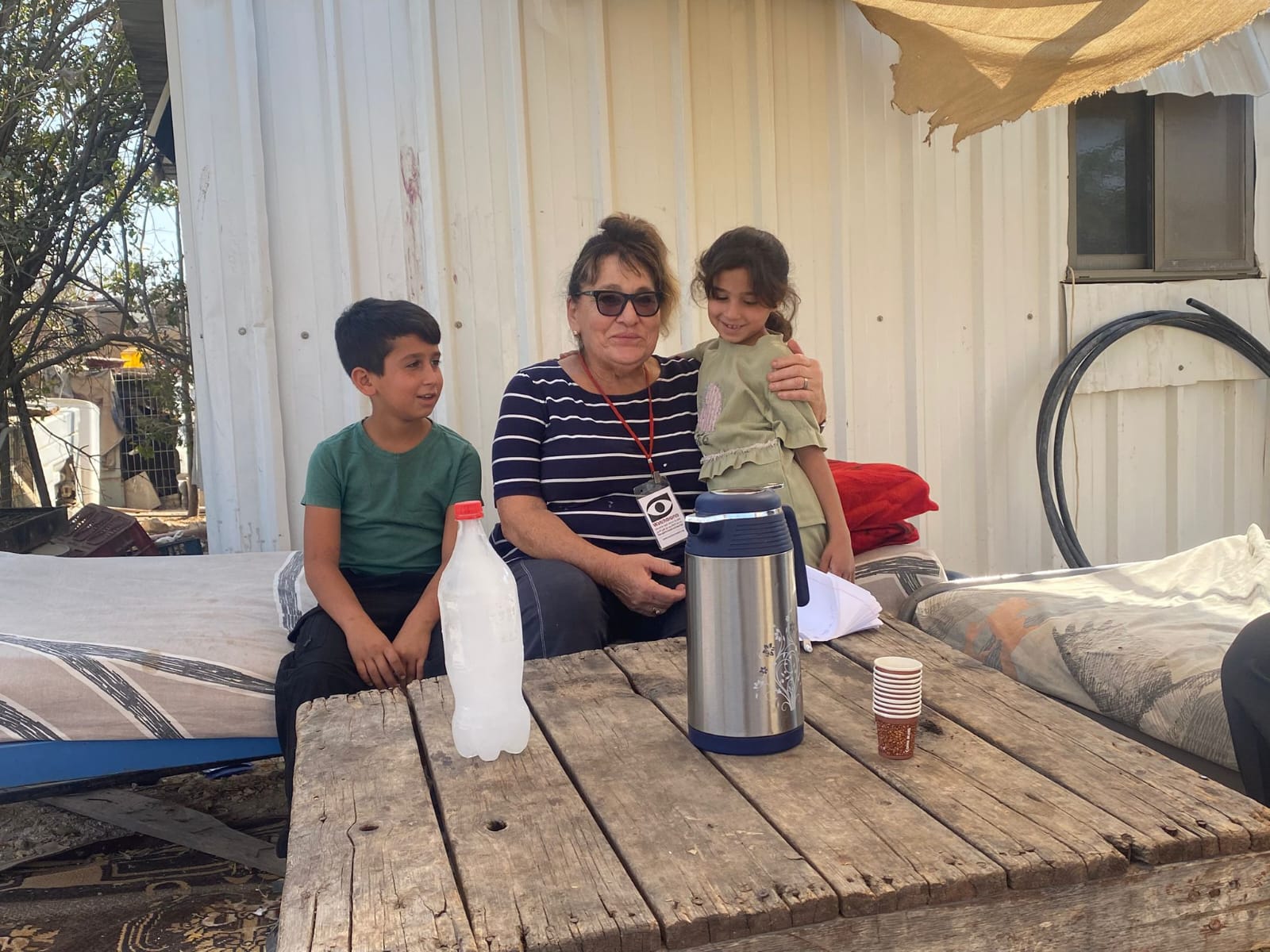
We travelled to the home of the Abu Qbeitah family who live adjacent to the Beit Yatir settlement. The fence brought them into the territory of the State of Israel, but they are of course not considered as such and all their necessities are received in Yatta, to which they pass through the Beit Yatir checkpoint.
We have written a lot about this anomaly. Now, in the last two years, their situation has worsened and they are subject to the abuse of the Talia family, who live on their farm not far away, and the Beit Yatir security coordinator is also fulfilling his role “well”.
They are also in a very difficult situation, not allowed to go out to work in Israel and not allowed to go out to their olive trees and graze their sheep on their plots legally because they are too close to the settlement.
During the previous week, I was in contact with Othman, one of the brothers, who is particularly concerned about the demolition order he received for his shack despite the lengthy legal proceedings he is conducting. Now that there is a legal body in Bethlehem that is trying to help him in his struggle, things are being delayed because of the evil bureaucracy of the State of Israel that entangles every attempt of the “little man” in an impossible tangle. Now he is waiting for an entry permit to be issued to the Palestinian engineer whose paperwork would help the lawyer to succeed in preventing the demolition order. As the demolition date approaches, he is afraid of finding himself, his wife and children, homeless in the coming winter.
The State of Israel? Of course, it is delaying such a permit.
I wonder how this will end this coming week.
We also bought groceries for them and I spoke with M., another brother who lives in the family compound because Othman went to Yatta because his little boy needs to be vaccinated.
The children didn’t go to school today either. Teachers in the PA are on strike again over non-payment of their salaries.
And M. says that some of them returned two weeks ago from Mecca (they believe that such a trip to their holy place can help them in their struggle). “While we were away,” he says, “they came from the DCO and counted the sheep, the chickens, the dogs and the children. They wanted to find out who lives here and how many.”
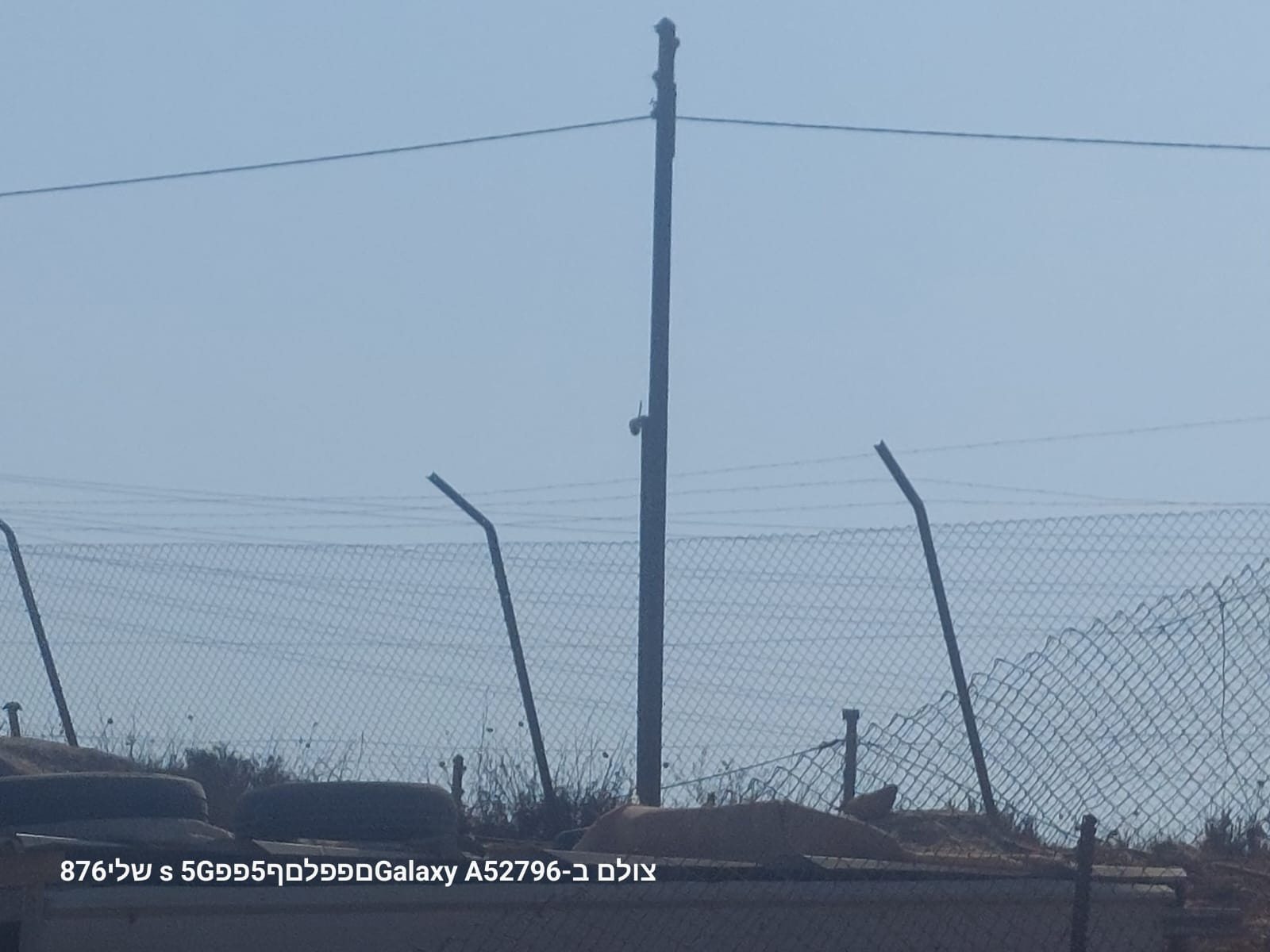
A month earlier, the DCO arrived with a large army escort and asked for all the ID cards of everyone who lives here. He points to the electricity pole in Beit Yatir and shows me that they have installed a new camera on it that is aimed at them.
“Do you understand how we live?” he asks.
He also shows me a demolition order he received for a certain structure in the compound.
“Mahmud. My cousin. The neighbour also received such orders. My brother Ibrahim too. Abd al-Halim, another brother, also received one. What do they want from us? That we leave our land for which we have High Court approvals, which is ours? Abu Qbeitah family has lived here since the days of the Turks, and we are fighting for our right to continue living here.” “They always come in the winter,” he adds, and that’s the problem. I no longer believe that they will give us the go-ahead and give us the right to build something normal here. But at least they will postpone the demolition orders for a few years.”
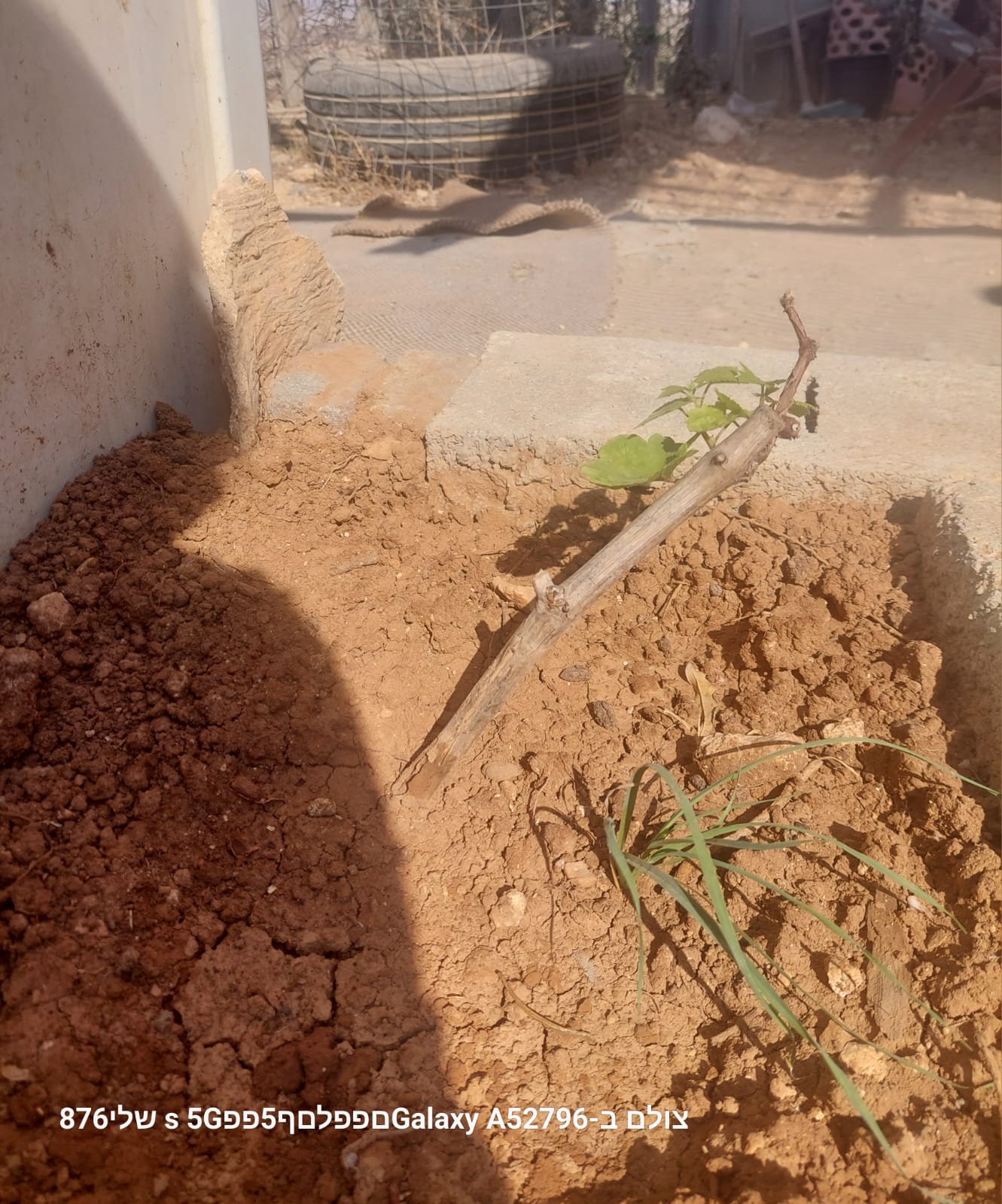
Anwar, his wife, sees me bending down to examine closely a small vine sapling that is blooming in a small square of concrete next to one of the walls of the shed. She smiles at me and says that she hopes that this vine will grow tall and make a shed with shade here. She shows me with her hands what she means and I answer her: “Yes, Amal (hope) your sapling symbolizes hope for me for life here.”
- translates my words for her. She smiles: “Yes, Amal.”
And I remembered Nadav Goldstein Almog from Kfar Aza, who was murdered there with his daughter on October 7th and is constantly quoted as saying: “Hope dies last.”
Location Description
South Hebron Hills
See all reports for this place-
South Hebron Hills
South Hebron Hills is a large area in the West Bank's southern part.
Yatta is a major city in this area: right in the border zone between the fertile region of Hebron and its surroundings and the desert of the Hebron Hills. Yatta has about 64,000 inhabitants.
The surrounding villages are called Masafer Yatta (Yatta's daughter villages). Their inhabitants subsist on livestock and agriculture. Agriculture is possible only in small plots, especially near streams. Most of the area consists of rocky terraces.Since the beginning of the 1980s, many settlements have been established on the agricultural land cultivated by the Palestinians in the South Hebron Hills region: Carmel, Maon, Susia, Masadot Yehuda, Othniel, and more. Since the settlements were established and Palestinians cultivation areas have been reduced; the residents of the South Hebron Hills have been suffering from harassment by the settlers. Attempts to evict and demolish houses have continued, along with withholding water and electricity. The military and police usually refrain from intervening in violent incidents between settlers and Palestinians do not enforce the law when it comes to the investigation of extensive violent Jewish settlers. The harassment in the South Hebron Hills includes attacking and attempting to burn residential tents, harassing dogs, harming herds, and preventing access to pastures.
There are several checkpoints in the South Hebron Hills, on Routes 317 and 60. In most of them, no military presence is apparent, but rather an array of pillboxes monitor the villages. Roadblocks are frequently set up according to the settlers and the army's needs. These are located at the Zif Junction, the Dura-al Fawwar crossing, and the Sheep Junction at the southern entrance to Hebron.
Updated April 2022
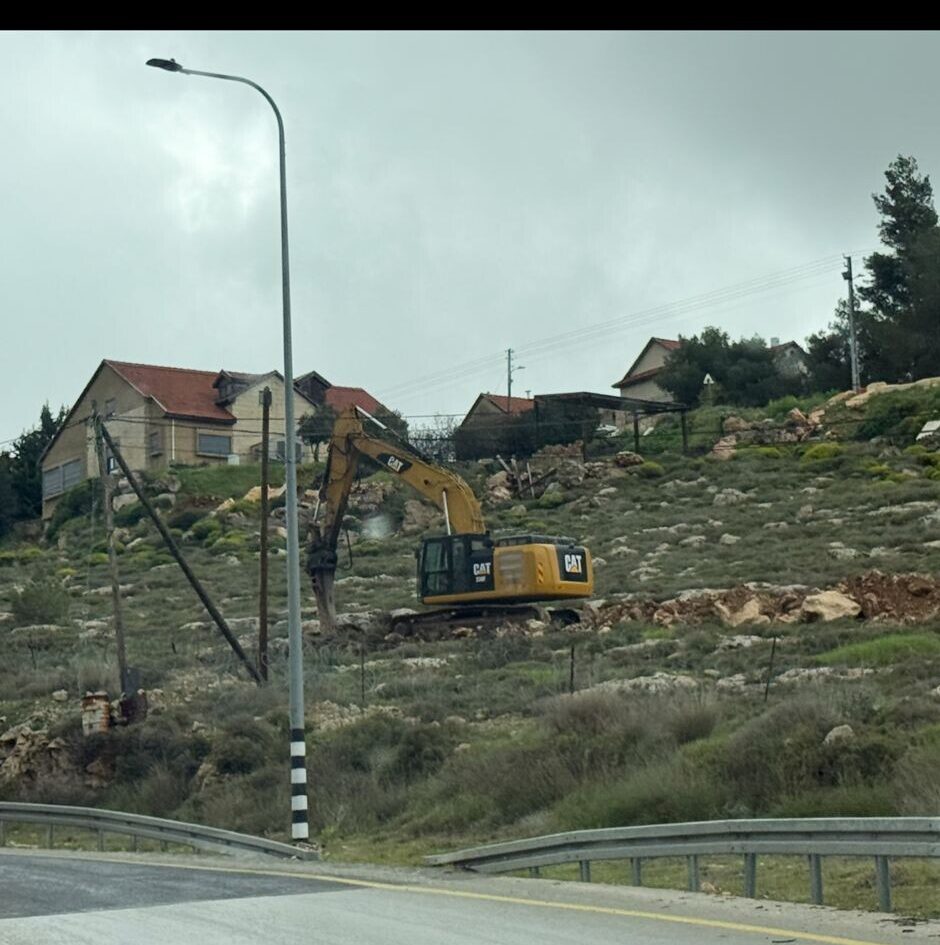 MuhammadFeb-24-2026South Hebron Hill, Beit Hagai: Paving an internal security road
-