
Re’em, the military security coordinator of Beit Yatir roams around day and night and enters their territory without permission.
The shift was dedicated to a visit to Lucifer, in the compound of the Abu Qabita families who live adjacent to the Beit Yatir settlement, near the Metsadot Yehuda checkpoint.
That is, they live on the Israeli side of the fence but are deprived of rights and must cross the checkpoint every day to the Palestinian side to get to school, shopping, and regular civilian services.
We bought groceries to be distributed to 5 families with about 20 children.
Because of Ramadan, most people are still asleep at 11:00, but Mustafa and his wife with their little daughter Wa’ad, 5, and 3.5-year-old Othman’s son, are happily waiting for us.
Mustafa describes a sad and familiar routine. For example, yesterday, 2 buses with Israeli teenagers arrived at the preparatory school in Beit Yatir. When they got off the bus, they started throwing stones at them. Mustafa turned to the teacher and asked: “Is this how you educate?” How will they behave when they grow up?” The teacher stopped the children from continuing and chased them away from the fence. They stopped and left, he said.
But the regular military security coordinator, Re’em by name, is constantly around them day and night and enters their territory even without permission. He wants to be sure they feel his presence.
“We are not allowed to work in Israel yet, but we are also not allowed to graze our flocks on our own land or cultivate our fields,” says Mustafa. “The sheep are in their crowded pen all the time, which is not conducive to their health and milk production. That way there are no clashes with the settlers, you see?” he says with a tired smile.
“We continue to wait for the war to end,” says Anwar, Mustafa’s wife, “waiting for life to return to the way it was.”
Erela, from the Village Group, continues to visit them.
For two months, she has been assisting Othman, who was injured in the hand by guards when he was arrested and imprisoned under the false accusations of the Talia brothers about six months ago, with the treatments and medications needed to rehabilitate his hand.
Returning through the Yatir Forest, we saw that in Umm al-Hiran, which was evacuated from the Bedouins who lived there, development and preparation work is underway for the new settlement planned to be called Dror. Plots are now being sold there cheaply. Finance Minister Smotrich also bought a plot there for his son, as we recall.
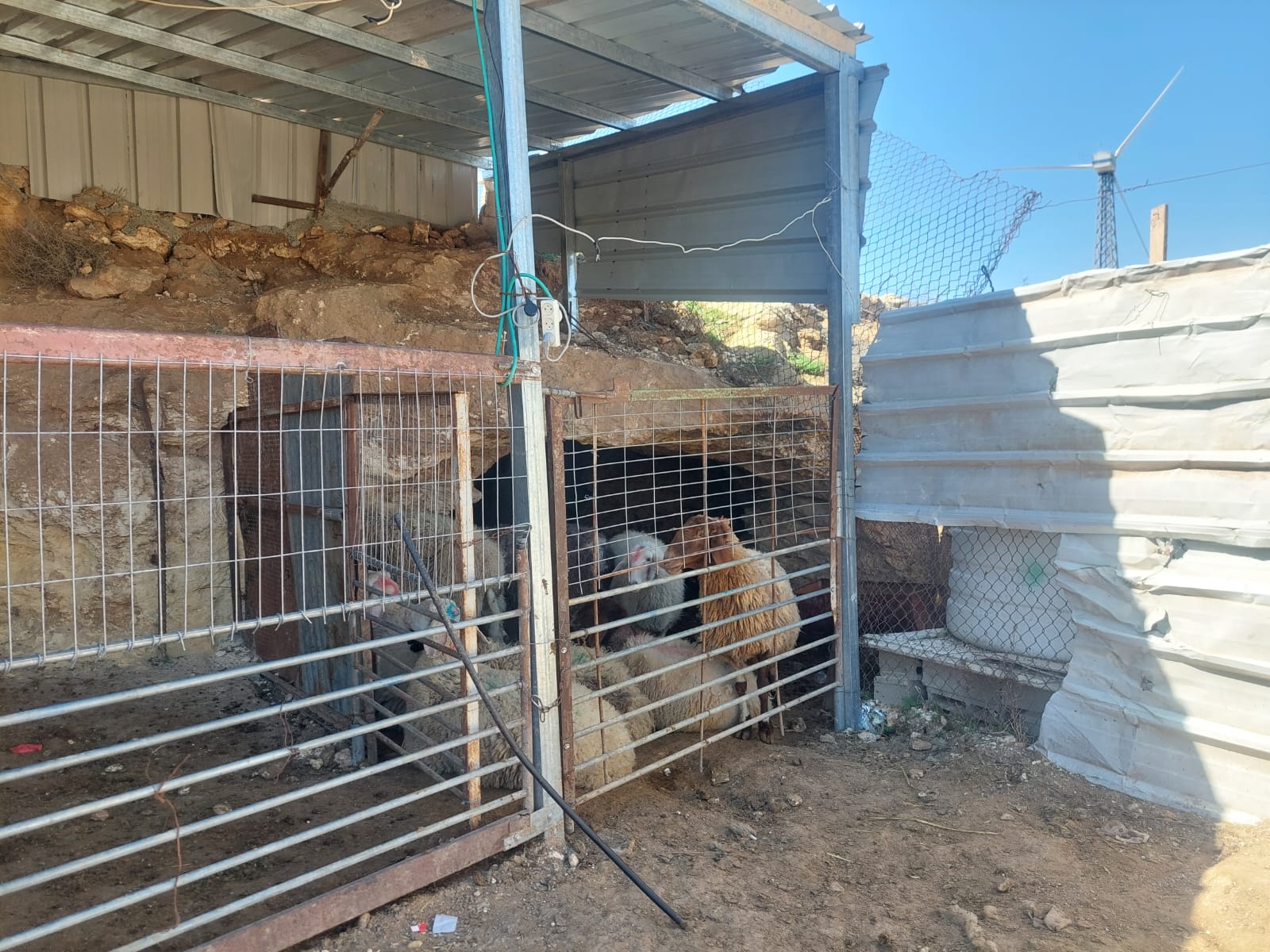
המשמרת הוקדשה לביקור בלוסיפר, במתחם משפחות אבו קביטה הגרות בצמידות להתנחלות בית יתיר בואכה מחסום מצדות יהודה.
כלומר, הם חיים בצד הישראלי של הגדר אבל נטולי זכויות וחייבים לעבור דרך המחסום כל יום לצד הפלסטיני כדי להגיע לביה”ס ולקניות ושירותים אזרחיים רגילים.
קנינו מצרכים שיחולקו ל-5 משפחות עם 20 ילדים בערך.
בגלל רמדאן, רוב האנשים ישנים עדיין ב-11.00, אבל מוסטפא ואשתו עם בתם הקטנה וועאד, בת ה-5 והבן בן ה-3.5, בנו של עותמאן, מחכים לנו בשמחה.
מוסטפא מתאר שגרת חיים עצובה ומוכרת. למשל, אתמול הגיעו 2 אוטובוסים עם בני נוער למכינה בבית יתיר. אלה, ברדתם מהאוטובוס התחילו לזרוק אבנים עליהם. מוסטםא פנה אל המורה ושאל: “ככה אתן מחנכים? איך הם יתנהגו כשיהיו מבוגרים?” המורה מנע מהילדים להמשיך וגרש את הילדים מהגדר. הם הפסיקו והלכו, לדבריו.
אבל הרבש”ץ של בית יתיר, ראם שמו, מסתובב סביבם כל הזמן ביום ובלילה ונכנס לשטחם גם בלי רשות .מפגין נוכחות מתמדת .
“אנחנו לא מורשים לעבוד בישראל עדיין, אבל גם לרעות את עדרינו בשטחים שלנו או לעבד את שדותינו אסור לנו,” אומר מוסטפא. “הכבשים במכלאתם הצפופה כל הזמן, מה שלא תורם לבריאותם ותנובת החלב. ככה גם אין עימותים עם המתנחלים, את מבינה?” הוא אומר בחיוך עייף.
“אנחנו ממשיכים לחכות שהמלחמה תסתיים” אומרת אנואר,” אשתו של מוסטפא, “מחכים שיחזרו החיים למה שהיו.”
אראלה, מקבוצת הכפרים, ממשיכה להגיע.
לעותמאן, שנפצע בידו ע”י סוהרים כשנעצר ונכלא בתואנת שווא של האחים טליה לפני כחצי שנה, לחודשיים, היא מסייעת לו בטיפולים ותרופות שצריך לשיקום ידו.
בחזרה דרך יער יתיר ראינו שבאום אל חיראן, המפונה מבדואים שחיו בה, נעשות עבודות פיתוח והכנה לישוב החדש המתוכנן להיקרא דרור. נמכרים שם עכשיו מגרשים בזול. גם שר האוצר סמוטריץ קנה שם מגרש לבנו, כזכור.
Location Description
South Hebron Hills
See all reports for this place-
South Hebron Hills
South Hebron Hills is a large area in the West Bank's southern part.
Yatta is a major city in this area: right in the border zone between the fertile region of Hebron and its surroundings and the desert of the Hebron Hills. Yatta has about 64,000 inhabitants.
The surrounding villages are called Masafer Yatta (Yatta's daughter villages). Their inhabitants subsist on livestock and agriculture. Agriculture is possible only in small plots, especially near streams. Most of the area consists of rocky terraces.Since the beginning of the 1980s, many settlements have been established on the agricultural land cultivated by the Palestinians in the South Hebron Hills region: Carmel, Maon, Susia, Masadot Yehuda, Othniel, and more. Since the settlements were established and Palestinians cultivation areas have been reduced; the residents of the South Hebron Hills have been suffering from harassment by the settlers. Attempts to evict and demolish houses have continued, along with withholding water and electricity. The military and police usually refrain from intervening in violent incidents between settlers and Palestinians do not enforce the law when it comes to the investigation of extensive violent Jewish settlers. The harassment in the South Hebron Hills includes attacking and attempting to burn residential tents, harassing dogs, harming herds, and preventing access to pastures.
There are several checkpoints in the South Hebron Hills, on Routes 317 and 60. In most of them, no military presence is apparent, but rather an array of pillboxes monitor the villages. Roadblocks are frequently set up according to the settlers and the army's needs. These are located at the Zif Junction, the Dura-al Fawwar crossing, and the Sheep Junction at the southern entrance to Hebron.
Updated April 2022
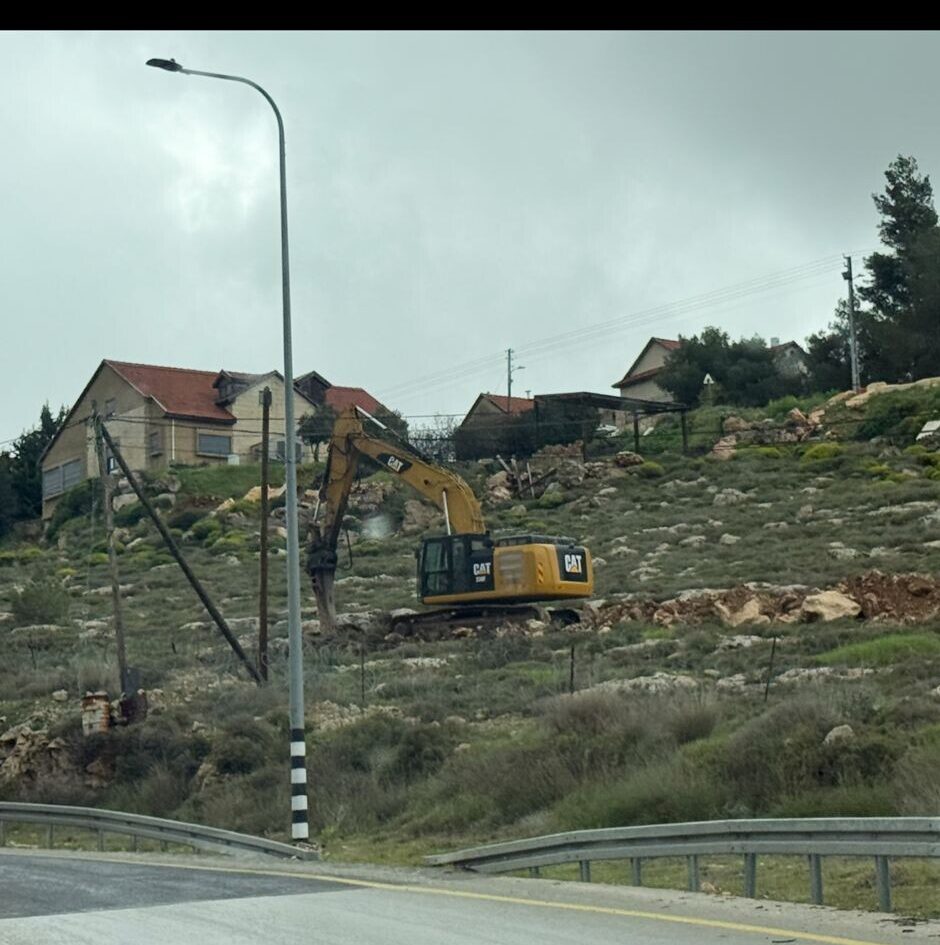 MuhammadFeb-24-2026South Hebron Hill, Beit Hagai: Paving an internal security road
-