
Accompanying shepherds in Samara

Samra, Northern Jordan Valley
We reached the community of herdsman at 07:30 as requested, but we set out for the pasture around 08:30 after a rich breakfast and loads of tea as is customary with the particular family we joined. We ate together with the shepherd, his spouse and their young daughter, the elderly grandfather and his spouse.
After the meal, we went north from the wadi and continued northward, more or less parallel to the Umm Zuka road, which connects the Allon Road with route 90. Not far from us, two more of the community’s herds were grazing. In the past, before the settlers moved into the area, the Umm Zuka road went through the heart of the grazing lands, which stretched all the way to route 90. Today, the Umm Zuka road is the border, which they don’t cross. This has considerable implications for providing for the flock and the herdsmen are forced to buy a lot of food and feed the flocks in their pens instead of basing their diet on grazing. They grow some of the food themselves – wheat, barley, and pea hay. They grow chickpeas as well, which they sell to a merchant.
The time in the pasture passed quietly. At one time we saw the settler Uri Cohen throw garbage into his “private” dump, which is close by the pasture. At midday we returned to the family home and sat down to eat with them together with another son who was visiting. They are all waiting keenly for more rain because the vegetation is still stunted.
From Samra we drove to the Halat Makhol community for a short visit to three (of the four) households where there are children, because Ella had brought the families equipment that they had asked her to bring. We got there at milking time and didn’t stay long.
Jordan Valley
See all reports for this place-
Jordan Valley The Jordan Valley is the eastern strip of the West Bank. Its area consists of almost a third of the West Bank area. About 10,000 settlers live there, about 65,000 Palestinian residents in the villages and towns. In addition, about 15,000 are scattered in small shepherd communities. These communities are living in severe distress because of two types of harassment: the military declaring some of their living areas, as fire zones, evicting them for long hours from their residence to the scorching heat of the summer and the bitter cold of the winter. The other type is abuse by rioters who cling to the grazing areas of the shepherd communities, and the declared fire areas (without being deported). The many groundwaters in the Jordan Valley belong to Mekorot and are not available to Palestinians living in the Jordan Valley. The Palestinians bring water to their needs in high-cost followers.
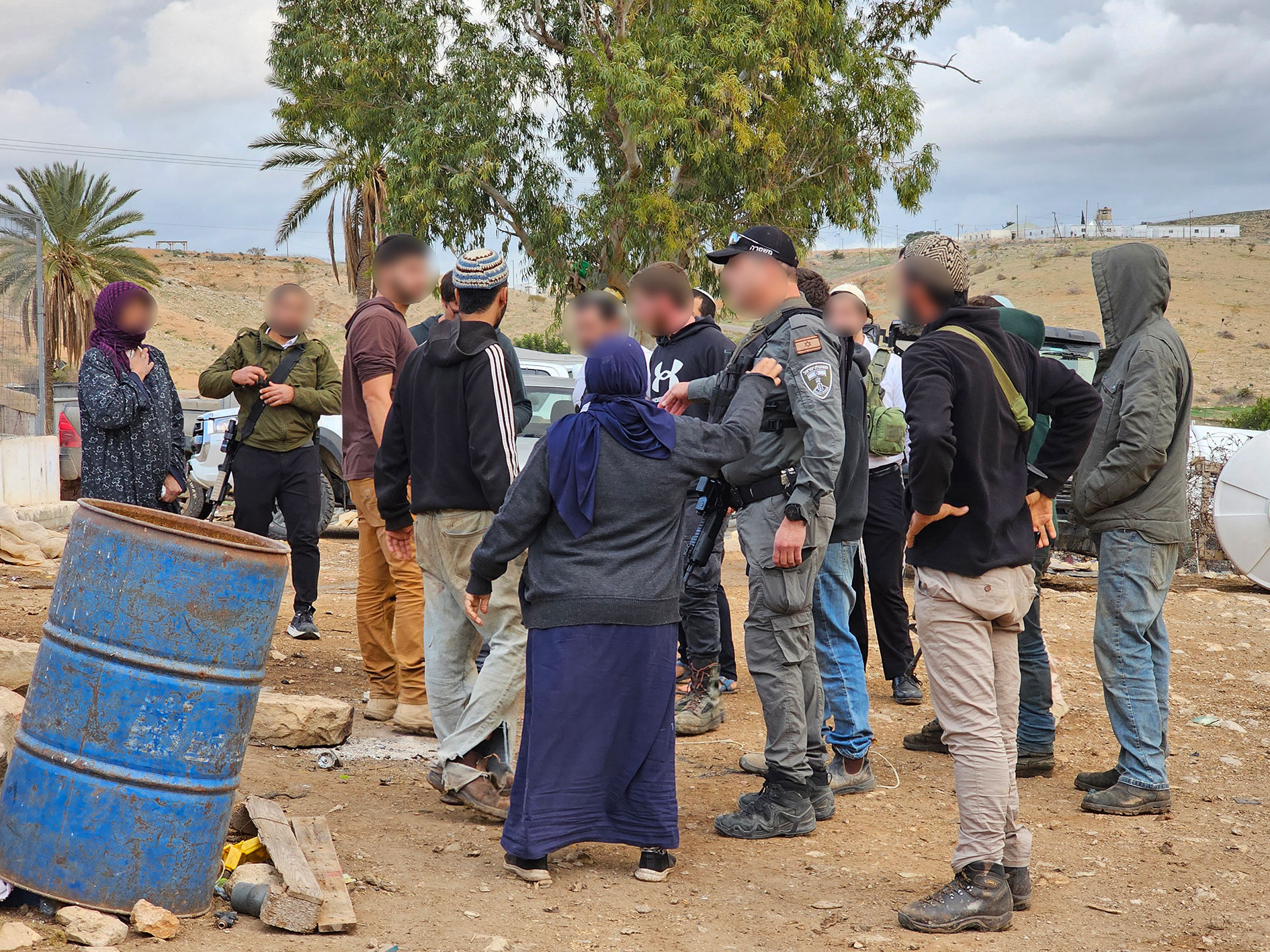 Sarah PostecDec-27-2026Hammam al-Malih: Border Guard and settlers in the compound
-