
Duma: A group of settlers took over the hill belonging to the village residents
Duma – We went to the local council. The head of the council, Suleiman Dawabsha, told us about what was happening in their village by the settlers backed by the soldiers.
At the entrance to the road leading to Duma there is a hill that belongs to the residents of Duma and is planted with olive trees.
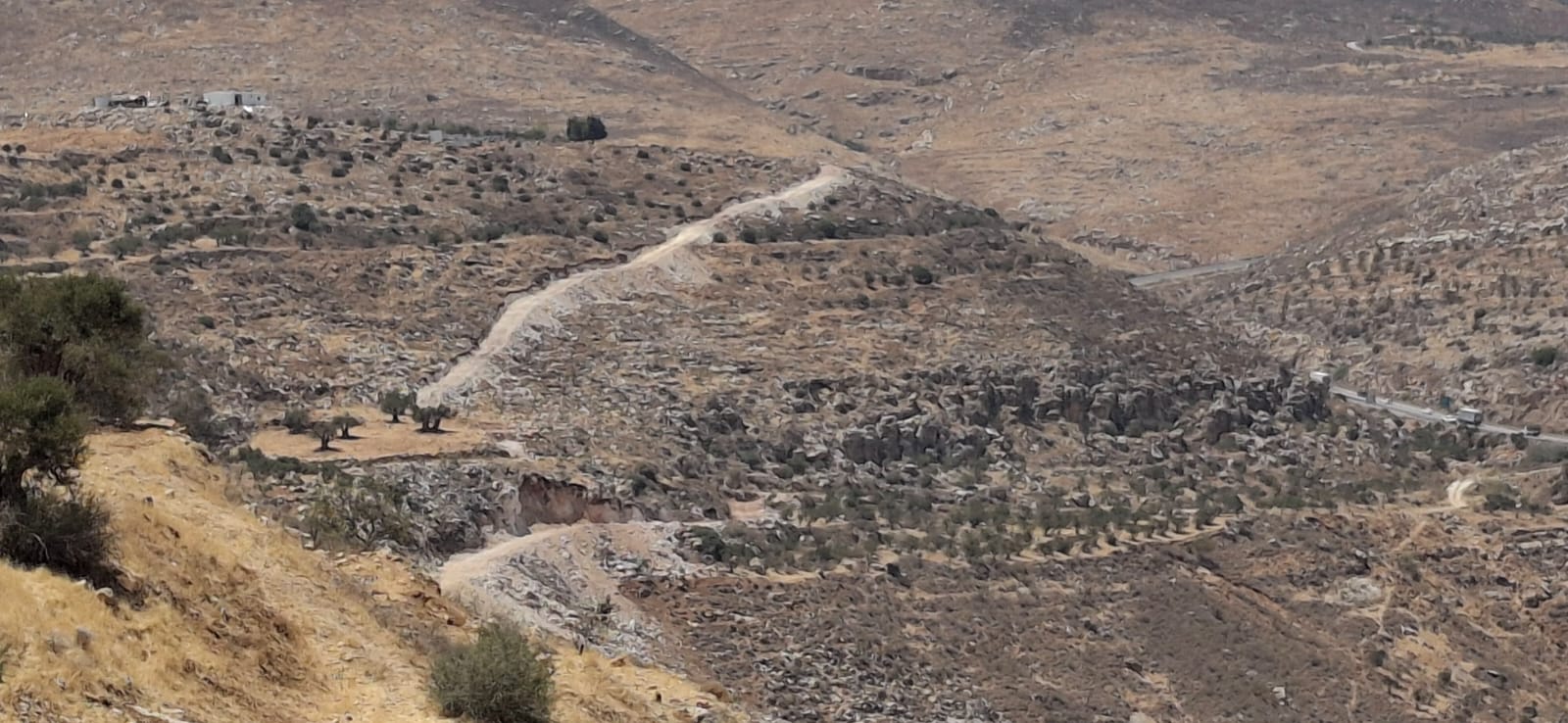
A group of settlers, shepherds, took over the hill and began levelling up the area to establish an outpost. The tractor excavator is still working on opening a road around the hill and has closed the road between Duma and the village of Majdal. The head of the council complained to the Civil Administration. It didn’t help.
In the village of Duma there are several springs that provide water to the villagers. The settlers took over the springs with the help of the army and now the residents of Duma have no water sources. They decided to start digging a well.
Every day one of the settlers enters the village early in the morning while people are still sleeping, turns on a radio on the loudspeaker and disturbs the residents in their sleep. The settler has close ties with Ben Gvir and keeps him informed about what is happening.
One of the villagers began building his house in Area B. He began digging a water well next to the house and the army prevented him from continuing to dig the well and stopped the construction of the house.
Huwarra and Beita – Most of the shops are closed except for the garages. Everything is unpleasant, almost no people in the street.
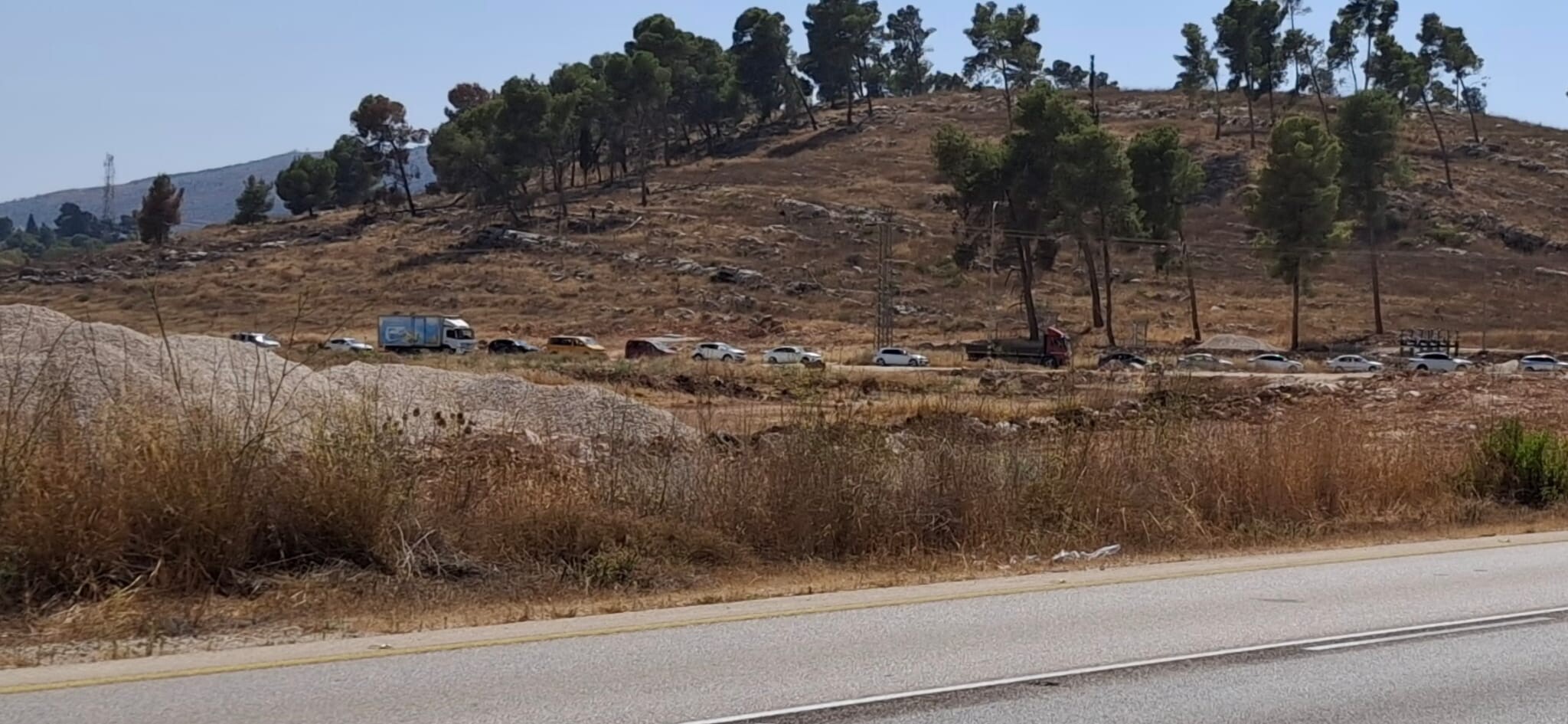
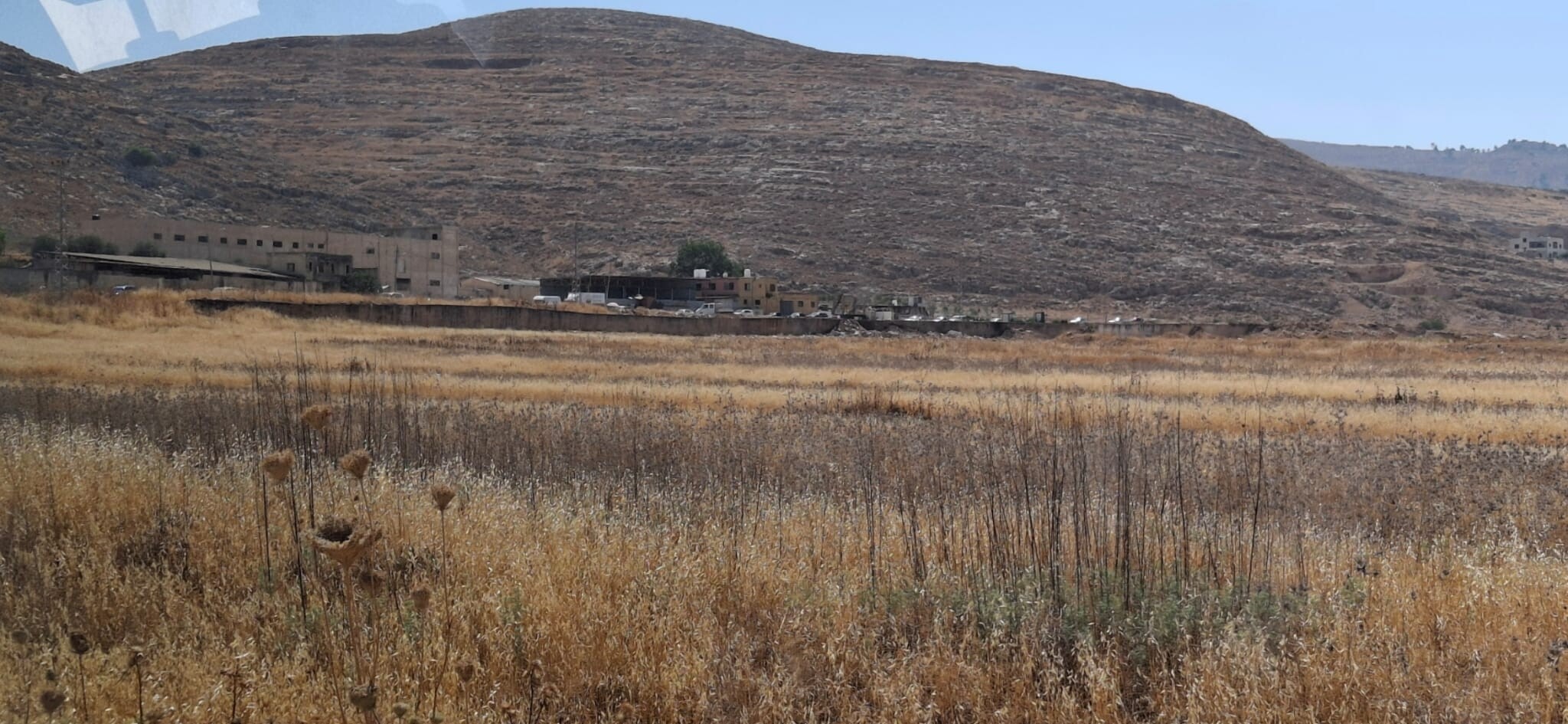
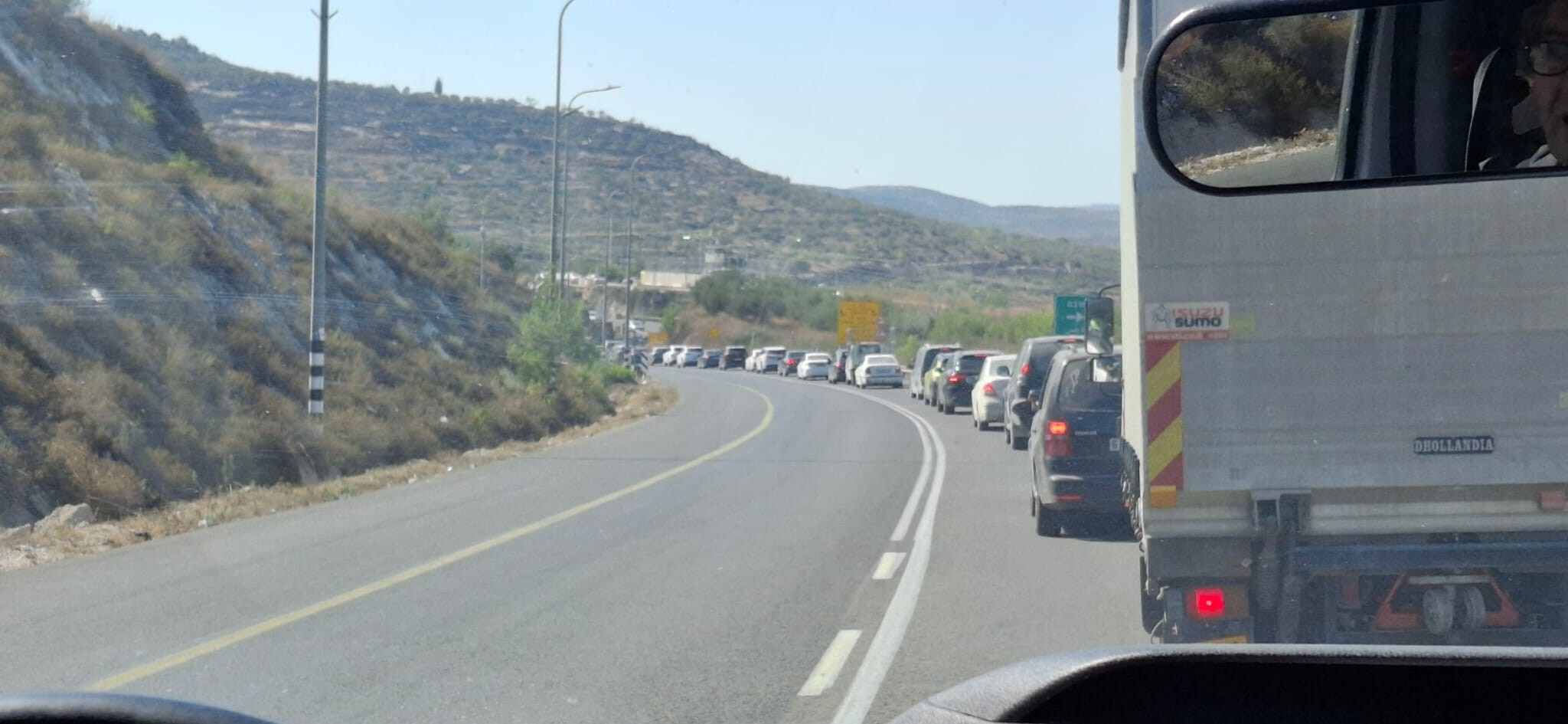
Awarta Checkpoint – An extremely long line of vehicles in both directions because of the demanding inspections. People are roasting in the sun.
Beit Furik Checkpoint – A traffic jam which almost reaches Nablus…
Burin – The checkpoint between Nablus and Burin (al-Muraba’ah) is open, vehicles are passing through.
On our way back on the road of Yitzhar – Jit junction, there was a huge traffic jam because the soldiers were checking the Palestinian cars. It took us almost half an hour being stuck in traffic although the lords with yellow license plates skirted the line, because they deserve it.
Location Description
'Awarta
See all reports for this place-
Awarta, an internal checkpoint in the heart of the West Bank, is located east of the Hawara checkpoint, at the junction of Roads 555 (which was forbidden for Palestinian traffic in this area) and the entrance road to Nablus. It was one of the four checkpoints that surrounded Nablus until 2009. We used to watch it at Huwwara shifts because it was the only one where goods could be transferred to and from Nablus, using the back-to-back method. It was operated by the army, from 06:00 to 20:00. Until 2009.
 Ronit Dahan-RamatiJan-6-2026Awarta: Traffic jam on the way to Nablus
-
Beit Furik checkpoint
See all reports for this place-
One of the three internal checkpoints that closed on the city of Nablus - Beit Furik to the east, Hawara to the south, Beit Iba to the west. The checkpoint is located at the junction of Roads 557 (an apartheid road that was forbidden for Palestinians), leading to the Itamar and Alon Morea settlements and Road 5487. The checkpoint was established in 2001 for pedestrians and vehicles; The opening hours were short and the transition was slow and very problematic.Allegedly, the checkpoint is intended to monitor the movement to and from Nablus of the residents of Beit Furik and Beit Dajan, being the only opening outside their villages. Since May 2009 the checkpoint is open 24 hours a day, the military presence is limited, vehicles can pass through it without inspections, except for random inspections. (Updated April 2010)
-
Burin (Yitzhar)
See all reports for this place-
Burin (Yitzhar)
This is a Palestinian village in the Nablus governorate, a little south of Nablus, on the main road passing through the West Bank. The settlements: Yitzhar and Har Bracha, settled in locations that surrounded the village, placed fences so it is cut off the main road.
There are around 4000 inhabitants. Most of them are engaged in agriculture and pasture, although many graduates of the two secondary schools continue to study at the university. Academic positions are hardly available, they find work as builderd, or leave for the Gulf countries.
The village lands were appropriated several times for the establishment of Israeli settlements and military bases, and as a result, Burin's land and water resources dwindled. lSince 1982, more than 2,000 dunams of village land have been declared "state land" and then transferred to Har Bracha settlement.
Over the past few years and more so since 2017, the villagers have been terrorized by the residents of Yitzhar and Har Bracha, the Givat Ronen outpost and others. Despite the close proximity of soldiers to an IDF base close to one of the village's schools, residents are suffering from numerous stone-throwing events, vehicle and fire arson, also reported in the press.
In 2023, the prevention of the olive harvest in the village plot was more violent than ever. Soldiers and settlers walked with drawn weapons between the houses of the village and demanded that people stop harvesting in the village itself and in the private plots outside the village. The settlers from Yitzhar and Giv'at Roned raided the olive groves and stole crops. 300 olive trees belonging to the residents of Burin, near Yitzhar, were uprooted. The loss of livelihood from the olives causes long-term economic damage to the farmers' families, bringing them to the point of starvation.
(updated for November 2023)
-
Duma
See all reports for this place-
Duma
A village in the Nablus governorate, with 3,000 residents. They owned some 18,000 dunams, 500 dunams of which the village itself was built. However, after the settlement of Migdaleim annexed a large part of their land, their area was reduced to only 2,000 dunams.On July 31, 2015, two houses in the town were torched with petrol bombs. Sa'ad and Riham Dawabsha, and their infant, Ali Sa'ad Dawabsha, were burned to death. Another son was seriously injured. "Revenge" and "King Messiah" were spray painted on the walls of the house. The trial of the arsonist, the settler Amiram Ben Uliel, is still underway (2019), and a plea bargain was signed in May 2018 with the minor who participated in the planning of the arson.
The closure imposed by the army, the poor roads that they are forced use due to the lack of paving permits from the Civil Administration, along with the lack of public transportation, all these difficulties cut off the village from nearby Nablus and Ramallah.
-