
Ferisiya: Settlers confiscated 10 goats and returned them


08:00–14:00
We leave for the pasture in the Farisiya area with the herdsman and his father. Today we go eastwards (towards Jordan) and southwards towards the settlement of Shadmot Mehola.
It is impossible to get anywhere near Shadmot Mehola. The last time an attempt was made, the settlement’s military security coordinator seized 10 goats from the herdsman’s flock.
The shepherd is required to file a complaint with the Benjamin Police Department. You can imagine what happened with the complaint. In the end, the goats were returned. Who can handle strong and independent goats other than Palestinian herdsmen or Bedouin Palestinians?
Once again, we didn’t miss tea time, but today, when we gathered kindling, we realized that the flimsy branches were dry and produced smoke but would not burn as needed for boiling water. They were thorny branches from a plum tree.
Jordan Valley
See all reports for this place-
Jordan Valley The Jordan Valley is the eastern strip of the West Bank. Its area consists of almost a third of the West Bank area. About 10,000 settlers live there, about 65,000 Palestinian residents in the villages and towns. In addition, about 15,000 are scattered in small shepherd communities. These communities are living in severe distress because of two types of harassment: the military declaring some of their living areas, as fire zones, evicting them for long hours from their residence to the scorching heat of the summer and the bitter cold of the winter. The other type is abuse by rioters who cling to the grazing areas of the shepherd communities, and the declared fire areas (without being deported). The many groundwaters in the Jordan Valley belong to Mekorot and are not available to Palestinians living in the Jordan Valley. The Palestinians bring water to their needs in high-cost followers.
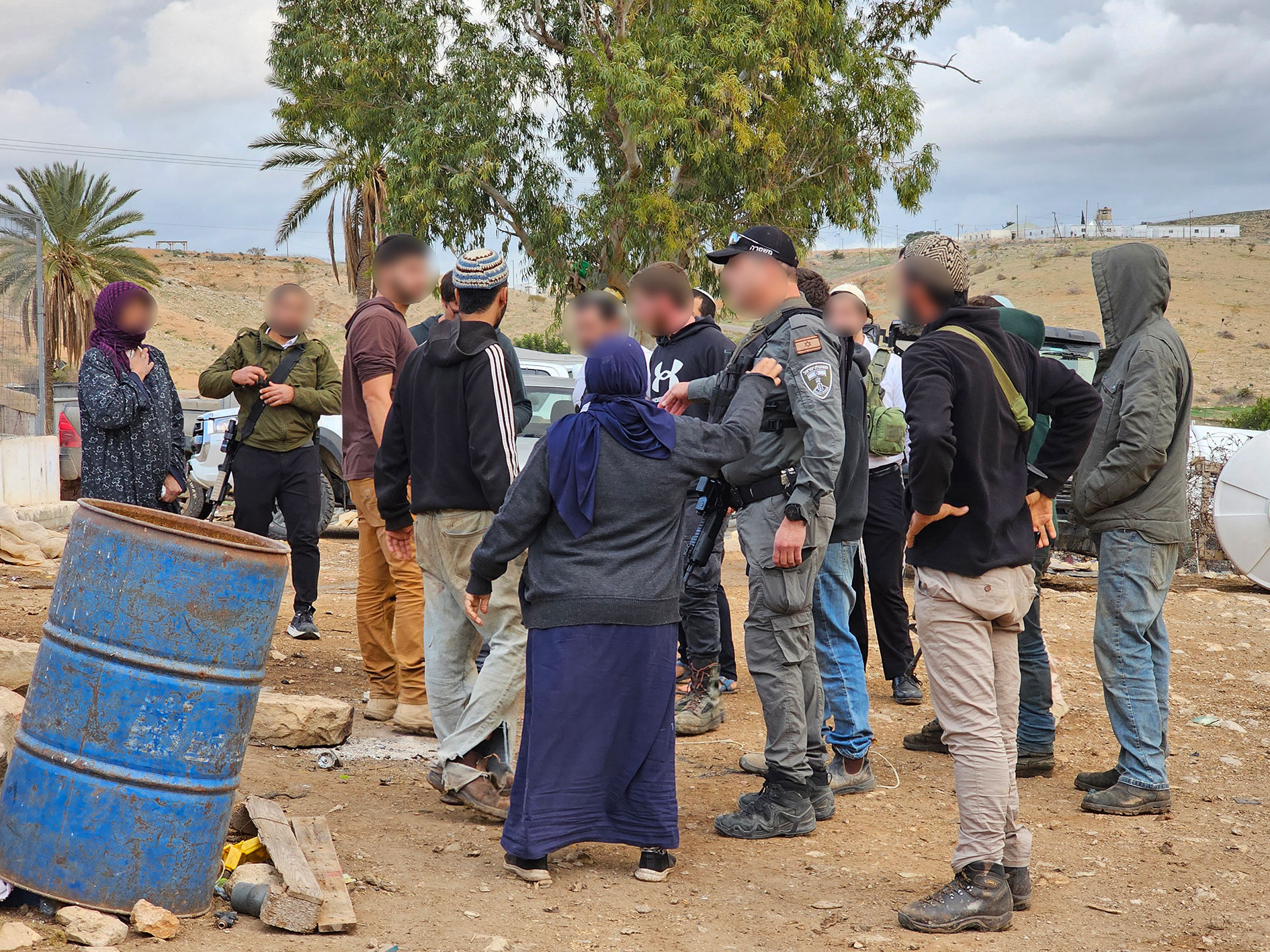 Sarah PostecDec-27-2026Hammam al-Malih: Border Guard and settlers in the compound
-