
Jordan Valley: Palestinians’ flock of sheep stolen and butchered
Two of us arrived for a night shift on Thursday.
At 10 p.m. we had a call from Hammam al Malih, on the way to Tubas, that settlers-colonists were attacking there.
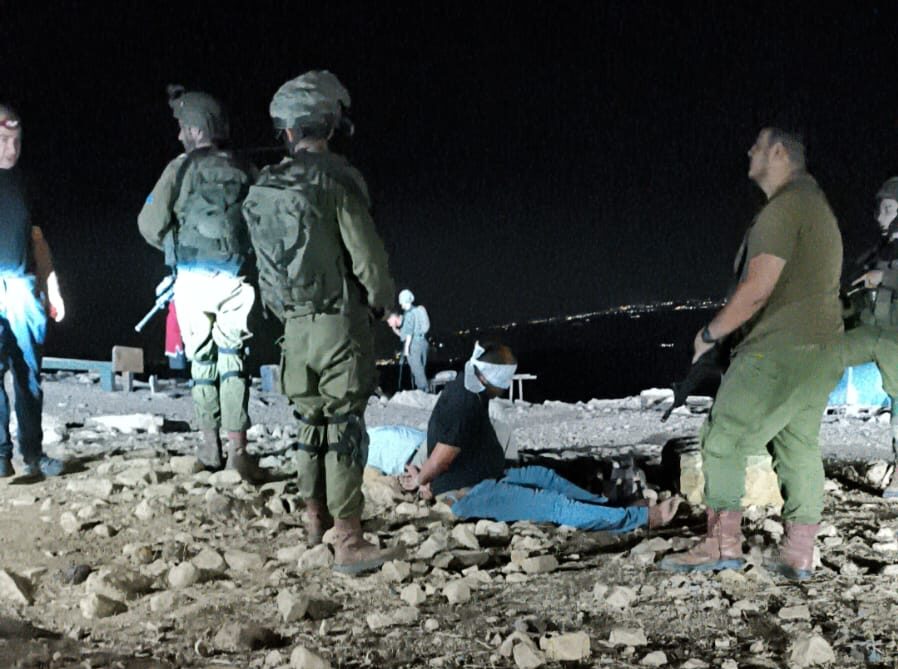
We got there 15 minutes later. Caller A. made us go to the encampment of his brother S., located about 200 meters away. There we saw many military vehicles and numerous settlers-colonists. The soldiers spoke among themselves about detainees. We saw about 10 soldiers and two Palestinians sitting shacked and blindfolded on the ground. We asked the soldiers what was going on and why they are detained, and the soldiers said that the Palestinians were throwing stones at settlers-colonists. We managed to get to the women who said that 4 settlers came to the locality which they call Maita, one beat up S. in the face with a metal rod and shot in the air. The settlers opened the sheep pen containing 350 sheep and stole them. We tried to tell this to the soldiers but they insisted the Palestinians were detained for throwing stones. And not a word about the flock! Apparently, the settlers not only shot and stole, but went to lie and reported to the army about stone throwing, and the Israeli army – “the most moral army in the world” – accepted the settlers’ version.
The settlers continued to arrive from various places and the soldiers spoke with them. With us, members of human rights organizations and protective presence activists, they chased away claiming we were creating a disturbance for the army at work. The soldiers refused to explain to us why they left the settlers and were even on friendly terms with them. We were forced to return to brother A. at Hammam al Malih. We called out contact person with the army and asked him to report the event to the brigade commander. We also called the police. The Palestinians there, who depend on the flock for their living, were upset for it was stolen, but the soldiers refused to let them look for the flock and chase the thieves, and took the detained Palestinians away in a military vehicle.
The brigade commander must have conducted a quick inquiry, realized the mistake and freed the detainees within an hour, but still refused to send soldiers to help the inhabitants look for their sheep in the night. The police did not arrive and we called them 4 times until they bothered to come to the area, went straight to the site without stopping to speak with us and did not bother to come back and hear our version.
In the meantime, the Palestinian shepherds received information that the flock was stolen to the Tzuriel ranch, and again asked the soldiers and police to aid looking for the sheep with our help, but were refused. The policeman called us back after many calls to the hotline, and said he would check whether the sheep are in Tzuriel ranch, but said he saw nothing, and that the Palestinian owners should lodge a complaint with the Binyamin police.
People came from the whole area to hear and console them, everyone was very upset, but they could not look for the flock because of the dark and the risk that they would be shot in the hills if they search without accompaniers.
At 1 a.m. we took S. to the clinic at Ein al Beida to care for his wounds, and a future testimony he could bear at the police, and again we got a call that the flock was loaded onto a truck at the ranch. We accompaniers waited beneath the ranch but no truck came, and we told the Palestinians we were returning to Al-Farisiya, and they should notify us if they hear anything.
They didn’t, but we found out that at 4 a.m. the Palestinians were informed that the sheep were in Wadi Shaq, near Al-Farisiya. They went out to look for the flock at dawn. The sight they discovered was terrible – butchered sheep, some knifed and some shot dead.
At 5 a.m. when we came out to graze with A., we were called by M. and asked to go with them into the hills. There we saw the horror – about 20 dead sheep. The Palestinians continued to look for their flock and soon the picture was clear – 118 butchered sheep, about 85 wounded. Only 100 were left whole, the rest not found. Perhaps stolen.
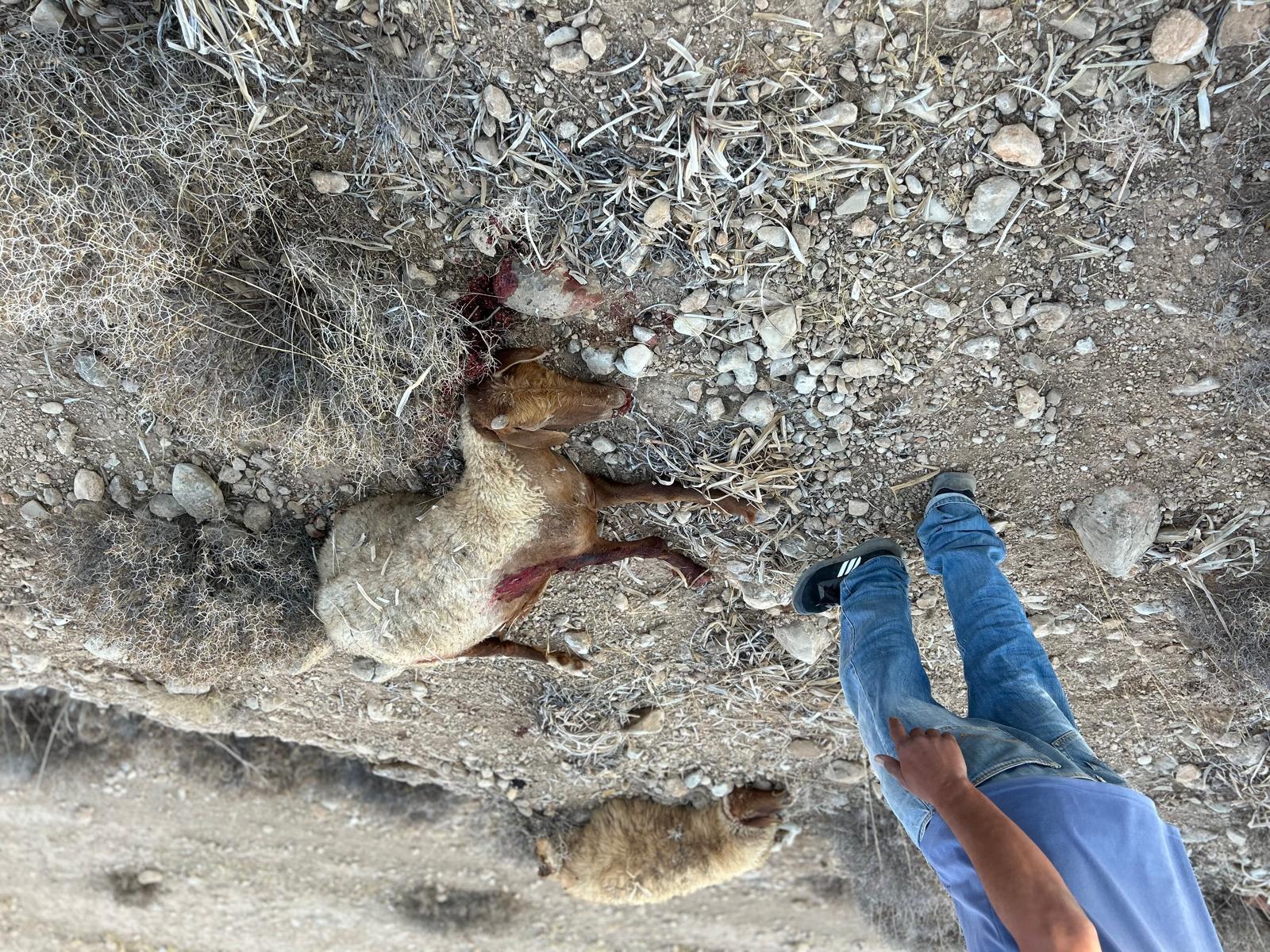
The settlers must have tried to bring the sheep to the ranch owner who refused to receive them for he had no room for flocks, so in their anger since they found no way to hold on to them, they decided to butcher and shoot them.
We went back to Maita where everyone was upset, having gone out to collect the bodies of the dead sheep, bring back the wounded ones and inject them with medication to try and save them, and concentrated the whole ones in a different pen. They also opened a mourning tent, and one of them asked a question that remained etched in our minds – “What have the settlers against the sheep, what did the flock do to them, did it disrupt their lives?”
We summoned the police again and a policeman came, photographed and took short testimonies, but repeated that a complaint must be lodged with the Binyamin police. The army sent a company in the afternoon to look into the matter, and inhabitants passed on their complaint to Yesh Din.
Grazing in other areas went relatively unhampered on Friday and Saturday, but trauma persisted and the inhabitants of all localities on the way to Hammam al Malih decided to transfer their flocks to Area A in order not to have their source of livelihood stolen.
The settlers go on in peace and safety – none of them have been detained nor interrogated.
Inhabitants asked us to spend nights there too and we began shifts of protective presence beginning with that day in those places as well.
Friday night passed peacefully.
Saturday night we were called 3 times, at 6 p.m., 8 p.m. and 11 p.m. to Al Burj, about 2 kilometers away near Tyassir, in the Tubas area. Apparently, the owner of the outpost was riding around with a vehicle and its on and off light, making frightening rounds. We left our phone numbers to the local inhabitants to call us in case he comes back.
The settlers who apparently had their way these days did not continue harassing at night. We left in the morning when the next shift arrived.
Is there any chance the Palestinian shepherds get reimbursed for their flock somehow? May the butchers of the sheep be caught? Will anyone be tried for this? The answer written on an unseen wall is – no! There is no value either to Palestinians’ lives nor to their flocks’. The State of Israel has decided they must leave – where to? In the meantime, it tries to chase them out and crowd them into Area A. And then where, perhaps as in the Gaza Strip? To Jordan?
Ethnic cleansing is working, and fast.
Location Description
Jordan Valley
See all reports for this place-
Jordan Valley The Jordan Valley is the eastern strip of the West Bank. Its area consists of almost a third of the West Bank area. About 10,000 settlers live there, about 65,000 Palestinian residents in the villages and towns. In addition, about 15,000 are scattered in small shepherd communities. These communities are living in severe distress because of two types of harassment: the military declaring some of their living areas, as fire zones, evicting them for long hours from their residence to the scorching heat of the summer and the bitter cold of the winter. The other type is abuse by rioters who cling to the grazing areas of the shepherd communities, and the declared fire areas (without being deported). The many groundwaters in the Jordan Valley belong to Mekorot and are not available to Palestinians living in the Jordan Valley. The Palestinians bring water to their needs in high-cost followers.
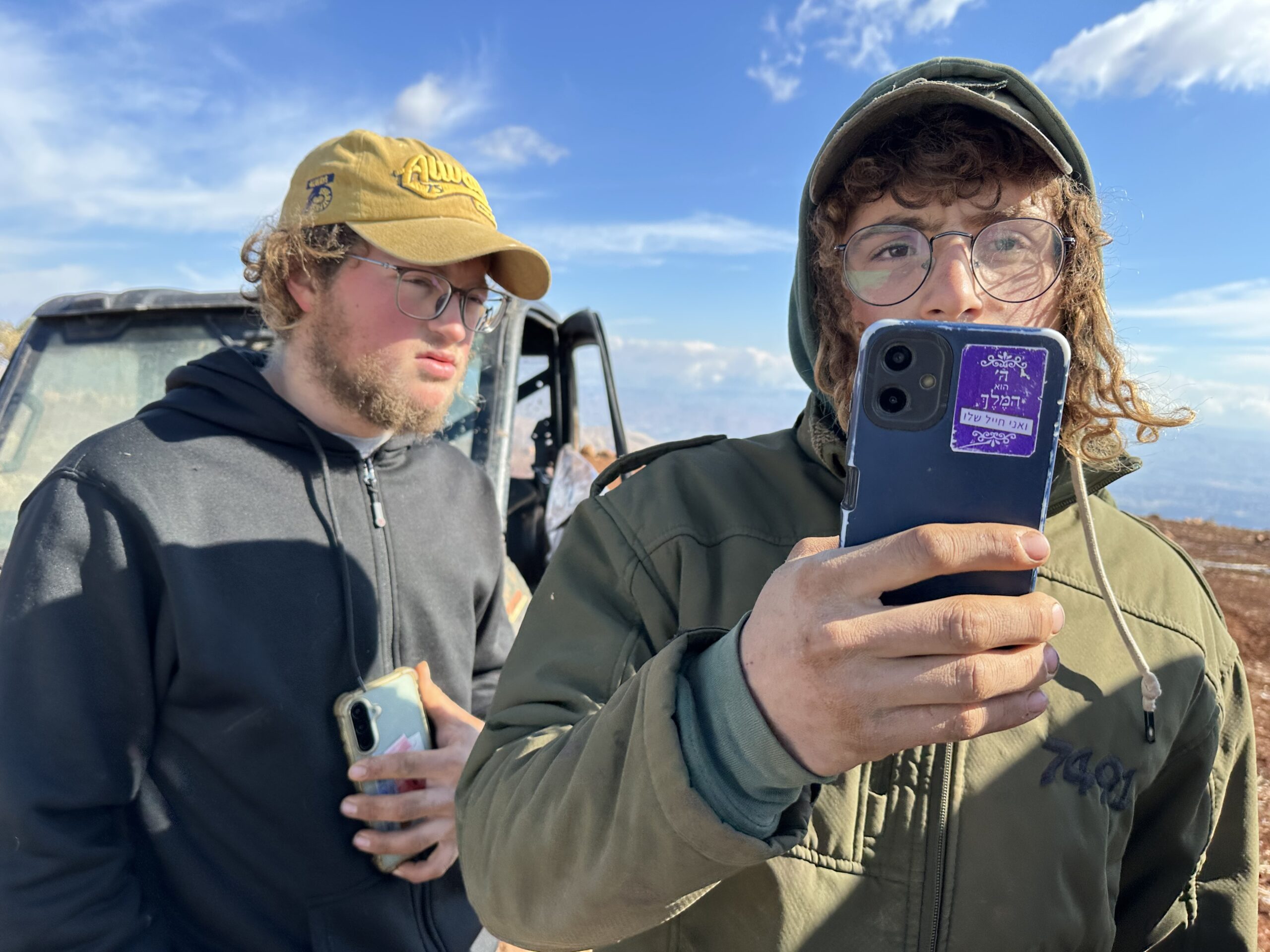 Nurit PopperDec-16-2027Nurit is threatened by settlers from close range.
-