
Jordan Valley: Settlers make Rounds of Intimidation among Palestinian Communities
Saturday, October 11, 2025
The Shabbat routine is already known – throughout the morning and until evening, the settlers rest from their exertions and harassment during the week. In the evening, they set out from various locations to intimidate, pester, and attack the herdsmen. In their eyes, this is fulfilling the precepts of God, who bequeathed Palestinian lands exclusively to the Jewish nation. It was quiet again this morning, but there’s tension in the air nonetheless. There’s no knowing when and where evil will erupt.
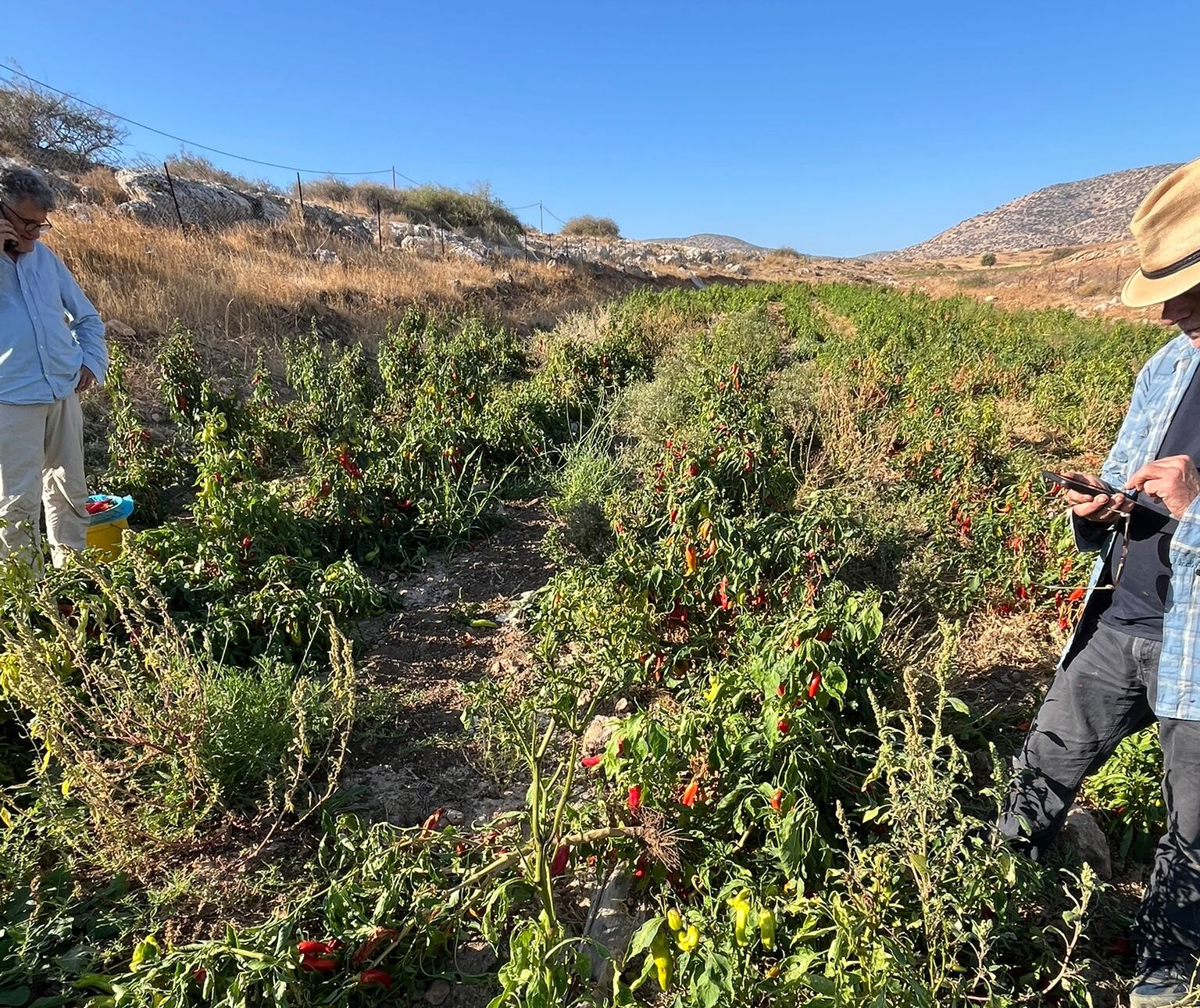
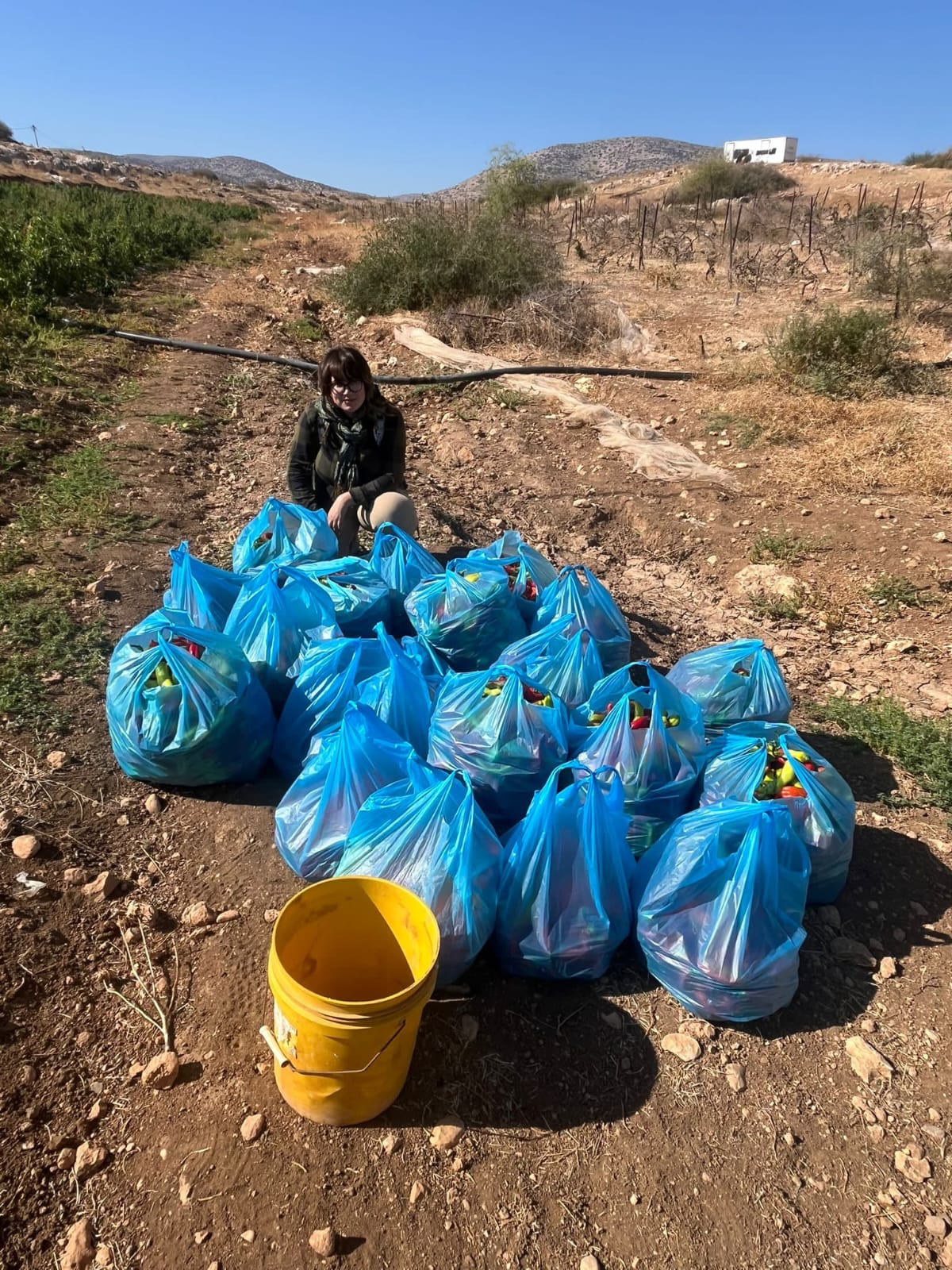
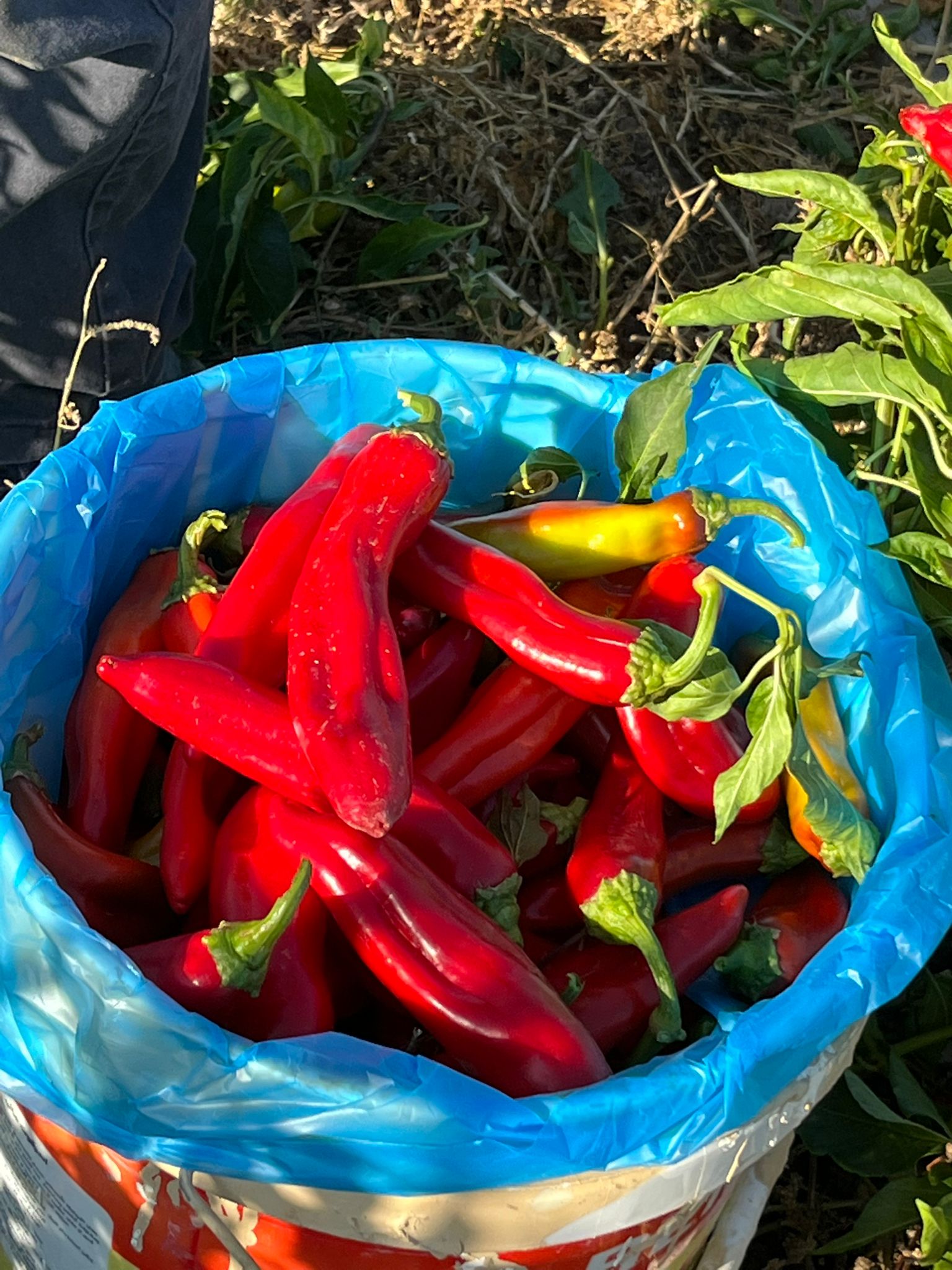
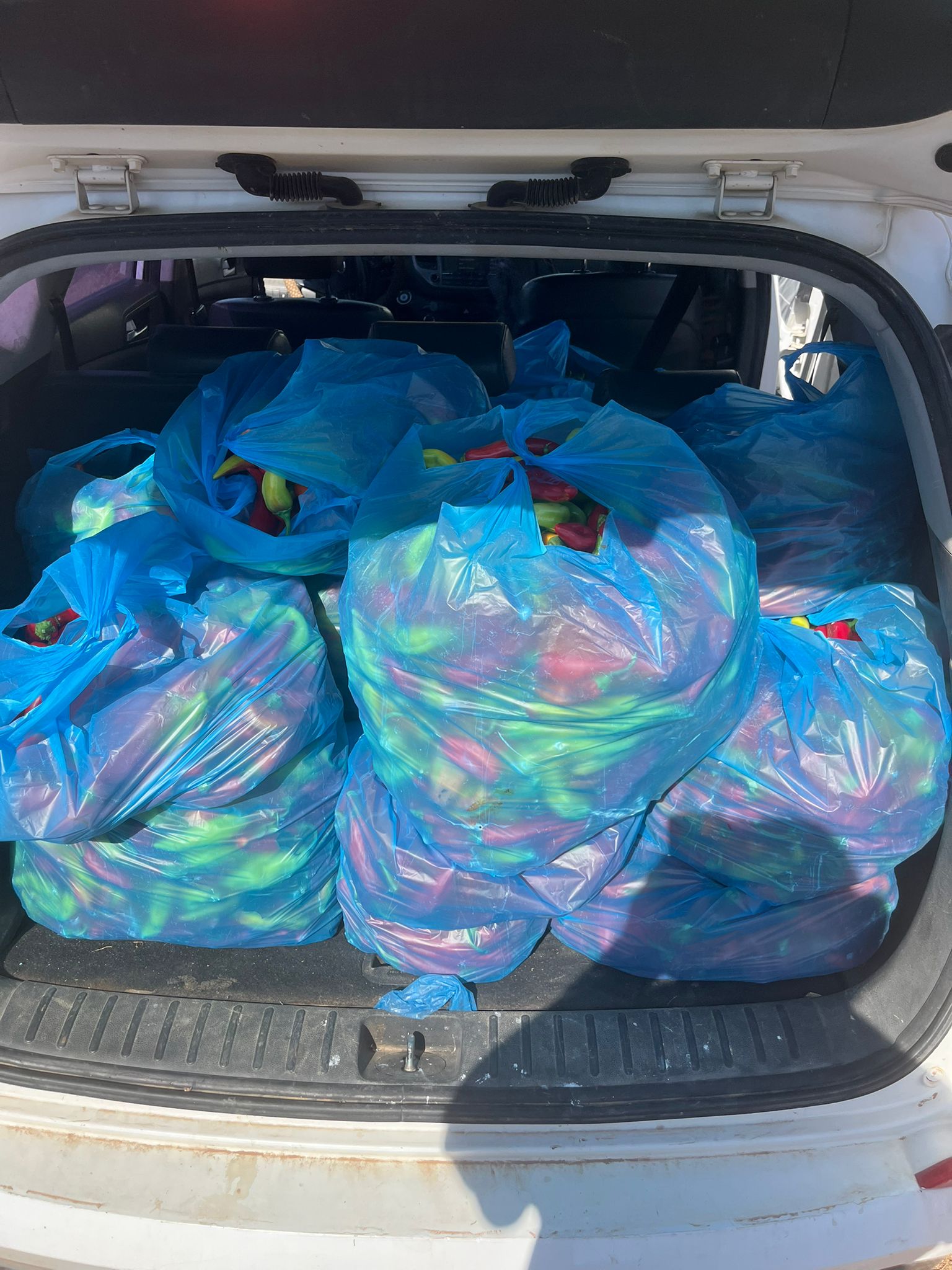
At Bardala, two escorts accompanied farmer M on his way to irrigate the fields and even agreed that volunteers would come to pick peppers during the second Sukkot holiday as their workers feared for their lives because of the settlers from the outpost near the fields.
There was no interference at the spring where two herds of cattle that had remained in Ein al-Hilwe were taken to drink. The escorts who had gone with the herdsmen to the fields near Mehola remained until 1:00 p.m., when the herds returned, drank their fill at the nearby spring at En al-Hilwe, and went for their afternoon rest. The herds from El-Farisiya that were still at Sukkot spring enjoyed the pleasant autumnal breeze, and grazed until 10:30.
At Al-Farisiya, the escorts who had remained as a protective presence (staying round the clock in the herdsmen’s villages) whiled away the morning and afternoon with the people, chatting and drinking tea and coffee.
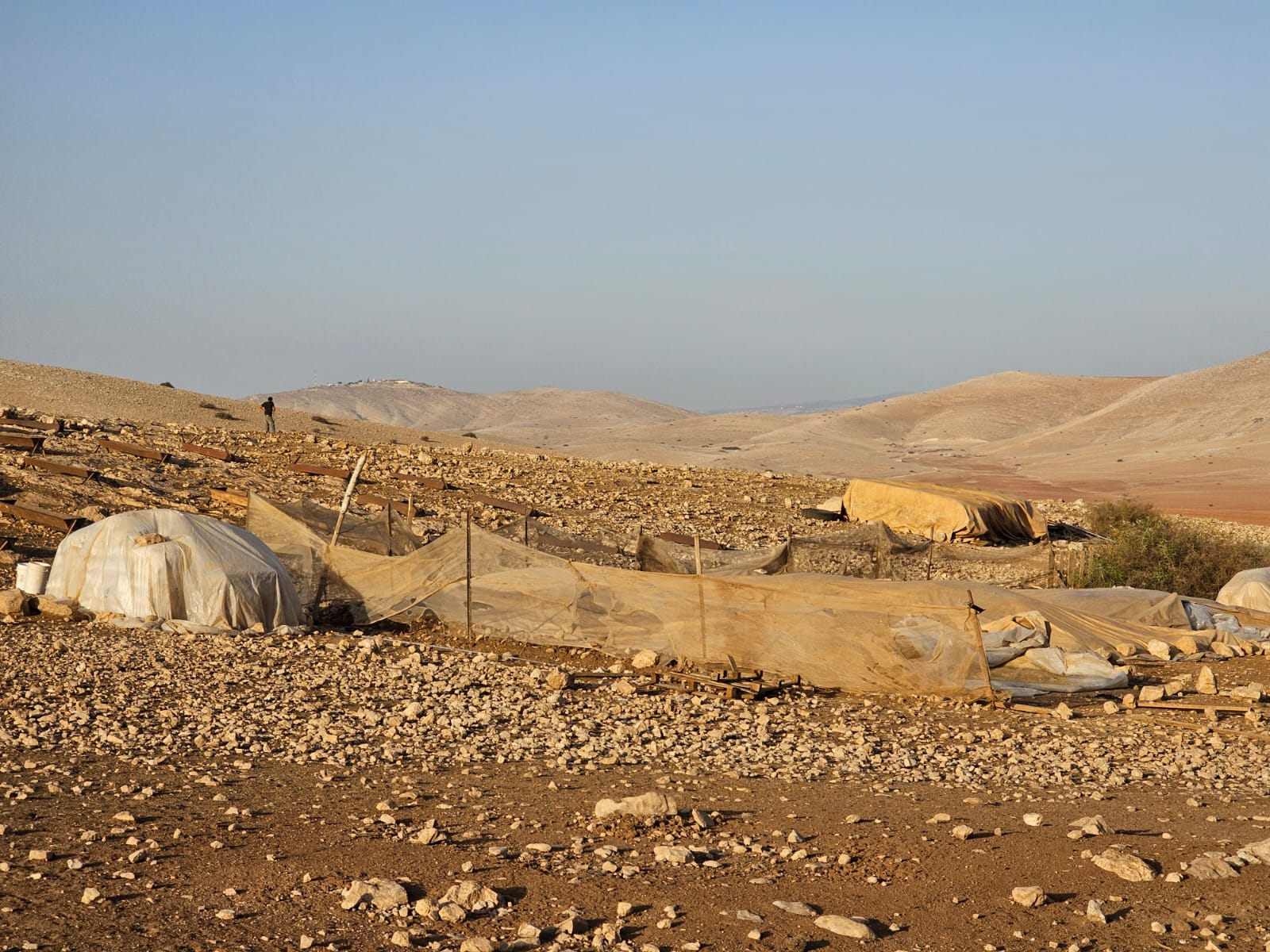
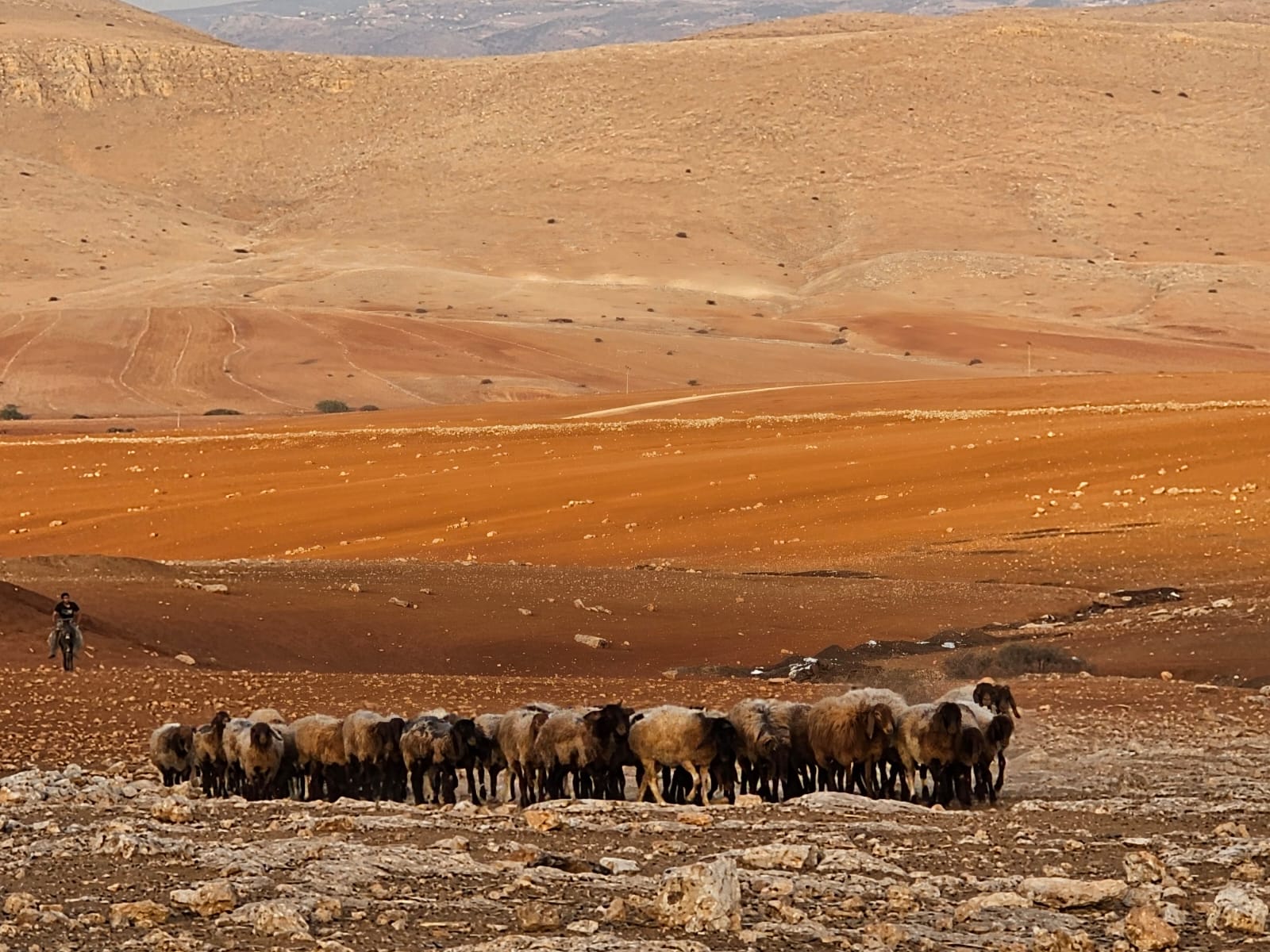
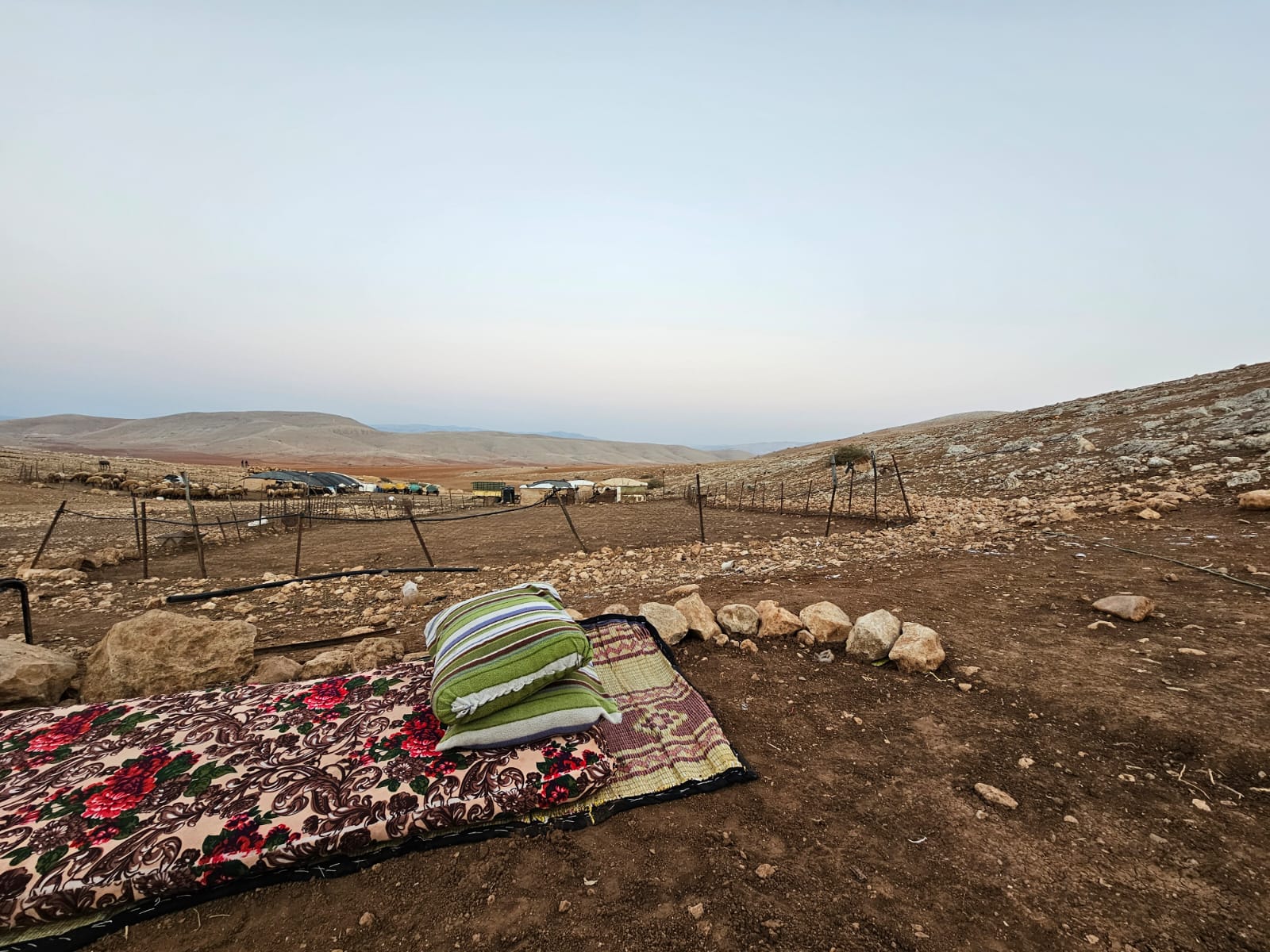
It remained calm during the early afternoon and it appeared that nothing would happen that day. But at 5:00 p.m., there was a call from Humsah, a village close to Beqa’ot settlement that is bothered by settlers in Neria’s outpost. They called us because ATVs were driving around close to their herds and one of them was even getting close to their homes.

We drove there quickly but by the time we arrived, the settlers had already left. The villagers told us that the protective presence is helpful. When the settlers see our cars, they don’t come close, for the time being. They asked us to stay the night and it was decided we’d stay because the international shift was not there on Shabbat and maybe we could prevent night attacks if and when they happened.
At 7:30 p.m., we received a called from the herdsmen of Khalet Makhul, a Palestinian village next to the Hemdat settlement. Settlers had broken into the yard and the villagers were afraid they had come to steal. Our hosts at Humsah were angry about the change in plan, but there was no choice because the night shift had not yet arrived. But we promised to come back.
We drove to Khalet Makhul and it turned out that the settlers had already completed their rounds of intimidation. We sat down and drank a courtesy coffee and asked them to let us know if the settlers or army came near. We agreed that the escorts at Ein Al-Hilwe would come due to their proximity to Khalet Makhul.
At 8 p.m., on our way back to Humsah in the dark, we missed the fork in the road and none of the landmarks we’d made were any help. Fortunately, the herdsmen saw us in the distance and guided us back, while laughing about the state of the winding road that’s not at all clear in the dark.
We went to sleep and the night passed undisturbed.
Sunday, October 12, 2025
At 5:00 a.m., we left on our way back to the other side of the Green Line, to the “city that never sleeps,” where people have no idea what’s happening an hour or two away from them. Maybe one day, peace will break out, and then we’ll take an interest in each other’s lives, we’ll speak both languages, and drink the tea and coffee of peace. Insh’allah.
I doubt it will happen in my lifetime.
Location Description
'Ein al-Hilwe
See all reports for this place-
Ein al-Hilwe is a natural spring and a Palestinian grazing area in the Jordan Valley that was used by the Palestinian shepherd communities for watering their flocks and for daily use. As of 2021, settlers from the Maskyot settlement took control of the spring: they fenced it off, built a wading pool and a mikveh, and installed flags and recreational facilities.
Palestinians are effectively denied access to the spring, and are forced to make do with running water in a remote wadi or, when the road is blocked, buy water from vendors at high prices.
The spring is located in the heart of an area where illegal outposts are being established, as part of a broader trend of pushing Palestinian communities away by denying them access to essential resources. Neighboring communities such as Umm Jamal and Khirbet Samra have already left due to the pressure.
Over the years, MachsomWatch members have reported arrests on false claims by settlers, harassment and violence, including damage to herds, intrusion into homes, and the intimidation of children. MachsomWatch volunteers participate in a protective presence in areas around the spring to prevent harassment of shepherds due to the presence of settlers.
-
Bardala
See all reports for this place-
A relatively large township in Area B in the northern part of the Valley, home to about 300 families of farmers and other families. The villages of Bardala and Kardala, located nearby, sit on a very large reservoir of groundwater. In 1968, an "agreement" was signed between the occupier (represented by the Mekorot water company) and three villages (including Ein al-Bida), stipulating that in exchange for their agreement to stop pumping water their wells, Mekorot would establish its own pumping stations on their land and allocate them a "generous" quota of waterinfo-iconfor at the cost of pumping only (a few cents per cubic meter). Over the years, Mekorot violated the agreement, decreased the quotas drastically (from 240 cubic meters per hour to 100 and sometimes 40 cubic meters), and quadrupled the price. The residents refused to pay, and the PA paid for them. In late 2024, the army began paving a new road around Karbala and Bardala. According to the plan, the road will surround and Karbala from the south and Bardala from north and west, and finally turn east to Highway 90. The road will completely surround Bardala on all sides, cutting off the village from all its lands and imprisoning the village within its boundaries. The residents will no longer be able to come and work their lands freely. Our friends were unable to see the roadworks because the army had set up a checkpoint on the road to the new route.
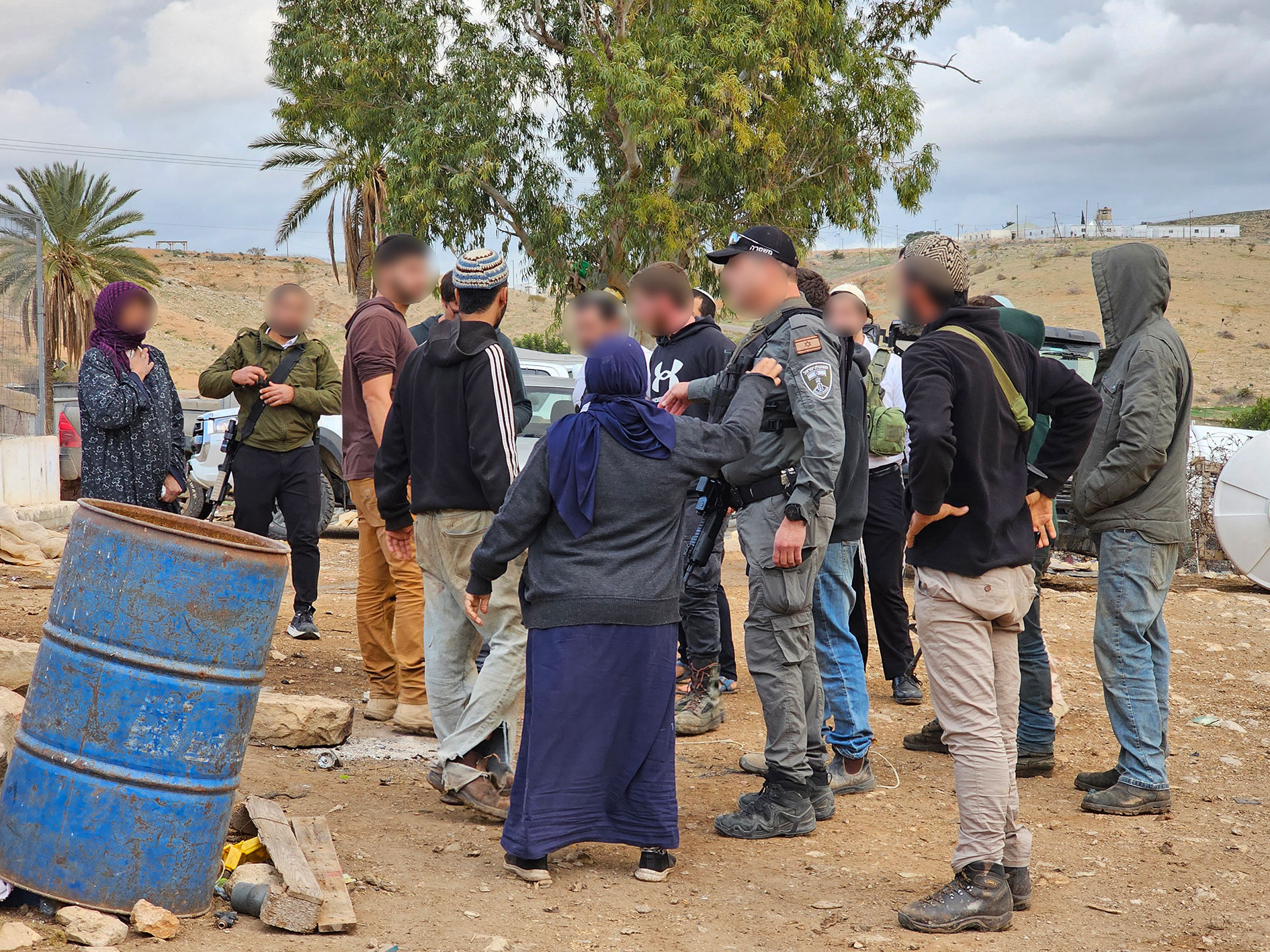 Sarah PostecDec-27-2026Hammam al-Malih: Border Guard and settlers in the compound
-
Humsah
See all reports for this place-
Humsah
A shepherd community in the Jordan Valley. It is located in a remote place in Area C. There are no convenient ways to reach it. Its inhabitants make a living from their flocks. Like other shepherd communities, they live without basic infrastructure. This shepherd community is exposed to settler harassment and demolition of property by the military through civil administration orders.
Sarah PostecDec-27-2026Hammam al-Malih: Border Guard and settlers in the compound
-
Khalet Makhul
See all reports for this place-
Khalet Makhul
A small settlement of a shepherd community located on the way to the settlement of Hemdat. Two nearby outposts make life miserable for the Palestinians, who make a living from grazing, and the army backs the settlers. As a result, the possible grazing areas are getting smaller.
The local children attend school in the settlement of Ein Al-Beida. Long lines of 3 hours sometimes stretch out at the Hamra and Tayasir checkpoints leading to the town of Tubas, making it difficult to get water, supplies, and sell the cheese, milk, and meat that the residents produce for their living.
Following a deadly attack at the Tayasir checkpoint in February 2025, the checkpoint was closed completely for the time being.
(Updated March 2025)
-