
Jordan Valley: Where did all the water go?

Happy holiday for the people of Israel celebrating Passover and spending it at Ein al-Hilwe spring that was robbed from the Palestinian Shepherds, at Ein Rina closed to Palestinians, at Ein Al Auja whose name has been changed to Ein Yitav after being robbed from the Palestinian community of Ras Al Ein. And whoever is not at the springs hops over to the seashore, or washes off his sweat in the shower and drinks a lot of water…
Whereas the Palestinians – after the June 1967 war, Israel took over all of the water in the Palestinian Jordan Valley and they may only take the winding dirt tracks in old tankers tied to tractors and go to Area B to get water.
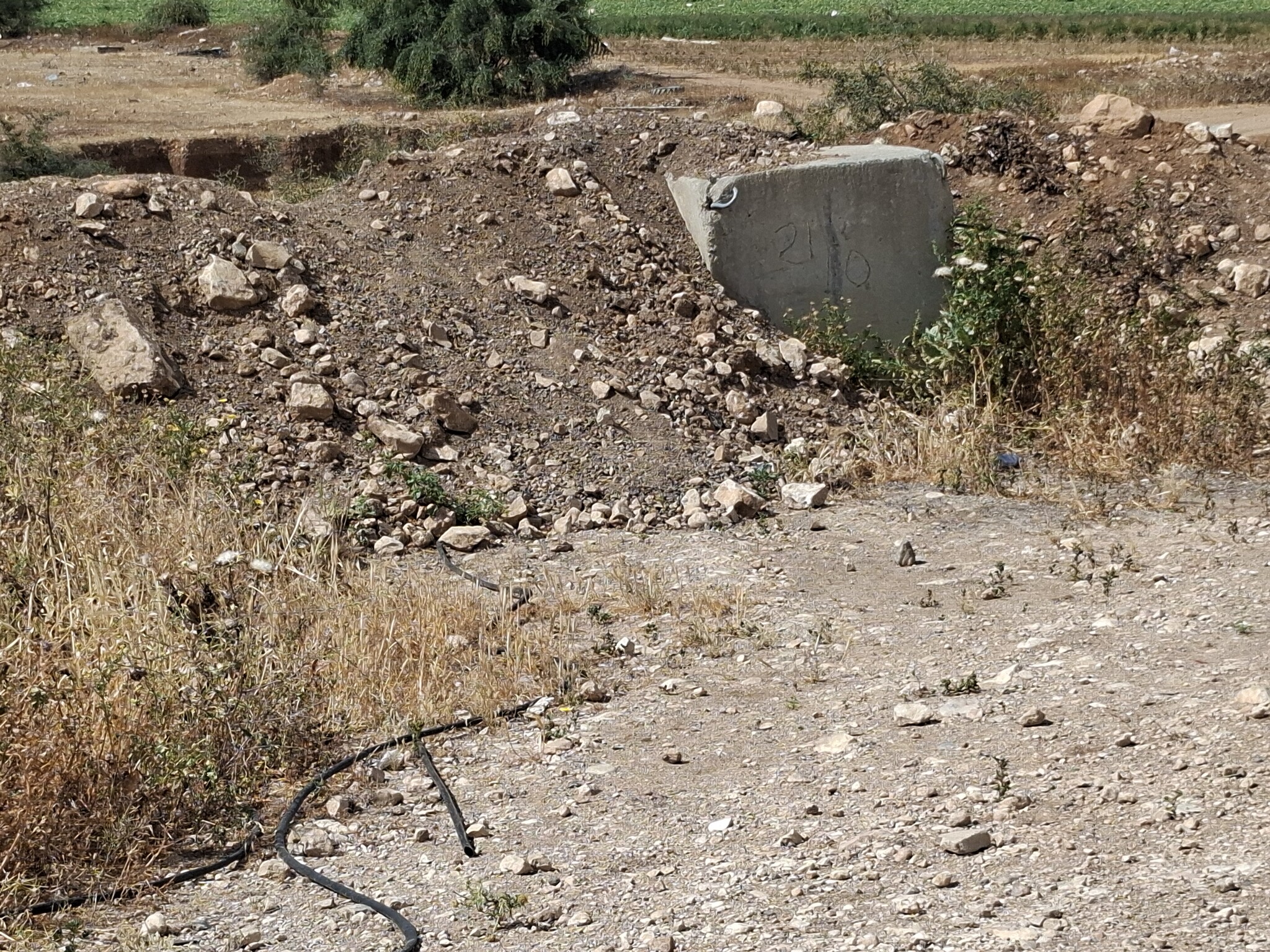
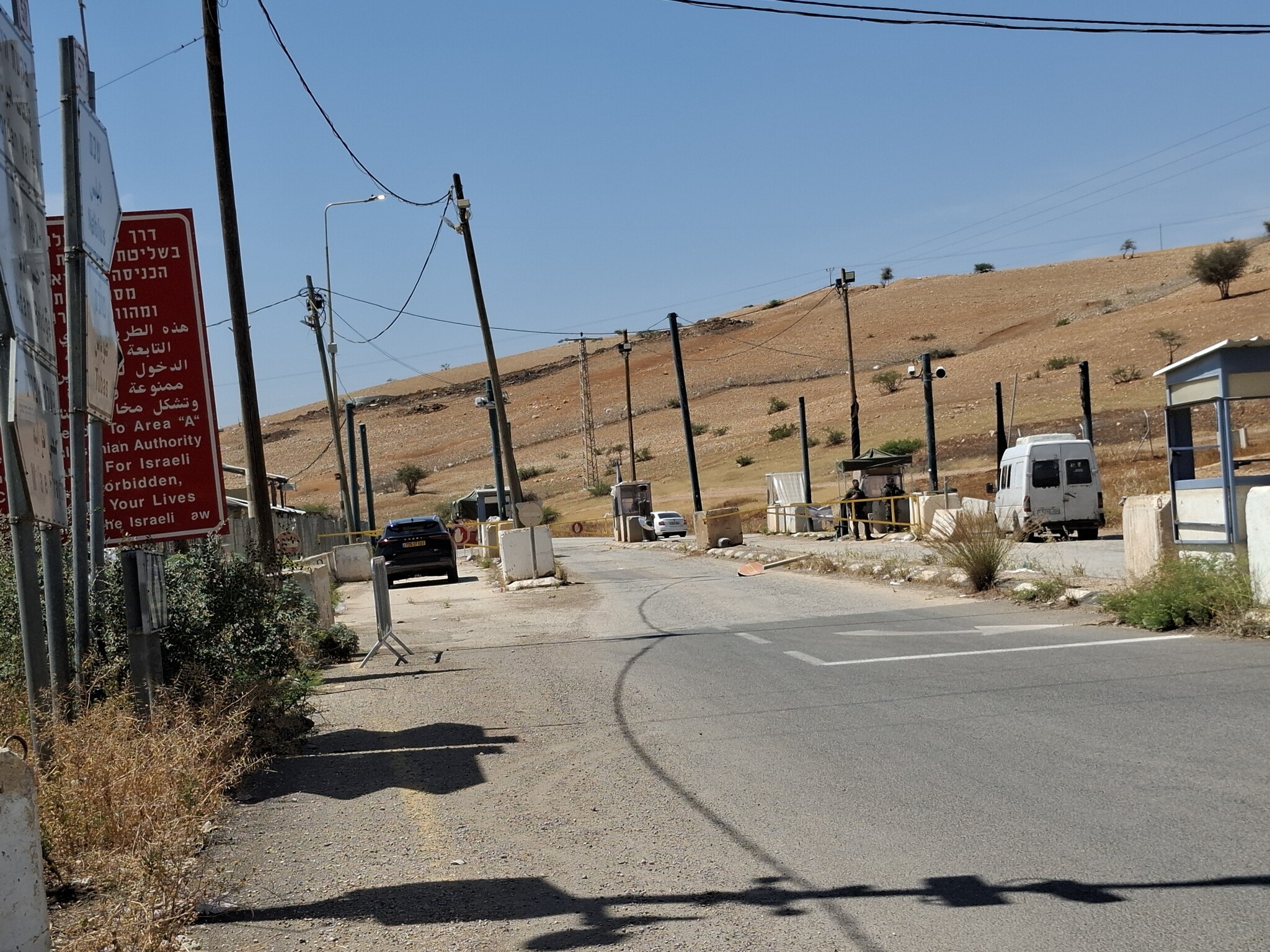
Since war broke out on October 7, Israel has gradually blocked all tracks leading to Area B with plenty of blockades: locked iron gates, giant boulders and dirt dykes. The Palestinians now have to travel a huge distance and are only allowed through the checkpoint, but often soldiers are late the Palestinians must wait an hour or two in order to cross there, and back.
On the eve of the holiday the army closed off the last chance to get water – the checkpoint was closed from morning till evening for the entire holiday. More exactly, it was closed only toward the Jordan Valley. They could go to bring water but not get back home. Moreover, the army has blocked any trail or track, even the furthest ones. Everywhere we visited, people begged us to speak to someone, do something. How can water be denied? To human beings? To animals? And we stood there, ashamed, unable to help for the army has long ignored our cries for help.
Really – how can one prevent people, children, the elderly, animals, from having water – in this heat?
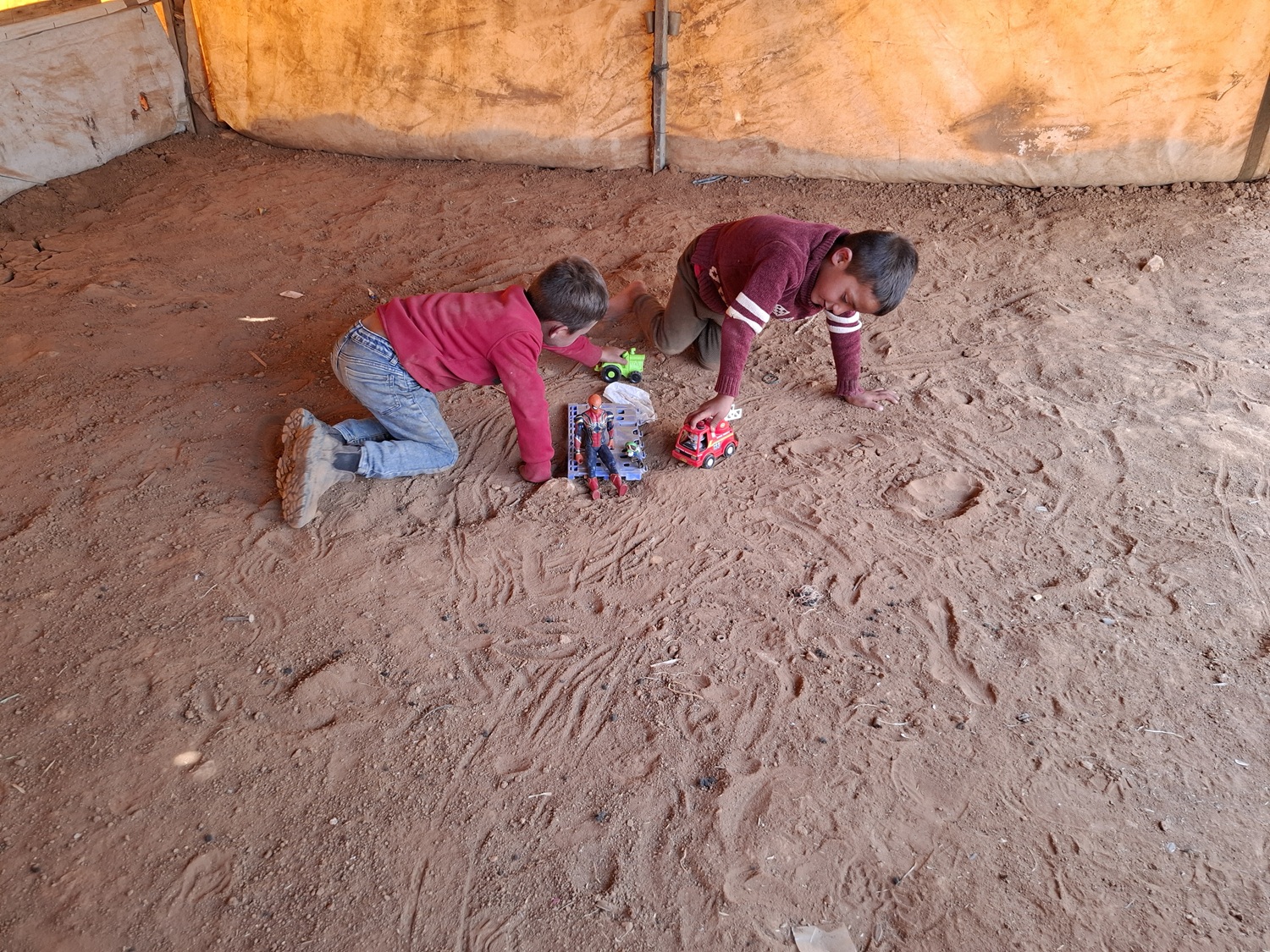
We visited Humsa where Tzvia was warmly welcomed. A. began to sing and dance “Ghazale, Ghazale”… We brought a baby crib, shoes and toys. The children’s joy is hard to describe. The children in the Valley have no stimulus around except for the desert all around and they get excited with any toy that arrives, be it as used as can be.
Now it’s the holiday week and the Palestinian Jordan Valley is full of travelers – all observant Jews with skullcaps, tassels and women with turbans. The springs – robbed by the settlers and closed to Palestinians – are filled with them, the tracks leading to the shepherd communities are treaded by their feet and cars, they pass by the communities and take pictures of the tents, the women and children, and the latter are crazed with fear – afraid that these are settlers (and they really might be) who want their homes and land…
The Palestinians told us about I. who was expelled from his land by violent settlers (see my report of March 6, 2025) and moved with his brother to the Atouf area. A week ago, the army came to his new home in Atouf with bulldozers and destroyed his encampment and sheep pens because he had no building permit.
They are not allowed to live, anywhere!
Location Description
Humsah
See all reports for this place-
Humsah
A shepherd community in the Jordan Valley. It is located in a remote place in Area C. There are no convenient ways to reach it. Its inhabitants make a living from their flocks. Like other shepherd communities, they live without basic infrastructure. This shepherd community is exposed to settler harassment and demolition of property by the military through civil administration orders.
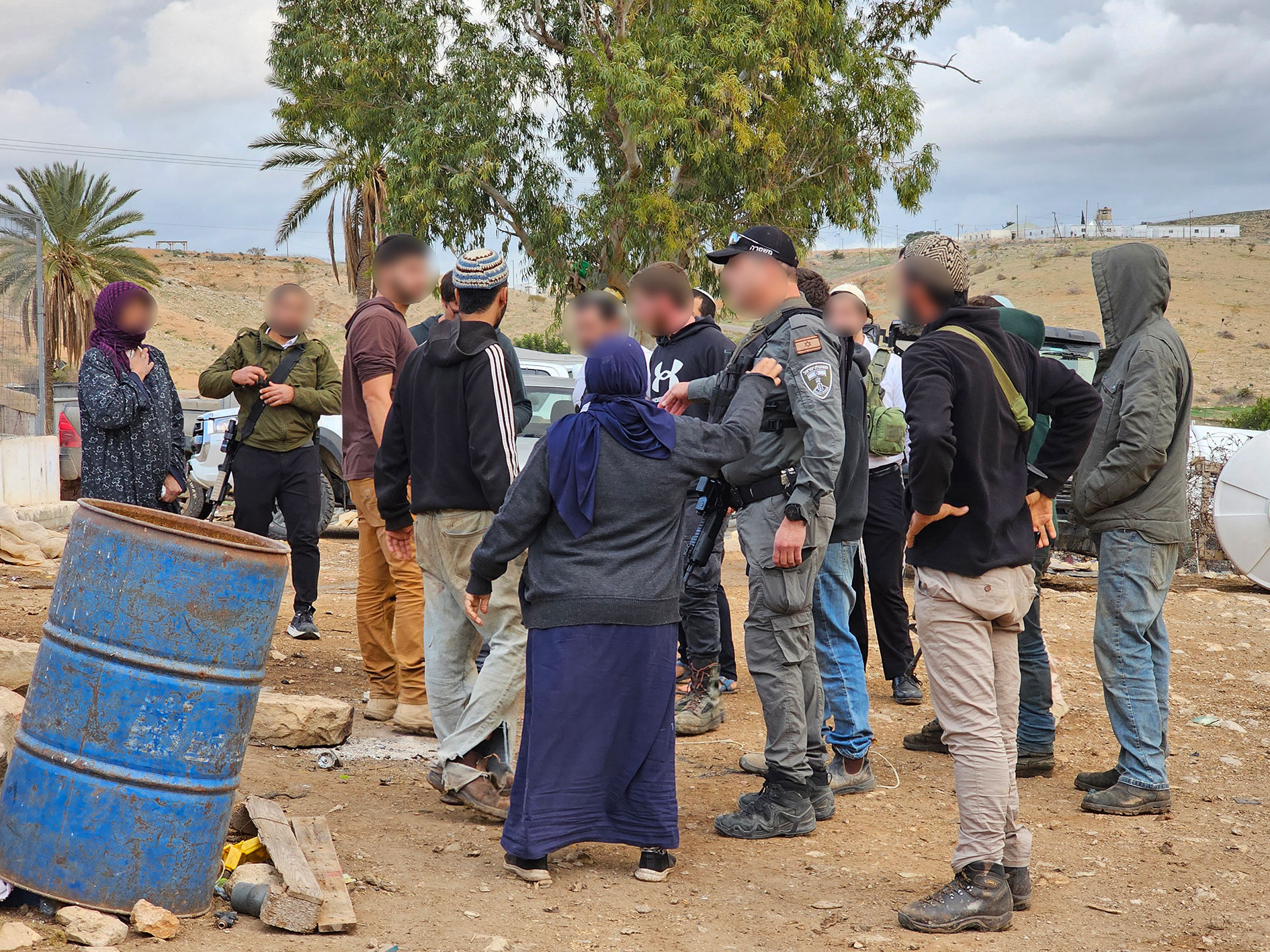 Sarah PostecDec-27-2026Hammam al-Malih: Border Guard and settlers in the compound
-
Jordan Valley
See all reports for this place-
Jordan Valley The Jordan Valley is the eastern strip of the West Bank. Its area consists of almost a third of the West Bank area. About 10,000 settlers live there, about 65,000 Palestinian residents in the villages and towns. In addition, about 15,000 are scattered in small shepherd communities. These communities are living in severe distress because of two types of harassment: the military declaring some of their living areas, as fire zones, evicting them for long hours from their residence to the scorching heat of the summer and the bitter cold of the winter. The other type is abuse by rioters who cling to the grazing areas of the shepherd communities, and the declared fire areas (without being deported). The many groundwaters in the Jordan Valley belong to Mekorot and are not available to Palestinians living in the Jordan Valley. The Palestinians bring water to their needs in high-cost followers.Sarah PostecDec-27-2026Hammam al-Malih: Border Guard and settlers in the compound
-