
Tubas and Samra: Protective Presence: Administrative Detention, terrifying instrument of occupation
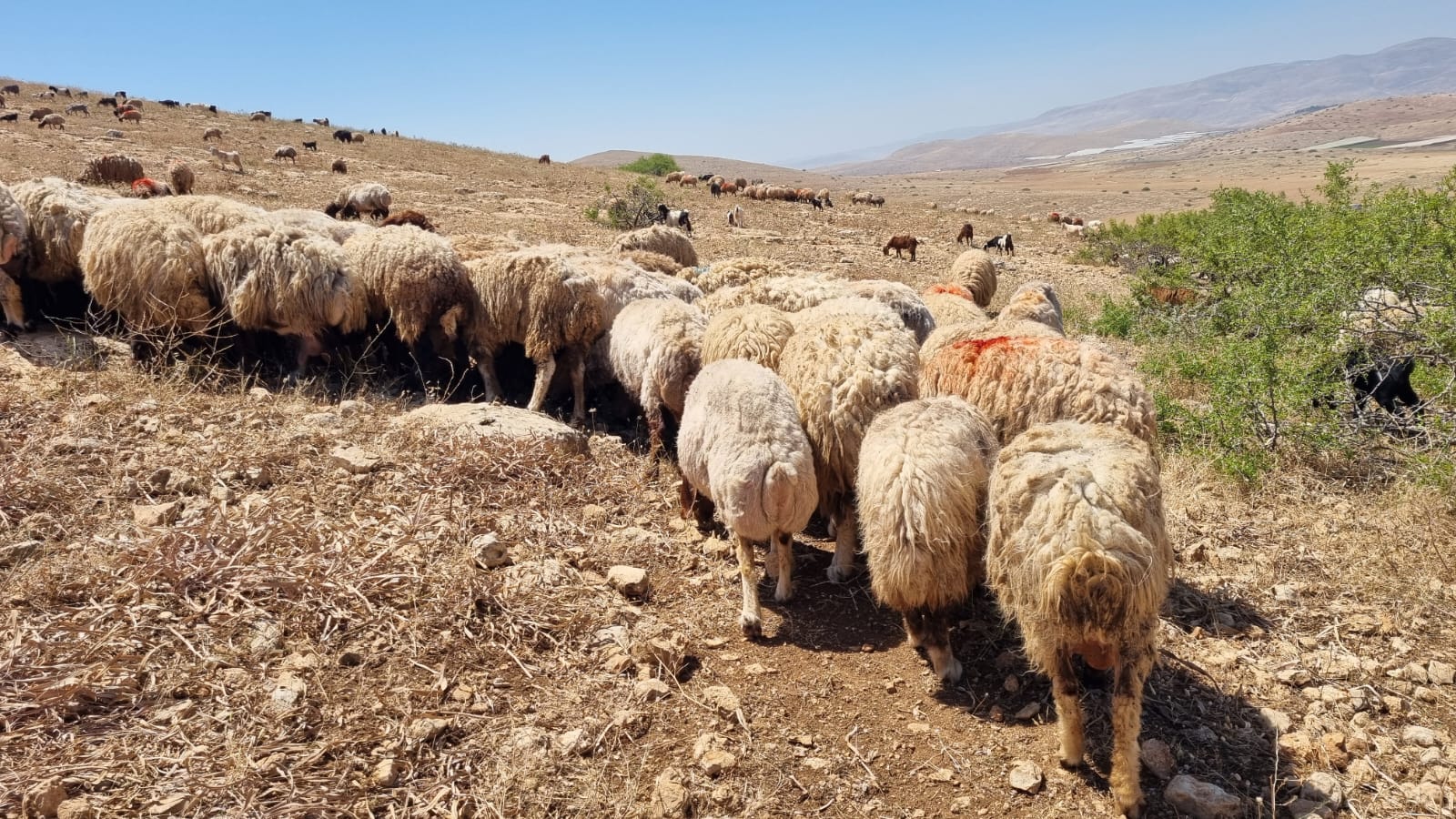
It’s a quiet day, we graze uphill, an area already brown, the scant vegetation already dry. Sheep eat everything up, never complaining.
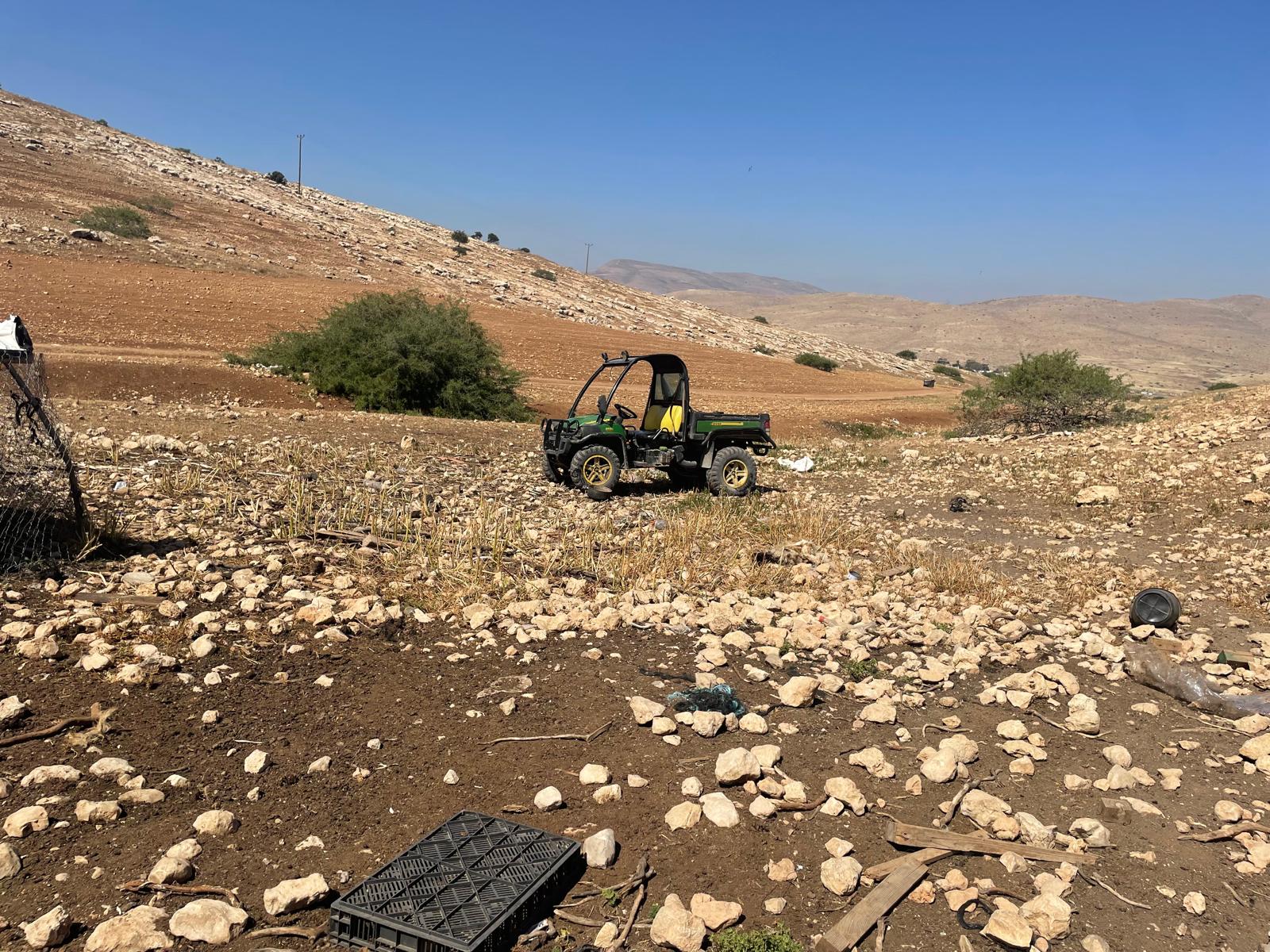
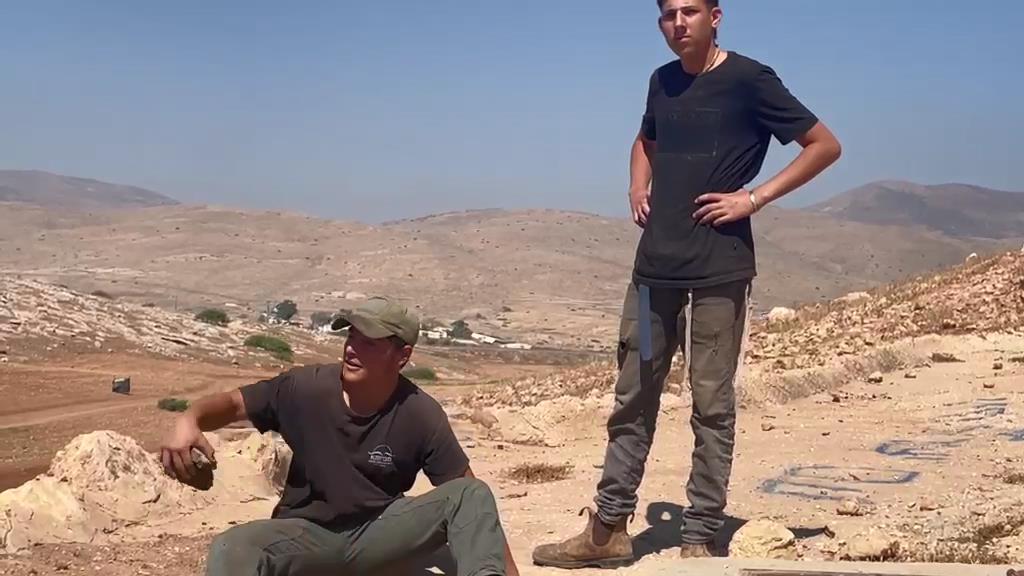
The “boys” from the blue tent come down the new trail to the water hole, the trail they have padded with Israel flags. These are also spread out along the Allon Road, especially the northern part where we are. The boys come down to the water hole, closer to Samra, actually just 100 meters. I try to ask them what they’re doing. No conversation ensues. They make fun of me and my age. They don’t manage to utter a single coherent sentence.
It is unclear what they are supposed to do. One of them digs the ground and the other cannot find his place. The Ranger awaits some distance. After a while they leave. Sick of the grandmother watching them.
Grazing passes quietly as we graze both flocks together.
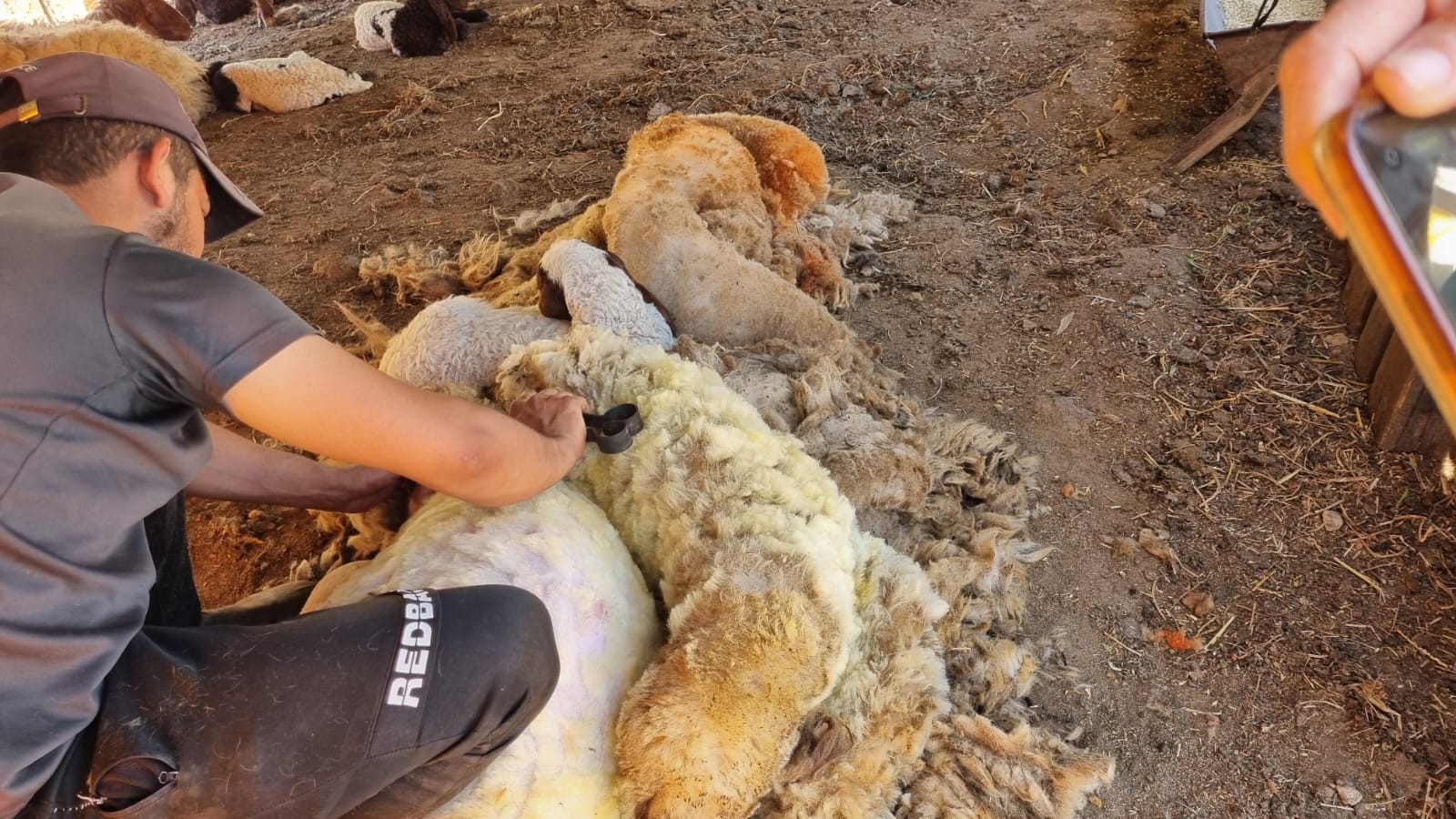
It is shearing time. Some communities do it with special shears, as they order a firm to do it on a single day with an electric appliance. In Samra, it is done manually, five sheep a day. It is hard work needing powerful hands. They ask us to purchase an electric appliance for them…
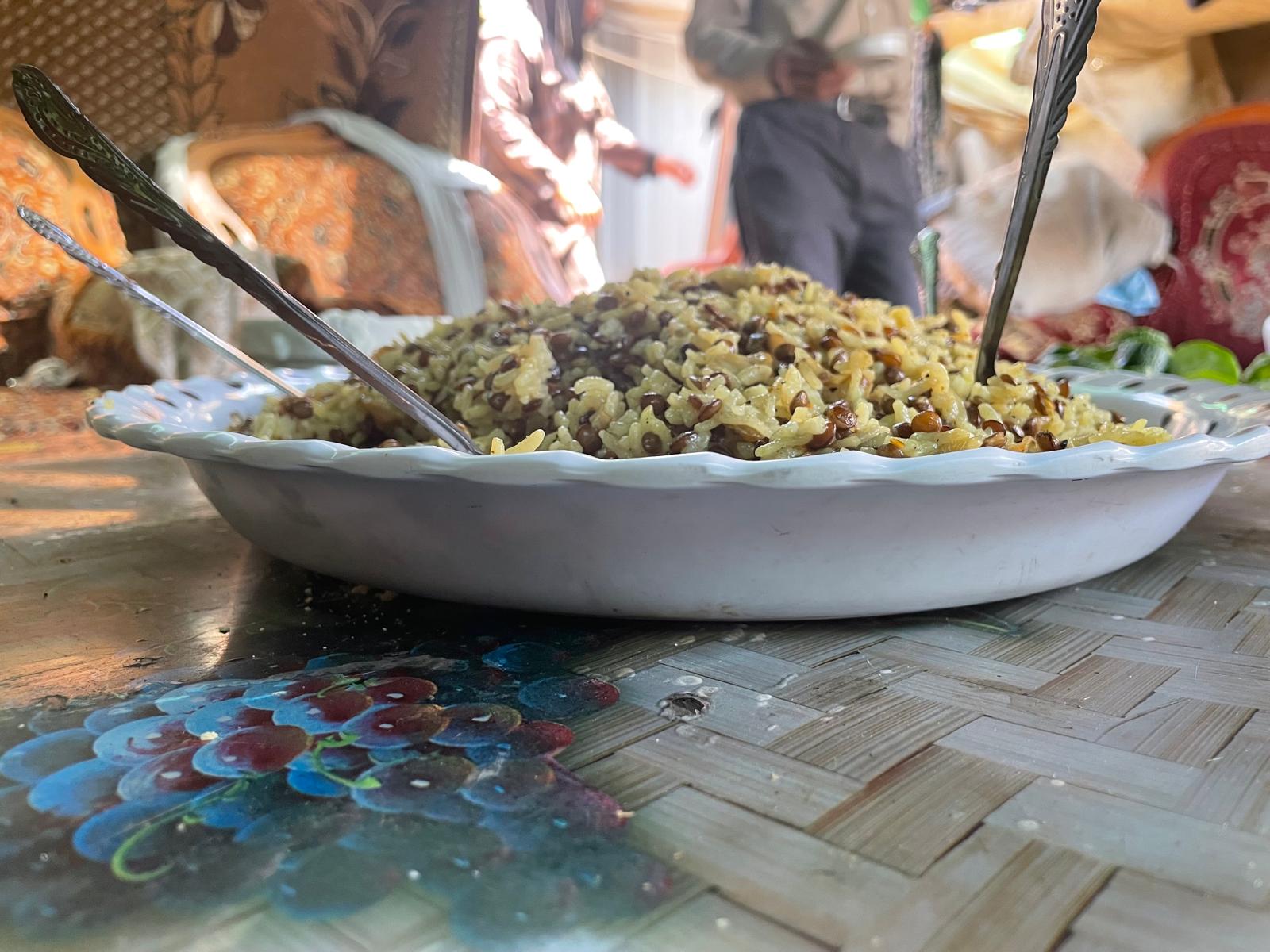
We return to a tasty meal, talk about the situation. The mother is very anxious about the children staying all alone at Tubas. She is especially worried by the soldiers present in the streets at all times and likely to arrest anyone at any point. There is always that uncertainty that the Israeli army inspires, a typical sign excelled by the Israeli army as that army excels in others…
She talks about two youngsters of her family. One of them has been in administrative detention for four years, the other for three. The one was freed two weeks ago and is half of the person he was. He reacts in an unusual manner, weak and tired, staring. He is a 25-year-old man who was arrested two months after his first born came into the world.
I talk about Z.’s son, who – I had just learned yesterday – has been a administrative detainee for the past half-year and now his detention has been extended for another half-year. They are totally broken. They cannot find themselves and we have no way of helping. I didn’t understand their half-year of silence. They said – we didn’t want to bother you…
Administrative detention these days is the terrifying instrument of occupation. A friend of ours from the Palestinian Jordan Valley was arrested two years and three months ago. At the end of the last period (the detention is extended for six months every time), he was told he was released. He boarded the bus and then taken off it, told he was detained for another four months.
I find this so horrible.
The children are at school in Tubas all week and come home for the weekend. Just as they arrive, we leave.
Location Description
Jordan Valley
See all reports for this place-
Jordan Valley The Jordan Valley is the eastern strip of the West Bank. Its area consists of almost a third of the West Bank area. About 10,000 settlers live there, about 65,000 Palestinian residents in the villages and towns. In addition, about 15,000 are scattered in small shepherd communities. These communities are living in severe distress because of two types of harassment: the military declaring some of their living areas, as fire zones, evicting them for long hours from their residence to the scorching heat of the summer and the bitter cold of the winter. The other type is abuse by rioters who cling to the grazing areas of the shepherd communities, and the declared fire areas (without being deported). The many groundwaters in the Jordan Valley belong to Mekorot and are not available to Palestinians living in the Jordan Valley. The Palestinians bring water to their needs in high-cost followers.
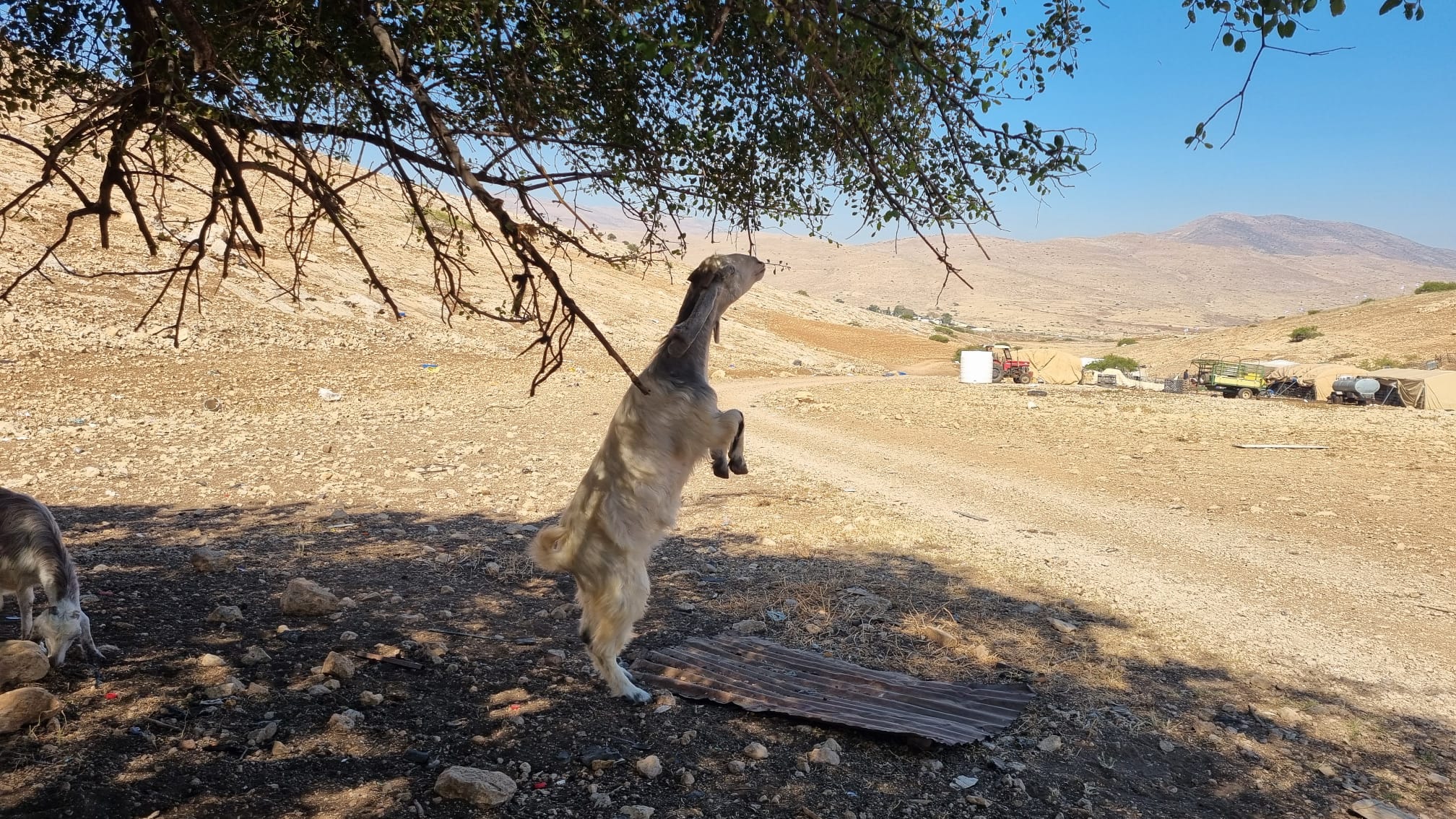 Bosmat HetzroniMay-7-2026Samra. The calm before the storm
-