
מופקרה - הטרדות, ופלישות יום יומיות, ממתנחלים מהנקודות שמסביב, לעיתים מלווים על ידי חיילים
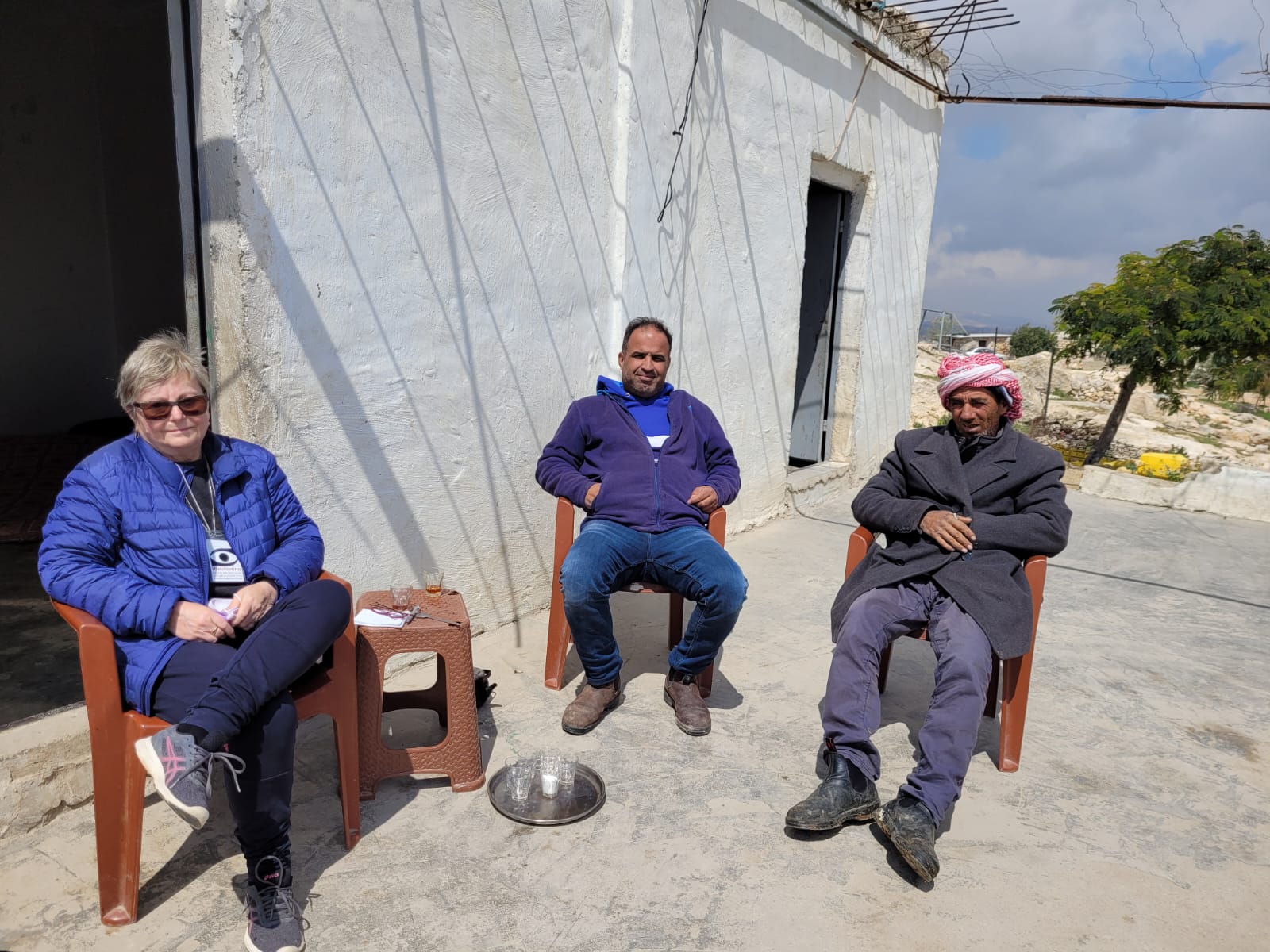
מטרת המשמרת: ביקור במופקרה.
כביש 60, ו-317: דגלי ישראל לכל האורך.
כביש 317: דגמנו שלטים המובילים לשלושה מאחזים/מצפים מהחדשים: מצפה קדם, מצפה מרסל, חוות ענים. יש תמונות. בעבר ספרנו 19 התנחלויות ומאחזים לאורך הדרך הקצרה הזאת. כנראה שהמספר רק עולה.
מופקרה:
אין כניסה ישירה מכביש 317. כיום אפשר להגיע רק דרך תוואני ומחייב רכב שטח. בעבר הייתה כניסה ישירה יותר דרך אביגיל (מאחז שהוכשר בשנים האחרונות). מסביב, 4 מאחזים: אביגיל, חוות דרומא שבה מתגורר המתנחל האלים עמיחי שילה, חוות מעון הוותיקה, וחווה/מצפה חדש המתצפת מעל גבעה קרובה – רואים מאהל וג’יפ. בצמוד לאזור המגורים יש הרבה מכלי מים, וצמיגים מפוזרים, להגנה. יש גם פאנלים סולאריים. התושבים שומרים בלילות.
הגענו לבקר את פאדל. מסרנו לו עזרה כספית מחברים. הבאנו גם ג’יפ מלא בשקיות בגדים וחפצים, שמוחמד אסף בבאר שבע.
המקום הוא מתחם משפחתי (בתנאים אחרים זו היתה “אחוזה”) שבו מתגוררים פאדל, נשותיו חדרה וחלימה, ילדיהם ונכדיהם, בסך הכול 18 נפשות. המתחם הוא הקיצוני בכפר הקטנטן הזה, ולכן נתון לפגיעות בלתי פוסקות של כל ה”שכנים” מהמאחזים.
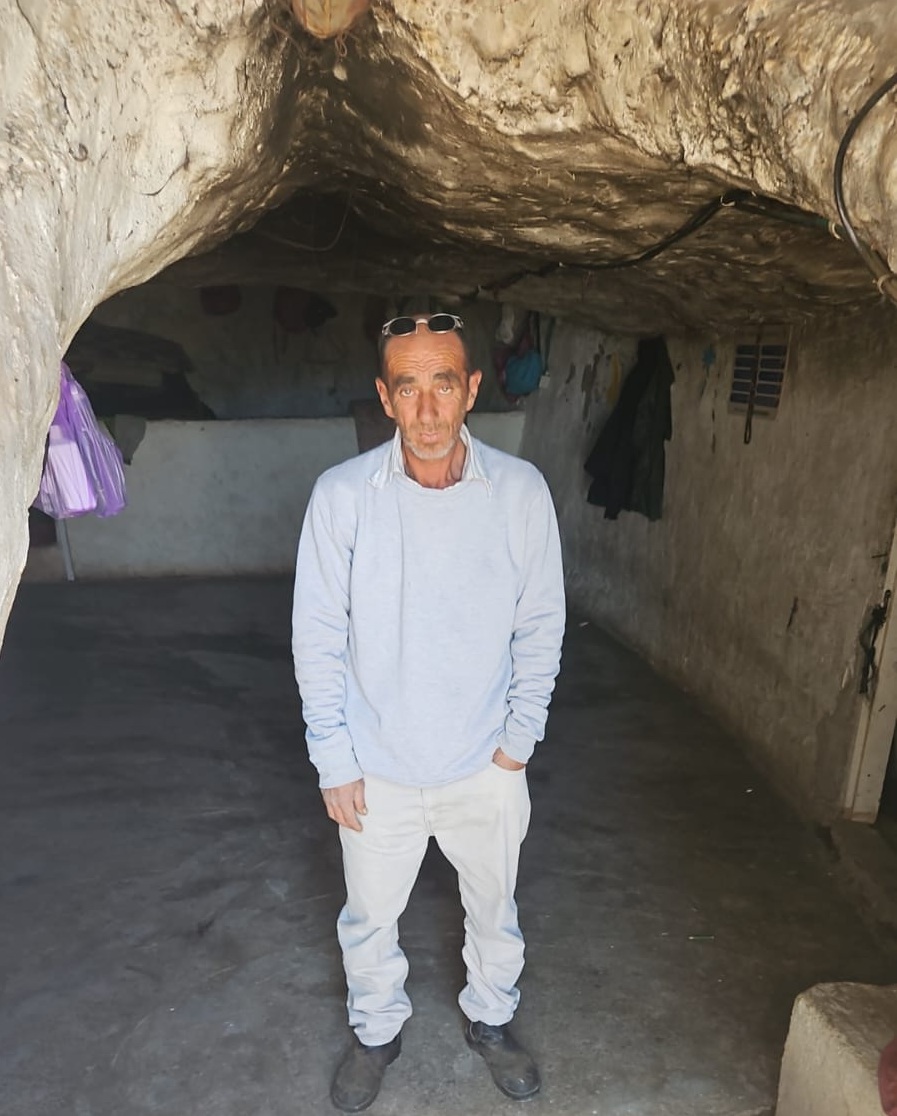
המתחם כולל מספר מבנים, מערה גדולה (שנחפרה באת ומכוש על ידי אבות אבותיו של פאדל), טאבון, וחצרות מגודרות לכבשים ולעיזים. יש גם חמור ותרנגולות וקצת ירקות. יש להם גם מטע זיתים וכרם ענבים בעמק, לכיוון שעב אל בוטום. בעבר היו מאות כבשים. המערה משמשת כמרחב מוגן קהילתי, כששומעים אזעקות מאביגיל.
מאז מלחמת השבעה באוקטובר, המתנחלים מסביב לא מאפשרים לטפל במטעים, למסוק זיתים, לבצור ענבים, ולהוציא את הכבשים והעיזים למרעה. כל מקורות הפרנסה נעצרו. חייבים לקנות אוכל לכבשים, במקום מרעה, ואוכל הכבשים יקר מאד. מידי פעם הם נאלצים למכור כבש, לצורך פרנסה. נשארו פחות מ-100 כבשים. המתחם מוקף בתלתליות תיל, בתקווה להגנה כלשהי.
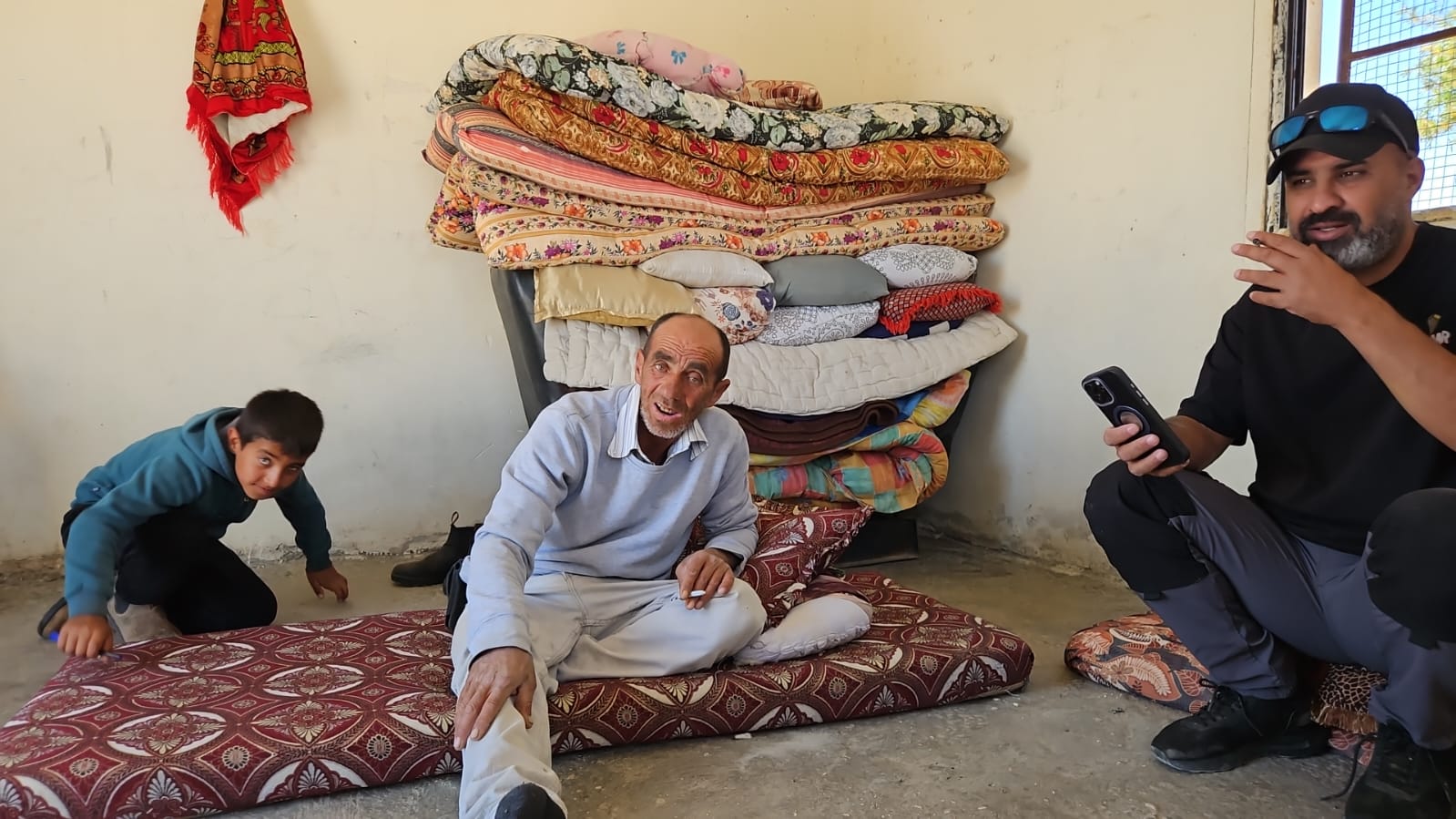
ישבנו עם המשפחה במבנה הנגיש ביותר. חדר יחסית גדול. ערימות מזרנים בפינה. נוכחים פאדל, חדרה, עבדו ומוחמד שהם ילדים של חדרה, ילד וילדה קטנים יותר, של חלימה, וגם ילד של עבדו. נשנשנו פיתות מהטאבון, חביתות בחמאת כבשים, ירקות ותה. טעים להפליא. כמעט אידיליה, אלמלא האלימות והרוע שמסביב.
פאדל ועבדו מספרים על הטרדות, ופלישות יום יומיות, כנראה ממתנחלים מהנקודות שמסביב, לעיתים מלווים על ידי חיילים. לעיתים המתנחלים מצויידים בנשק ארוך. עמיחי שילה מככב בהטרדות. אתמול פשוט פתחו את גדר התיל והסתובבו עם עדריהם בתוך המתחם, בין המבנים. בבקרים של רמדאן היו הרבה התקפות בליווי הצבא. הם ניסו להגן על מכל המים.
התמונות המצורפות שעבדו צילם, מספרות את הסיפור הבלתי אפשרי של חייהם בצל המתנחלים האלימים הפולשים מאז התחילה המלחמה. הם מותקפים, ומנסים להתעלם ולא להגיב. חיים בלתי אפשריים.
Location Description
A-Tuwani
See all reports for this place-
A-Tuwani
The locals came to a-Tuwani during the 20th century from the village of Yatta. They settled in abandoned ruins, utilizing the arable land, pastures for grazing sheep and the abundance of natural caves for habitation. The residents who settled in the caves came from families who could not purchase land for houses in the mother villages, as well as shepherds who did not have enough land to graze. They were joined by clan members who quarreled with other families in the mother locality.
Some of the residents today live in concrete buildings built above the caves. In the area of the village are several water cisterns and an ancient water well called 'Ein a-Tuwani. Local residents are forced to buy water in containers and transport them through many road blocks to the village. With the help of international organizations, an electrical system was installed in the village. In the late 90s of the 20tTh century, an elementary school was established in the serving several small villages in the area.
In 2004, MachsomWatch began visiting and reporting from the Khirbet Tuwani cave village, which suffers badly from the settlers of nearby outposts, and especially from the extremist Ma'on outpost. . The settlers contaminate cisterns, poison the flocks and uproot trees.Particularly notable is the harassment of children from the surrounding villages on their way to school in a-Tuwani, so much so that military escort of children is required to separate them from the attackers (this was arranged following an initiative of the organization's members). In the past year, the escort has been without the vital presence of overseas volunteers.
Near a-Tuwani there are several families who have returned to the caves due to the incessant demolitions of the civil administration (as there is a total construction ban in all of area C). Destroyed are not only residential and agricultural buildings, but also water pipes, machinery. Even water cisterns are clogged up. a-Tuwani residents have created an association for non-violent demolition protests, but in the past year the army’s harsh harassment and settler violence have intensified and escalated. The incident of the small generator confiscation, which left a young man paralyzed, is one of many examples - any legitimate protection of property rights leads to violence and even shootings by the army and the civil administration.
Updated April 2022
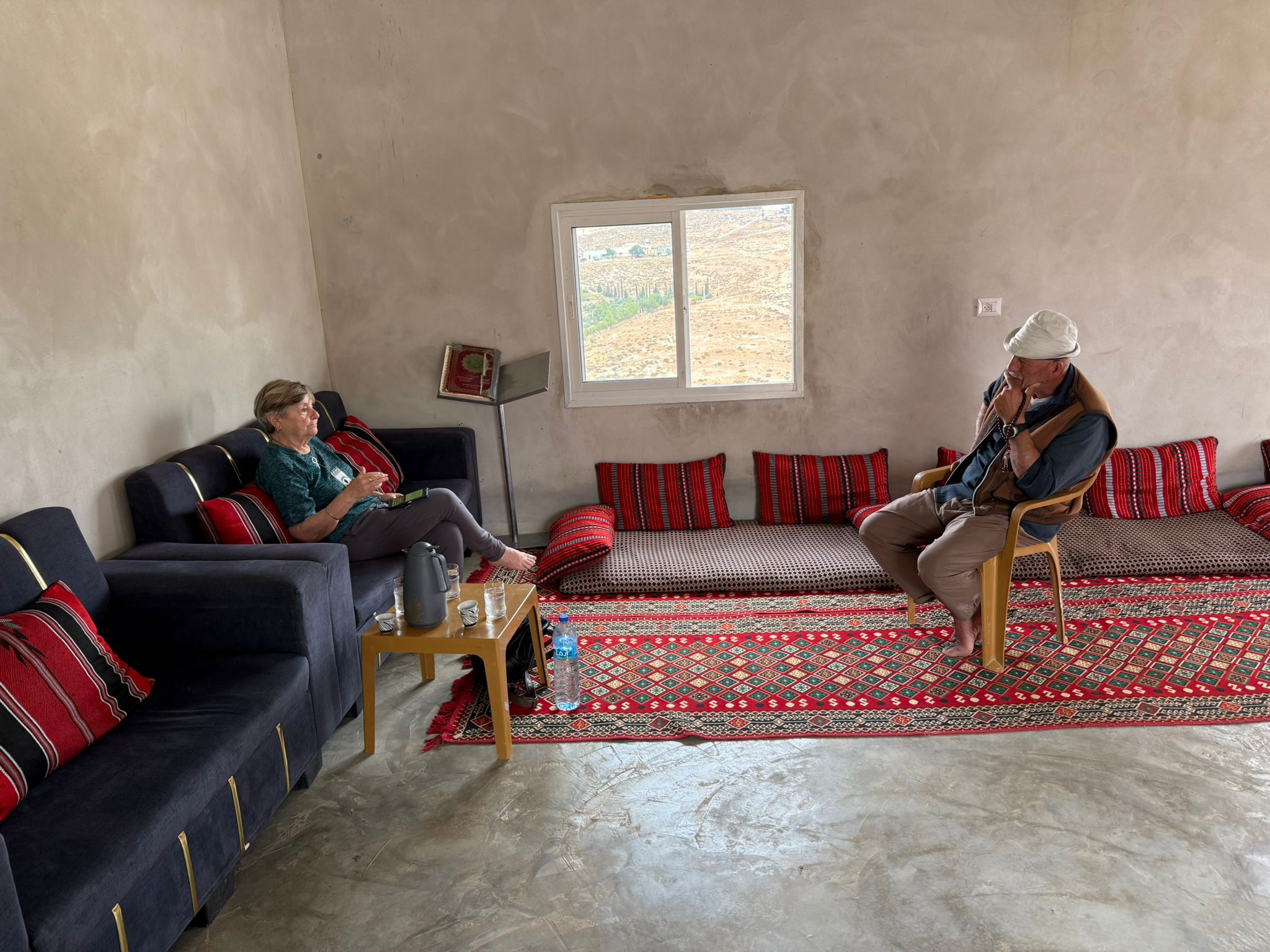 Muhammad D.Jul-5-2026Fares's guestroom in Shweika
-
South Hebron Hills
See all reports for this place-
South Hebron Hills
South Hebron Hills is a large area in the West Bank's southern part.
Yatta is a major city in this area: right in the border zone between the fertile region of Hebron and its surroundings and the desert of the Hebron Hills. Yatta has about 64,000 inhabitants.
The surrounding villages are called Masafer Yatta (Yatta's daughter villages). Their inhabitants subsist on livestock and agriculture. Agriculture is possible only in small plots, especially near streams. Most of the area consists of rocky terraces.Since the beginning of the 1980s, many settlements have been established on the agricultural land cultivated by the Palestinians in the South Hebron Hills region: Carmel, Maon, Susia, Masadot Yehuda, Othniel, and more. Since the settlements were established and Palestinians cultivation areas have been reduced; the residents of the South Hebron Hills have been suffering from harassment by the settlers. Attempts to evict and demolish houses have continued, along with withholding water and electricity. The military and police usually refrain from intervening in violent incidents between settlers and Palestinians do not enforce the law when it comes to the investigation of extensive violent Jewish settlers. The harassment in the South Hebron Hills includes attacking and attempting to burn residential tents, harassing dogs, harming herds, and preventing access to pastures.
There are several checkpoints in the South Hebron Hills, on Routes 317 and 60. In most of them, no military presence is apparent, but rather an array of pillboxes monitor the villages. Roadblocks are frequently set up according to the settlers and the army's needs. These are located at the Zif Junction, the Dura-al Fawwar crossing, and the Sheep Junction at the southern entrance to Hebron.
Updated April 2022
Muhammad D.Jul-5-2026Fares's guestroom in Shweika
-