
Deir Shams - Settlers beat residents, broke windows and objects, damaged cars and stole 170 sheep

As usual, Meitar Checkpoint was empty of people and vehicles. Since the beginning of the war, Palestinians have been unable to cross the checkpoint to go to work.
Three years without work and without a livelihood!
We drove along Highway 60.
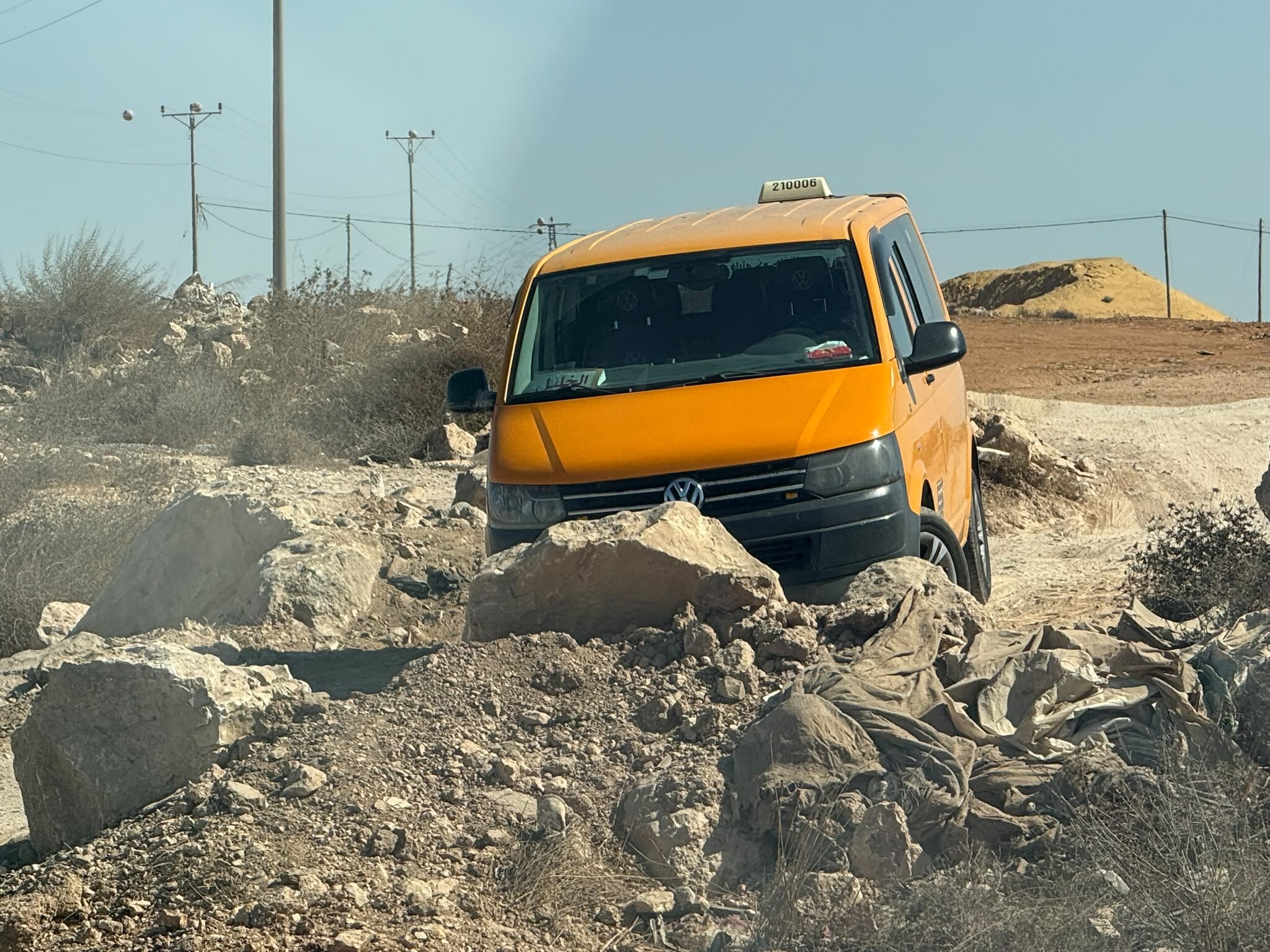
On the way to Samu’, we saw a Palestinian taxi blocking a dirt road used to bypass the main road.
This is the method: a vehicle traveling along the alternative route is stopped, its keys are taken, and the passengers are left stranded for several hours.
We continued. The main entrance to Samu’ was closed by a barrier. There were not even any soldiers present who could open it in an emergency.
We arrived at Farhan’s home in Simiya.
Many incidents have taken place in the village and the surrounding area:
- Last week, soldiers detained young men from the village whose role is to watch over the paths leading to it. When the army blocks these paths with rocks and piles of earth, the young men clear the obstructions, inform the residents, or direct vehicles to an alternative route.
It is important to note that these dirt roads are also used to travel to Dahariya, which is quite far away, because its main entrance is also closed.
The soldiers took the young men to Metzadot Yehuda in the afternoon. One returned at 11:00 p.m., and the other at 1:00 a.m.
- Farhan also told us that the plan to widen Highway 60 includes the confiscation of 17 dunams of his land, on which olive trees are planted.
- Regarding the village’s water supply: approximately once every 40 days, Mekorot supplies water for one or two days. The residents fill the cistern, and then the supply is shut off.
This amount is sufficient for routine household consumption during that period, but not for watering the sheep. Water for the sheep must be purchased from tankers at extremely high prices.
- A few days ago, Farhan photographed soldiers stationed at the entrances to the village from the courtyard of his home.
One of the soldiers approached him, took his phone, and began searching it. A Bedouin soldier who was with him told him to return the phone to Farhan, and he did. This time, the incident ended without further harm.
- The schools operate only three days a week because the Palestinian Authority does not have enough money to pay teachers full-time salaries.
- About two weeks ago, settlers attacked Deir Shams, a village located between Simiya and Shweika, claiming that sheep had been stolen.
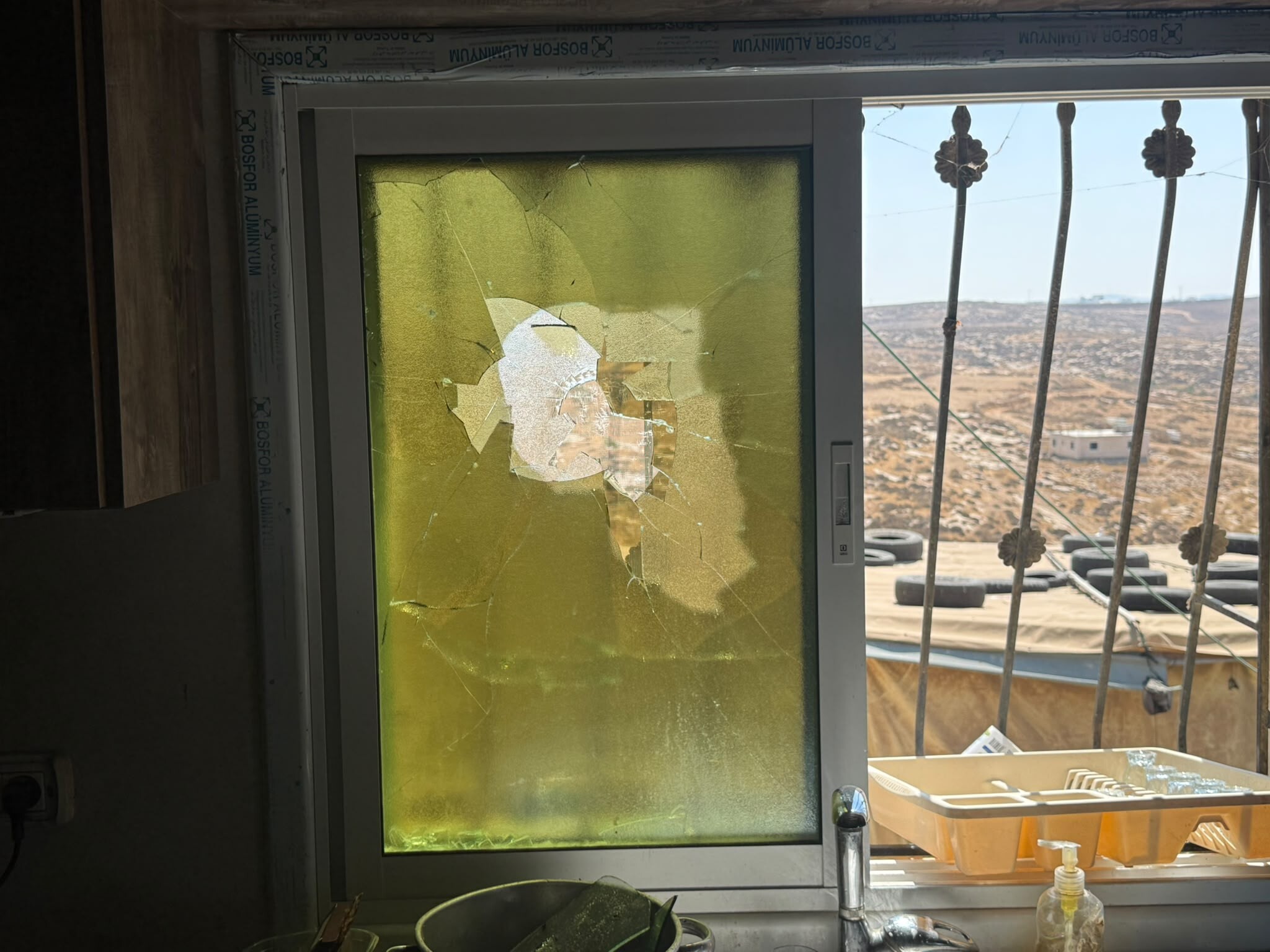
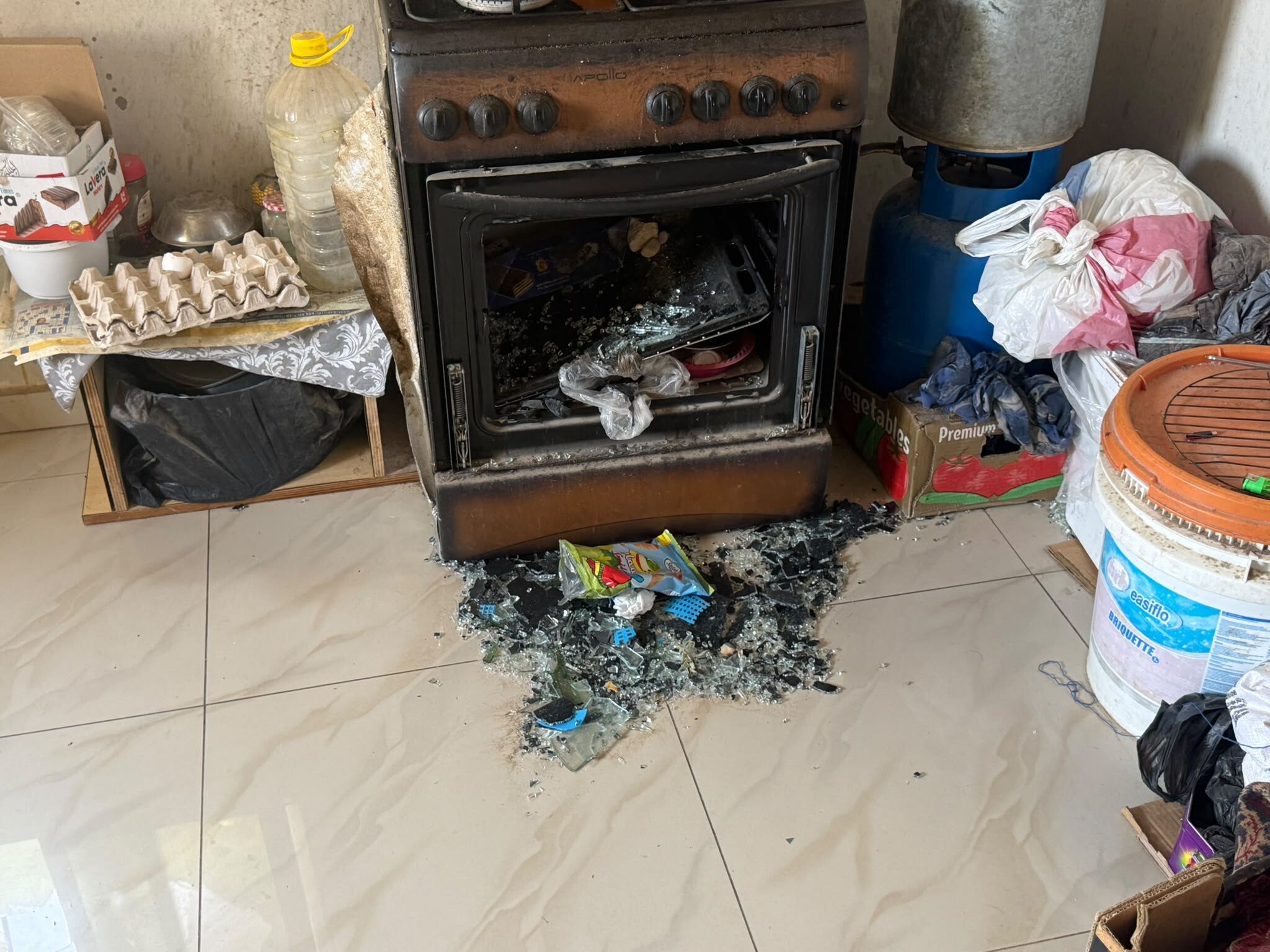
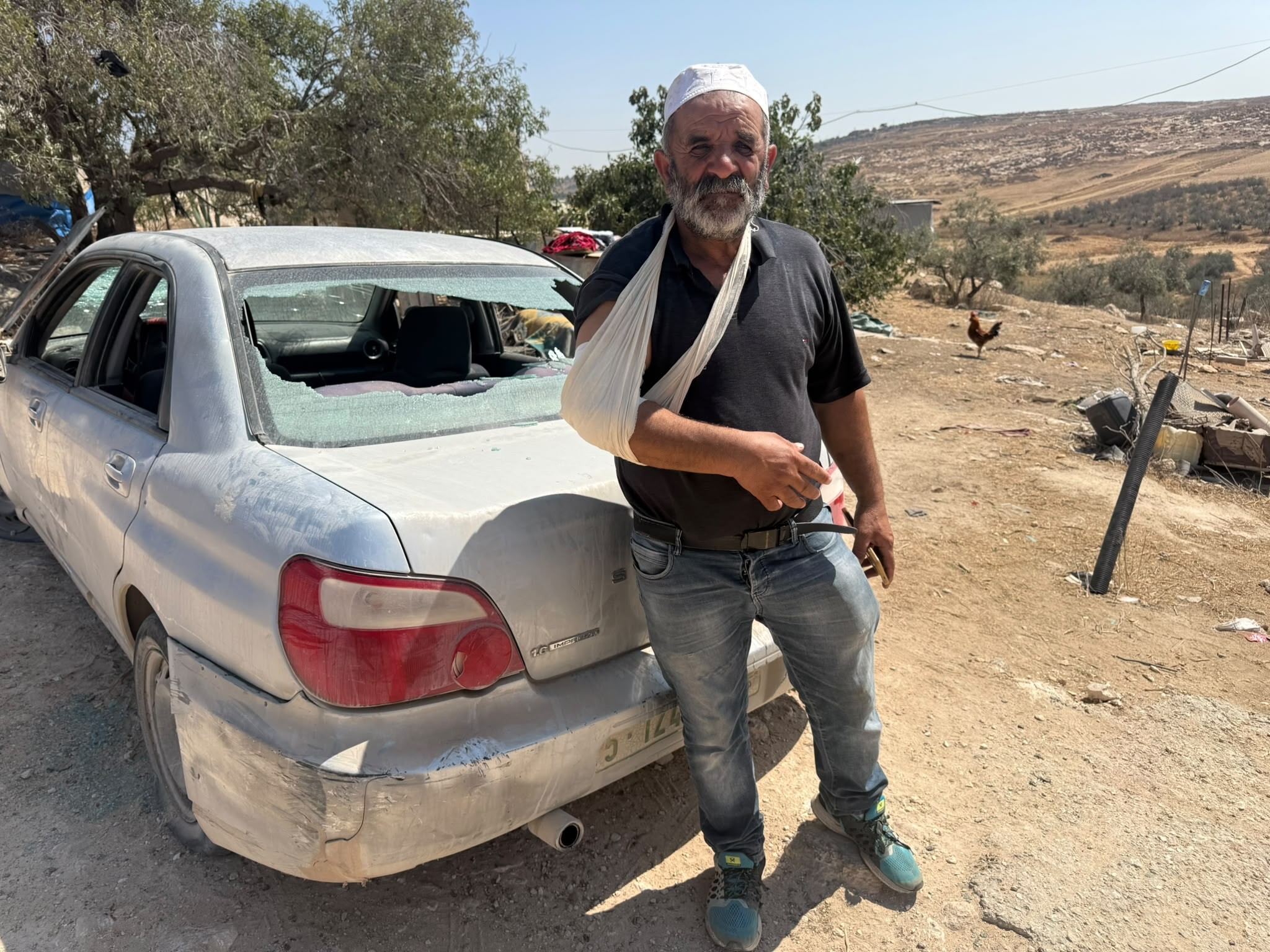
The settlers entered homes, smashed windows and belongings, damaged vehicles, and stole 170 sheep belonging to Muhammad. They also beat residents, who were treated by Palestine Red Crescent teams summoned to the scene.
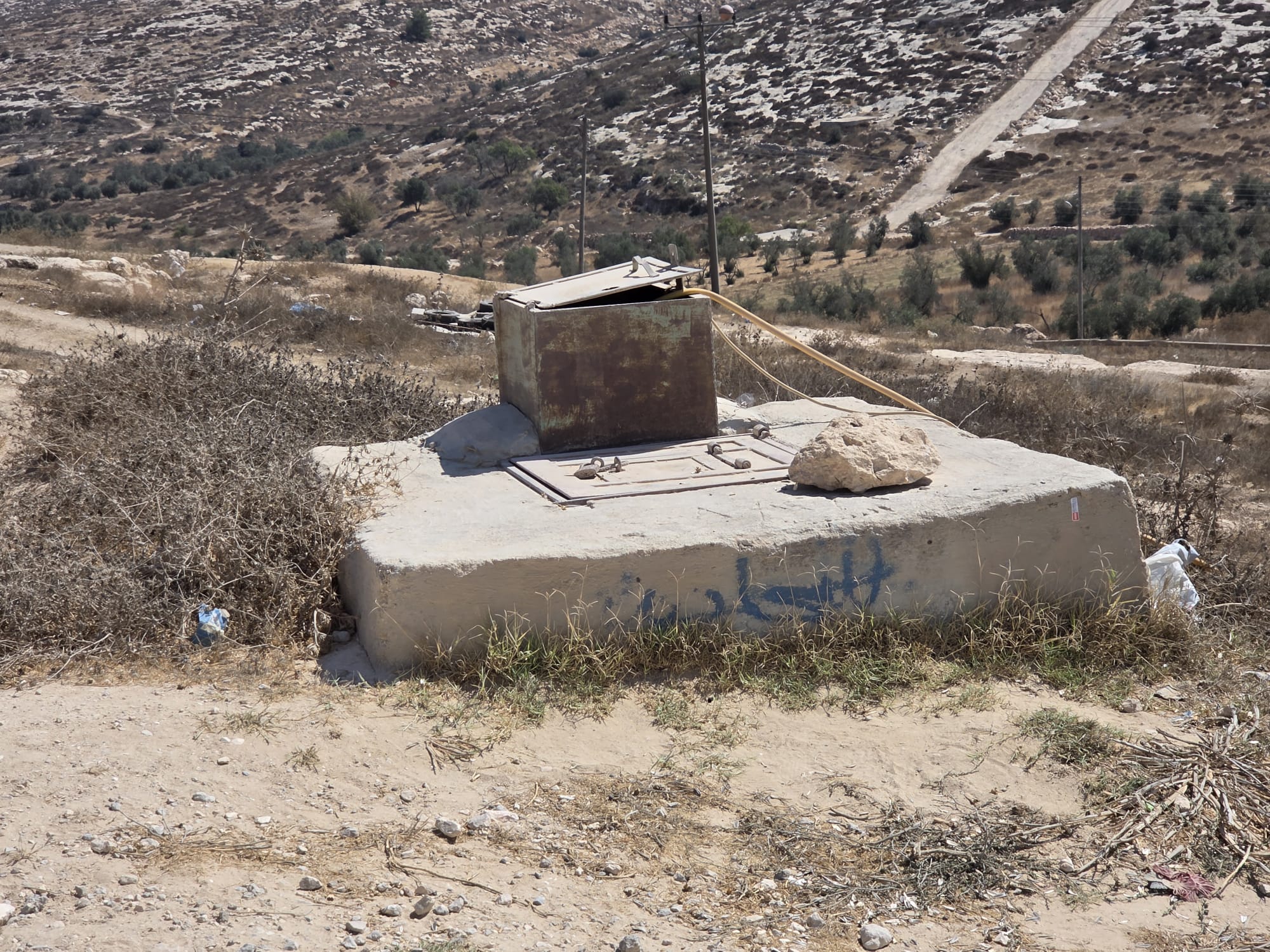
The settlers arrived by bus, which dropped them off near the nearby Mekorot water tank, and from there they walked to the village. Others arrived on ATVs and in pickup trucks. More than 100 settlers took part in the attack.
The army, police, and Border Police arrived at the same time and assisted the settlers.
There is no doubt that this was an operation planned and coordinated in advance.
At the end of our visit, we drove to the village and met Muhammad’s wife. She was extremely angry and distressed, wondering how they would now make a living without the sheep. She told us that both she and the children had been beaten.
She ran after the settlers in an attempt to retrieve some of the sheep, but they threw stones and tear-gas grenades at her. Needless to say, she was unable to rescue the sheep.
She also told us that the police arrived after the incident to investigate the case.
In their experience, nothing usually comes of such investigations: no one is arrested, and the sheep are not returned.
In conclusion, there is not a moment of peace. Every unexpected movement or sound causes everyone to jump up and see what is happening.
Life is unbearable.
Location Description
Meitar checkpoint / Sansana
See all reports for this place-
Meitar Checkpoint / Sansana The checkpoint is located on the Green Line and serves as a border crossing between Israel and the West Bank. It is managed by the Border Crossing Authority of the Defense Ministry. It is comprised of sections for the transfer of goods as well as a vehicle checkpoint (intended for holders of blue identity cards, foreign nationals or diplomats and international organizations). Passing of Palestinians is prohibited, except for those with entry permits to Israel. Palestinians are permitted to cross on foot only. The crossing has a DCO / DCL / DCL / DCL (District Coordination Office), a customs unit, supervision, and a police unit. In the last year, a breach has been opened in the fence, not far from the crossing. This breach is known to all, including the army. There does not appear to be any interest in blocking it, probably as it permits needed Palestinian workers without the bureaucratic permits to get to work in Israel. Food stalls and a parking area economy have been created, but incidents of violent abuse by border police have also been recorded. Updated April 2022
-
South Hebron Hills
See all reports for this place-
South Hebron Hills
South Hebron Hills is a large area in the West Bank's southern part.
Yatta is a major city in this area: right in the border zone between the fertile region of Hebron and its surroundings and the desert of the Hebron Hills. Yatta has about 64,000 inhabitants.
The surrounding villages are called Masafer Yatta (Yatta's daughter villages). Their inhabitants subsist on livestock and agriculture. Agriculture is possible only in small plots, especially near streams. Most of the area consists of rocky terraces.Since the beginning of the 1980s, many settlements have been established on the agricultural land cultivated by the Palestinians in the South Hebron Hills region: Carmel, Maon, Susia, Masadot Yehuda, Othniel, and more. Since the settlements were established and Palestinians cultivation areas have been reduced; the residents of the South Hebron Hills have been suffering from harassment by the settlers. Attempts to evict and demolish houses have continued, along with withholding water and electricity. The military and police usually refrain from intervening in violent incidents between settlers and Palestinians do not enforce the law when it comes to the investigation of extensive violent Jewish settlers. The harassment in the South Hebron Hills includes attacking and attempting to burn residential tents, harassing dogs, harming herds, and preventing access to pastures.
There are several checkpoints in the South Hebron Hills, on Routes 317 and 60. In most of them, no military presence is apparent, but rather an array of pillboxes monitor the villages. Roadblocks are frequently set up according to the settlers and the army's needs. These are located at the Zif Junction, the Dura-al Fawwar crossing, and the Sheep Junction at the southern entrance to Hebron.
Updated April 2022
Muhammad D.Sep-8-2026Closed Samu' checkpoint
-
