
Hamra (Beqaot), Khalit Makhul, Ma’ale Efrayim, Tayasir, Za’tara (Tapuah)
TAPUAH CHECKPOINT: 6:50
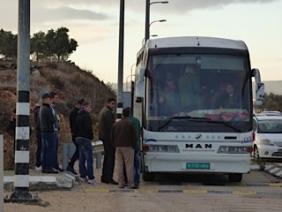
Parking lot was locked and the checkpoint itself was not manned. Early morning traffic was flowing. However, we noticed a flying checkpoint established at the Jerusalem-Ramallah – Nablus hitchhiking point.
Two buses had been stopped and all the passengers from one of the buses had disembarked. As we approached the passengers in an attempt to find out what had happened, the border guards signalled for the bus to depart. The passengers (all men on their way to work) got on the bus quickly. We managed to learn that they were leaving one person behind. They told us that the man had been beaten by the soldiers.
We crossed the road in an effort to see the young man for ourselves. Three soldiers surrounded us (leaving this accused security risk / terrorist unattended) and prevented us from seeing him. We were detained ourselves and asked to provide IDs. We kept asking to see the young man and this led to a standoff.
Eventually the young man was taken away and handcuffed. He didn’t seem to be outwardly physically hurt but he was terribly upset. Realizing that there wasn’t much that we could do, we continued on our journey.
HAMRA / BEQAOT: 7:45
There were no lines at this checkpoint and the traffic was moving smoothly.

KHALIT MAKHUL: 8:45
We were pleased to see that many tented dwellings and shelters had been constructed since our last visit in early November. Feeding stations for the animals were neatly organized.
We visited three families and in each case saw that shelter for humans as well as the young lambs and kid goats was available. The families had organized well; the women and children were busy with daily life activities and with producing cheese for market.
The older children were absent from the hamlet as they were attending school. Everyone complained about the cold at night, but the rain was described as ‘gold’.
The main problem in Makhul is lack of shelter for the mature goats and sheep. These animals are left out in the mud, rain and cold without any protection. We were asked to try and provide plastic sheets so that shelter could be provided for the mature animals. This is a big request for us as there are ten families here each facing the identical problem and over a thousand animals needing shelter.

TAYASIR CHECKPOINT: 10:20 AM
The recent rains had caused several mudslides on the road heading to the Tayasir Checkpoint.
The checkpoint seemed calm and quiet but this was an illusion. We noticed that 3 out of every 5 vehicles were being pulled aside and the passengers made to wait for an extended period of time. The Palestinians reported that the last ten days had been difficult at this checkpoint and that those trying to cross are sometimes made to wait 2-3 hours.
In addition we heard that at least 4 vehicles had had their tires blown out in recent days (including a truck and a bus) when undergrounds spikes were raised ‘inadvertently’ as the vehicles drove from the checkpoint after being permitted to do so. One soldier did confirm that this had happened.
We observed a Palestinian bulldozer and an accompanying car of workers from the Palestinian Public Works and Housing Department detained at the checkpoint. They had come to clean up the mudslides on the road. They were detained for an extended period but eventually they were allowed to continue.
Other vehicles were detained for at least 30-40 minutes. These were farmers and other people heading off to work and on other errands.
Daphne B made many phone calls to the DCO to try and find out why crossing this checkpoint had become so difficult. She was brushed off, her calls not returned and eventually not answered. We decided to enlist the help of Hanna Barag to try and determine why Tayssir has become so difficult.
Some Palestinians commented that only when MW is present does the situation improve.
We departed at 12.20. Along the way we noticed that the tall earth barrier mounds had been refreshed and repaired (wherever they had been breached, and the trenches alongside them had been dug deeper).
MAALE EPHRAIM CHECKPOINT: 13:00
The checkpoint was manned but traffic flowed without incident.
TAPUAH CHECKPOINT: 13:10
We noticed that the flying checkpoint that we had observed in the morning remained in place.
13.12.13
Makhul Winter Storm Update (four days later): (reported by: Daphne B)
When this village was totally demolished in September 2013, for many weeks the IDF did not make it possible for humanitarian aid to be brought the hamlet. On this stormy wintery week we checked in with B, a resident of Makhul. He reported that the weather in the Jordan Valley has turned fierce and stormy. Freezing temperature, rain and strong winds are constant. A layer of ice now covers the makeshift tents. The shelter belonging to the oldest residents of the hamlet collapsed in the wind and all their belongings (including clothes, thin mattresses and blankets) have been soaked by the pelting rain. Other tents are also taking in rain. The adult sheep and goats are exposed to the elements and the cold as they remain without shelter. The meagre shelters for the young lambs and kid goats that we saw several days ago have no blown away and the life of these tender animals is now at risk.
This kind of winter storm is always hard on the tent dwellers, but how much more so when under the circumstance these tents were put up hastily and shoddily and are constructed from fabric and nylon remnants. The responsibility of the tragedy unfolding in this area rests on the State of Israel. It is the State that has demolished the tents and shelters and persisted in preventing the recovery of this Palestinian hamlet. Yet, in spite of all these hardships, the residents of Mak'hul, all of them, are still there and are determined to remain.
B thanks us for our efforts and explains that our support means so much to the residents during these trying times.
Hamra (Beqaot)
See all reports for this place-
One of the Jordan Rift Valley checkpoints that prevent direct transit between the West Bank and the Jordan Valley, in addition to Tayasir Checkpoint. Located next to Hamra settlement, on Route 57 and the Allon Road.
Read about the peple of the Jordan Valley and the quiet transfer happening there.
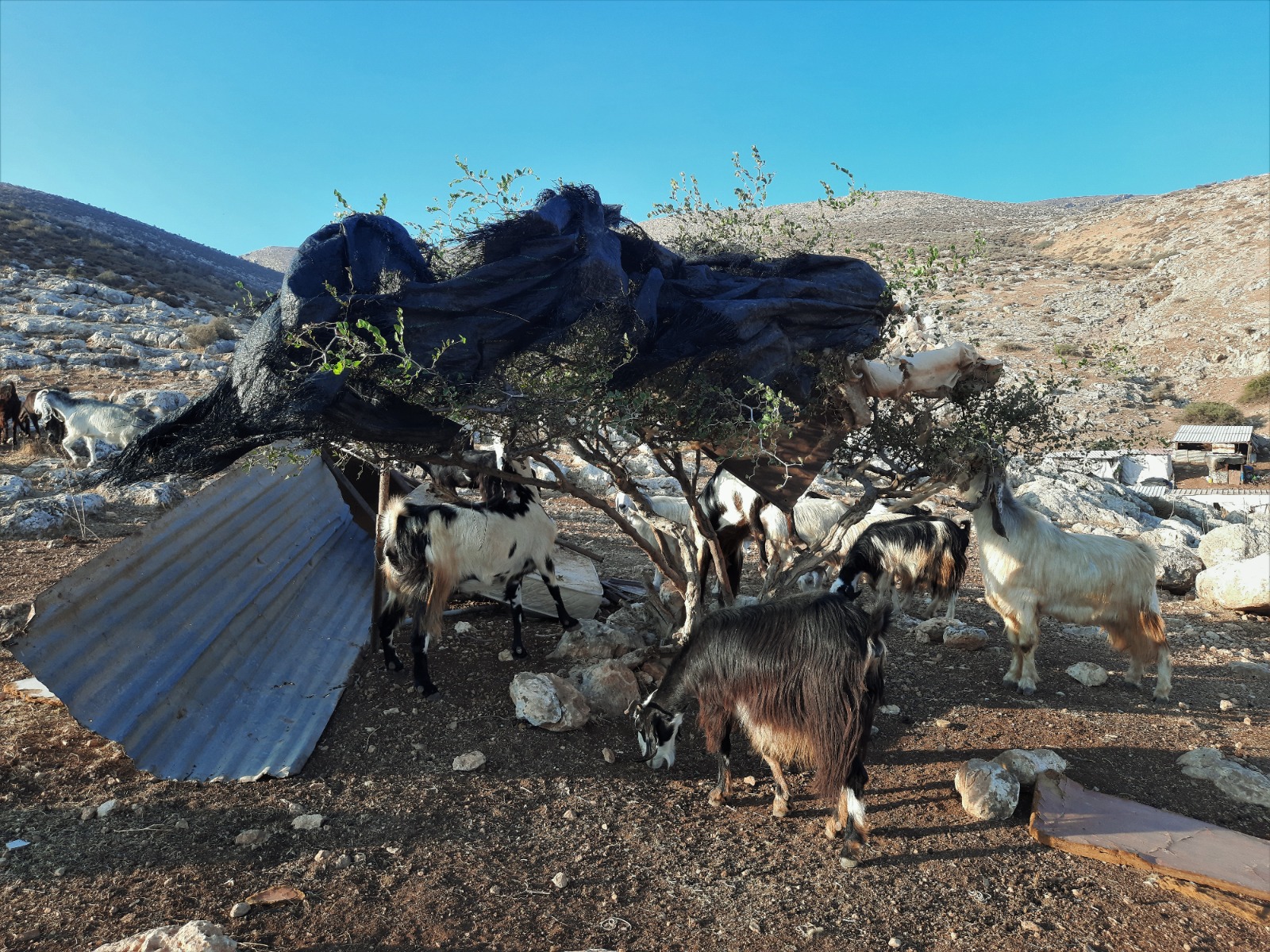 Shahar ShilohNov-3-2021Ein Shibli: grazing begins close to home
-
Ma'ale Efrayim
See all reports for this place-
Ma'ale Efrayim On the road connecting Route 90 (the Jordan Valley road) to the Allon Road.
-
Tayasir CP
See all reports for this place-
Located on road 5799, It is one of the checkpoints control the passage between the northern West Bank and the Jordan Valley. For a long time, it stood empty and open, with only a sign next to it warning against entering Area A. It was adjacent to an old military camp - now everything is neglected. How much money was invested here, and how much brainwashing was done to the soldiers of Netzah Yehuda and Kfir.
Today, it is very difficult to pass there. Many delays. Often, teachers from Tubas are not allowed to pass into the Valley to villages like Ein al-Bida where the local schools are located, and there are no classes. There are additional days when the checkpoint is closed. In general, there is a wait there of about two to four hours to go towards the Valley and also to return. Many times the Palestinians are forced to use the Hamra checkpoint, which also leads into Tubas and the West Bank, but there is also a huge queue there and a long wait.
Following a deadly attack on soldiers at the nearby base in February 2025, the checkpoint was completely closed for the time being. (Updated March 2025)
-
Za'tara (Tapuah)
See all reports for this place-
Za'tara (Tapuah) Za'tara is an internal checkpoint in the heart of the West Bank, at the intersection of Road 60 and Road 505 (Trans-Samaria), east of the Tapuah settlement. This checkpoint is the "border" marked by the IDF between the north and south of the West Bank, in accordance with the policy of separation between the two parts of the West Bank that has been in place since December 2005. At the Za'tara checkpoint, there are separate routes for Israelis and Palestinians. In the route for Israelis, there are no inspections and the route for Palestinians inspects. The queue lengthens and shortens suits. The checkpoint is open 24 hours a day. The checkpoint is partially staffed and the people who pass through it are checked at random.
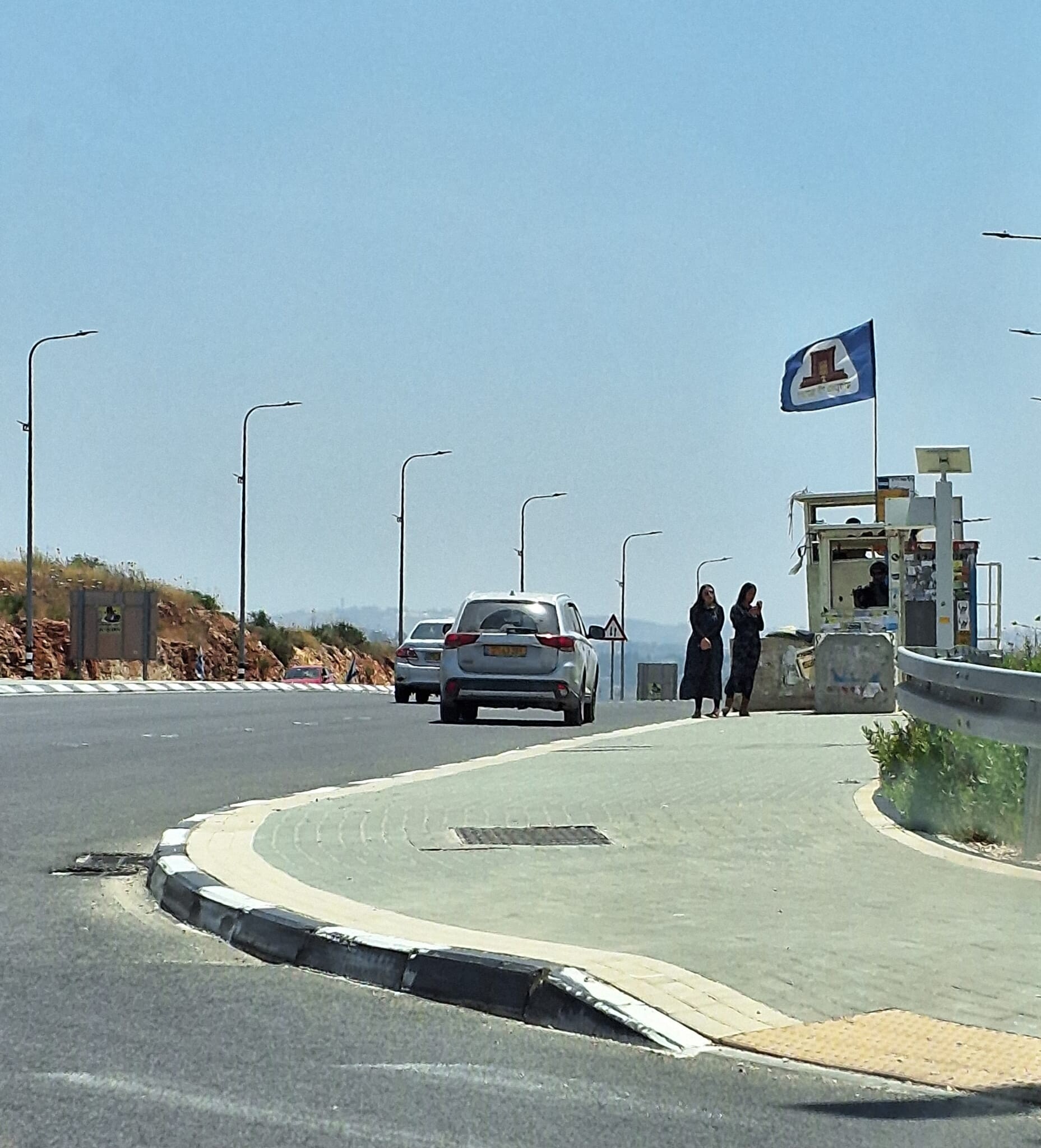 Ronit Dahan-RamatiJun-9-2026Za'atara (Tapuach Junction). The Temple Flag Above a Station
-
