
Umm Qusa - Despite the difficulties, the children have a summer camp
Unlike what we usually do, we went through the Tarqumiya crossing called Lakhish. There are far fewer private vehicles, mostly trucks, that bring goods back-to-back, from Israel to the West Bank, and vice versa.
We met N., who lives near Idna, to give him money that a friend had sent him. He talks about the increasing difficulty in basic subsistence, checkpoints and a threatening military presence and expresses hope that someday the situation will change.
From there we continued to Nabil’s grocery store to buy water and dates for our friends in Umm al-Khair, and a groceries for a visit to Umm Qusa.
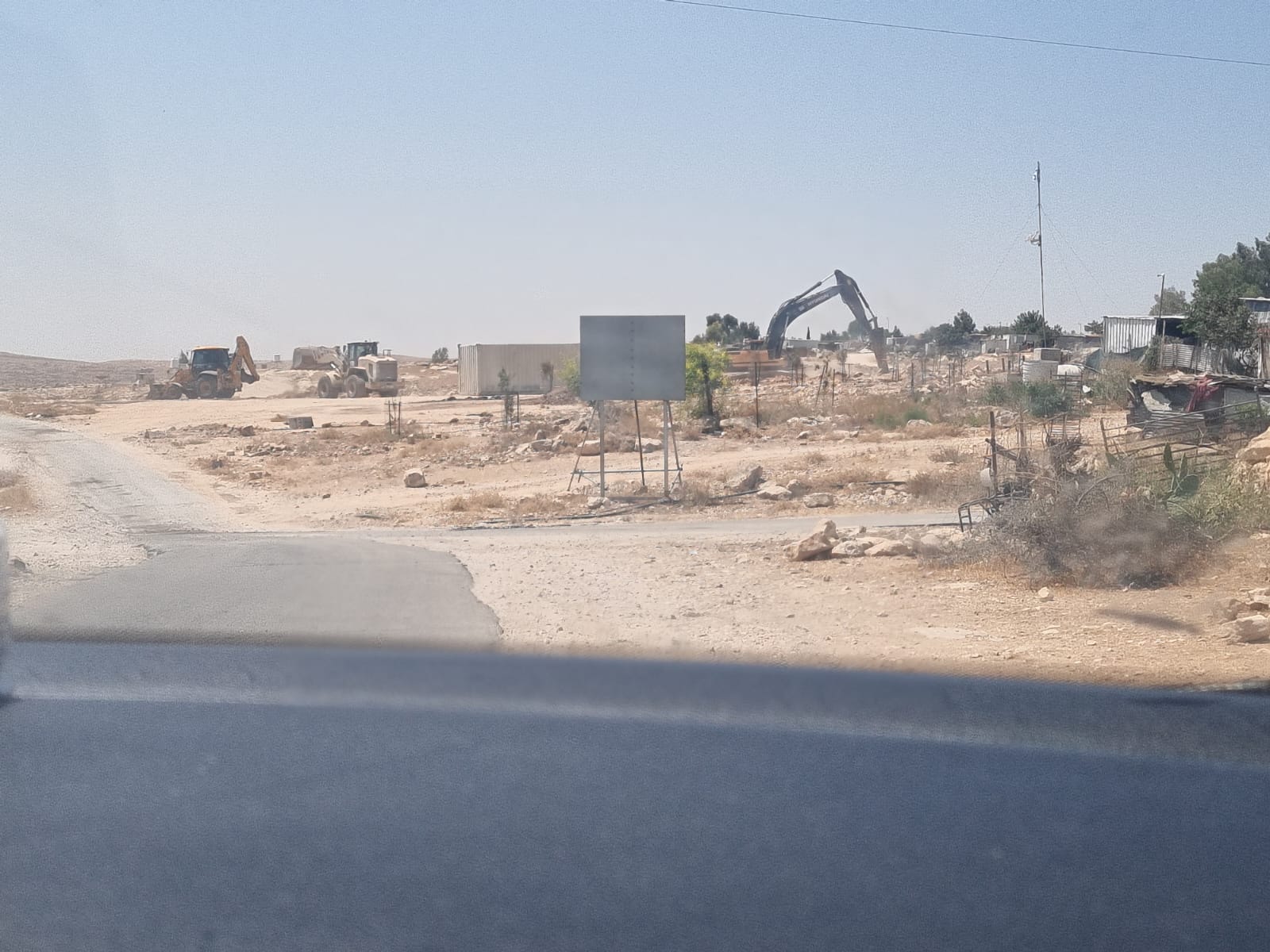
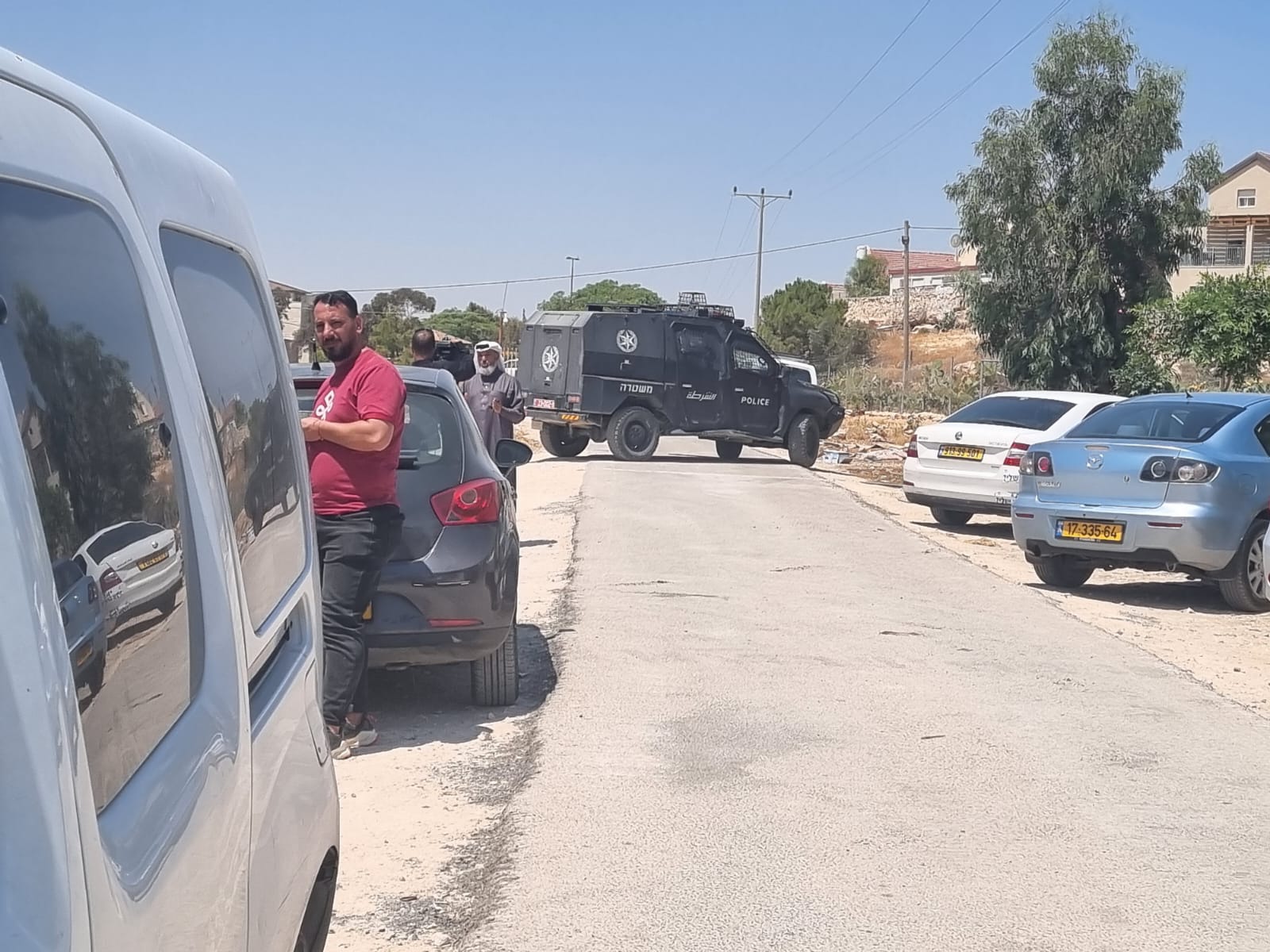
Already at the entrance to Umm al-Khair we see 3 pieces of mechanical engineering equipment working in the area. Inon Levy, a settler who owns the Meitarim outpost, has begun to plough the land. He murdered our friend, the teacher, the man of peace, Odeh Hadalin. We came to console the mourners on behalf of Machsom Watch and on our own behalf as individuals.
Odeh’s mother sits in the women’s tent and talks about Odeh, her late son, and the heart aches.
Eid arrived at the men’s tent and you could immediately see the indescribable shock and sadness on his face.
Jewish supremacy has no red lines. All our reports and those of other human rights organizations reflect the boundless cruelty. This is the government’s policy, the executive arm of which are violent settlers who destroy, burn, uproot, invade, evict with the help of the moral army in the world.
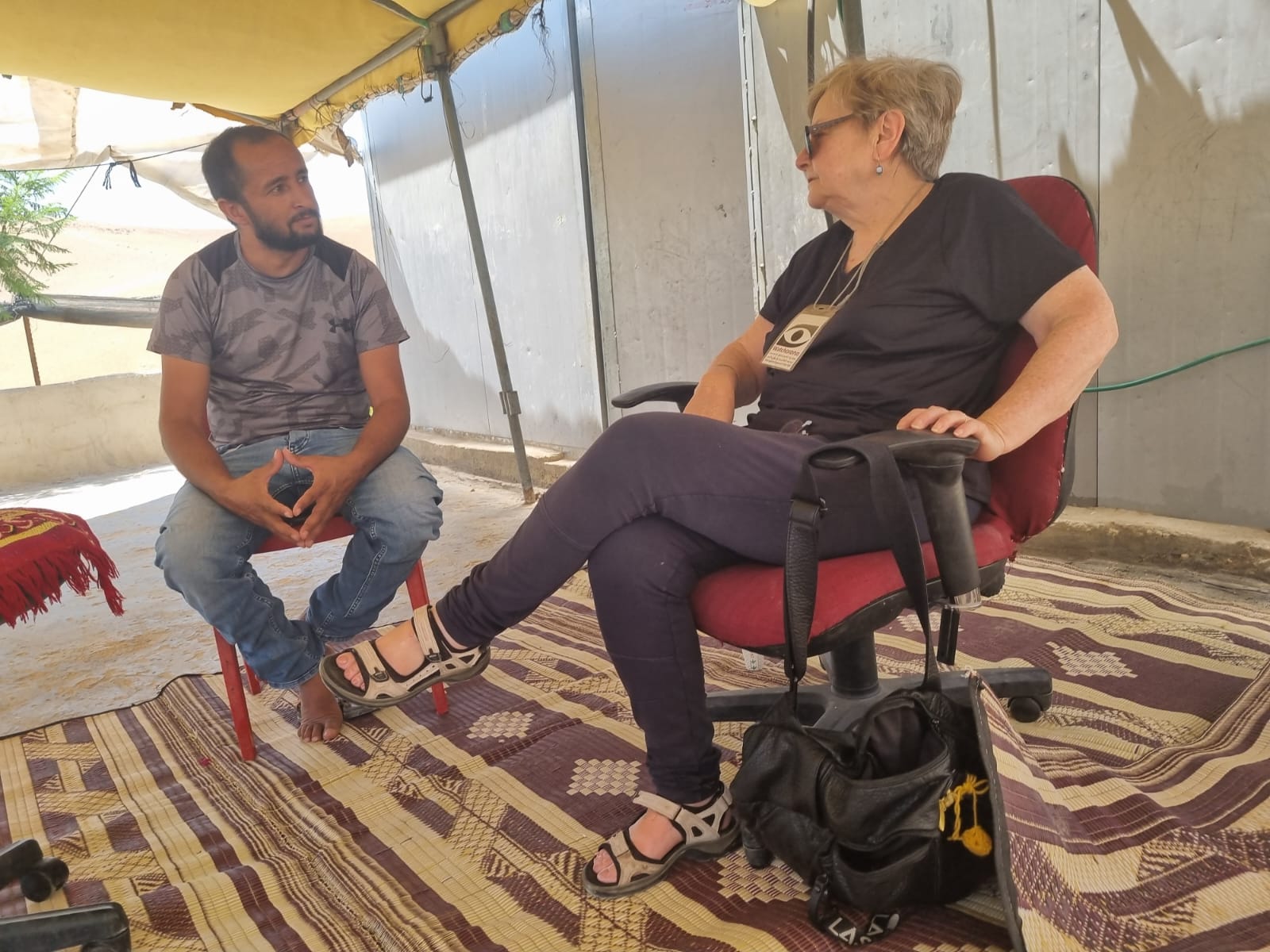
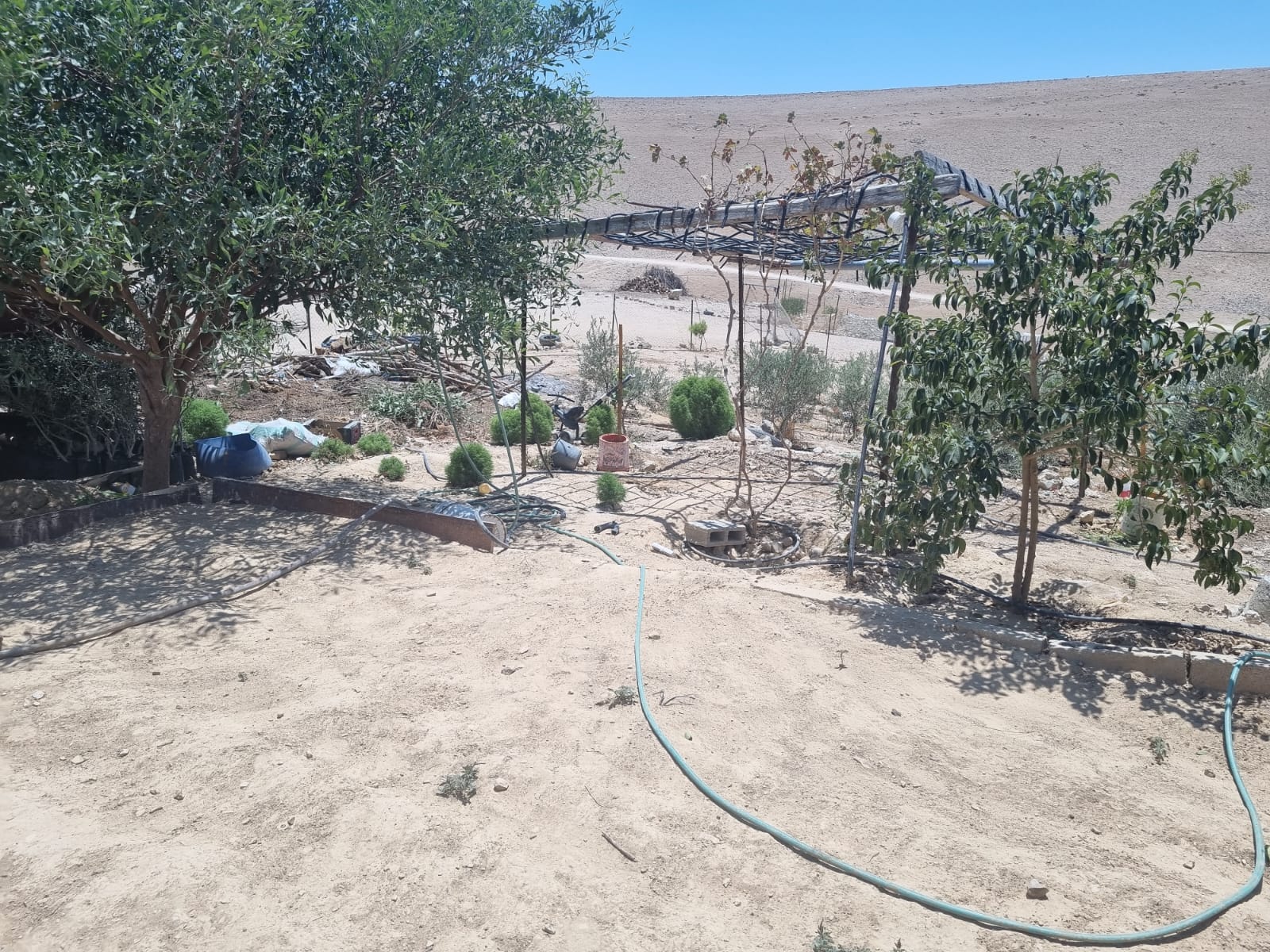
With great sadness we continued to the village of Umm Qusa to meet Najah and his family. On the way, near the village school, we saw groups of children going home. It turns out that there is a summer camp from August 1st to the 20th, from first to sixth grade. Teachers are instructors. There are school hours and there are hours for activity funded by the Palestinian Authority. Najah’s 3 sons are already at home. The youngest, Alma, is 3 years old and she is not yet in the program.
What’s new? I ask, and Najah says that two weeks ago settlers from the Carmel settlement poisoned the olive tree seedlings. The people of Umm al-Khair called the police who arrived in the village. When the settlers saw this, they fled to Shimon Attiya’s farm. When the police left Umm al-Khair, they fled to Yoav’s Midrag Lookout, which is near Umm Qusa and is located on a hill that was one of several police stations in the area during the British Mandate. The place is called Midrag Lookout (Umm Daraj).
Every few days, hikers come as the lookout has become a popular tourist attraction. At night, Yoav uses a firearm to scare the residents of the area and goes around showing the presence of who is in control of the villages.
#ThisIsTheOccupation
Location Description
South Hebron Hills
See all reports for this place-
South Hebron Hills
South Hebron Hills is a large area in the West Bank's southern part.
Yatta is a major city in this area: right in the border zone between the fertile region of Hebron and its surroundings and the desert of the Hebron Hills. Yatta has about 64,000 inhabitants.
The surrounding villages are called Masafer Yatta (Yatta's daughter villages). Their inhabitants subsist on livestock and agriculture. Agriculture is possible only in small plots, especially near streams. Most of the area consists of rocky terraces.Since the beginning of the 1980s, many settlements have been established on the agricultural land cultivated by the Palestinians in the South Hebron Hills region: Carmel, Maon, Susia, Masadot Yehuda, Othniel, and more. Since the settlements were established and Palestinians cultivation areas have been reduced; the residents of the South Hebron Hills have been suffering from harassment by the settlers. Attempts to evict and demolish houses have continued, along with withholding water and electricity. The military and police usually refrain from intervening in violent incidents between settlers and Palestinians do not enforce the law when it comes to the investigation of extensive violent Jewish settlers. The harassment in the South Hebron Hills includes attacking and attempting to burn residential tents, harassing dogs, harming herds, and preventing access to pastures.
There are several checkpoints in the South Hebron Hills, on Routes 317 and 60. In most of them, no military presence is apparent, but rather an array of pillboxes monitor the villages. Roadblocks are frequently set up according to the settlers and the army's needs. These are located at the Zif Junction, the Dura-al Fawwar crossing, and the Sheep Junction at the southern entrance to Hebron.
Updated April 2022
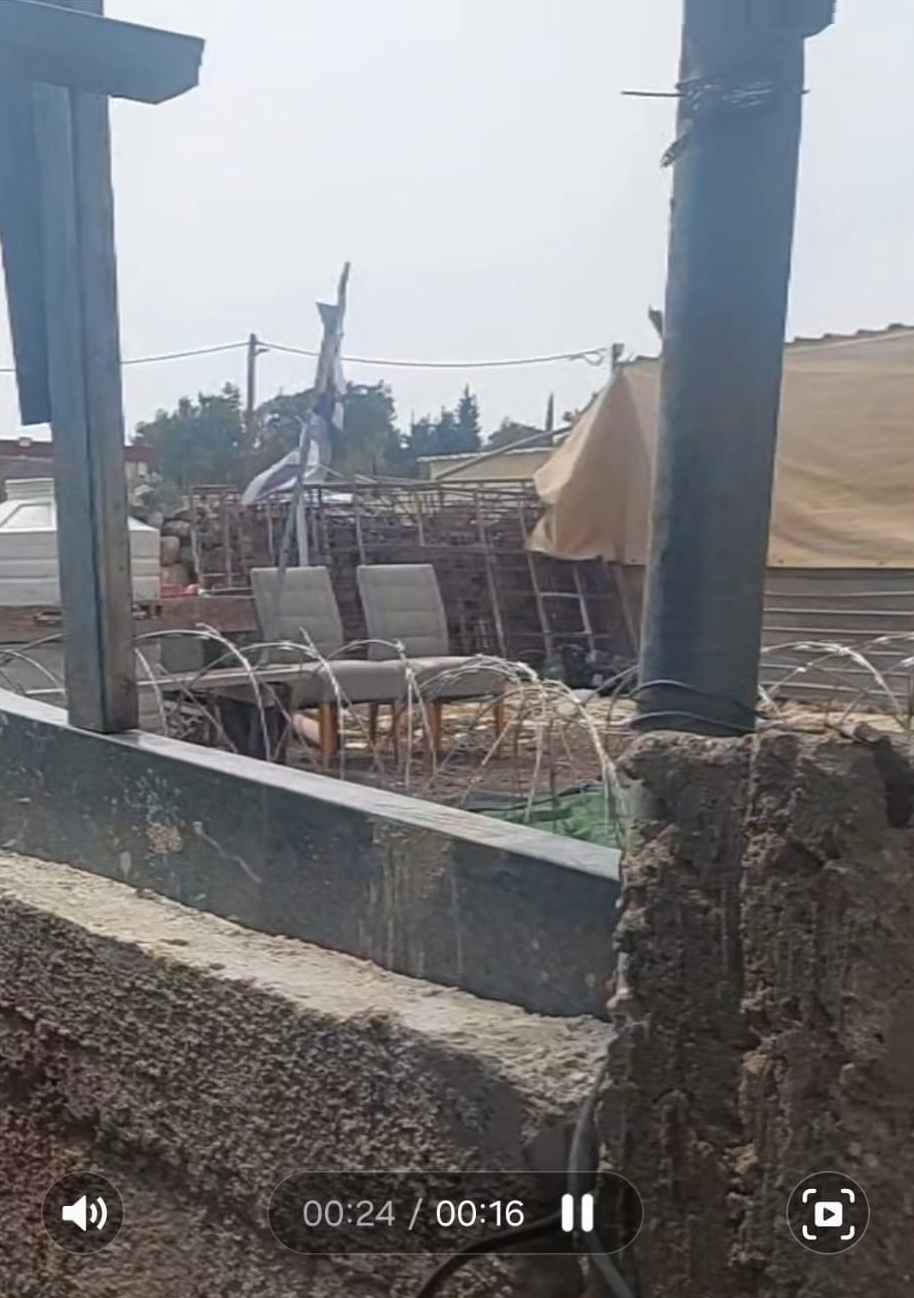 Michal TsadikOct-12-2026Umm al-Khair - Concertina wire and fences
-
Tarqumiya CP
See all reports for this place-
The Tarqumiya Checkpoint is one of the largest and busiest checkpoints where people and goods cross into Israel. It is located on the Separation Barrier close to the Green Line, on Road 35 (connecting Beer Sheva and Hebron). It is run by the Israel Defense Ministry’s Crossings Administration with civilian secuirty companies running the day to day operations. The checkpoint is indeed open to vehicles in both directions 24/7, but Palestinians are prevented from crossing in vehicles, except in special cases. MachsomWatch activists visit the checkpoint as it opens at 3:45 am, in order to observe the daily passage of nearly 10,000 Palestinian workers. The workers arrive from throughout the Southern West Bank. Our activists report on the tremendous overcrowding at this checkpoint; they have observed young men climbing and scrambling on the fences and roofs of the ‘access cages’. This is how the work day begins for those who ‘build the land of Israel’. updated November 2019
-
Umm al-Khair
See all reports for this place-
Umm al-Kheir
A Palestinian village in the southern Hebron governorate, populated by five families. The Palestinian residents settled there decades ago, after Israel expelled them from the Arad desert and purchased the land from the residents of the Palestinian village of Yatta. The village suffers from the violence of nearby Carmel settlers, from water shortage and is subject to frequent demolition of buildings by the Civil Administration.
-
