
The Jordan Valley - Life in the Shadow of the Terror of Expulsion
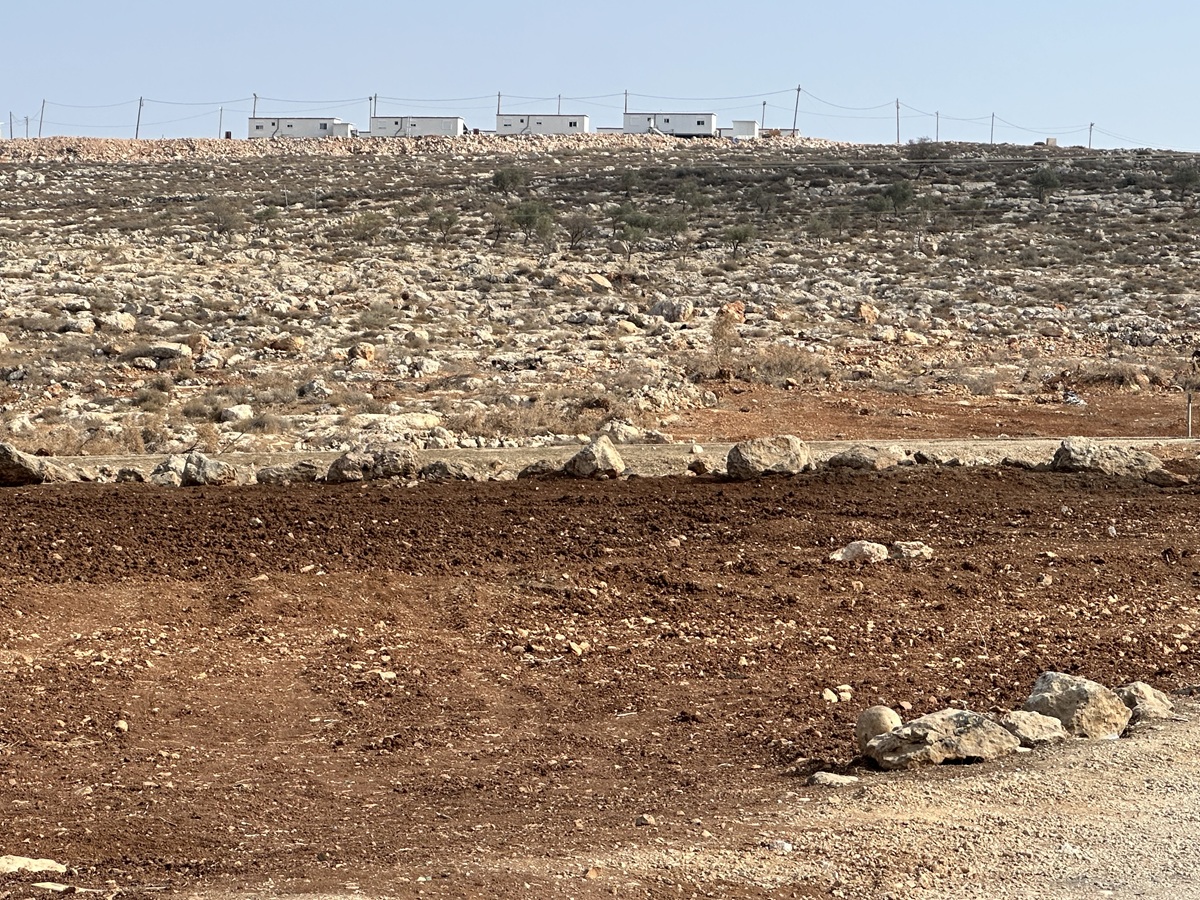
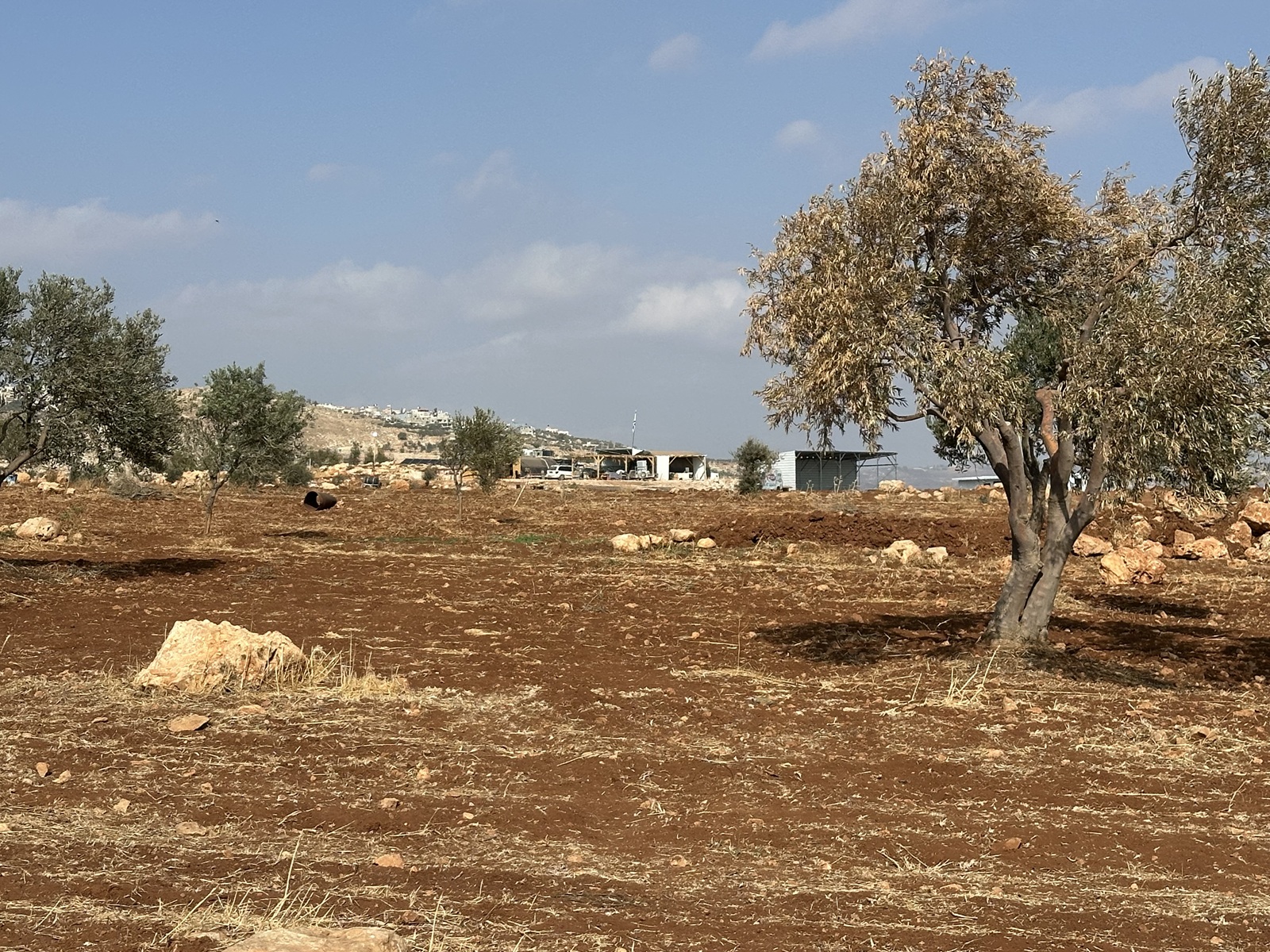
The original plan had been to drive around the villages to prepare for a visit that had been arranged for a political figure and not to spend much time in every place we visited. In the end, the situation is so bad there and the settler attacks are such a threat to every community and every mountain, that we were did more as a protective presence than preparing the tour. Protective presence: round-the-clock presence with the Palestinian herdsmen and villagers in the Jordan Valley.
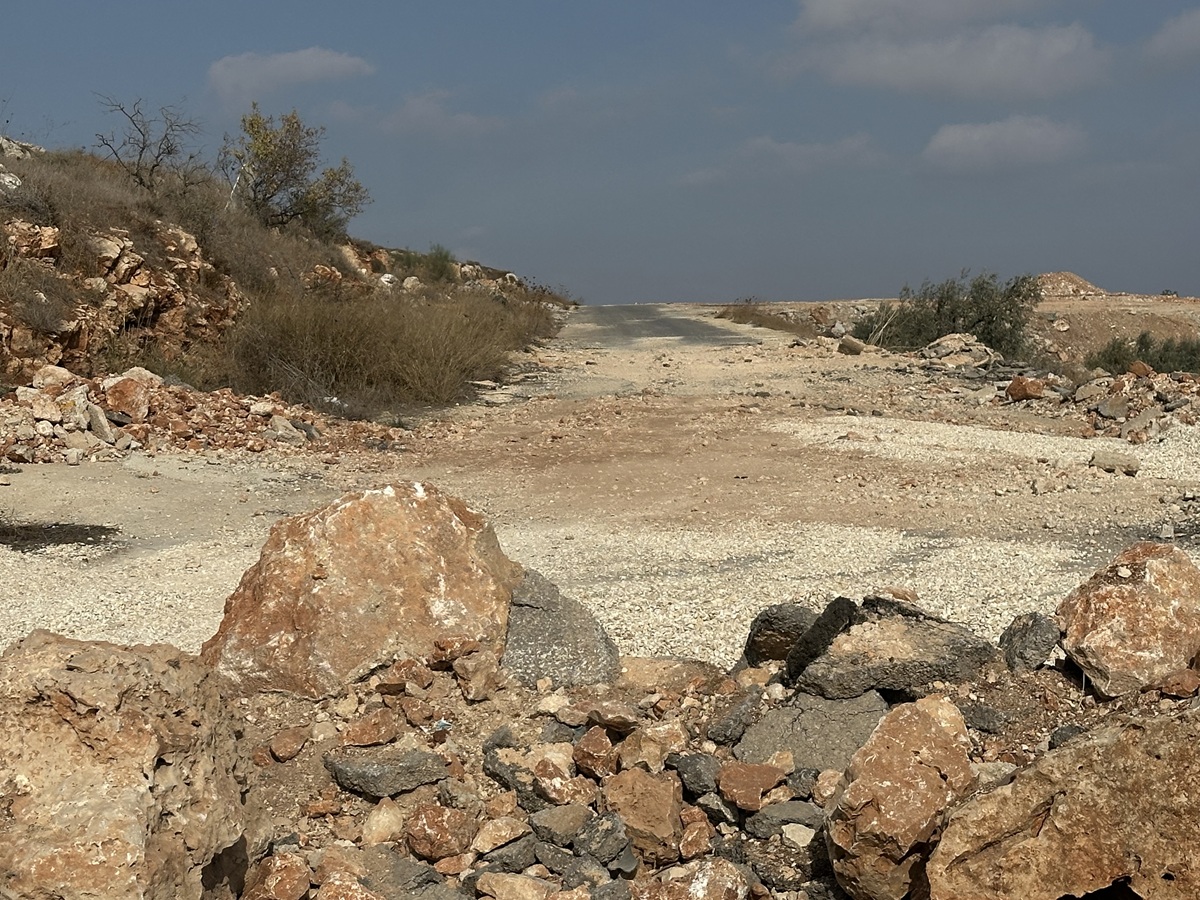
Majdal Bani Fdil, with around 3,000 residents is four kilometers from the town of Aqraba (pop. 10,000), a financial, cultural, and educational center for the whole area. There is a new hospital in Majdal Bani Fdil, which serves Aqraba and the entire region, but the road between the two localities was destroyed by the army on July 9, 2025: Some 200 meters of the road were expropriated by settlers to set up a new outpost (and to which the State of Israel immediately opened up a kurkar stone road) and in order to create the outpost, the settlers destroyed hundreds of olive trees and private farmland. That was apparently the reason the road was destroyed. Since then, if someone has a heart attack in Aqraba, they have to travel to the town’s southern exit and drive around for more than 10 kilometers until they reach the hospital at Majdal, where – if they survive the journey – they will receive treatment.
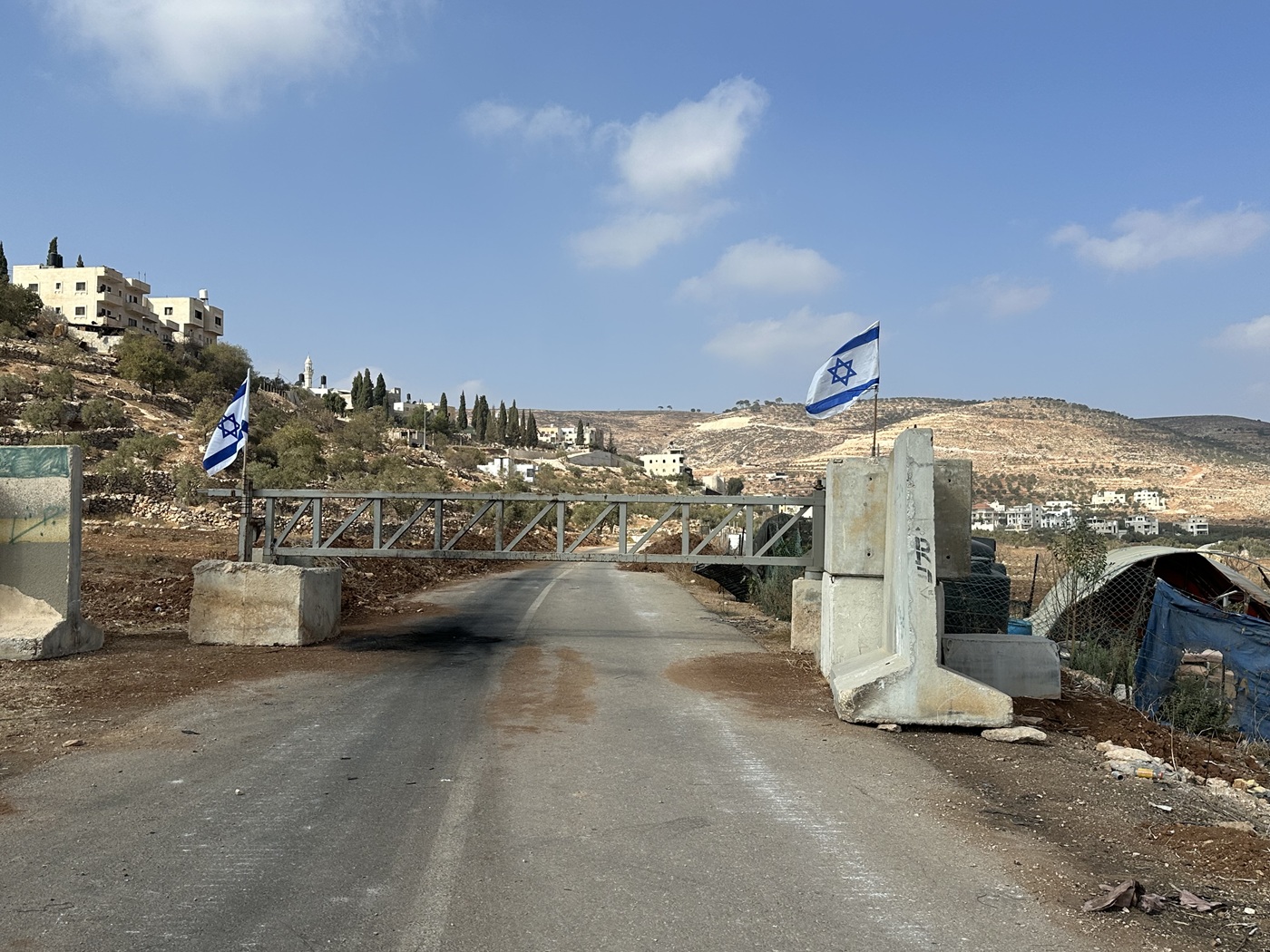
And worse. A critically ill person from Mughayyir (10 km from Majdal) has to drive via Turmus Ayya, Route 60, Tapuach junction, and Route 505 – a journey of over one hour, because Mughayyir has a closed checkpoint on the east (the route to the hospital). In this case, like many others, the appalling destruction of the Palestinian fabric of life is the result of cooperation between the settlers and the army.
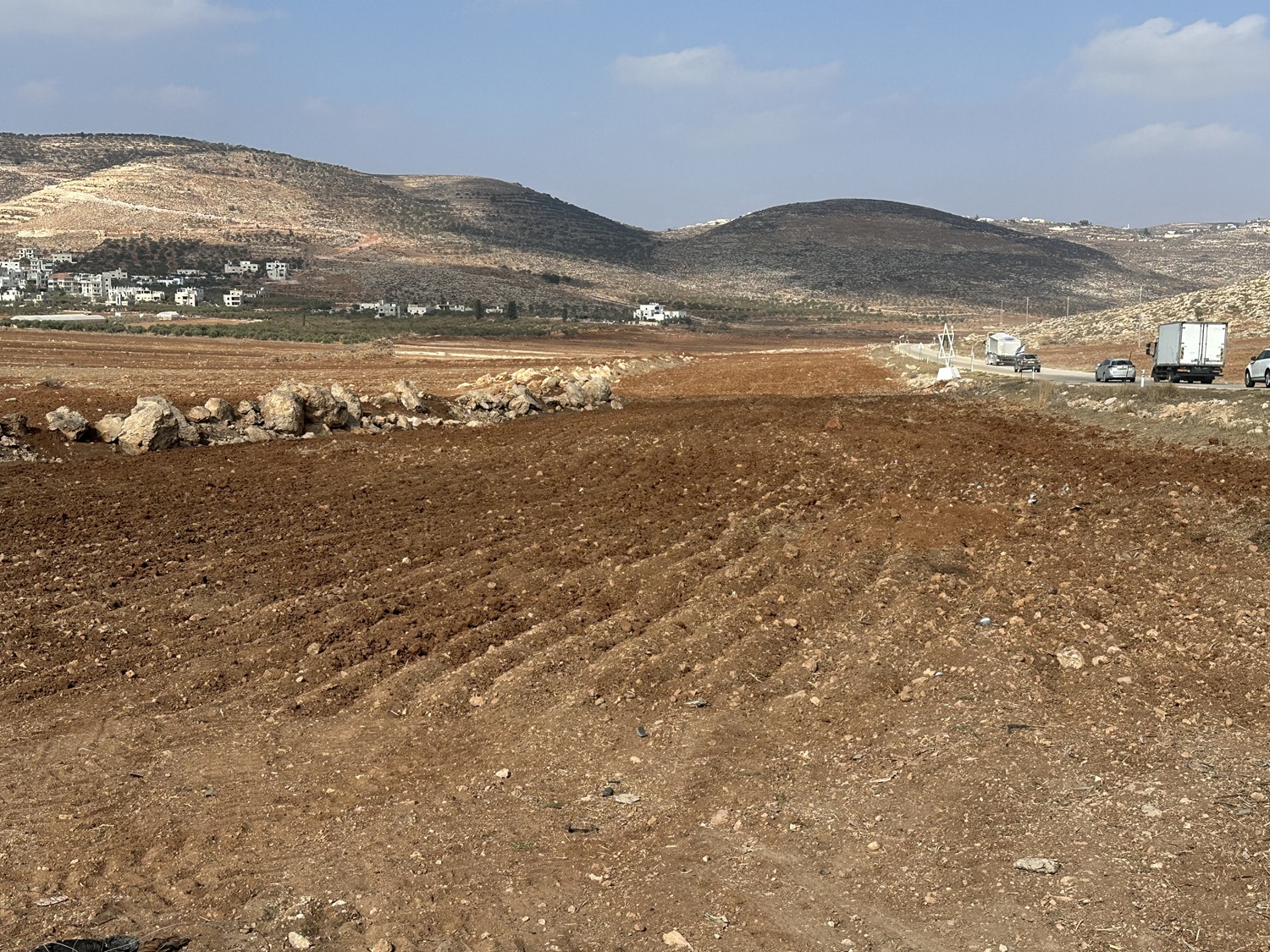
And, if we mentioned Mughayyir, on August 29, 2025, the army cut down some 3,000 olive trees at the entrance to the village as a collective punishment for an attempted shooting attack by someone from Mughayyir (which failed and no one got hurt). In the space of a few hours, dozens of villagers lost their livelihoods this way. It’s terrible to see the empty land at the (locked) entrance to the village.
Duma: Two compounds at the east of the village are frequently attacked by settlers from an outpost in the heart of the olive groves on the east of the village, which was established some two months ago. Clearly these olive groves are lost to the owners, who purchased them at great expense, and have planted and cared for them, and made a living from them for generations. For more than two months we have been trying to protect the compounds, mainly the smaller and more remote one, which belongs to R. In order that the settlers won’t harm their car, they leave it in the larger, better protected, compound (known as AB), which has also been fenced off recently with barbed wire and a locked gate.
We arrived, hooted the horn, and someone from the compound came to let us in. There was a lot of agitation because a settler was moving around close to the fence. Arik Ascherman was in the little, more remote plot and we decided to protect the large one. After a short time, two more hilltop youth arrived on an ATV with sidelocks and tzitziyot (tassels) flying and a chase ensued. They looked for a way to break through the fence and get into the village, and we chased after them inside the village with our phone cameras. At some point, the stopped, lay on the fence (the locals had spread blankets on it to air them) and rattled it in an effort to destroy it, until they got fed up and left. The first settler stayed and began to surround the plot and threaten the villagers.
Almost every day they break in, with beatings and threats, and steal property. Rabbi Arik joined us and left the small plot without any Israeli protection. When he returned, he found settlers were already inside the compound and the frightened Palestinian had locked himself in his home.
There are lots of kids in the compound where we were, some have been evicted from the smaller, more remote compound. While the settlers were surrounding the fence and rattling it, the parents brought the children home and we could hear them crying fearfully inside. In the end the settlers left and the children came out, still crying and shaking continuously. We were particularly drawn to one of them, 3-year-old Malak, who was watching us fearfully and crying. I brought her a large toy puppy from the car (thanks to Raya, who shoved several dolls and toys at us, as we were leaving), and she hugged it tightly and only then did a smile break through the tears.
Mu’arrajat; No words – to see this large locality with its deserted mosque, school, clinic, and residents’ ho mes with windows gaping, like blind eyes, and to cry. Everything I’ve described so far is the goal of the occupation: to expel peaceful residents from their homes and from their land, to make their lives miserable with the force of evil, until they flee in fear. Pure evil! On July 5, 2025, 300 residents of the village fled after two years of incessant violence.
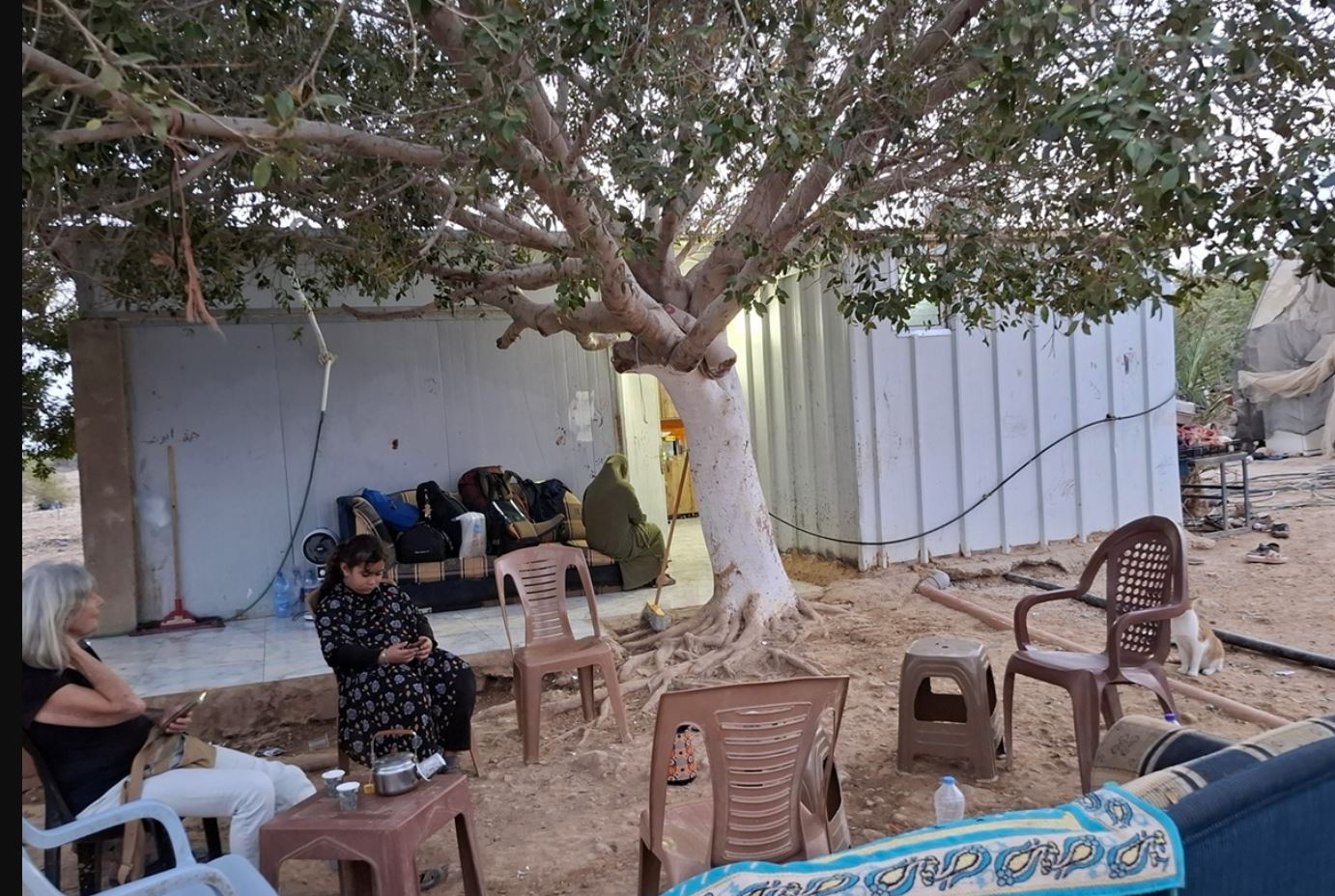
Ras al Ayin: Israeli volunteers have had protective presence shifts for several years for fear that the expulsion from Mu’arrajat will encourage the settlers and this will be next. Some of the residents have already left and we are there to enable those remaining to survive. Every day, morning and afternoon, hilltop youth come to the village together with their herds and try to break in to the homes. There was only one volunteer in the madafa (traditional hospitality tent where the activists sleep), but there is another house for volunteer-activists from abroad, where our friend Ben Zion also lives. We went to visit him. Apparently, he feels far better here with the action and desert scenery than in his home in Petah Tikva.
At 2 o’clock two activists came to relieve the volunteer who had already been there 24 hours. I was very excited to meet dear David Shulman, whom I so admire. Immediately there was a call for help from Area S. Two will youths had come there with their flocks. We went straight there and while we were there, they didn’t come close to the homes. We sat in the car and chatted. After an hour, replacements arrived.
Fassayil: Only A remains in that part of the village, after the military security coordinator of the settlement Tomer and one of his friends put a fence round the village and round every house, so that all the residents of Fassyil Vista (the center of the village) found themselves trapped in their homes. Today A received a warning from Omri, Tomer’s military security commander, accompanied by an officer from the Civil Administration, saying: You are not allowed to work in Tomer until you evacuate your home. A cruel choice between the home where he has lived for 20 years with his family and his livelihood. For years, he and his wife Tahrir have been developing the house. They planted a large tree for shad, and now, in order for them to be able to eat, they will have to leave. We are trying to find A an alternative place to work to save his family, who have nowhere to go.
Location Description
Jordan Valley
See all reports for this place-
Jordan Valley The Jordan Valley is the eastern strip of the West Bank. Its area consists of almost a third of the West Bank area. About 10,000 settlers live there, about 65,000 Palestinian residents in the villages and towns. In addition, about 15,000 are scattered in small shepherd communities. These communities are living in severe distress because of two types of harassment: the military declaring some of their living areas, as fire zones, evicting them for long hours from their residence to the scorching heat of the summer and the bitter cold of the winter. The other type is abuse by rioters who cling to the grazing areas of the shepherd communities, and the declared fire areas (without being deported). The many groundwaters in the Jordan Valley belong to Mekorot and are not available to Palestinians living in the Jordan Valley. The Palestinians bring water to their needs in high-cost followers.
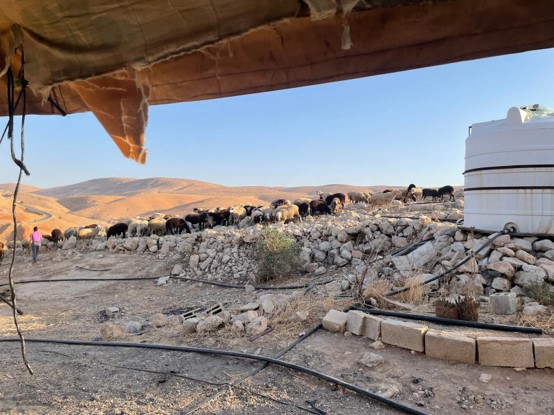 Rachel AfekOct-22-2026Jordan Valley, Hamra – Livestock searching for food
-
