
Tayasir Checkpoint, Jordan Valley: Opening and closing hours without logic or benefit
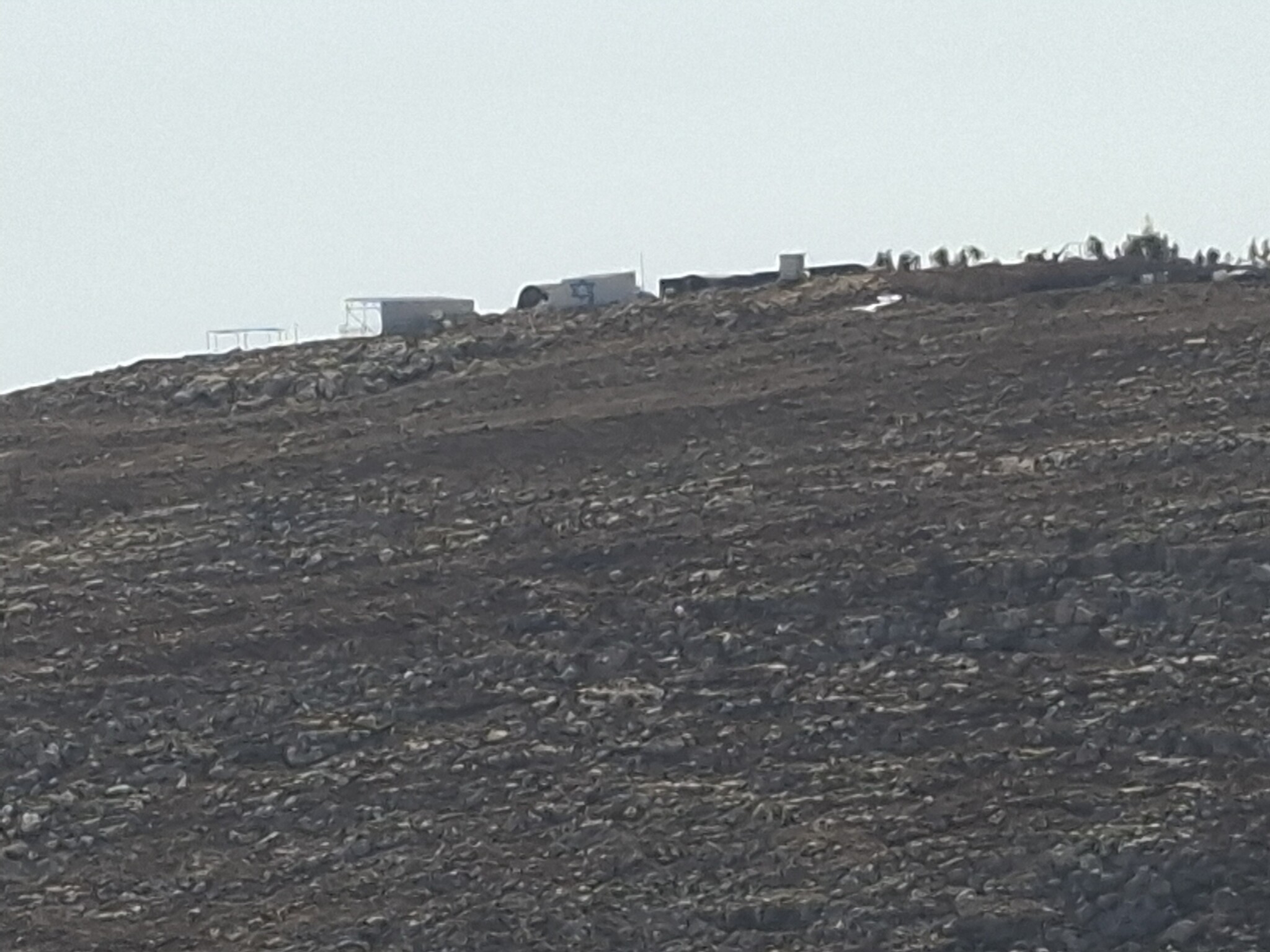
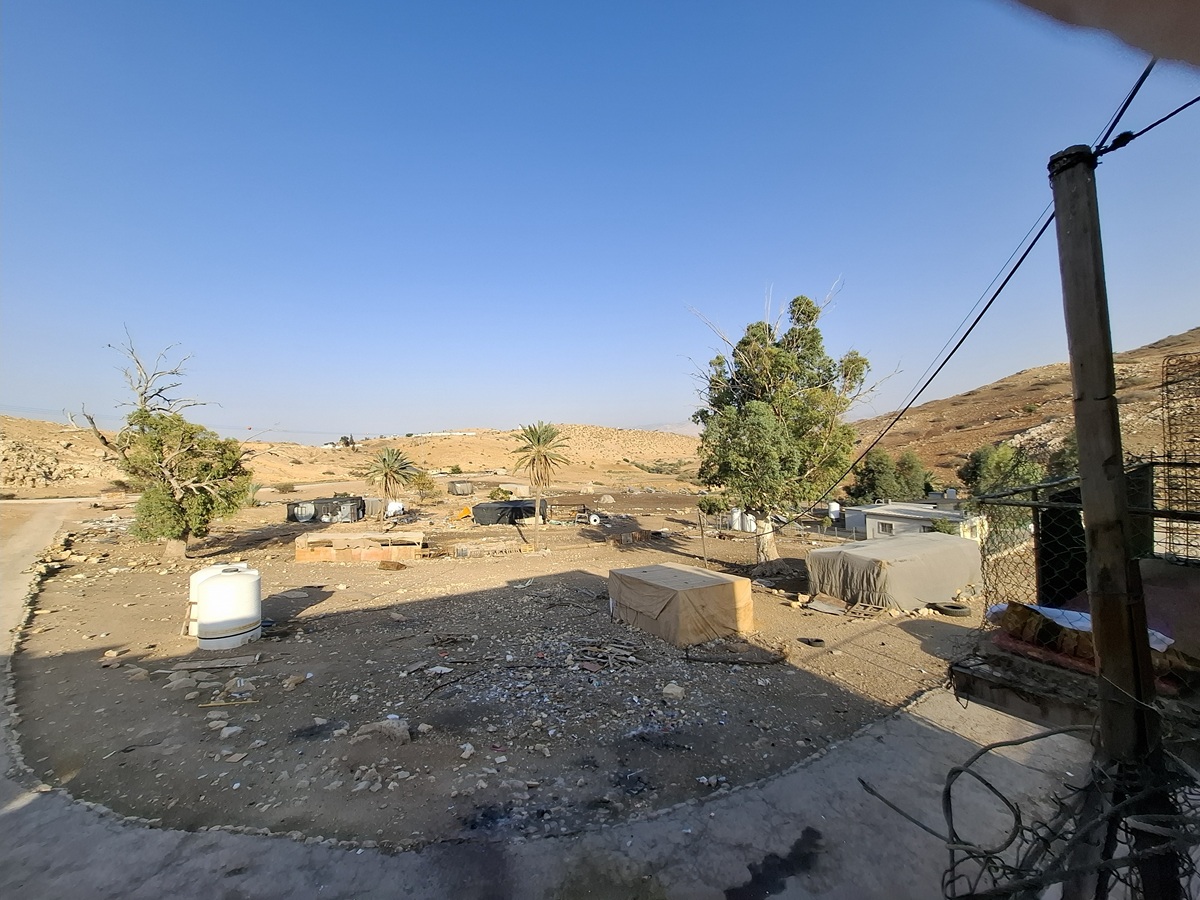
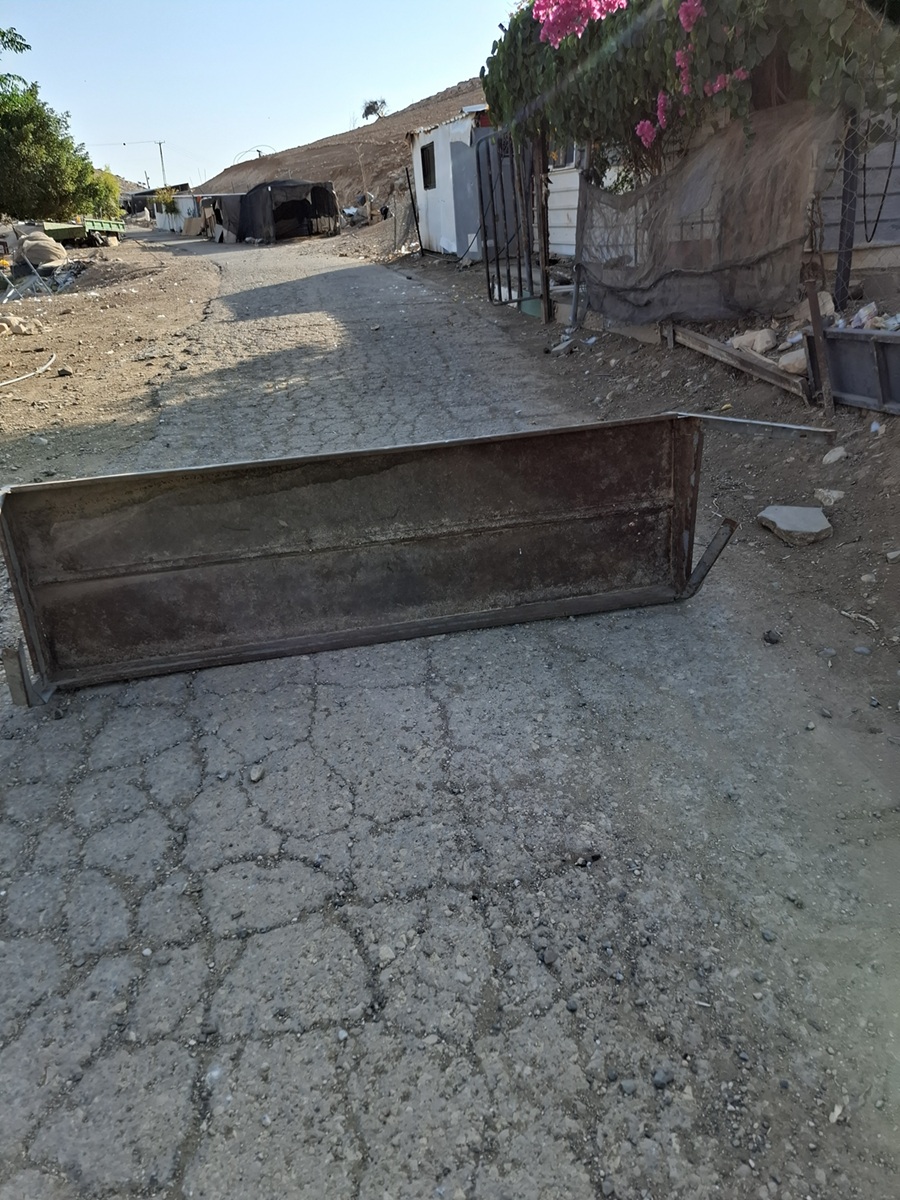
We passed through Duma – we get so many reports that Palestinians cannot harvest their olive tree groves because of the illegal colonist outposts situated at the outskirts of the Palestinian villages. We checked –The first outpost erected is in the heart of the Palestinian olive tree grove, on privately-owned land! (2 months later another outpost was erected, in eastern Duma, it too in the heart of the Palestinians’ olive tree grove). This is it – if no change is in sight, or a real turnover, the owners of these trees will never again enjoy the olives they planted and grew on their privately-owned land.
Humsa – colonists pass through this community every day, looking, photographing, sowing fear.
Al Hadidiya – a visit to the Salamin family, attacked at home by colonists last week. I had not visited this community in over 10 years. My contact person, brother Riad, moved to the South Hebron Hills, and our contact broke. We entered hesitantly, but the mother greeted us joyfully – the same woman who had prepared Nava and myself some divine knaffe at the Eid al Adha – sacrifice holiday – 10 years ago. Immediately, everyone crowded around us and invited us to the hosting tent. They were still in shock from the colonist attack against them last week, as the colonists came to their homes, dragged the elderly mother from the entrance and pushed her to the ground, fired live at the inhabitants, and when soldiers finally arrived, they arrested… not the pogromists but the attacked Palestinians! These were detained until midnight at the army base, received blows and humiliations and were finally released far away from home.
We continued along the road leading from Ain al Hilwa to the Tyassir checkpoint. On the side of the road, we saw an elderly person standing by his car, the hood of his engine raised. We stopped and asked if he needed help. Apparently, he lives in Nof HaGalil – Upper Nazareth – and came to Tubas for dental treatment (locals later told us that Tubas has a wonderful dentist – in case anyone with tooth pains needs one!). His battery died and he got stuck. We started his car with my cables. We took our time to turn around and as we continued, we met him again about a kilometer away. He got stuck again, and we helped him start the car again. He called a friend and asked him to bring him a new battery from Tubas for, clearly, he couldn’t get far with the present battery. However, that friend was already stuck for about an hour at the Tyassir Checkpoint. After we started his car again, we drove after him to the checkpoint. The long waiting line there made it clear why the friend could not join the man with the new battery. It was unpleasant, for drivers kept asking us to talk to the soldiers as they had been waiting at the checkpoint for a long time, and we realized we were absolutely unable to help them. Later we stopped at Hamam al Malih (all of whose inhabitants save for a single family have left because of the harassment by the colonist who lives right next to the checkpoint). We were told that the checkpoint opens only from 5 a.m. to 6 a.m., and then from 3 p.m. to 5 p.m. The rest of the day it is closed and no one is allowed through – not to see a doctor, not for studies, certainly not for shopping or family visits. When it is opened, one or two persons get through, and then the soldiers stop for an undefined period of time so that even when the checkpoint is open, crossing it is a nightmare.
Along the road we saw that the greater part of Al Mayata and Hamam al Malih inhabitants have left the area, some to the Al Auja area and others to the Jiftlik. Again, colonist violence and the total backup of the Israeli army make for ethnic cleansing of the Palestinian inhabitants of this area.
Finally, we stopped by Qadri and his wife Hadija. A month and a half ago, the army demolished their home over everything they had and left them exposed to the searing sun without any kind of shelter. In the meantime, they erected one tent for themselves and their children, in which they also wash and cook. The family had already been victimized by colonists earlier, including the theft of most of their cattle, and total blockage of their grazing grounds. Thus, the family lost all sources of its livelihood. Their home has now been demolished – what have they got left in this searing desolation?
Location Description
Jordan Valley
See all reports for this place-
Jordan Valley The Jordan Valley is the eastern strip of the West Bank. Its area consists of almost a third of the West Bank area. About 10,000 settlers live there, about 65,000 Palestinian residents in the villages and towns. In addition, about 15,000 are scattered in small shepherd communities. These communities are living in severe distress because of two types of harassment: the military declaring some of their living areas, as fire zones, evicting them for long hours from their residence to the scorching heat of the summer and the bitter cold of the winter. The other type is abuse by rioters who cling to the grazing areas of the shepherd communities, and the declared fire areas (without being deported). The many groundwaters in the Jordan Valley belong to Mekorot and are not available to Palestinians living in the Jordan Valley. The Palestinians bring water to their needs in high-cost followers.
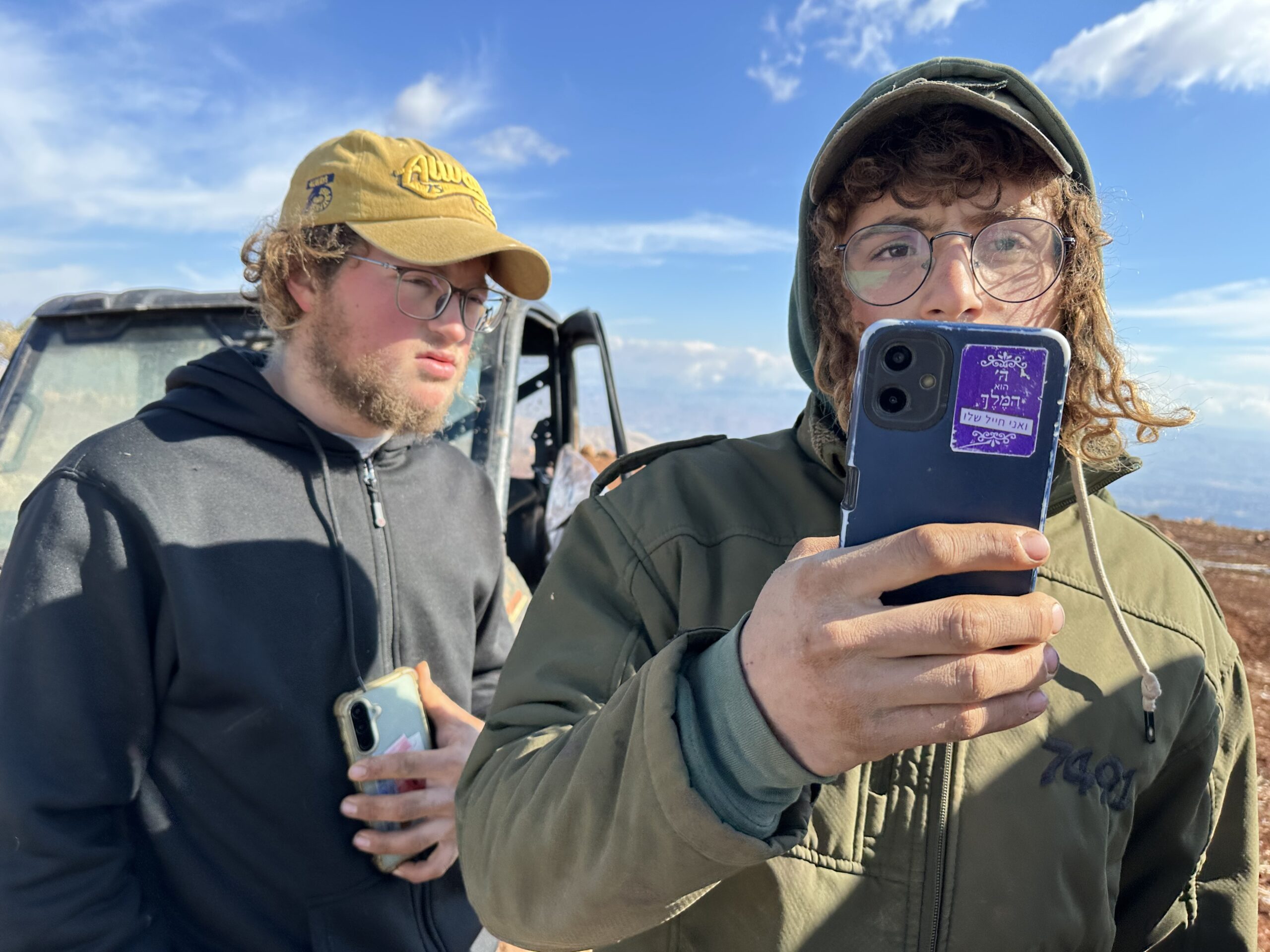 Nurit PopperDec-16-2027Nurit is threatened by settlers from close range.
-