
Settlers lock entrance gates to Palestinian private plots
We went to the Abu Kbeita families who live next to the settlement of Beit Yatir on the Israeli side of the fence, not far from the Metsadot Yehuda checkpoint.
We bought groceries to be distributed among the five families living there together. We also brought a lot of clothes, toys, and equipment. One of the girls was already running to the bags, pulling out a small satchel and happily putting it on her back.
They are suffering mainly from the people of the Talia family’s Lucifer farm. We wrote a lot about them.
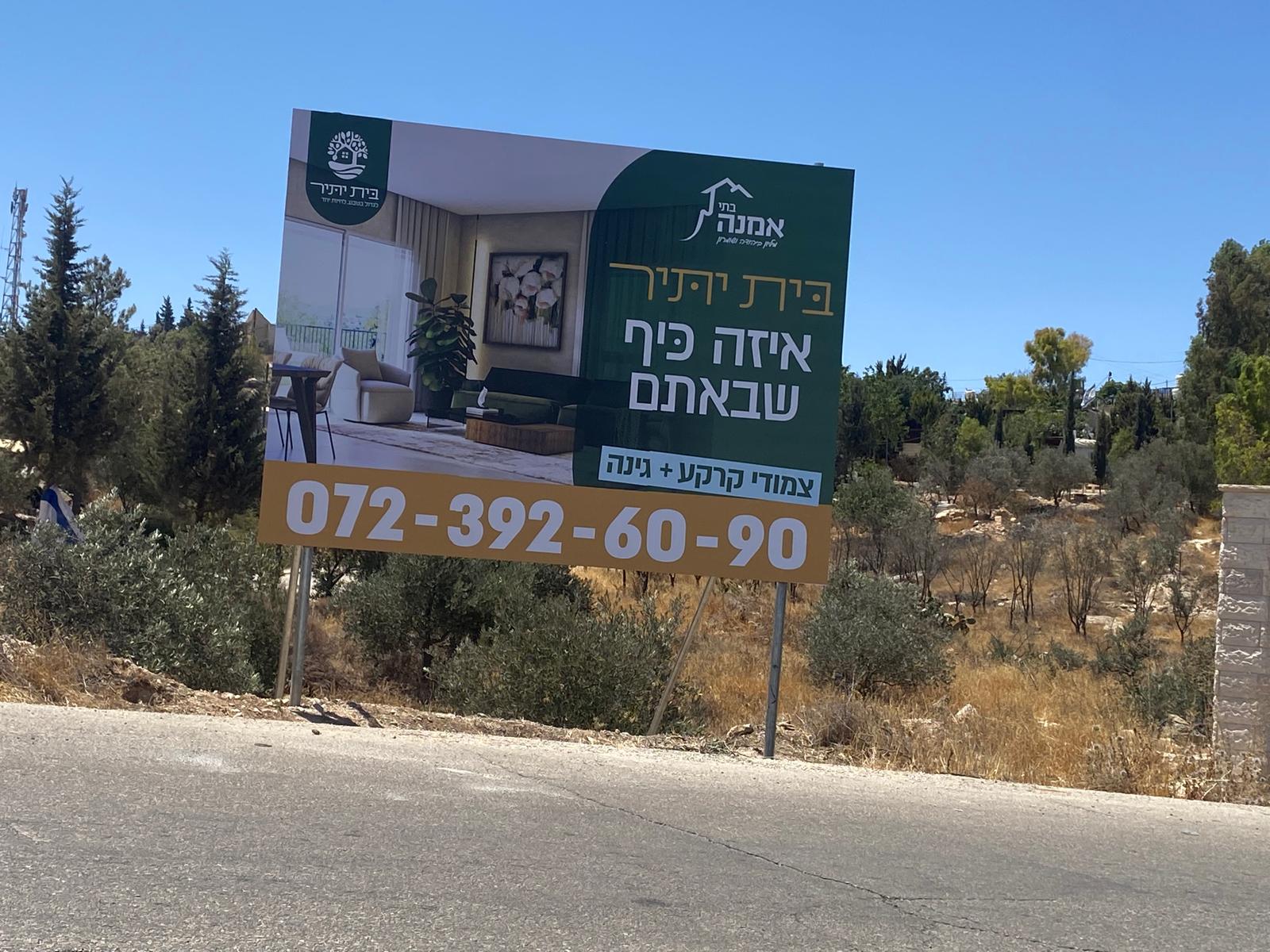
There have been a few more incidents of the settlers’ war of attrition against the local people. A few weeks ago, for no reason, they locked the entrance gates to the plots of the Palestinians. These are are legally theirs and they have the documents from the High Court of Justice, another attempt at plundering the Palestinian lands. After a few days, a fire broke out there, which only the IDF could enter and put out since it was very close to Beit Yatir. Then the settlers realized that it would be better for the gates to be open to their owners, so that they could deal with the natural disasters on their own. A few days ago, the DCO members arrived, walked around their yard, and asked for a list of all the residents there. “Get it ready for us, we’ll come pick it up in a few days,” they said. From their yard, you can see a new trailer neighbourhood as part of the Beit Yatir expansion. It was impossible to get close enough to take a clear picture, so we settled for taking a picture of the large sign inviting us to join them.
They talk about the days since the war started and the sirens. They have caves that they move into. I think they’re safer than our shelters.
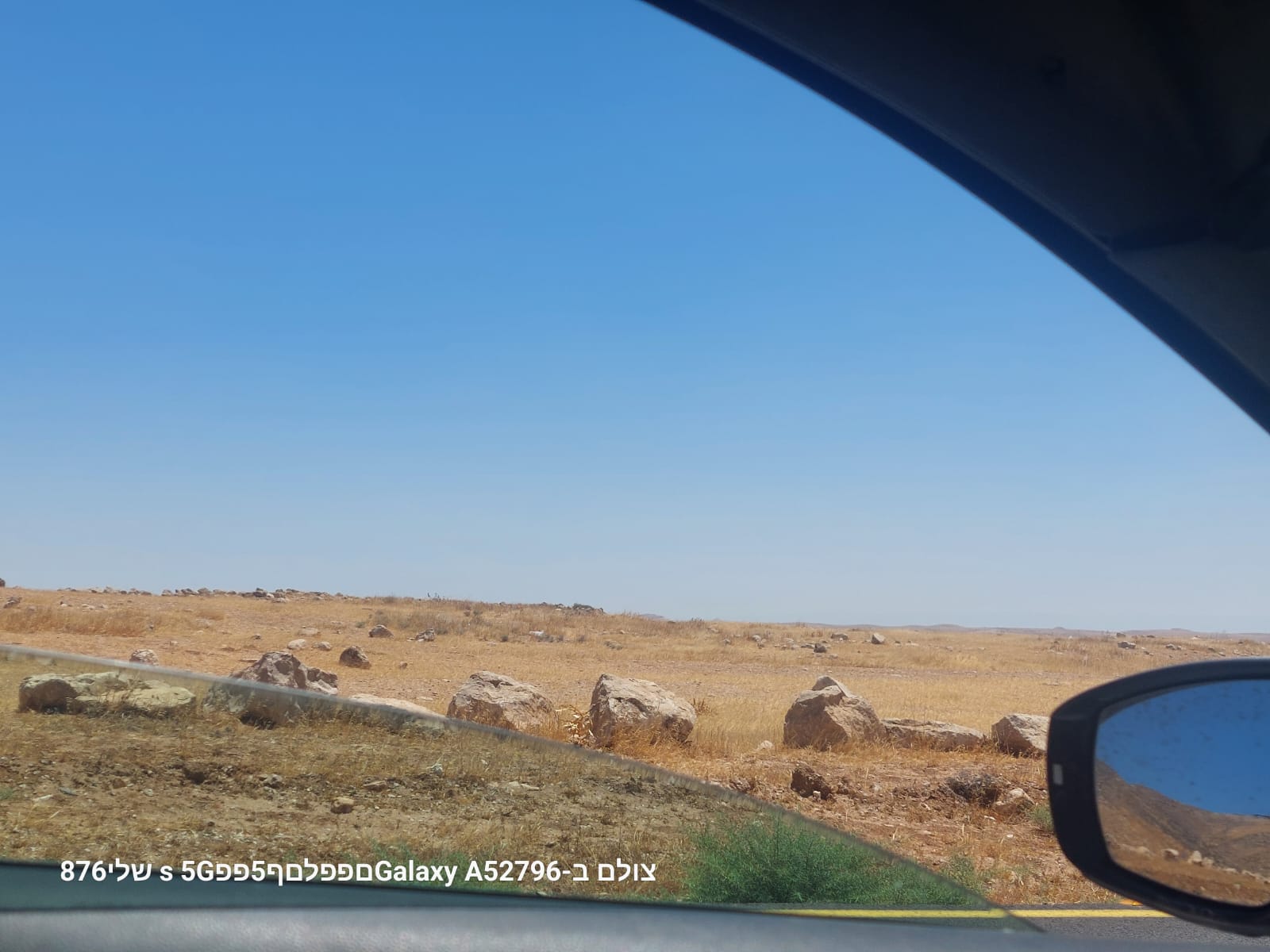
On the way back, we decided to return via Route 80, the one that descends to the Arad Valley from Beit Yatir, the highest in the southern Hebron Mountains. Along the way, our forces laid stones for many kilometres so as to block access from the road to Jimba and other small places in Masafer Yatta. This blockade almost reaches the entrance to the Nahal brigade main training base near Tel Arad. It’s clearly visible from the road.
Location Description
Masafer Yatta*
See all reports for this placeSouth Hebron Hills
See all reports for this place-
South Hebron Hills
South Hebron Hills is a large area in the West Bank's southern part.
Yatta is a major city in this area: right in the border zone between the fertile region of Hebron and its surroundings and the desert of the Hebron Hills. Yatta has about 64,000 inhabitants.
The surrounding villages are called Masafer Yatta (Yatta's daughter villages). Their inhabitants subsist on livestock and agriculture. Agriculture is possible only in small plots, especially near streams. Most of the area consists of rocky terraces.Since the beginning of the 1980s, many settlements have been established on the agricultural land cultivated by the Palestinians in the South Hebron Hills region: Carmel, Maon, Susia, Masadot Yehuda, Othniel, and more. Since the settlements were established and Palestinians cultivation areas have been reduced; the residents of the South Hebron Hills have been suffering from harassment by the settlers. Attempts to evict and demolish houses have continued, along with withholding water and electricity. The military and police usually refrain from intervening in violent incidents between settlers and Palestinians do not enforce the law when it comes to the investigation of extensive violent Jewish settlers. The harassment in the South Hebron Hills includes attacking and attempting to burn residential tents, harassing dogs, harming herds, and preventing access to pastures.
There are several checkpoints in the South Hebron Hills, on Routes 317 and 60. In most of them, no military presence is apparent, but rather an array of pillboxes monitor the villages. Roadblocks are frequently set up according to the settlers and the army's needs. These are located at the Zif Junction, the Dura-al Fawwar crossing, and the Sheep Junction at the southern entrance to Hebron.
Updated April 2022
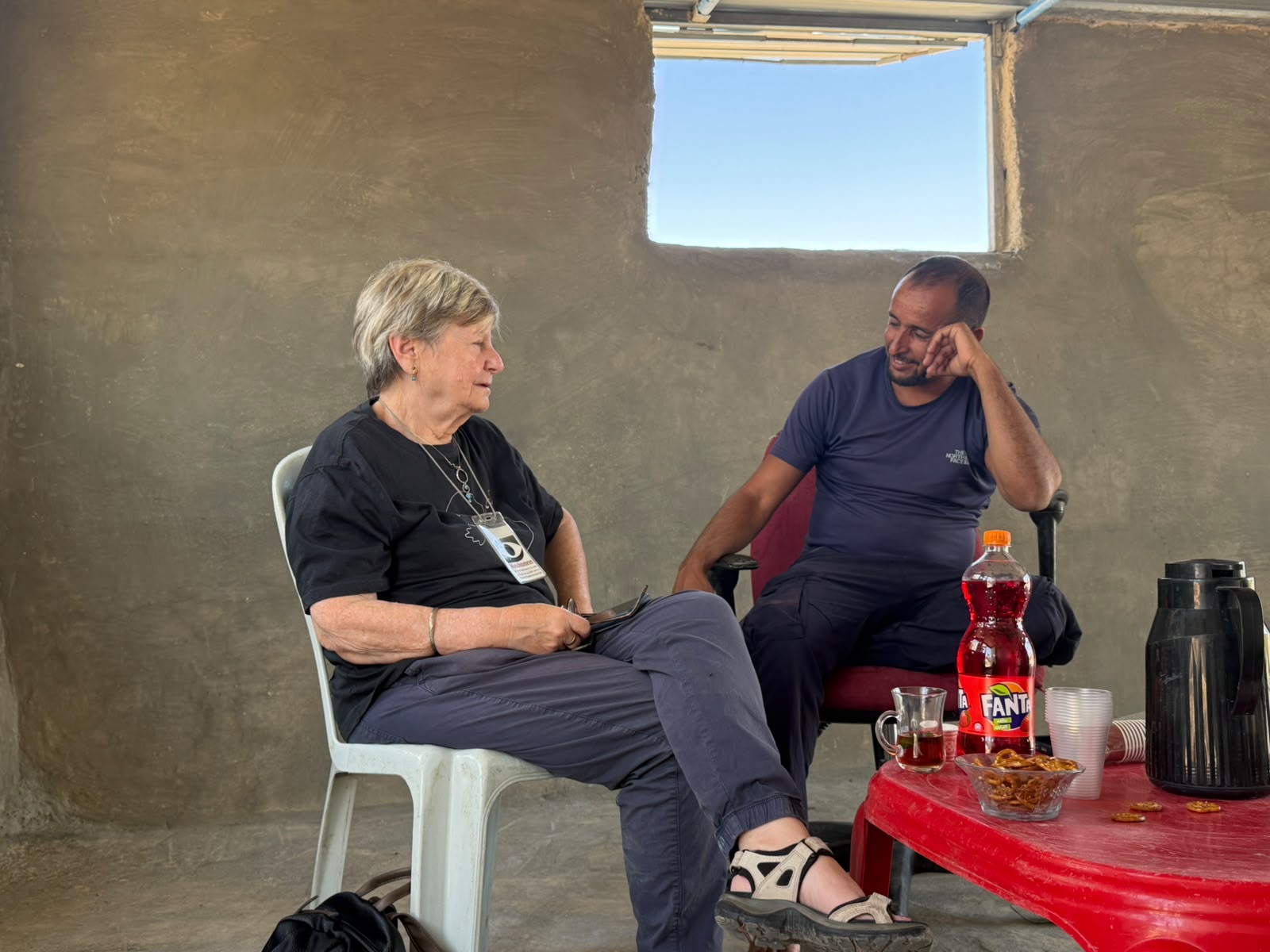 Muhammad D.Oct-10-2026Smadar with Najeh in Umm Qusa
-
