
Ein al-Hilwe: young settlers from Maskiyot pass among the communities and scare the shepherds’ families
Al Farisiya
Natalie and I arrived at Al-Farisiya around 7 a.m. and from there went to Ein al-Hilwe to accompany S.’s 3 daughters to the grazing ground. The eldest went out with her 2 children (3- and 1-year old) the youngest of whom she held the whole way.
I was surprised she took them along since the way to the grazing ground begins with an upward climb filled with rocks and stones. I thought that if trouble brewed the presence of such small children could prove dangerous. But the shepherdesses are used to these conditions – they move around easily jumping from one stone to another without hesitating, barefoot or in old sports shoes, at times their soles nearly coming apart.
We spent about three hours outside the village. Once in a while we changed places in order to find some grass. In fact, besides several shoots among the stones, there was almost nothing left to eat. Some green plant does grow in certain places but for some reason the sheep do not touch it.
At some point the Rotem settlement security official came around, looked at us but did not stop or speak to us.
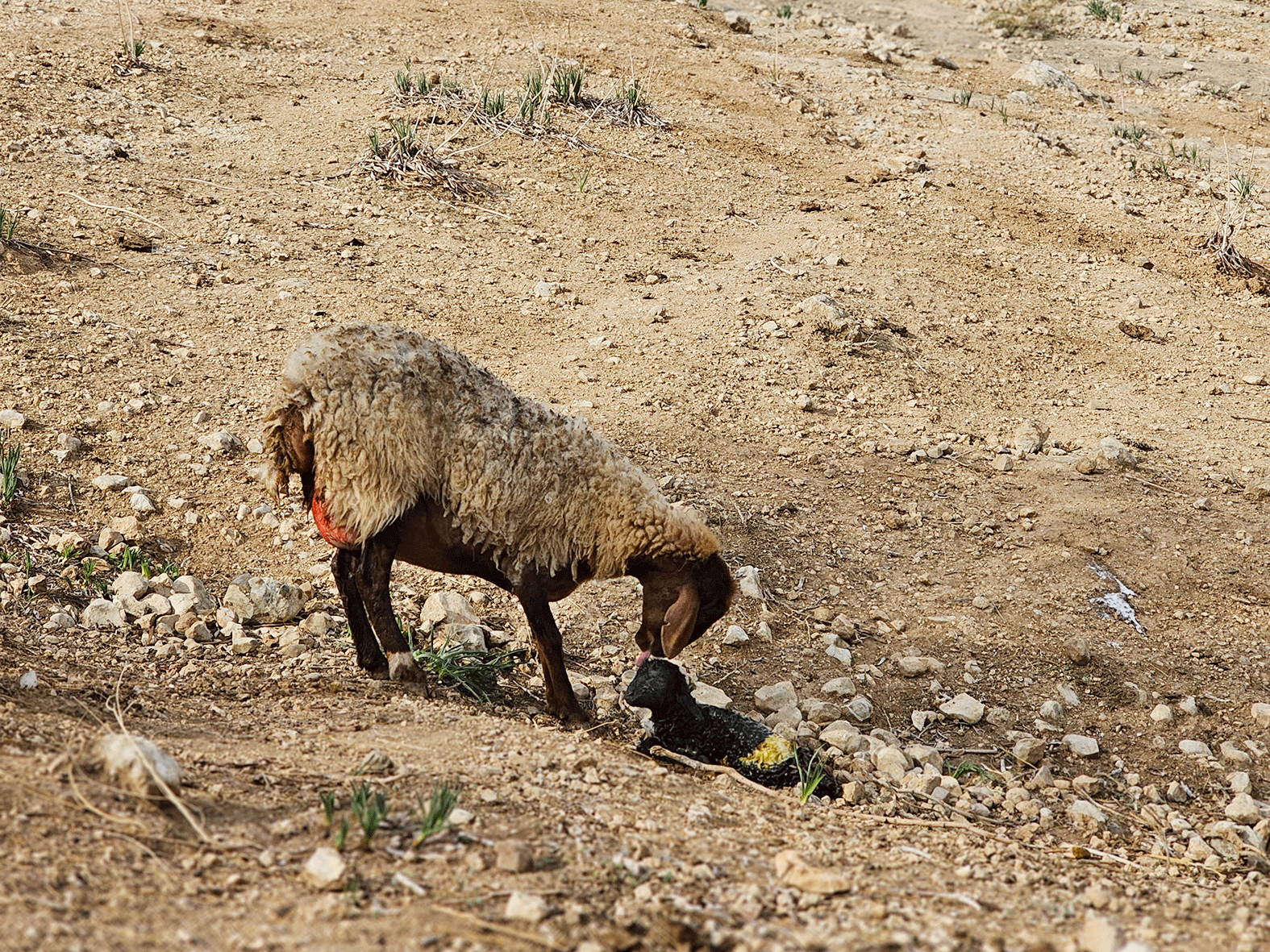
A short while later, one of the sheep began to deliver. Sister Z. asked us to keep our distance and especially not to make any noise. We stood aside and looked on. The delivery was difficult: the lamb was stuck and only one leg came out. Z. made the sheep lie down and tried to help her. She really had to force the cervix open in order to free the head. It lasted a long time and when the lamb was finally out, we thought for a moment that it was dead. Z. opened its mouth to enable the air to come in and slowly he began to move.
We waited until the mother finished licking her newborn. Then the sisters tried to help him suck. R., the youngest sister, tried to attach him to the teats but had no luck. Finally, she milked the mother herself and entered the milk directly into the lamb’s mouth.
After returning to the houses, we went out again, with the cattle this time, to water them in the spring on the other side of the road.
Around 2 p.m. I picked up four volunteers and we drove to the home of W. at Humsa, where I wanted to buy almonds. There are five communities scattered along a single dirt road in the middle of the area.
After the visit at W.’s, who lives in the third community, we continued to the last community, to the home of K., where I had already slept in the past. I wanted to have him meet the new volunteers.
K. invited us into the tent where his brother was sitting. The brother told us about the community’s hardships: Settlers from Beqa’ot arrive nearly every day on their ATVs, especially Neriya Shalem who has erected an outpost practically adjacent to their homes. The Settlers threaten, vandalize property, and intentionally disturb the community in order to prevent their grazing.
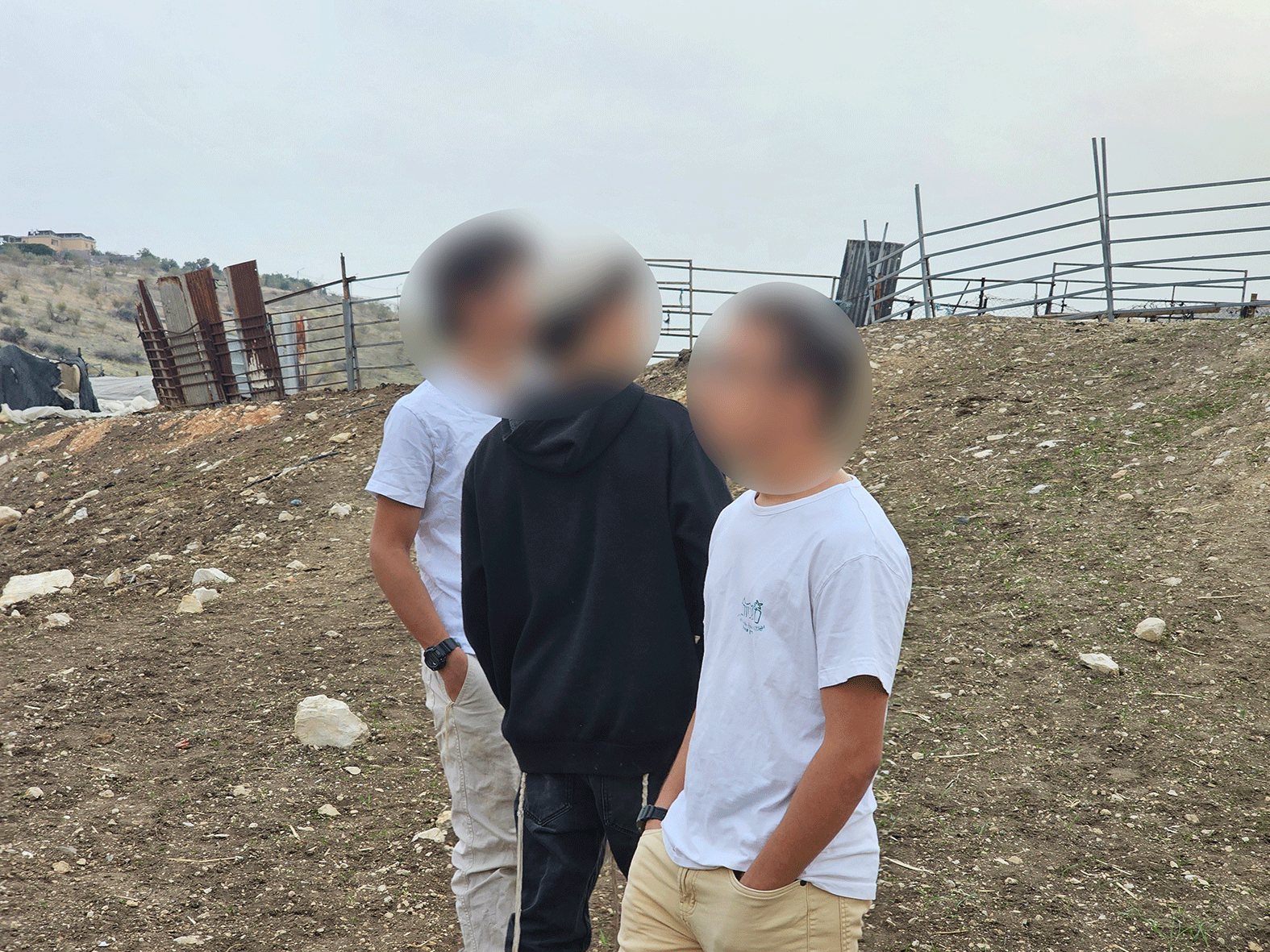
At 3 p.m. Settlers from Maskiyot came to Ein al-Hilwe. They are always the same youngsters, in changing numbers. We were six volunteers there, and this enabled us to follow them when they dispersed. They passed among the communities, stopped here, sat down there. This lasted about an hour, after which they returned to Maskiyot settlement.
I began the night at Ein al Hilwe, at S.’s place. At 1:30 a.m. I was called by Q., saying that many Settlers were gathered near the spring. I drove there, and on my way saw that there really was a party taking place at the spring. Fearing that they continue the event at Q.’s or one of his neighbors, I remained outdoors with Q.’s sons until the Settlers returned to Maskiyot about an hour later.
Then I returned to S.’s place to complete my night…
Location Description
'Ein al-Hilwe
See all reports for this place-
Ein al-Hilwe is a natural spring and a Palestinian grazing area in the Jordan Valley that was used by the Palestinian shepherd communities for watering their flocks and for daily use. As of 2021, settlers from the Maskyot settlement took control of the spring: they fenced it off, built a wading pool and a mikveh, and installed flags and recreational facilities.
Palestinians are effectively denied access to the spring, and are forced to make do with running water in a remote wadi or, when the road is blocked, buy water from vendors at high prices.
The spring is located in the heart of an area where illegal outposts are being established, as part of a broader trend of pushing Palestinian communities away by denying them access to essential resources. Neighboring communities such as Umm Jamal and Khirbet Samra have already left due to the pressure.
Over the years, MachsomWatch members have reported arrests on false claims by settlers, harassment and violence, including damage to herds, intrusion into homes, and the intimidation of children. MachsomWatch volunteers participate in a protective presence in areas around the spring to prevent harassment of shepherds due to the presence of settlers.
-
Al-Farisiya / 'Ein a-sakut
See all reports for this place-
Al-Farisiya / 'Ein a-sakutA community of shepherds in the Jordan Valley opposite the settlement of "Rotem". Making a living from grazing sheep, the residents are exposed to harassment, abuse and theft from settlers who come to them from outposts and settlements in the area, and their grazing area is shrinking due to settler takeovers, fire zones and declared nature reserves.Machsom Watch companies participate in shepherd escort activities and provide a 24/7 protective presence, and there is continuous and warm contact with the community.
-
Humsah
See all reports for this place-
Humsah
A shepherd community in the Jordan Valley. It is located in a remote place in Area C. There are no convenient ways to reach it. Its inhabitants make a living from their flocks. Like other shepherd communities, they live without basic infrastructure. This shepherd community is exposed to settler harassment and demolition of property by the military through civil administration orders.
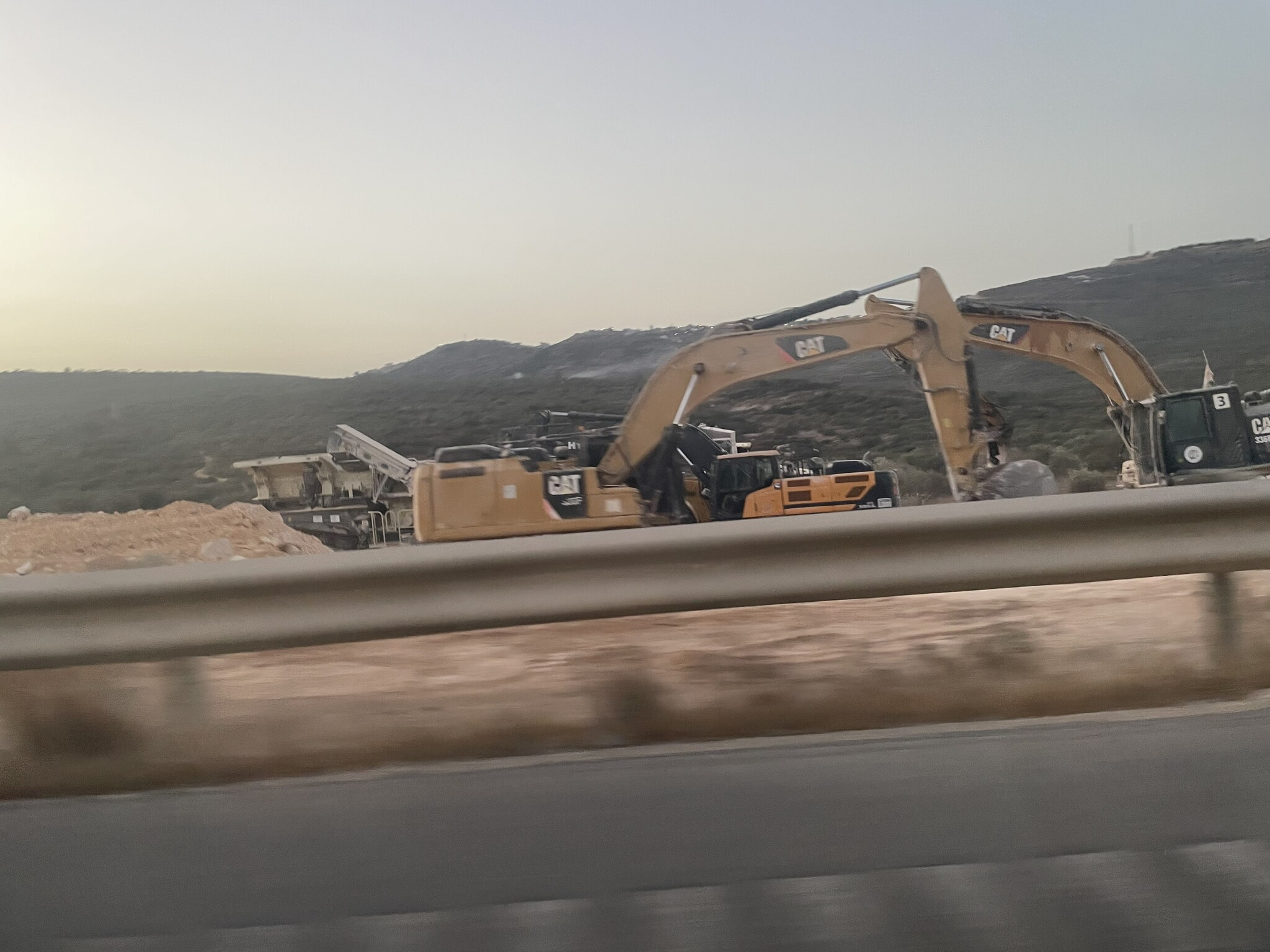 Rachel AfekOct-8-2026Jordan Valley. Widening of Road 505
-
