
A protective presence and accompanying shepherds in the Jordan Valley


We arrived at Al-Farisiya, a community where four families of Palestinian shepherds live. The community is located opposite the established settlement of Rotem and the outpost of Teneh Yarok that was established nearby two years ago. The Palestinian shepherds are subjected to daily harassment by the residents of the outpost – the owner DIdi, his son Gilad, and their friends, and they are supported by the head of security from Rotem. They are also supported by the silence on the part of the residents of the settlement of Rotem, who claim to be an ecologically-conscious community with a high quality of life who invite people to participate in workshops in an area of green hills (with invisible neighbors).
Two of the escorts remained in Farisiya as a protective presence around the clock while another two left for Ein Sakut where three shepherds from Farisiya wen to graze their flocks. The shepherds built a corral on Palestinian land and they go out each day to let the flocks graze on grassland during the summer. There are also pools of water where the herds can drink, but during the past year the Israeli water company) fenced the area off and the army prevents the Palestinians from going there with their flocks or to bathe in the pools.
There was no disturbance by the ecological settlers and there were no incidents.
Saturday, July 13th
When we woke up, two of us went to escort the shepherds in Ein El Sakut, which is constantly threatened by youths and adults from the nearby outpost of Shdemot Mekhula. Two others remained to protect the temporary corral and the Palestinians’ water source from the settlers who don’t let them water their flocks from the well.
The morning passed quietly in the intense heat of the Jordan Valley and at noon the escorts sat down to rest under a lone tree with chairs and a hammock that they brought. They ate a light lunch of groceries they had bought in the nearby village of Ein Al Bida. The only thing missing was the beach, but we could imagine it on the horizon.
Two other escorts remained in Farisiya as a protective presence. There, too, the day passed without incident but the heat was intense.
Two other escorts went with J. to the pasture near Al Makasar. N. considered taking the flocks to graze in his field that had been harvested, but he was afraid of the police and army vehicles on the Alon Route, and decided to stay on the west side of the road. There was sparse vegetation there and the day passed without incident.
Other volunteers escorted Y. from Khalat Makhul near the settlement of Hemdat without being disturbed.
The supposedly quiet day was marked by two incidents that we were called to deal with. At Ein El Hilweh near the settlement of Maskiot shepherds brought their flocks to the well to drink and three settlers wearing white shirts came and threatened them, telling them they could not let their cows drink. The three settlers in their good Sabbath white shirts continued to threaten the residents of Ein El Hilweh. They continued their rounds and we saw them from a distance. They came to F.’s house where we were staying and then continued on to harass the shepherds. They also entered the house, where a girl who was frightened fell and broke her arm.
People organized themselves to stay the night in Ein El Sakut and Farisiya. When it got cooler towards evening Didi and the head of security from Rotem arrived in Farisiya where they had placed concrete barriers. They began to plan to pave a road and claimed that they were planning on establishing a new community that would become an outpost, and then a new settlement of Rotem B. They explained that they could build whatever they want on state land and were waiting for permits which would arrive quickly because the civil administration is run by Bezalel Smotrich. The left and the Palestinians remained confused and apprehensive.
The rest of the evening passed without incident and Saturday night was quiet. but the situation of ethnic cleansing of the native Palestinian population is a gloomy picture. It is part of the Israeli policy and no one knows what will happen to them tomorrow.
Location Description
Jordan Valley
See all reports for this place-
Jordan Valley The Jordan Valley is the eastern strip of the West Bank. Its area consists of almost a third of the West Bank area. About 10,000 settlers live there, about 65,000 Palestinian residents in the villages and towns. In addition, about 15,000 are scattered in small shepherd communities. These communities are living in severe distress because of two types of harassment: the military declaring some of their living areas, as fire zones, evicting them for long hours from their residence to the scorching heat of the summer and the bitter cold of the winter. The other type is abuse by rioters who cling to the grazing areas of the shepherd communities, and the declared fire areas (without being deported). The many groundwaters in the Jordan Valley belong to Mekorot and are not available to Palestinians living in the Jordan Valley. The Palestinians bring water to their needs in high-cost followers.
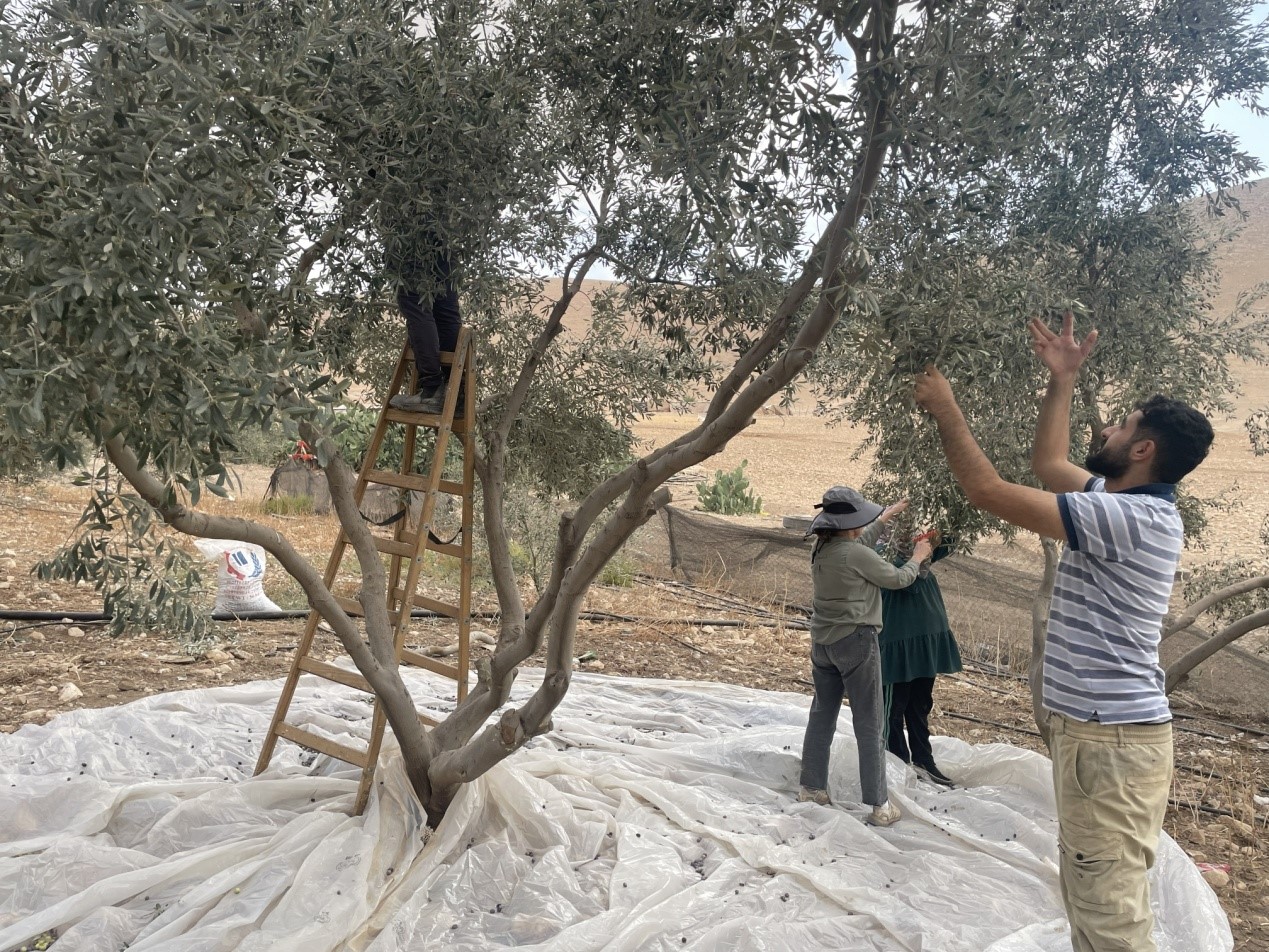 Rachel AfekOct-15-2026Olive Harvest in the Jordan Valley
-
