
Abu Dis, Container (Wadi Nar), Ras Abu Sbitan (Olive Terminal), Sheikh Saed, Mon 10.5.10, Afternoon
From 2:00 till 5:00 PM
The girls’ school was just out in Jebel Mukaber and we have never seen so many school children at the same time. They totally blocked the entire road and passage was extremely difficult also due to the many buses which had come to collect them and had to navigate between the rows of youth. Almost all girls wore the apparently obligatory white scarf, even the young ones.
A victim was finally found to give a name to the ‘numbered’ street in Nof Zion, his name is Zeharyahu Urieli a leader in the Hagana some eighty years ago. There is also a small grocery store, which apparently just opened.
Sheikh Saed
It was hot and hazy and even hotter down in Sheikh Saed where the heat contributed to the smell of the garbage. Only very few people passed. The new tall building has been plastered, so someone is investing in construction.
A young father only in possession of a green Id came down with two little girls. He had received special permission to visit his wife who had given birth to a baby boy in the Mukassed Hospital, we offered them a ride and they thanked us profusely – halfway his brother-in-law came to collect them.
Phishpash
In front of the tiny opening of the Pishpash a road along the newly built wall has been paved, we took it for a short ride – there were neither soldiers nor guards. The place looked deserted, but very grim with its watchtower and fenced sleeves with coiled barbed wire.
Olive Terminal
The Olive Terminal was practically empty – many cars were parked in the parking lot and along the road.
At the entrance to the Kedar Road we tried in vain to give the Palestinians the right of way, there was a long line of vehicles and hardly any in our direction, but we were hooted at and had to proceed.
Wadi Nar
In Wadi Nar one car with a special ‘test’ number had been held up when we arrived. It looked as if the driver and his passenger had been waiting outside in the oppressive heat for a long time. When we approached they were offered water and then within a few minutes were sent on their way – they apparently thought this was our doing from the way they thanked us, but we didn’t believe we had such powers.
The small garden next to the CP with its nana plants (for the soldiers’ tea) looks neglected. We were told to stay away from it; it has probably been upgraded into a closed military zone. The road which had been closed off (until May 26th) for improvements is now open. Most of the cars use it to get to El Azariya, Ramalla and beyond and the rest turn left towards the El Kuds University. We were told that it can be used, but that the work has not yet been entirely completed. We could not find out whether it was a great improvement, but it is certainly shorter.
Abu Dis / Lazarus gate (formerly The Wicket)
See all reports for this place-
Abu Dis / Lazarus Checkpoint/Gate (east of the former “wicket”)
Construction of the wall in the Abu Dis area blocked all the gaps that allowed people to cross from al-Ezariya to the neighbourhoods of Abu Dis and Ras al 'Amud that are located within Jerusalem’s municipal boundary. The Lazarus checkpoint is a gate in the wall adjacent to the Lazarus Monastery. Until 2011 it had a door for pilgrims to al-Ezariya and for the monastery’s kindergarten pupils from al-Ezariya. The crossing is currently closed, but the site has infrastructure for conducting inspections.
-
Container (Wadi Nar)
See all reports for this place-
Wadi Nar Checkpoint ("Container", "The Kiosk") - a barrier for vehicles in Area B that is regularly manned - east of Abu Dis between Sawahra A Sharqiya and Bethlehem and its daughters. Controls Palestinian movement between the north and south West-Bank. Includes driving routes, access roads, spikes, traffic lights and signs. There is no pedestrian crossing. Open 24 hours a day with random checks enhanced on security alerts. The checkpoint is in Palestinian territory, allowing for separation between the north and the south Palestinian areas when necessary.
In 2015, the leading road from Azaria to Bethlehem was renovated, as well as the steep and narrow ascent to the Wadi Nar checkpoint, which was dangerously travelled in both directions! The temporary checkpoint was renovated and expanded, and pedestrian traffic was banned. From 2016, traffic travelling from the south bank to Azaria was directed to a one-way road near the Southern Keydar Jewish settlement.
Machsomwatch shifts visit this far-fetched checkpoint only occasionally.
(updated to July 2019)
-
Ras Abu Sbitan (Olive Terminal)
See all reports for this place-
A large checkpoint/crossing to the area of a-Tur, Abu Dis and the Old City; only for pedestrians. Located on Jerusalem’s municipal boundary.
One of the major crossings in Jerusalem’s central sector. It is located on the separation fence between the northern portion of the al-Ezariya neighborhood and the neighborhood of a-Tur and the rest of East Jerusalem. It is manned by Border Police soldiers and private security companies and operates 24 hours a day. Palestinians are forbidden to go through, other than permanent residents of East Jerusalem (holders of blue ID cards) and holders of work and commercial permits who are allowed through only on foot.
-
Sheikh Sa'ed
See all reports for this place-
A checkpoint limited to pedestrians, located on Jerusalem’s municipal boundary.
The checkpoint sits on the separation fence at the entrance to Sheikh Sa’ad, dividing it from its neighbourhood of Jabel Mukkabar. It’s manned by Border Police soldiers and private security companies and operates 24 hours a day. Palestinians are forbidden to go through, other than residents of Jabel Mukkabar or Sheikh Sa'ad who have permits. Both groups are permitted through only on foot. Residents of East Jerusalem who don’t live in Jabel Mukkabar are also allowed to cross to Sheikh Sa’ad, but not in the opposite direction; they must return through the Sawahira ash Sharqiya checkpoint.
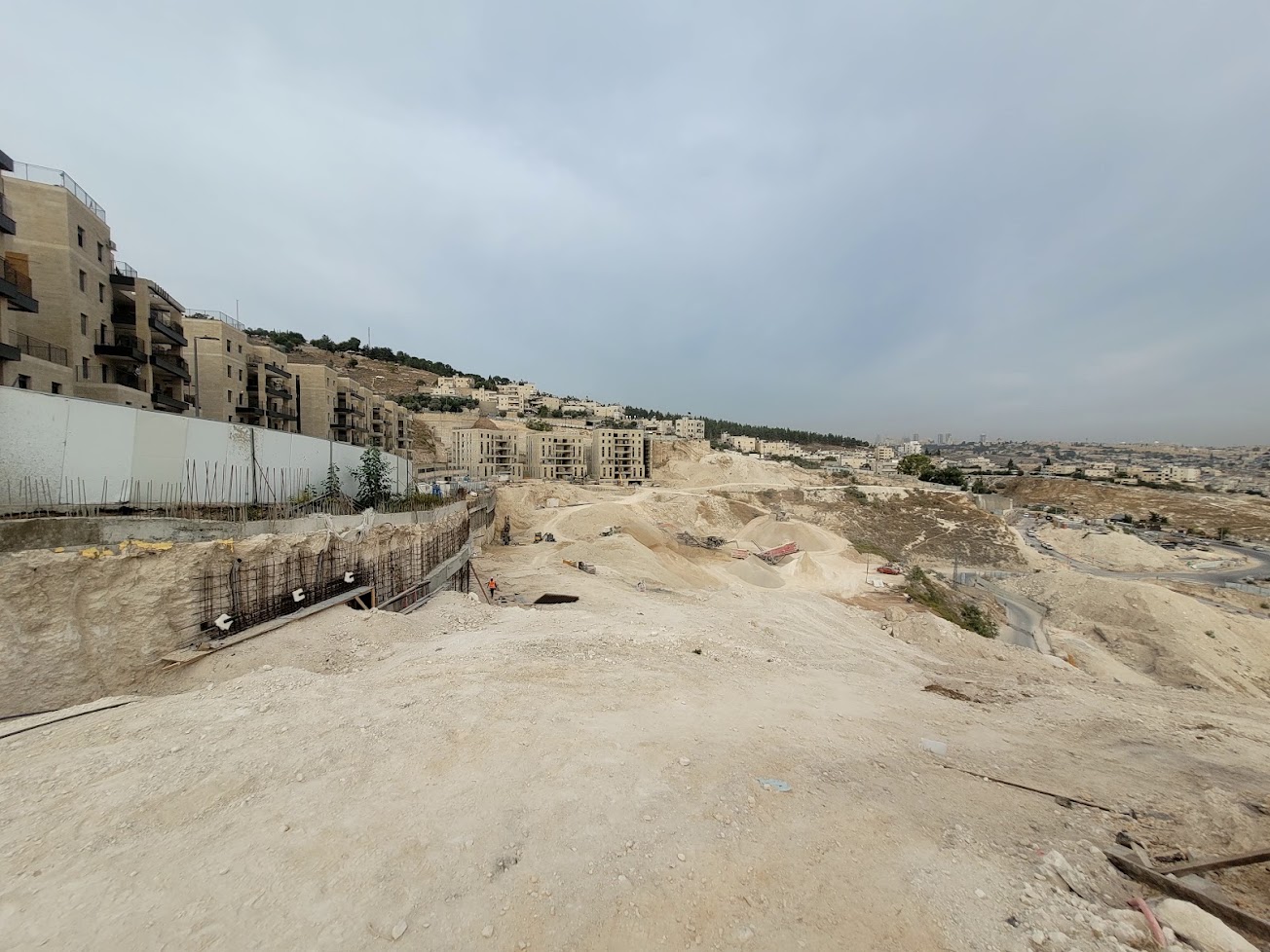 Anat TuegOct-14-2026Jerusalem. Nof Zion Expanding Down the Slope
-
