
‘Anata-Shu’afat, Ras Abu Sbitan (Olive Terminal), Sheikh Saed
From 9:30 AM till 12:00 noon
Sheikh Sa'ad, Olive Passage and Anata
The road through Jebel Mukabbar was empty and even looked rather clean, the bins had been emptied on Thursday, but even next to them there was not too much garbage. Of course as we neared Sheikh Sa'ad we saw that the amount of garbage along the slope had increased dramatically. The massive construction in and around the CP is still not completed. The amount of concrete invested in this project is unbelievable. The parking lot (“for the convenience of the population”) all the way down a steep hill is ready, but no car was parked there. Like many other cars, we also found a spot near the CP in the middle of the rubbish. There were two Border Police vans and a lot of soldiers present, but hardly any Palestinians crossed. Two ladies tried their luck; one passed the other one was sent back. An elderly man crossed, he is definitely over fifty and was in possession of a green ID plus a permit. Since the Friday prayers only start at 1:00 PM, the place looked rather empty. Beyond the CP there is an almost completed wall. We didn’t attempt to enter, on this Ramadan Friday, just after the IDF had entered Gaza when we felt the animosity of the soldiers, although they behaved correctly. We noted that there is still a kind of taxi service within the village and three women were dropped off above the CP, only one was allowed to cross into Israel. A few Palestinians greeted us warmly and one thanked us for coming and we wished him a Ramadan Kareem.
There was hardly any traffic along the Road of the Americas, but we noted that the Municipality had apparently invested in a great number of street signs, most called Salah Road. Beyond Silwan the road has been asphalted and there are freshly painted white markings. The drive up to Ras El Amud has never been as easy. The second part of the Maaleh Zeitim settlement is now occupied, but the former police station is still not inhabited. The road down to the separation wall was empty too and the entrance to the Pish-Pash looked like a ghost town. Before we were able to get close to the Olive Passage we were stopped by a police car at the bottom of the hill and told not to continue towards the CP. We noted that the wall enclosing the CP has now been completed and decided to investigate further next time.
In Anata too we no longer saw any breaches in the wall which now encloses even more hi-rise buildings almost on top of each other and a new dead-end roads towards the former Northern CP. The entrance and the CP were almost deserted. We looked at the former CP to the North and there is only a big ‘humanitarian’ metal door in the wall which probably is hardly ever opened.
Checkpoint Shu'afat camp / Anata-Shu'afat (Jerusalem)
See all reports for this place-
The Shu’afat checkpoint is located in the northern part of East Jerusalem at the exit from the village of Anata and the Shu’afat refugee camp, which are located in the area annexed to Jerusalem in 1967. The refugee camp borders the Shu’afat neighborhood to the west, Pisgat Ze’ev to the north, the French Hill neighborhood to the south and the planned expansion of Ma’aleh Adumim to E-1 in the east. It was established in 1966 for 1948 refugees from the West Bank and was populated after the Six Day War by persons who had been expelled from the Jewish Quarter. Today its population comprises some 25,000 people holding blue ID cards and some 15,000 people with Palestinian ID cards. The camp lacks adequate infrastructure and services, and suffers from poverty, neglect and overcrowding. All its buildings are connected to the public electricity and water infrastructure, but not all are connected to the sewer system. The camp’s services are provided by UNRWA, except for those such as health clinics and transportation of pupils to schools in Jerusalem. In 2005, the Israeli High Court of Justice rejected a suit by the residents requesting that the route of the separation fence be drawn such that the camp would remain on the Israeli side, but conditioned its approval of the route on the establishment of a convenient and rapid crossing facility for the inhabitants of the neighborhood, most of whom are residents of Jerusalem.
A temporary checkpoint operated there until December, 2011. It was extremely congested during rush hours, and dangerous for pedestrians (especially children) because of inadequate safety provisions. The new checkpoint was inaugurated south of the old one, for public and private transportation and for pedestrians, intended solely for the residents of the camp – holders of blue ID cards, and those with Palestinian ID cards who possess appropriate permits. There are five vehicle inspection stations at the checkpoint, and two for pedestrians (one of which is currently closed) where scanners have been installed but are not yet operating. According to the army, representatives of government agencies will also be present to provide services to residents of the neighbourhood. The pedestrian lanes are very long, located far from the small parking lots, and accessible through only a single revolving gate.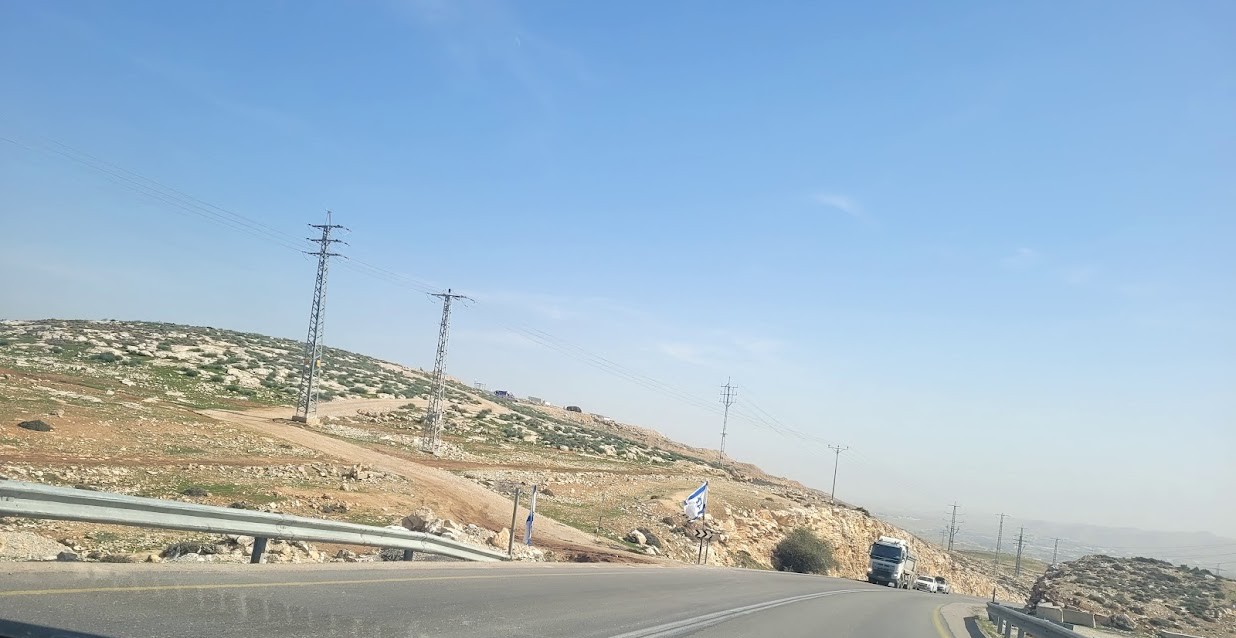 Anat TuegJan-25-2026Anata: A new outpost has been built south of the junction
-
Ras Abu Sbitan (Olive Terminal)
See all reports for this place-
A large checkpoint/crossing to the area of a-Tur, Abu Dis and the Old City; only for pedestrians. Located on Jerusalem’s municipal boundary.
One of the major crossings in Jerusalem’s central sector. It is located on the separation fence between the northern portion of the al-Ezariya neighborhood and the neighborhood of a-Tur and the rest of East Jerusalem. It is manned by Border Police soldiers and private security companies and operates 24 hours a day. Palestinians are forbidden to go through, other than permanent residents of East Jerusalem (holders of blue ID cards) and holders of work and commercial permits who are allowed through only on foot.
-
Sheikh Sa'ed
See all reports for this place-
A checkpoint limited to pedestrians, located on Jerusalem’s municipal boundary.
The checkpoint sits on the separation fence at the entrance to Sheikh Sa’ad, dividing it from its neighbourhood of Jabel Mukkabar. It’s manned by Border Police soldiers and private security companies and operates 24 hours a day. Palestinians are forbidden to go through, other than residents of Jabel Mukkabar or Sheikh Sa'ad who have permits. Both groups are permitted through only on foot. Residents of East Jerusalem who don’t live in Jabel Mukkabar are also allowed to cross to Sheikh Sa’ad, but not in the opposite direction; they must return through the Sawahira ash Sharqiya checkpoint.
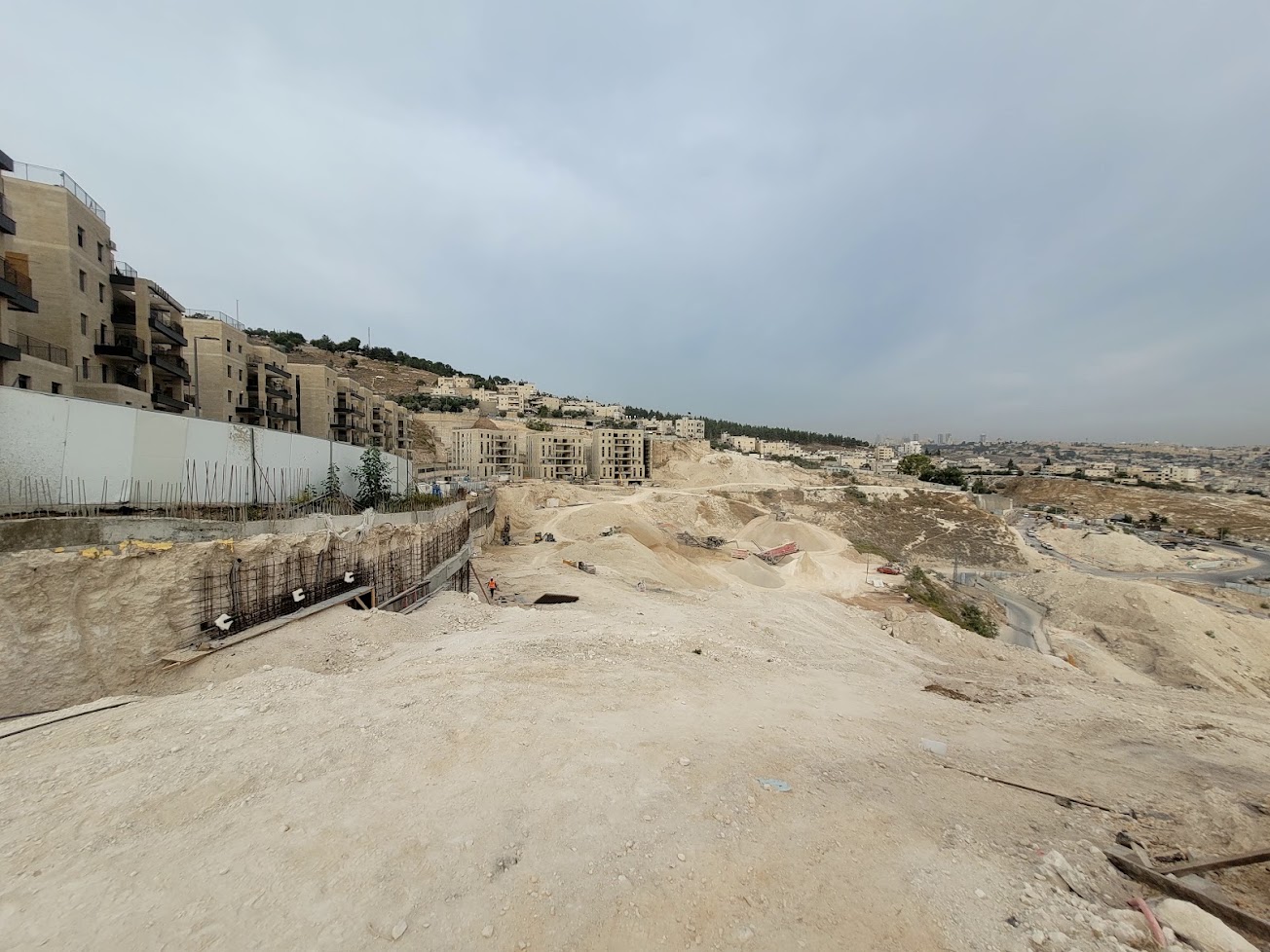 Anat TuegOct-14-2026Jerusalem. Nof Zion Expanding Down the Slope
-
