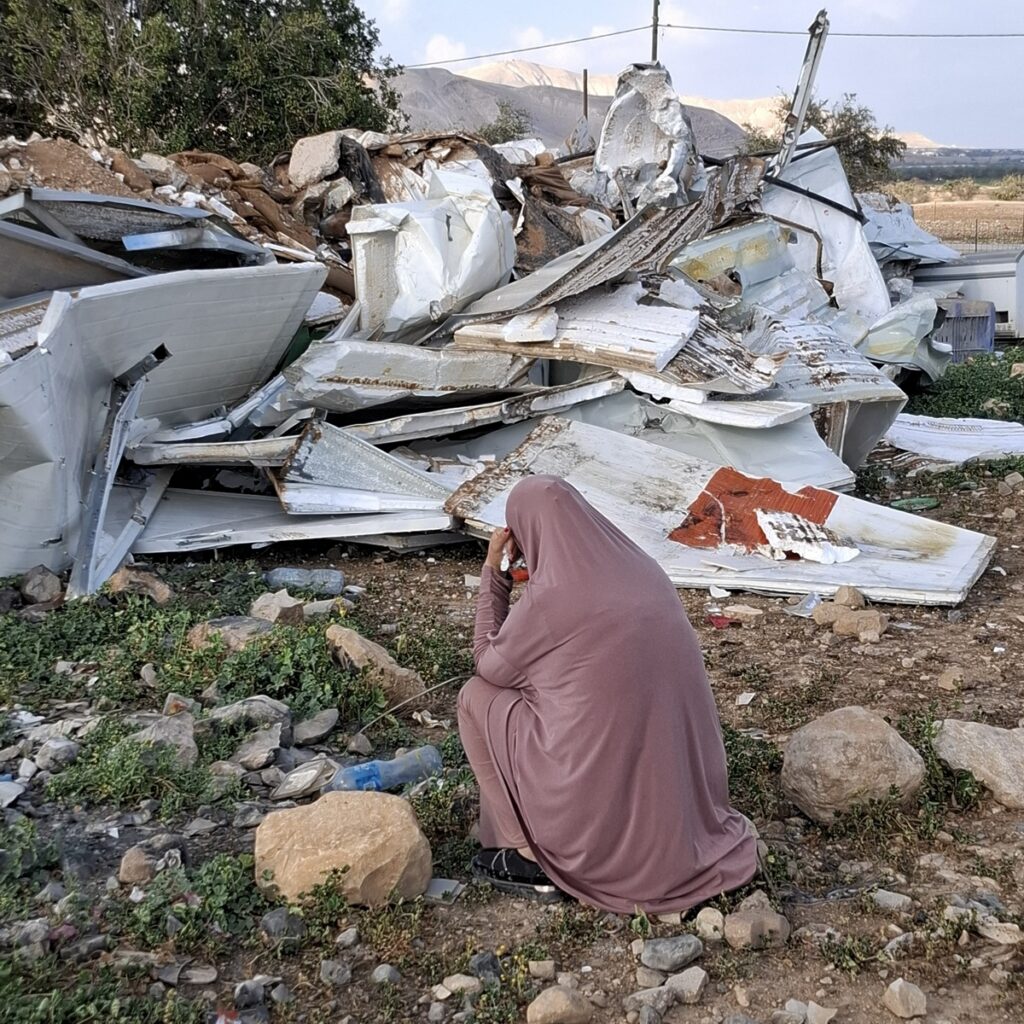
Beit Iba
Beit Iba, Tuesday, 30.5.06 AMObservers: Elinoar B, Ruthi C, Maya M (reporting) Beit Iba 07:45 – 08:45 – pedestrians are being checked against a list at the entrance to Nablus. People coming out are requested to empty their bags at the checking station and the line is longer. Today men up to 54 stand in one line, and over 54 in a different line at a crossing that is empty most of the time. We saw next to no vehicles, and wondered about it. The checkpoint commander answered a question of ours by saying that he knows nothing about it. However, at Anabta we met a tender driver who said that, though he has a permit for a vehicle to exit Nablus at Beit Iba, and to travel through the Jordan Valley, he was not let through. He showed us the permits and we were left with questions about passage for vehicles at this place. Next to the petrol station on Route 60 – no checkpoint.
Beit Iba
See all reports for this place-
A perimeter checkpoint west of the city of Nablus. Operated from 2001 to 2009 as one of the four permanent checkpoints closing on Nablus: Beit Furik and Awarta to the east and Hawara to the south. A pedestrian-only checkpoint, where MachsomWatch volunteers were present daily for several hours in the morning and afternoon to document the thousands of Palestinians waiting for hours in long queues with no shelter in the heat or rain, to leave the district city for anywhere else in the West Bank. From March 2009, as part of the easing of the Palestinian movement in the West Bank, it was abolished, without a trace, and without any adverse change in the security situation.
 Jun-4-2014Beit-Iba checkpoint 22.04.04
-
Jordan Valley
See all reports for this place-
Jordan Valley The Jordan Valley is the eastern strip of the West Bank. Its area consists of almost a third of the West Bank area. About 10,000 settlers live there, about 65,000 Palestinian residents in the villages and towns. In addition, about 15,000 are scattered in small shepherd communities. These communities are living in severe distress because of two types of harassment: the military declaring some of their living areas, as fire zones, evicting them for long hours from their residence to the scorching heat of the summer and the bitter cold of the winter. The other type is abuse by rioters who cling to the grazing areas of the shepherd communities, and the declared fire areas (without being deported). The many groundwaters in the Jordan Valley belong to Mekorot and are not available to Palestinians living in the Jordan Valley. The Palestinians bring water to their needs in high-cost followers.
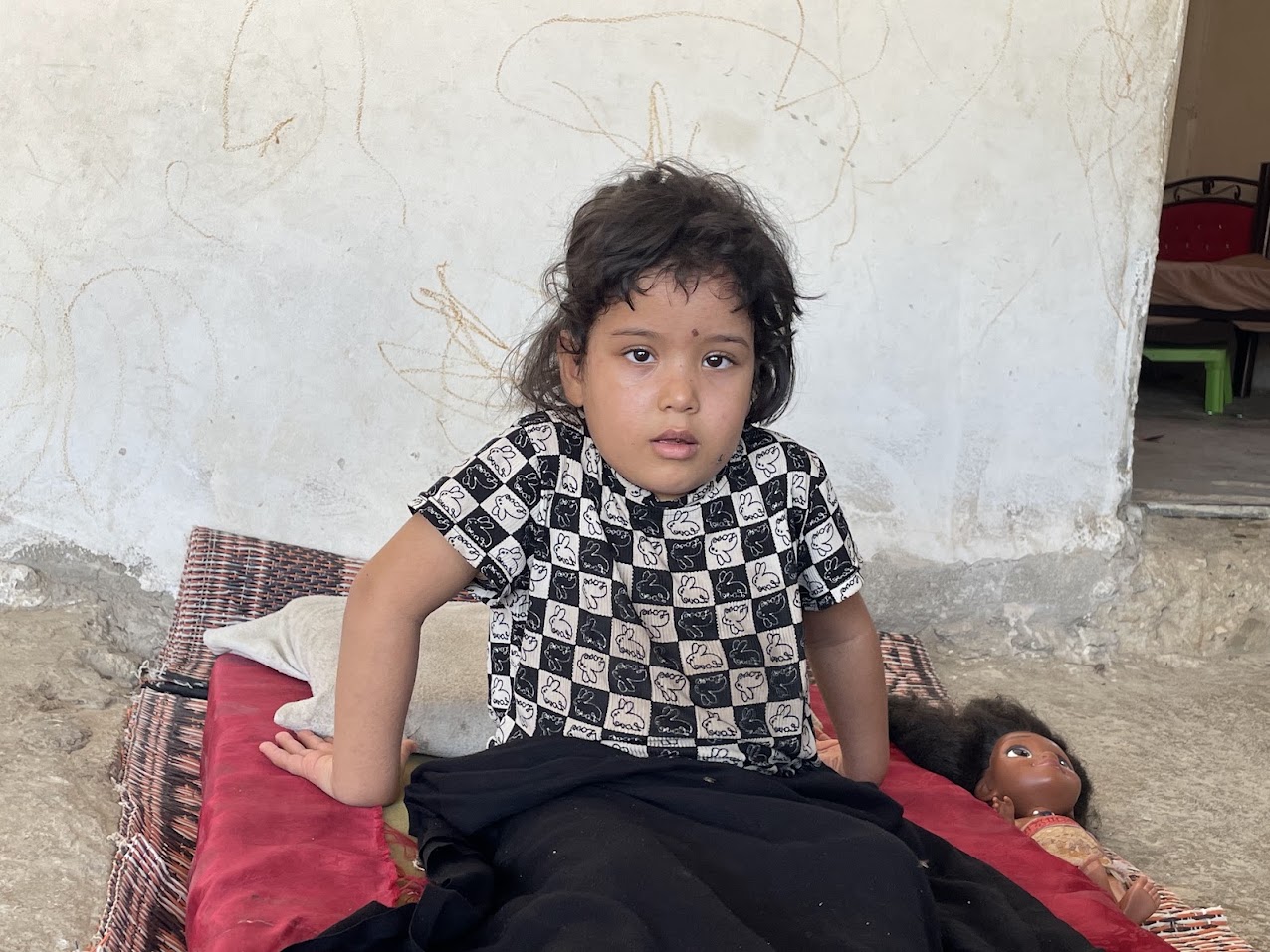 Rachel AfekAug-13-2026Jiftlik: A. was born with spina bifida
-