
Burin: settlers’ violence and military activity
Marda and Zeita Jama’in (road 5): On our way on Road 5, near the villages of Marda and Zeita Jama’in, we saw workers fencing in areas confiscated from the villages on both sides of the road, after olive trees were uprooted and the area flattened. Soldiers secured the workers there.
Duma: The youngsters arrested about a week ago have not been freed yet, and it is still unknown where they were taken or where they are held.
B.K.’s family visited: We visited B.K., one of the Bedouins chased away from Shqara.
He has rented a house at the end of the village, but the colonists do not leave him alone. They come to his home late at night (around 1 a.m.) and once even broke the windows. His seven children including a 2-month-old baby woke up scared.
At his home we met Members of Knesset Aida Touma-Sliman and Ofer Kassif, who came there with their team to hear about the situation first hand. They continued to Khirbet al-Mrajam which has been declared by the army a closed military zone.
Awarta Checkpoint: The checkpoint was manned and very crowded because of the inspections.
Beit Furiq Checkpoint: The checkpoint was manned but traffic was flowing. Soldiers carry out daily patrols inside the town and disrupt daily routine.
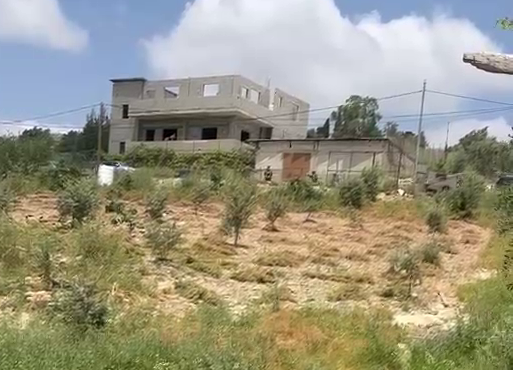
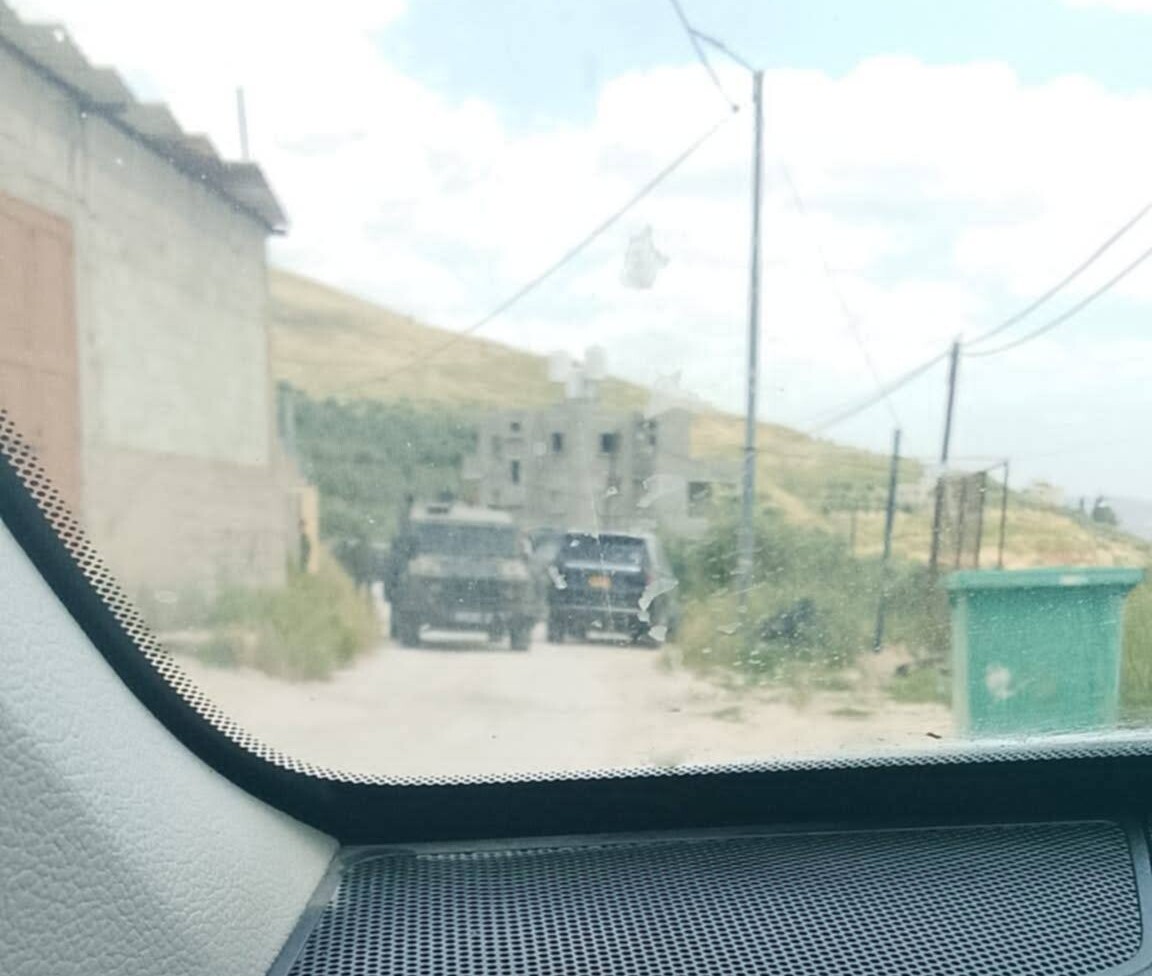
Burin: settlers from Giv’at Ronen have taken over a hill near the village houses, erected tents there and settled in them. On Monday, April 27th, four ATVs from Har Bracha settlement came down in the direction of Burin. In clashes with the local residents, a local youngster was wounded in the head.
On Tuesday, April 28th, about two hours before we came, a group of soldiers entered the village, surrounded one of the houses and clashed with the residents.
6 p.m. Sara Checkpoint is opened in both directions, meticulous inspections carried out.
7 p.m. Funduk: An army jeep stands at the western exit from the village, soldiers conducted inspections of vehicles.
Location Description
Burin (Yitzhar)
See all reports for this place-
Burin (Yitzhar)
This is a Palestinian village in the Nablus governorate, a little south of Nablus, on the main road passing through the West Bank. The settlements: Yitzhar and Har Bracha, settled in locations that surrounded the village, placed fences so it is cut off the main road.
There are around 4000 inhabitants. Most of them are engaged in agriculture and pasture, although many graduates of the two secondary schools continue to study at the university. Academic positions are hardly available, they find work as builderd, or leave for the Gulf countries.
The village lands were appropriated several times for the establishment of Israeli settlements and military bases, and as a result, Burin's land and water resources dwindled. lSince 1982, more than 2,000 dunams of village land have been declared "state land" and then transferred to Har Bracha settlement.
Over the past few years and more so since 2017, the villagers have been terrorized by the residents of Yitzhar and Har Bracha, the Givat Ronen outpost and others. Despite the close proximity of soldiers to an IDF base close to one of the village's schools, residents are suffering from numerous stone-throwing events, vehicle and fire arson, also reported in the press.
In 2023, the prevention of the olive harvest in the village plot was more violent than ever. Soldiers and settlers walked with drawn weapons between the houses of the village and demanded that people stop harvesting in the village itself and in the private plots outside the village. The settlers from Yitzhar and Giv'at Roned raided the olive groves and stole crops. 300 olive trees belonging to the residents of Burin, near Yitzhar, were uprooted. The loss of livelihood from the olives causes long-term economic damage to the farmers' families, bringing them to the point of starvation.
(updated for November 2023)
-
Jamma'in*
See all reports for this place-
Jamma'in*
Jamma'in is a small town, with some of the best quarries in the area. The stone is sold all over Palestine and Israel and even outside the country. The city also has an industrial area. Although they are close to the Ariel and Tapuach settlements, Jama'in farmers have no daily problems with settlers. Harassment occurs mainly during the October harvest season - the settlers sometimes try to drive the farmers out of their plots. Jama'in has its own info-icon water reservoir tower. The water is obtained from sources and paid for by the Palestinian Authority. The city has one clinic that opens only 2-3 days a week. The biggest problem is that there is only one hospital in Nablus in an area of about 10,000 residents. This hospital is too small, does not have enough equipment, and not enough doctors.
Zeita / jama'in is a village of about 3000 inhabitants near Jama'in and Ariel. In the 1980s, land was taken from the village and transferred to settlements. Farmers in the village have lost some of their income. The settlements are located on the ridges, further away from Zeita, which is in the valley. The village does not often suffer from harassment.
The water sources for Zeita and Jama'in that have supplied water to the villages for centuries have been confiscated by the Mekorot company and the water is flowed to Ariel. Without a reasonable info-icon water supply the villages cannot develop agriculture or any industry.
The electricity comes from the Israeli Electric Company through Ariel and Jama'in.
The IDF oversees the main roads and entrances to the villages. -
Jama'in is a small town, with some of the best quarries in the area. The stone is sold all over Palestine and Israel and even outside the country. The city also has an industrial area. Although they are close to the Ariel and Tapuach settlements, Jama'in farmers have no daily problems with settlers. Harassment occurs mainly during the October harvest season - the settlers sometimes try to drive the farmers out of their plots. Jama'in has its own info-icon water reservoir tower. The water is obtained from sources and paid for by the Palestinian Authority. The city has one clinic that opens only 2-3 days a week. The biggest problem is that there is only one hospital in Nablus in an area of about 10,000 residents. This hospital is too small, does not have enough equipment, and not enough doctors. Zeita is a village of about 3000 inhabitants near Jama'in and Ariel. In the 1980s, land was taken from the village and transferred to settlements. Farmers in the village have lost some of their income. The settlements are located on the ridges, further away from Zeita, which is in the valley. The village does not often suffer from harassment. The water sources for Zeita and Jama'in that have supplied water to the villages for centuries have been confiscated by the Mekorot company and the water is flowed to Ariel. Without a reasonable info-icon water supply the villages cannot develop agriculture or any industry. The electricity comes from the Israeli Electric Company through Ariel and Jama'in. The IDF oversees the main roads and entrances to the villages.
-
Marda
See all reports for this place-
Marda
There are about 2500 inhabitants in the village. A large part of their lands was confiscated for the benefit of the settlement of Ariel, some of whose buildings are adjacent to the village.
They often feel under siege. At both entrances to the village from the main road (505) there are checkpoints and the army does close the yellow arms from time to time. The inhabitants of Marda own olive groves behind a fence. Rarely are they allowed to cultivate their agricultural plots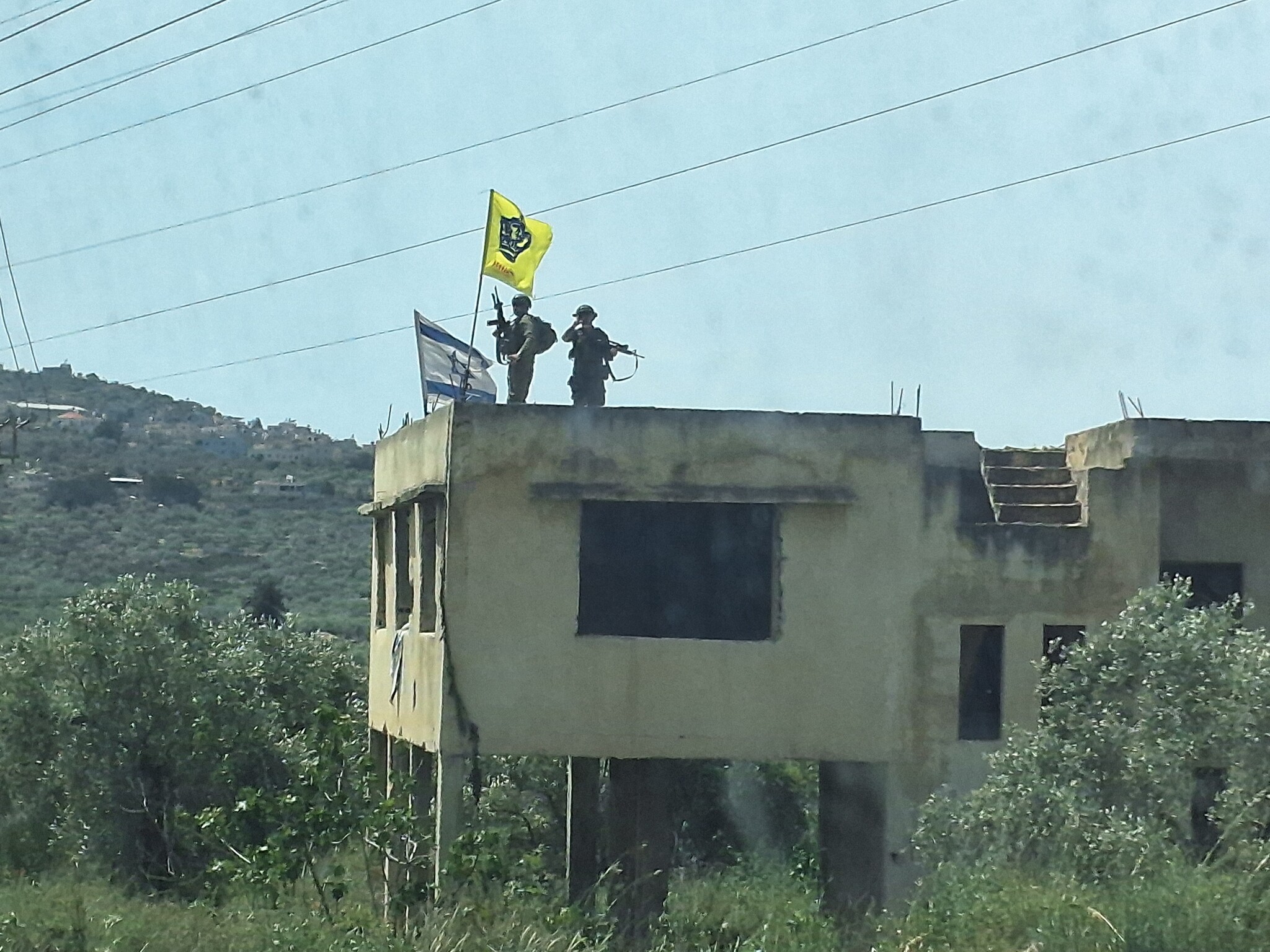 Ronit Dahan-RamatiApr-14-2026Marda. IDF post on the roof of a Palestinian home with the Messiah flag
-
