
Hamra (Beqaot), Tayasir, Za’tara (Tapuah), Mon 17.12.12, Morning
Translator: Charles K.
10:55 Za’tara checkpoint/Tapuach junction.
No inspections
11:20 Ma’aleh Efrayim checkpoint.
People entering the JordanValleyare inspected. The soldiers say entry is permitted to vehicles belonging to West Bankresidents. We picked up a hitchhiker, a student at a hesderyeshiva at Ma’aleh Efrayim. Like everyone else in a hesderyeshiva, he does a 16-month army service and studies in the yeshiva during the remainder of his service, a total of 4 years. He said that Ma’aleh Efrayim was a secular settlement (like most of the localities in the JordanValley). Its residents tend to be poorer. A group of yeshiva students is organizing to remain there as permanent inhabitants to strengthen the settlement and give it a religious atmosphere.
South of the Mechora settlementare many newly-plowed fields.
11:40 Hamra checkpoint.
Almost no traffic. The commander says residents of the West Bank are permitted to enter the JordanValleywith their vehicles. They detain only those indicated by the Shabak or the police.
Plowed fields beyond the dike and ditch stretching from the Hamra checkpoint to the Gochia gate – apparently cultivated by Palestinians.
Gochia checkpoint.
It has been re-erected. The gate is closed, of course. A new red sign next to it prohibits entry from the west, warning that it’s dangerous and also illegal.
We met two women from EAPPI, the international church group. They told us that the Bedouin who live in Homsa, 8 km. east of the Beqa’ot settlement, received last month an order, valid for 6 months, authorizing their removal from their homes whenever the army conducts maneuvers in the area. They were ordered to leave their homes this morning before 06:00, and began getting ready at 02:00. They have to be at least 5 km away for the entire day. That’s how they remain, the men, the women, the elderly, the children, with no shelter, in the rain. This is the lambing season, and it’s very difficult to move the sheep that are giving birth and the newborn lambs.
13:00 Tayasir checkpoint.
The same new red signs here as well. We asked drivers whether residents of the West Bank are allowed to enter the JordanValleywith their cars. They said that two weeks ago it was prohibited, ten days ago it was allowed, and the exact answer was: sometimes yes, sometimes no. Only when you get to the checkpoint will you find out whether today is yes or no.
15:55 Hamra checkpoint (returning).
Eight cars wait from the east, four from the west. All crossed within five minutes.
16:15 Ma’aleh Efrayim checkpoint.
No soldiers.
There was no unusual activity at the Tapuach/Za’tara junction either.
Hamra (Beqaot)
See all reports for this place-
One of the Jordan Rift Valley checkpoints that prevent direct transit between the West Bank and the Jordan Valley, in addition to Tayasir Checkpoint. Located next to Hamra settlement, on Route 57 and the Allon Road.
Read about the peple of the Jordan Valley and the quiet transfer happening there.
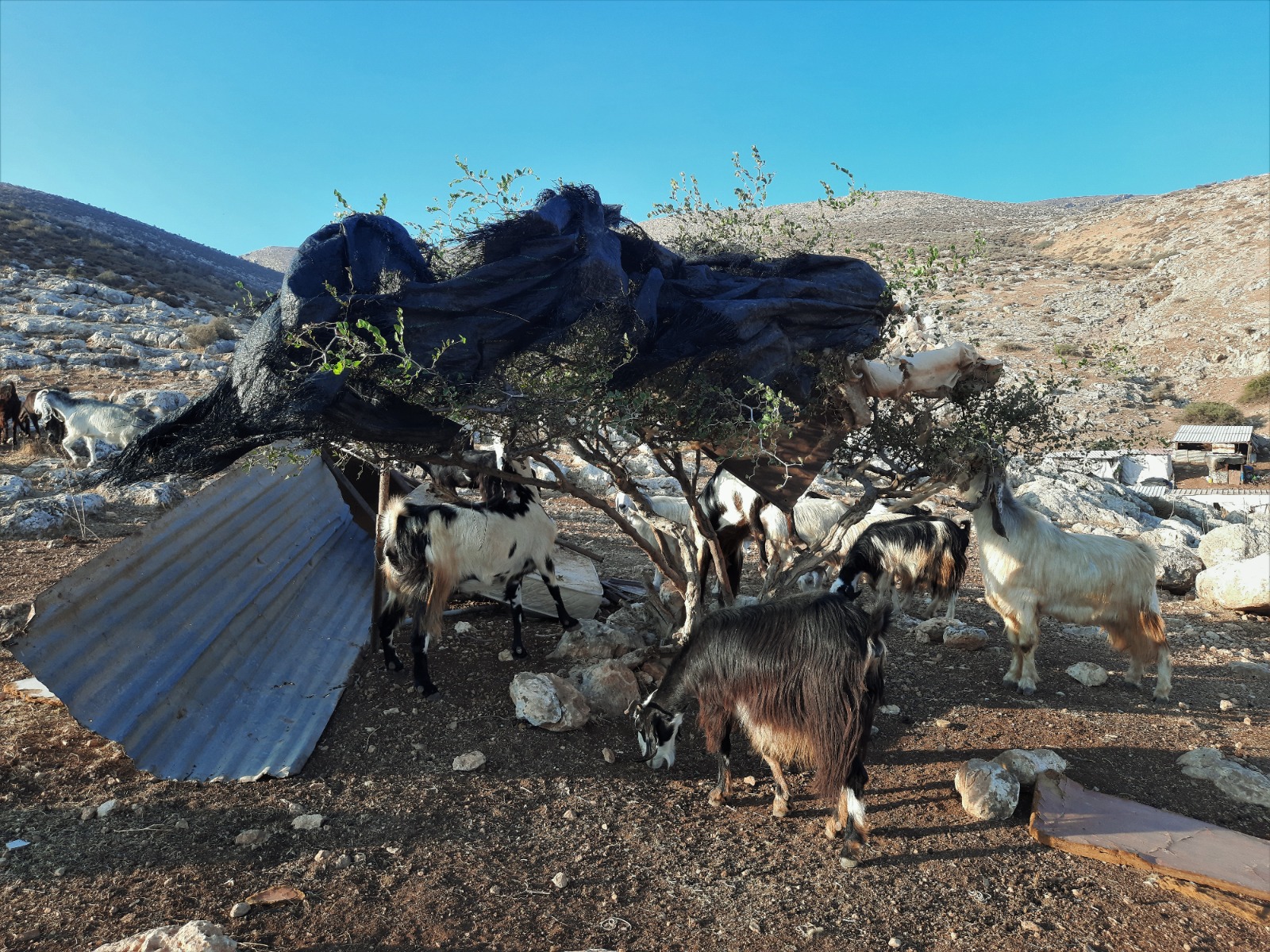 Shahar ShilohNov-3-2021Ein Shibli: grazing begins close to home
-
Tayasir CP
See all reports for this place-
Located on road 5799, It is one of the checkpoints control the passage between the northern West Bank and the Jordan Valley. For a long time, it stood empty and open, with only a sign next to it warning against entering Area A. It was adjacent to an old military camp - now everything is neglected. How much money was invested here, and how much brainwashing was done to the soldiers of Netzah Yehuda and Kfir.
Today, it is very difficult to pass there. Many delays. Often, teachers from Tubas are not allowed to pass into the Valley to villages like Ein al-Bida where the local schools are located, and there are no classes. There are additional days when the checkpoint is closed. In general, there is a wait there of about two to four hours to go towards the Valley and also to return. Many times the Palestinians are forced to use the Hamra checkpoint, which also leads into Tubas and the West Bank, but there is also a huge queue there and a long wait.
Following a deadly attack on soldiers at the nearby base in February 2025, the checkpoint was completely closed for the time being. (Updated March 2025)
-
Za'tara (Tapuah)
See all reports for this place-
Za'tara (Tapuah) Za'tara is an internal checkpoint in the heart of the West Bank, at the intersection of Road 60 and Road 505 (Trans-Samaria), east of the Tapuah settlement. This checkpoint is the "border" marked by the IDF between the north and south of the West Bank, in accordance with the policy of separation between the two parts of the West Bank that has been in place since December 2005. At the Za'tara checkpoint, there are separate routes for Israelis and Palestinians. In the route for Israelis, there are no inspections and the route for Palestinians inspects. The queue lengthens and shortens suits. The checkpoint is open 24 hours a day. The checkpoint is partially staffed and the people who pass through it are checked at random.
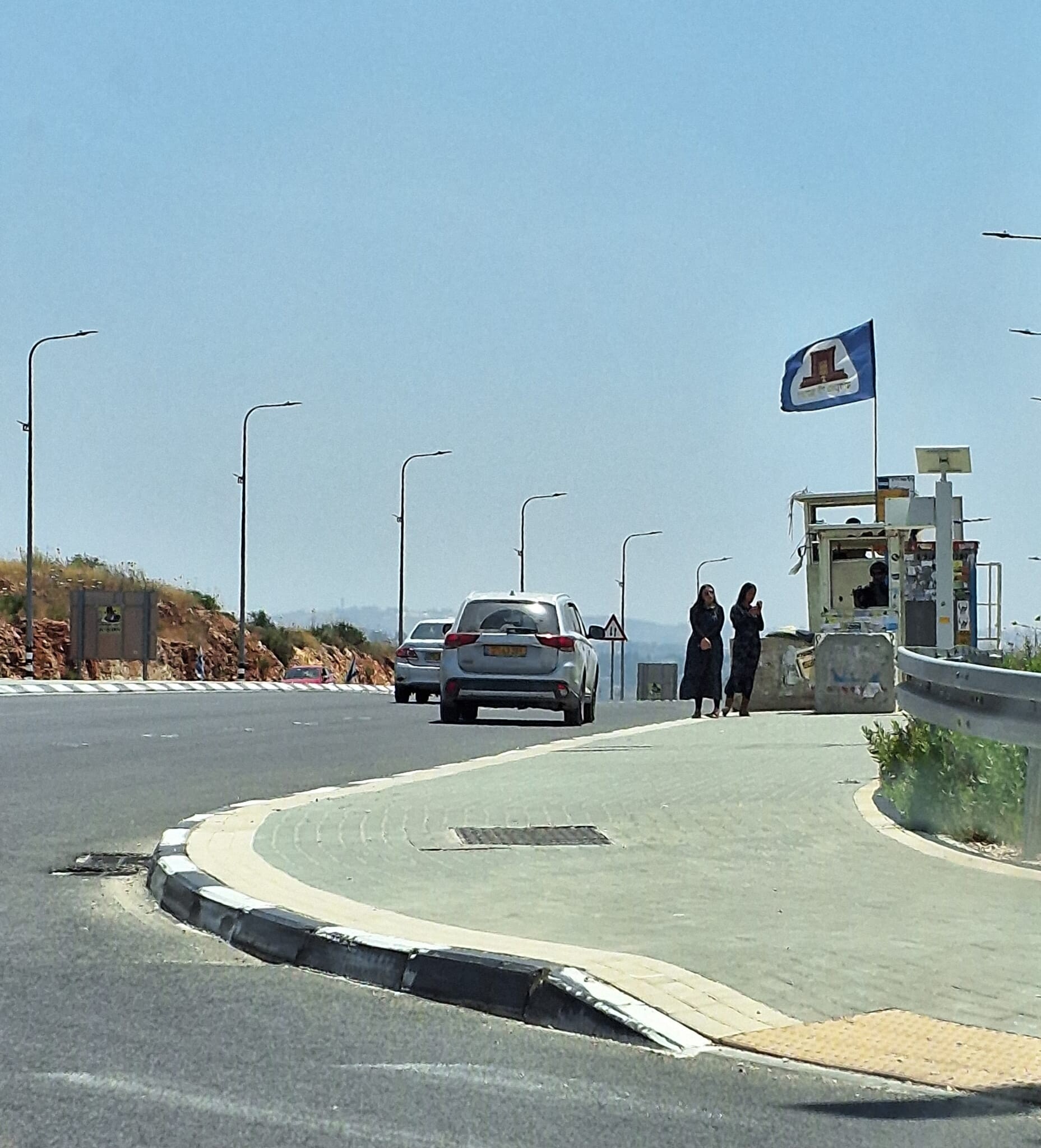 Ronit Dahan-RamatiJun-9-2026Za'atara (Tapuach Junction). The Temple Flag Above a Station
-
