
Hebron, South Hebron Hills, Mon 7.6.10, Morning
Translation: Bracha B.A.
Idna-Hebron Route:
Our car broke down along the way. We stopped immediately and were helped by a pleasant Palestinian driver, but M., our driver, decided to go to a garage immediately. We drove back to Idna and the problem was repaired within a half hour and we returned to Hebron, but by that time it was already noon.
Humanitarian CheckPoint: No one to be seen.
Hebron Entrance Story:
At the entrance to Kiryat Arba the guard stops us once again. Asking questions, he demands to see our papers and goes to check (check what?). We're given no explanation for this, although it's been years that we've go through without ever being checked or encountering other problems. Meanwhile, we're stuck here so observe the construction taking place on the hillside in addition to the existing houses.. The caravans belonging to the settlement are still positioned on Hill 18. At last the person responsible for guarding the entrance returns with our IDs but our questions remain unanswered. While we were waiting, we tried to get hold of the Hebron police but there was no answer. Michal's attempts to help did not help either. Suddenly Nachal soldiers arrived and stopped to check something as well. After a long time a police car arrived and Tal, a policeman, came to see who we were. He explained that he was called to step in by the IDF. He claimed he had been working here for 16 years but had never heard of Machsom Watch. "Evidently I didn't need to know." We were allowed to enter but not without a lot of suspicion.
Hebron
During the time we had left we checked all our usual places and all were quiet. Some of the soldiers were relaxed and smiling. On the way we saw a colored banner that read, "How good it is to have you back home." (To the ghost town?). At the grocery store in Idna, a man complained that soldiers from the Border Police make a lot of noise at night shouting through their loudspeakers. We gave him Raya's phone number and told him to call her if it happened again. Is it possible to do something about the Kiryat Arba entrance?
Hebron
See all reports for this place-
According to Wye Plantation Accords (1997), Hebron is divided in two: H1 is under Palestinian Authority control, H2 is under Israeli control. In Hebron there are 170,000 Palestinian citizens, 60,000 of them in H2. Between the two areas are permanent checkpoints, manned at all hours, preventing Palestinian movement between them and controlling passage of permit holders such as teachers and schoolchildren. Some 800 Jews live in Avraham Avinu Quarter and Tel Rumeida, on Givat HaAvot and in the wholesale market.
Checkpoints observed in H2:
- Bet Hameriva CP- manned with a pillbox
- Kapisha quarter CP (the northern side of Zion axis) - manned with a pillbox
- The 160 turn CP (the southern side of Zion axis) - manned with a pillbox
- Avraham Avinu quarter - watch station
- The pharmacy CP - checking inside a caravan with a magnometer
- Tarpat (1929) CP - checking inside a caravan with a magnometer
- Tel Rumeida CP - guarding station
- Beit Hadassah CP - guarding station
Three checkpoints around the Tomb of the Patriarchs
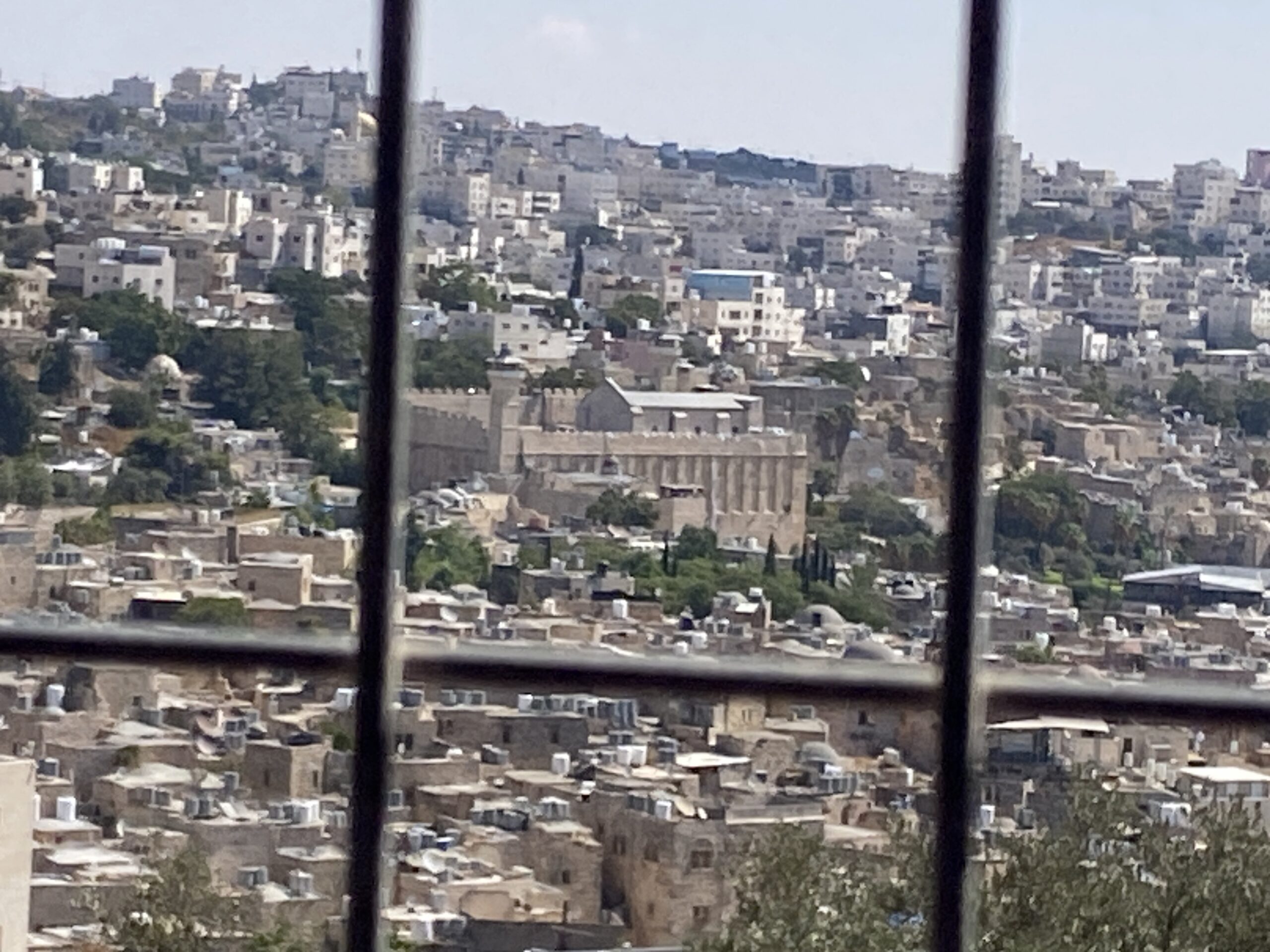 Yael ZoranSep-24-2026Hebron and the Cave of the Patriarchs from Beit Hashalom
-
South Hebron Hills
See all reports for this place-
South Hebron Hills
South Hebron Hills is a large area in the West Bank's southern part.
Yatta is a major city in this area: right in the border zone between the fertile region of Hebron and its surroundings and the desert of the Hebron Hills. Yatta has about 64,000 inhabitants.
The surrounding villages are called Masafer Yatta (Yatta's daughter villages). Their inhabitants subsist on livestock and agriculture. Agriculture is possible only in small plots, especially near streams. Most of the area consists of rocky terraces.Since the beginning of the 1980s, many settlements have been established on the agricultural land cultivated by the Palestinians in the South Hebron Hills region: Carmel, Maon, Susia, Masadot Yehuda, Othniel, and more. Since the settlements were established and Palestinians cultivation areas have been reduced; the residents of the South Hebron Hills have been suffering from harassment by the settlers. Attempts to evict and demolish houses have continued, along with withholding water and electricity. The military and police usually refrain from intervening in violent incidents between settlers and Palestinians do not enforce the law when it comes to the investigation of extensive violent Jewish settlers. The harassment in the South Hebron Hills includes attacking and attempting to burn residential tents, harassing dogs, harming herds, and preventing access to pastures.
There are several checkpoints in the South Hebron Hills, on Routes 317 and 60. In most of them, no military presence is apparent, but rather an array of pillboxes monitor the villages. Roadblocks are frequently set up according to the settlers and the army's needs. These are located at the Zif Junction, the Dura-al Fawwar crossing, and the Sheep Junction at the southern entrance to Hebron.
Updated April 2022
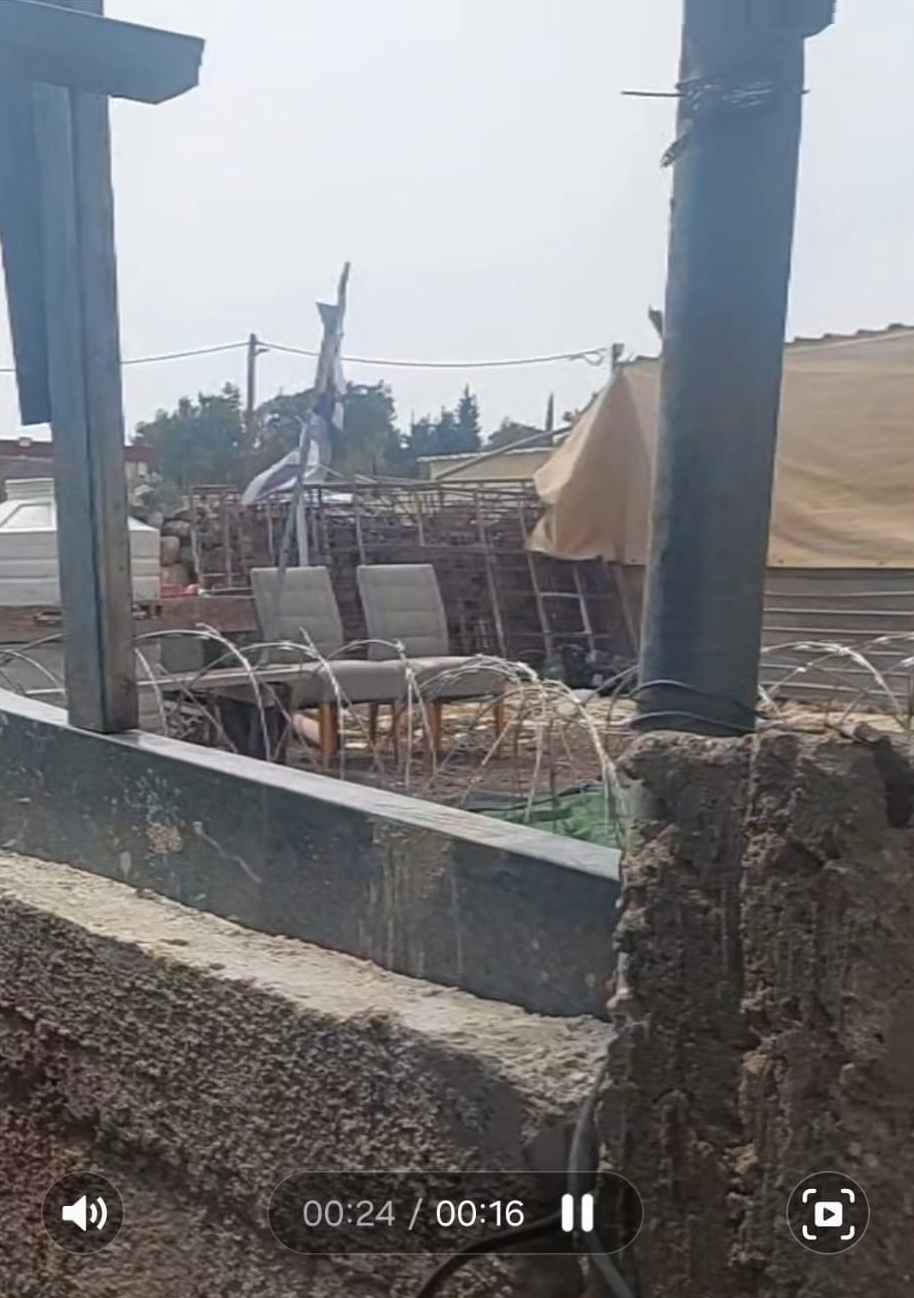 Michal TsadikOct-12-2026Umm al-Khair - Concertina wire and fences
-
