
Hebron, South Hebron Hills, Tue 25.1.11, Morning
Translator: Charles K.
it is 06:45 and all laborers have already crossed. Two buses arrived with relatives of prisoners. The families wait under the canopy.
Route 60
The usual automobile traffic on Route 60.
The army is keeping a low profile. No flying checkpoints anywhere and no delays.
Military jeeps pass by here and there. Few pupils on the side of the roads.
The only place we see soldiers checking IDs are at the sheep market at Tzomet HaKvasim and the entrance to the Hebron industrial area.
The observation balloon is aloft.
Hebron
A soldier in a booth at the entrance to Kiryat Arba watches the road.
They’ve almost finished paving Derekh Habanim (litterally: the path of the sons). By next week there may be landscaping. The Nofei Mamreh neighborhood also looks ready for occupancy.
Hebron still slumbers. Semester break began today and only some schools have classes. Hardly anyone on the street. All the checkpoints are quiet. Nor are there any CPT people around.
Givati soldiers have also taken up positions at Gross Square and at the entrance to the Jewish quarter. The Cave of the Patriarchs area is also deserted and quiet.
We went to our friends who had bought on our behalf gas heaters and other equipment to heat Huda’s kindergarten and drove to Eid at Umm el Hir so he could bring us to Hisham al Daraj, to the kindergarten.
Umm el Hir: No-man's people
Tu B’Shvat celebrations have been going on since Saturday. Settler from Carmel came down to the Palestinians’ grazing lands, tried to chase people away and planted trees. Volunteers from abroad were hit by the settlers on Saturday.
People from Ta’ayush have been coming since Sunday to help, and today, like every day since then, there were confrontations between the shepherds coming down to their fields and the settlers trying to expand their domain by planting trees and “to get rid of the people from Umm El Hir.” And the army? The border police? They stand off the side without intervening. The only ones getting hurt are Arabs – so who cares??
There an uproar down in the wadi. We have no way of getting there and Eid promises that everything’s under control, that he has help.
We decided, together with Huda, to bring the heater to the kindergarten tomorrow.
Hebron
See all reports for this place-
According to Wye Plantation Accords (1997), Hebron is divided in two: H1 is under Palestinian Authority control, H2 is under Israeli control. In Hebron there are 170,000 Palestinian citizens, 60,000 of them in H2. Between the two areas are permanent checkpoints, manned at all hours, preventing Palestinian movement between them and controlling passage of permit holders such as teachers and schoolchildren. Some 800 Jews live in Avraham Avinu Quarter and Tel Rumeida, on Givat HaAvot and in the wholesale market.
Checkpoints observed in H2:
- Bet Hameriva CP- manned with a pillbox
- Kapisha quarter CP (the northern side of Zion axis) - manned with a pillbox
- The 160 turn CP (the southern side of Zion axis) - manned with a pillbox
- Avraham Avinu quarter - watch station
- The pharmacy CP - checking inside a caravan with a magnometer
- Tarpat (1929) CP - checking inside a caravan with a magnometer
- Tel Rumeida CP - guarding station
- Beit Hadassah CP - guarding station
Three checkpoints around the Tomb of the Patriarchs
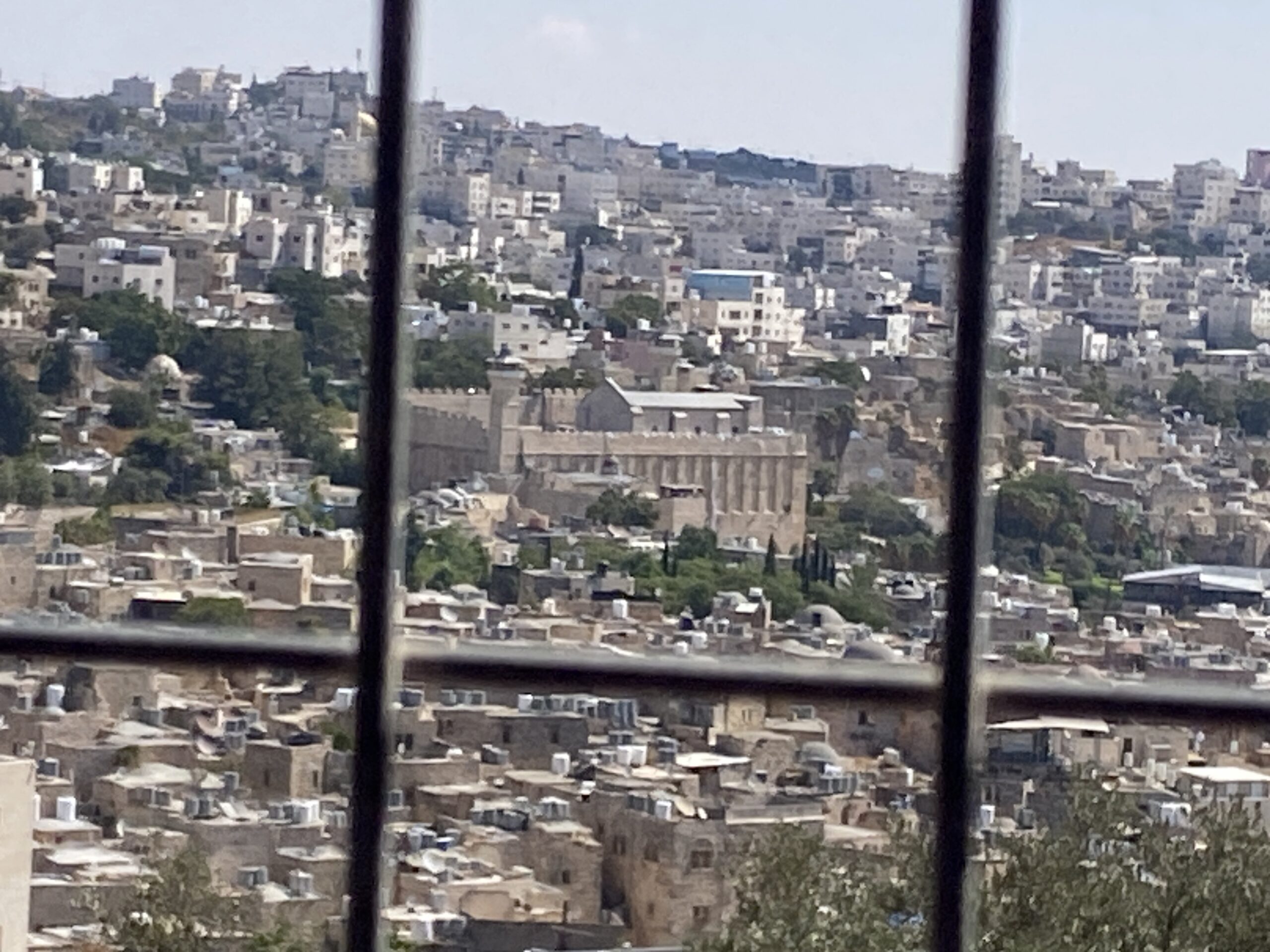 Yael ZoranSep-24-2026Hebron and the Cave of the Patriarchs from Beit Hashalom
-
South Hebron Hills
See all reports for this place-
South Hebron Hills
South Hebron Hills is a large area in the West Bank's southern part.
Yatta is a major city in this area: right in the border zone between the fertile region of Hebron and its surroundings and the desert of the Hebron Hills. Yatta has about 64,000 inhabitants.
The surrounding villages are called Masafer Yatta (Yatta's daughter villages). Their inhabitants subsist on livestock and agriculture. Agriculture is possible only in small plots, especially near streams. Most of the area consists of rocky terraces.Since the beginning of the 1980s, many settlements have been established on the agricultural land cultivated by the Palestinians in the South Hebron Hills region: Carmel, Maon, Susia, Masadot Yehuda, Othniel, and more. Since the settlements were established and Palestinians cultivation areas have been reduced; the residents of the South Hebron Hills have been suffering from harassment by the settlers. Attempts to evict and demolish houses have continued, along with withholding water and electricity. The military and police usually refrain from intervening in violent incidents between settlers and Palestinians do not enforce the law when it comes to the investigation of extensive violent Jewish settlers. The harassment in the South Hebron Hills includes attacking and attempting to burn residential tents, harassing dogs, harming herds, and preventing access to pastures.
There are several checkpoints in the South Hebron Hills, on Routes 317 and 60. In most of them, no military presence is apparent, but rather an array of pillboxes monitor the villages. Roadblocks are frequently set up according to the settlers and the army's needs. These are located at the Zif Junction, the Dura-al Fawwar crossing, and the Sheep Junction at the southern entrance to Hebron.
Updated April 2022
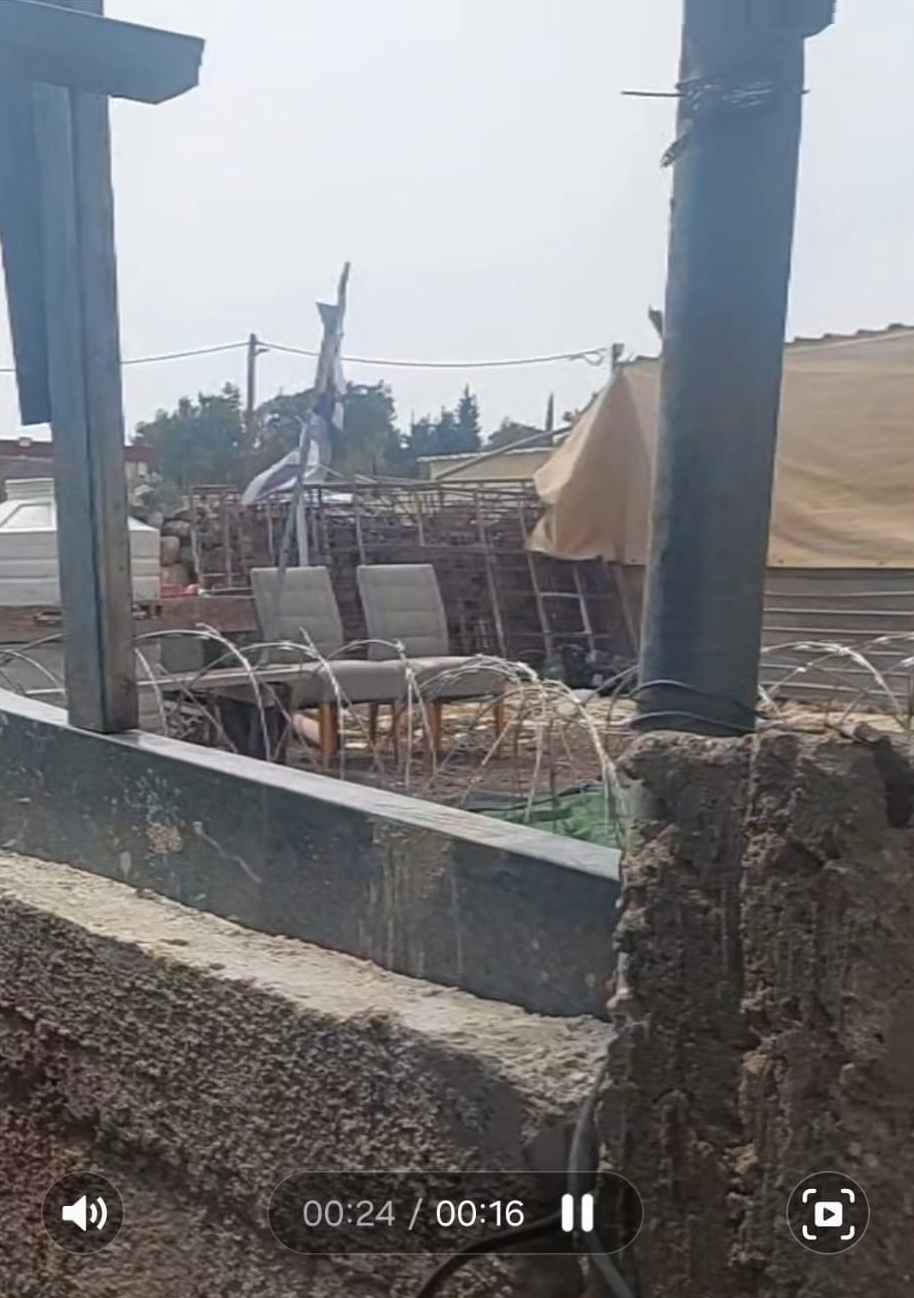 Michal TsadikOct-12-2026Umm al-Khair - Concertina wire and fences
-
