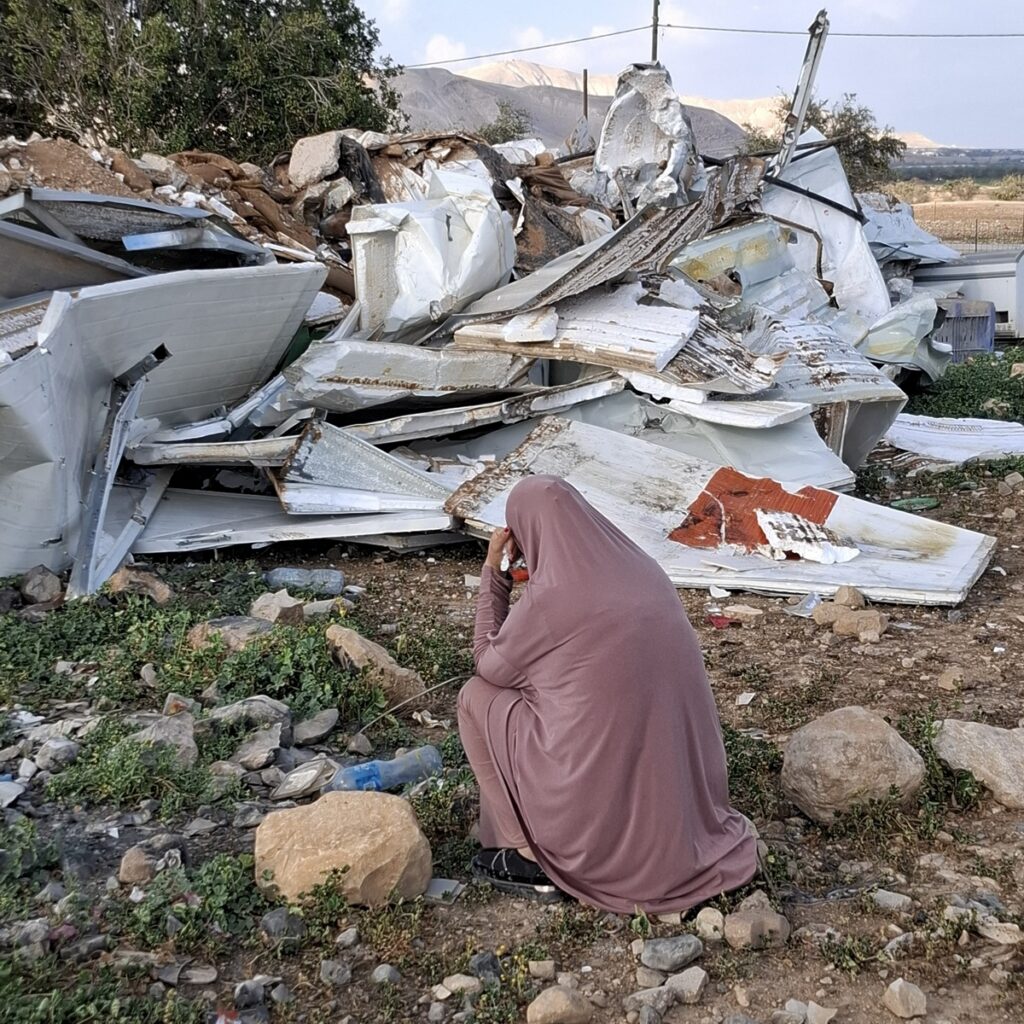
Jordan Valley: ATVs “celebrating” across the entire northern valley area from Al-Hamma in the north to Hamra in the south.
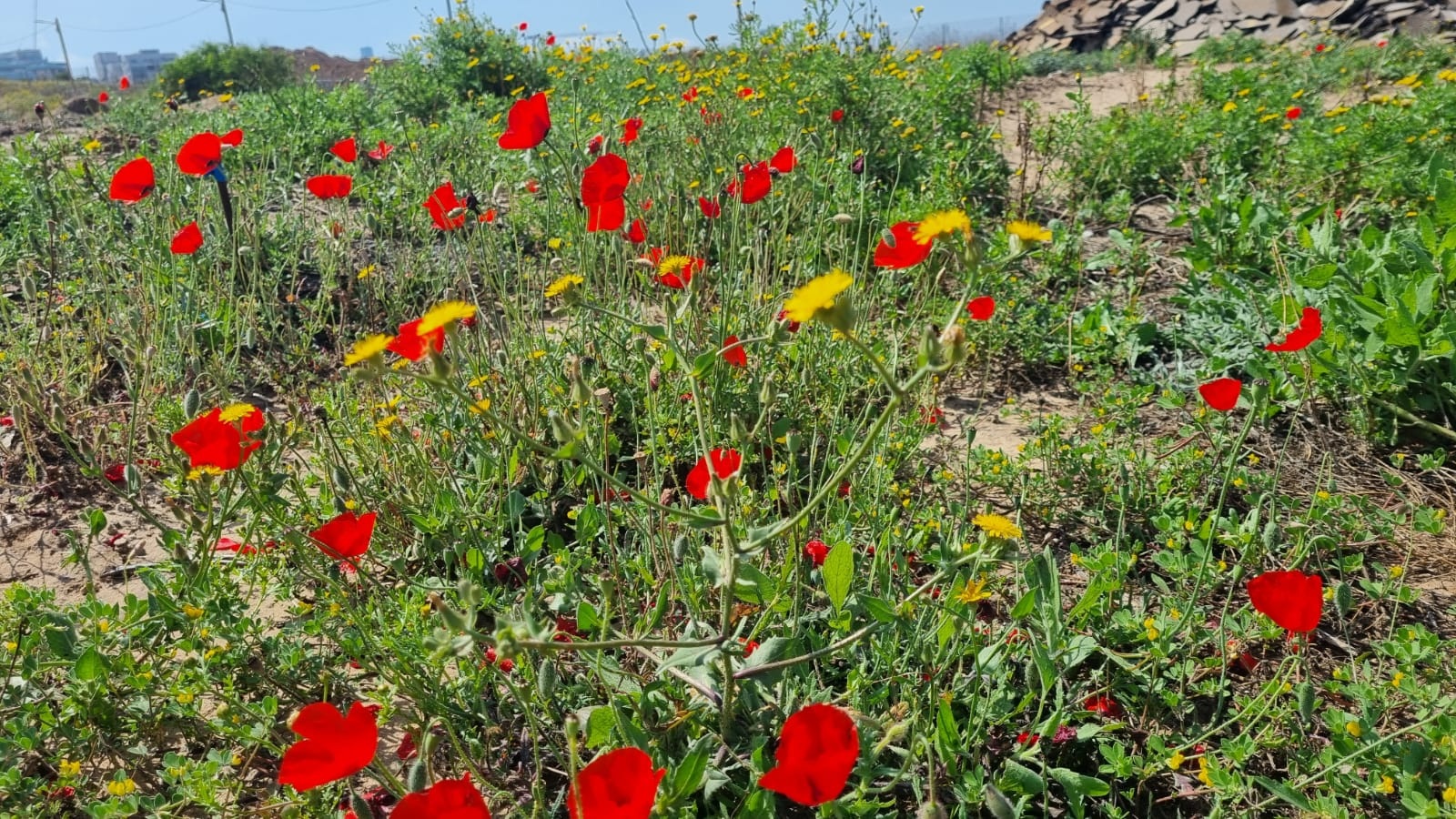
We split up. Bosmat stayed with the family, and Parma and I joined the grazing. It was a pleasant spring day after a lot of rain. There was greenery for grazing; we walked a short distance on their land, which is also recognized as such by the army.
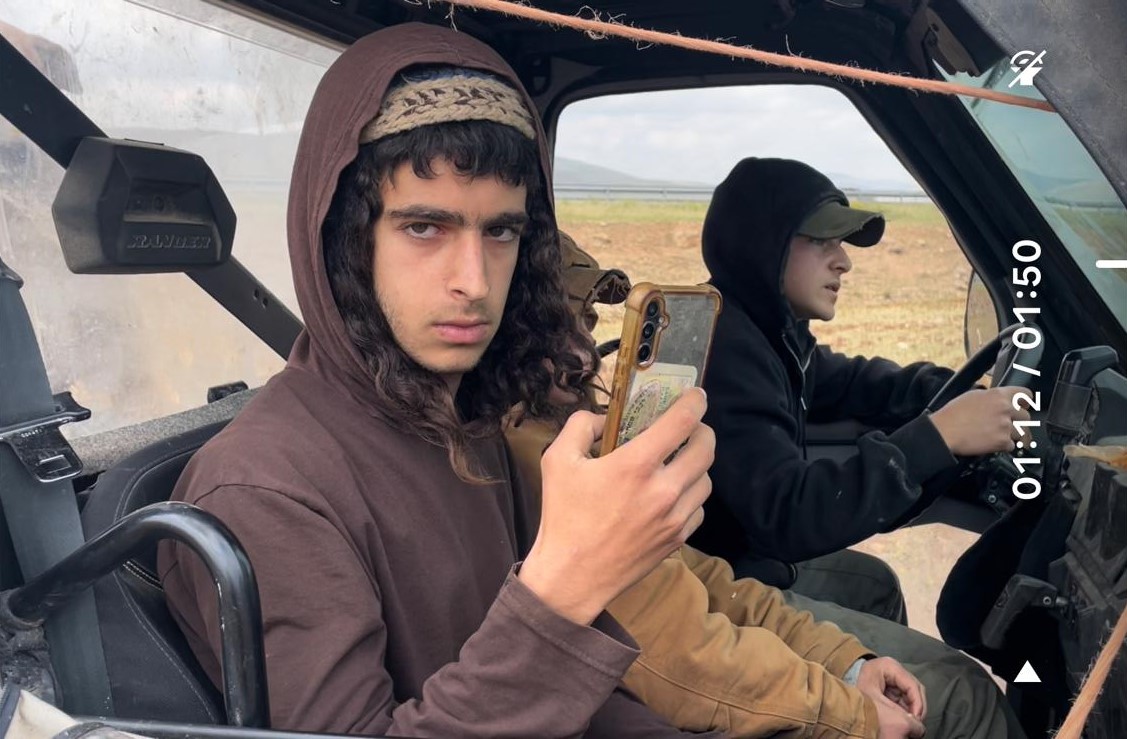
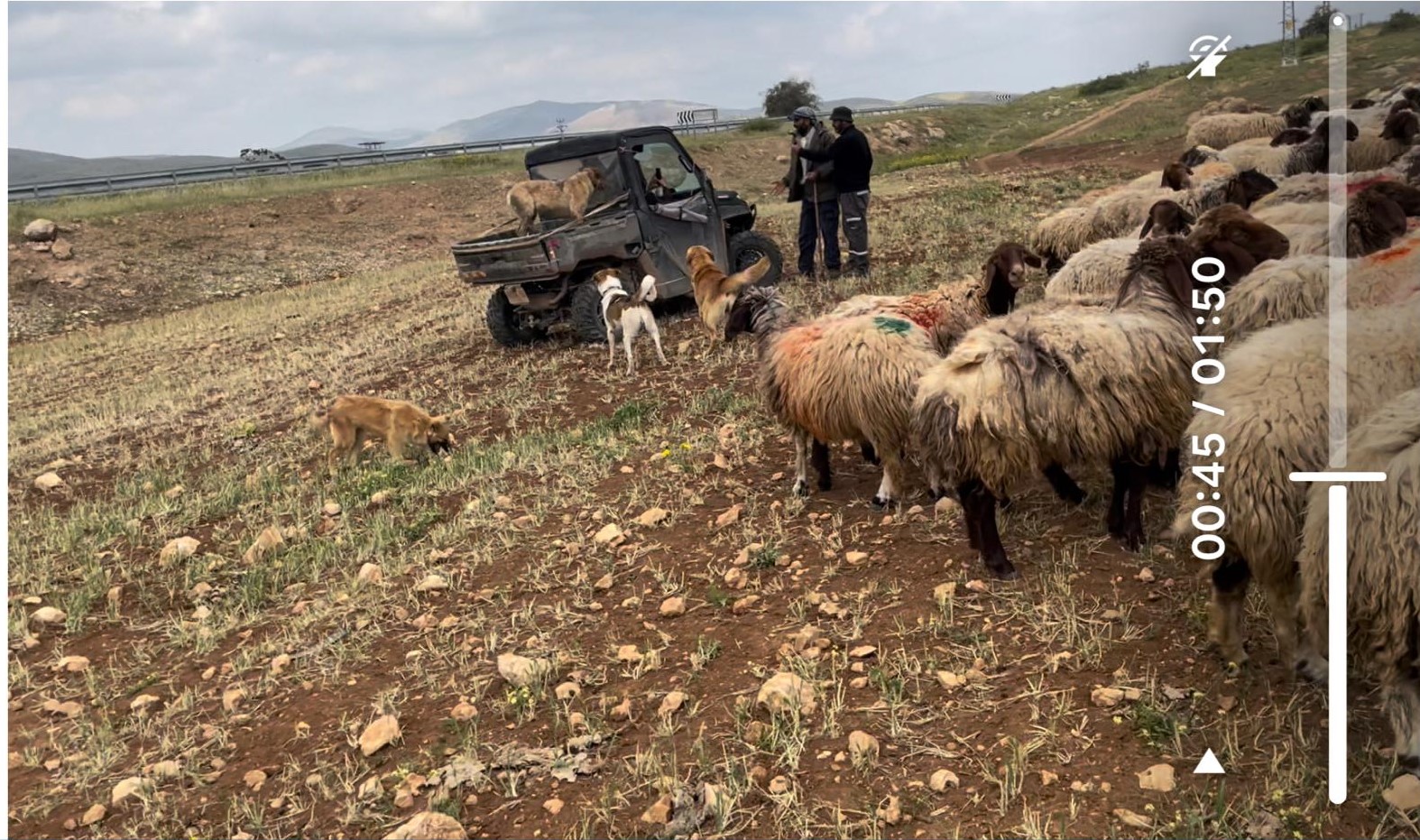
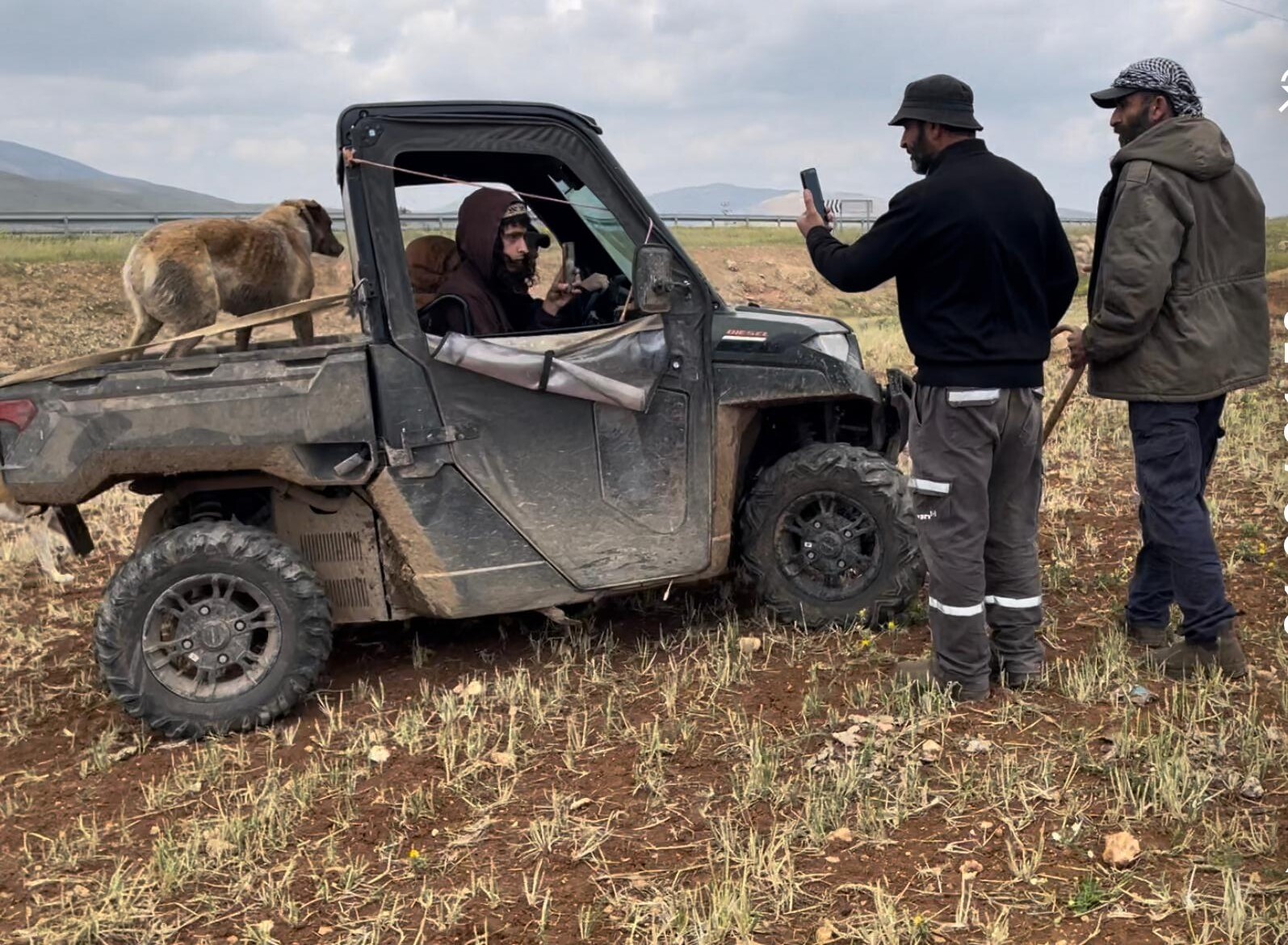
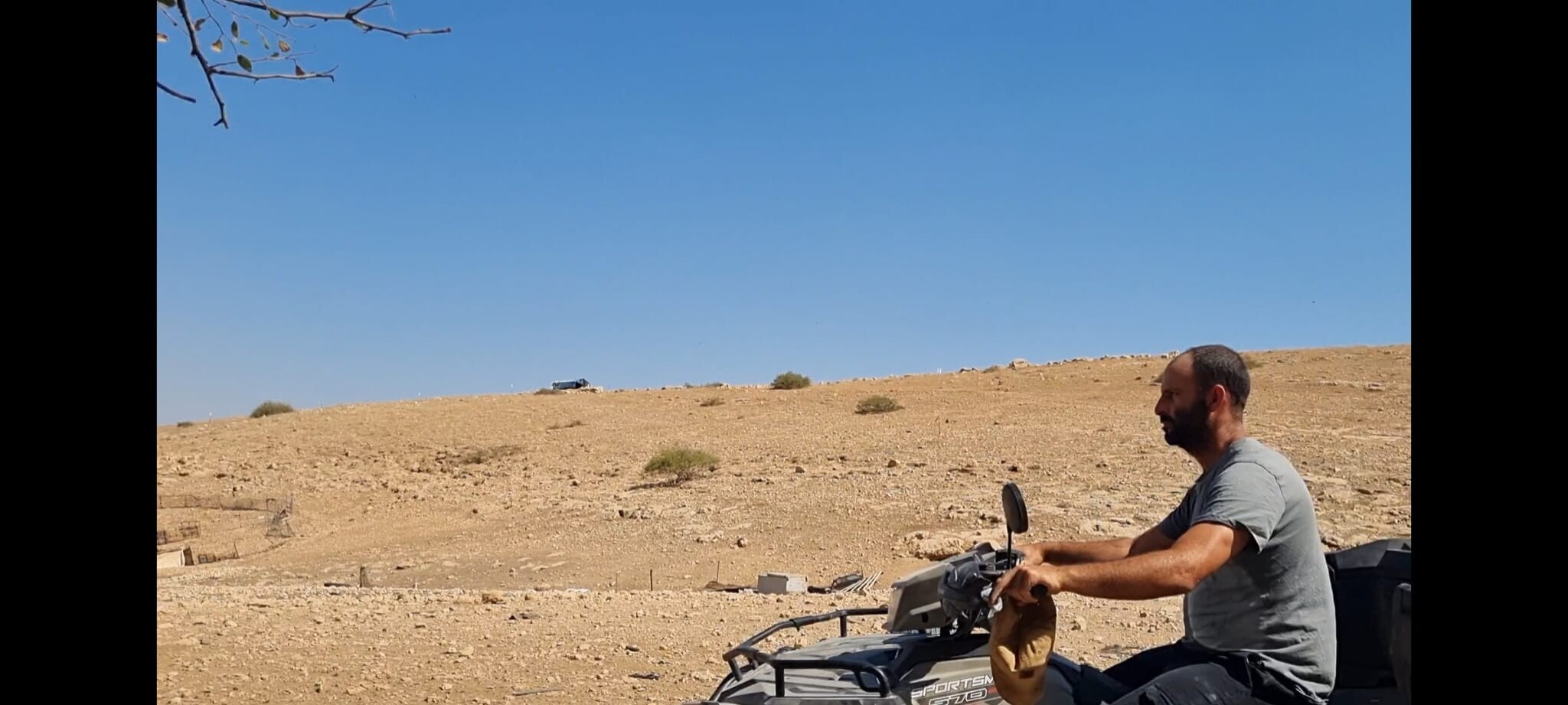
An ATV that we had seen circling on the road came toward us—apparently a teenage boy and his younger brother—honking and trying to drive into the herd, while the two shepherds protected the flock and prevented him from entering. We were filming.
After several failed attempts, he left.
Fifteen minutes later he returned with reinforcement—another teenage boy (I’m tired of inventing names for them) and a dog joined the previous team. They felt bolder. The shepherds still controlled the situation and did not let them enter the herd, but the flock was frightened. Shortly before they arrived, a new lamb had been born. One of the serious problems is that fear among sheep can cause miscarriages.
After several long minutes of attempts by the boys to get into the herd, and the shepherds’ brave stand preventing them, they left.
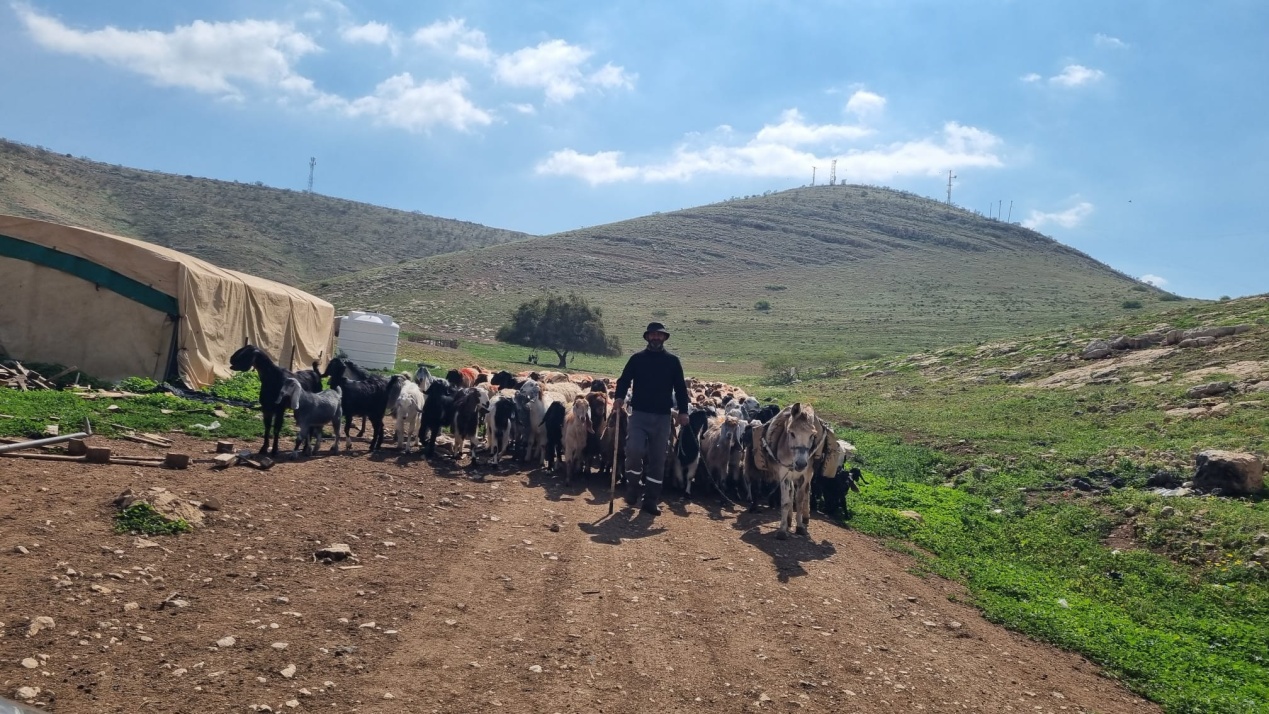
After that, the sheep wanted to go home. They were tired of this “game.” The grazing ended a few hours earlier than planned.
During this, I called the police. A policewoman answered and confronted me in an aggressive, Ben-Gvir–style manner about my very presence there: “What are you doing there? Isn’t this Israel? Why doesn’t the shepherd call?”—and many other irritating remarks I unfortunately don’t remember. She asked for a location and sent me a messag I didn’t receive (later in the day it reached my phone, and it turned out I had been in an area without reception). I ended the call and called again. Another policewoman answered and behaved completely empathetically—she asked questions, told me what to do, and said she would pass it on to whoever needed to come to the area. By then the herd was already on its way home. The incident was over. Only my anger remained.
I later asked the shepherd at home what they do when we are not there—do they call the police? He said yes, but that the police say they do not speak with Arabs. I don’t know what is true and what is not, but it sounds Kafkaesque.
That same day, ATVs were “celebrating” across the entire valley—from Al-Hamma in the north to Hamra in the south.
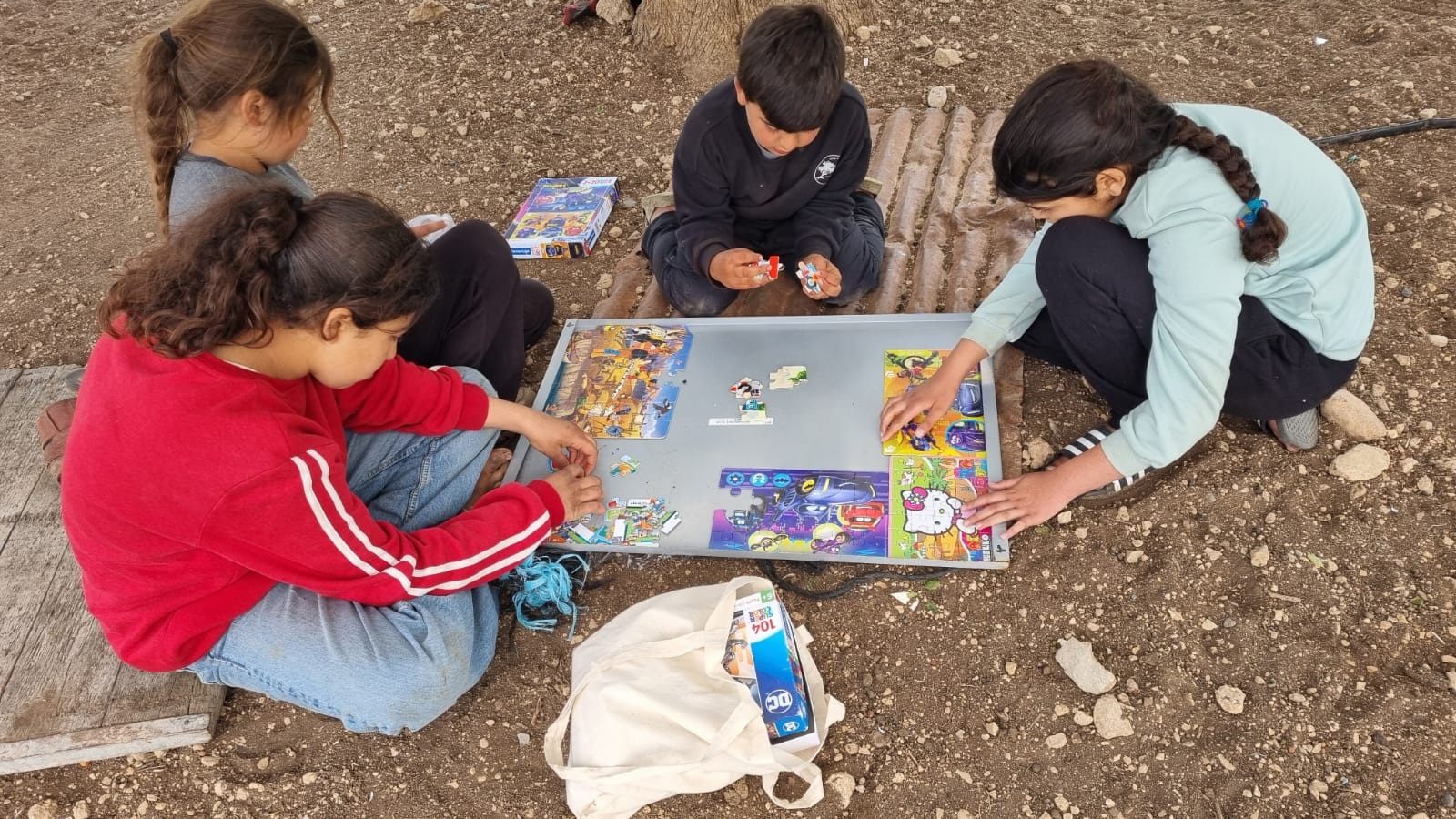
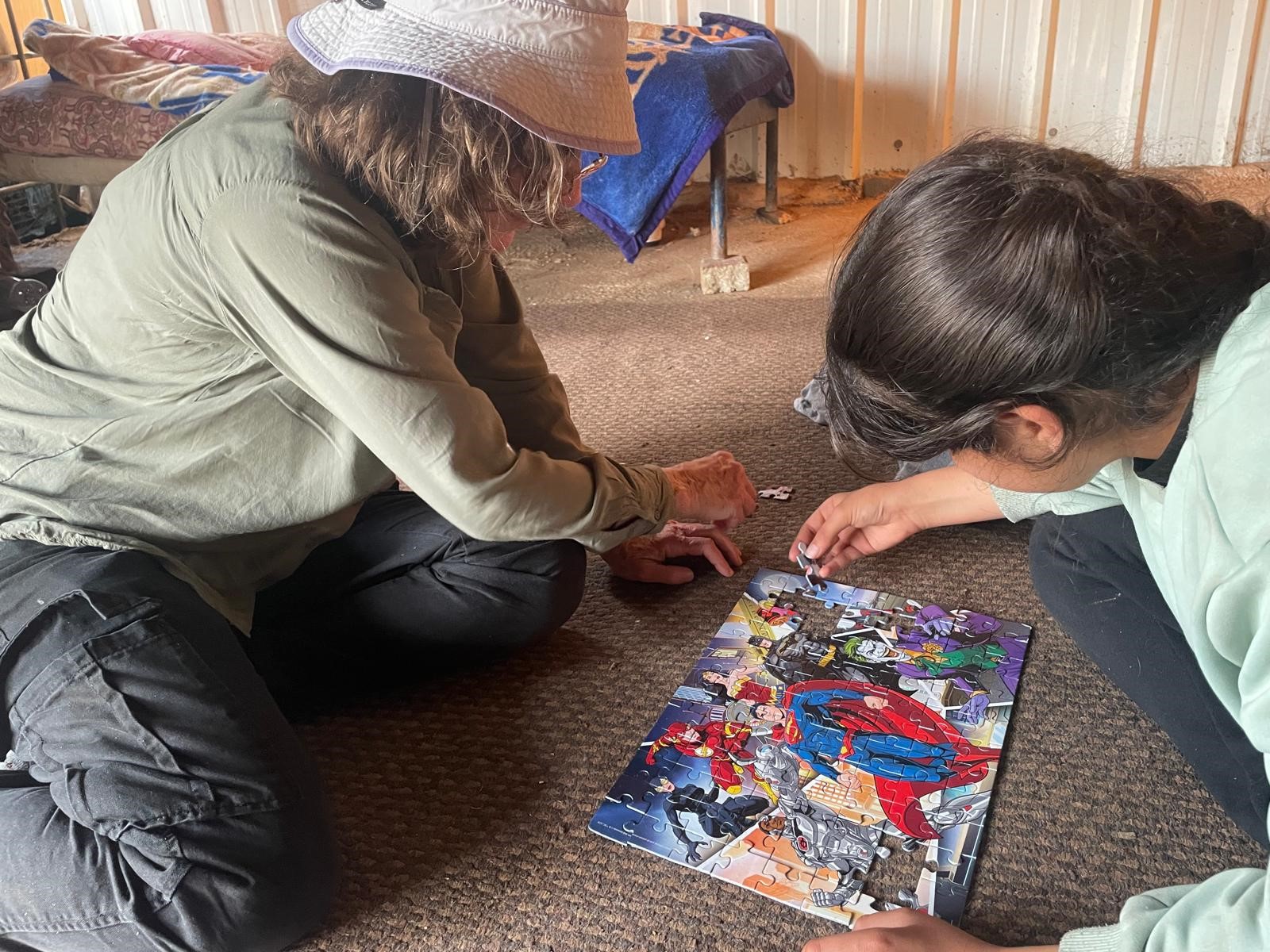
Samra’s children are in the process of falling in love with us and with the games we bring them. They are wonderful.
The community center around the Jujube tree: swings blowing in the wind, puzzles, laughter, and lots of help for the parents. Everyone in the family knows their role. It’s a wonderful experience to be with them.
Needed: games, art supplies, paper, and anything anyone would like to donate—for ages 8–18.
Location Description
Jordan Valley
See all reports for this place-
Jordan Valley The Jordan Valley is the eastern strip of the West Bank. Its area consists of almost a third of the West Bank area. About 10,000 settlers live there, about 65,000 Palestinian residents in the villages and towns. In addition, about 15,000 are scattered in small shepherd communities. These communities are living in severe distress because of two types of harassment: the military declaring some of their living areas, as fire zones, evicting them for long hours from their residence to the scorching heat of the summer and the bitter cold of the winter. The other type is abuse by rioters who cling to the grazing areas of the shepherd communities, and the declared fire areas (without being deported). The many groundwaters in the Jordan Valley belong to Mekorot and are not available to Palestinians living in the Jordan Valley. The Palestinians bring water to their needs in high-cost followers.
 Rachel AfekJul-22-2026Samra. Uri from the outpost on a daily visit
-