
Jordan Valley: refurbishing water cisterns used by Palestinians
The campaign: Israel is denying water to Palestinians in the Jordan Valley. Here’s what we can do.
This time we decided to focus on refurbishing water cisterns Israel prevents Palestinians from maintaining
(The cisterns are dug out of the rock to hold runoff during the rainy season for the local population to use during the dry season. Runoff flowing downhill is collected via shallow channels leading to the cistern.)
Some 45 volunteers from various organizations, including activists from Combatants for Peace, Machsom Watch and other groups, accompanied by shepherds, arrived for the work. We formed three groups, each working in a different location.

Our cistern was about one kilometer from the road, on a slope. The cistern itself was in good condition. A group from Combatants for Peace had worked on it two years ago. Our job was to raise and thicken the stone wall preventing the water from flowing away from the collection area where the cistern was dug.


After a short explanation at the beginning, we began to collect rocks to raise and thicken the wall blocking the water. At first we gathered relatively large rocks, then smaller ones to plug holes and to reinforce the wall. That’s how the agricultural terraces are constructed, but we, unskilled in the work, had to use cement for reinforcement
The Occupation authorities consider this activity to be “construction.” Since Palestinians are strictly forbidden to build, repair a damaged wall, or carry out any other maintenance work, we activists organized to do the work.
We first constructed the retaining “wall” for the runoff, then cleaned the runoff holding area which had filled with rubbish and dry branches and then began preparing the cement for reinforcement.
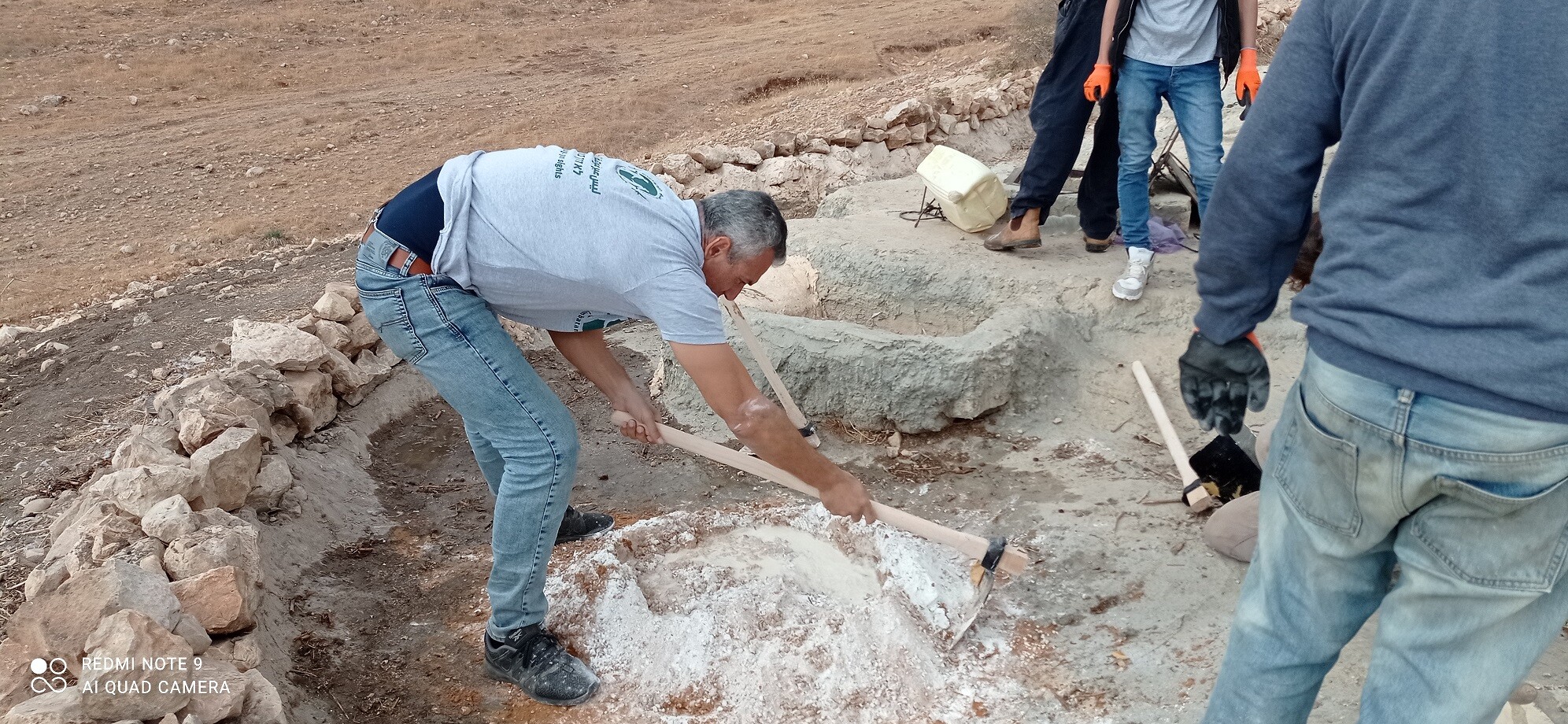
Rain began to fall and gradually strengthened as we were finishing the work.
Later we heard there had been flooding. Perhaps the water partially filled the cisterns.
Jordan Valley
See all reports for this place-
Jordan Valley The Jordan Valley is the eastern strip of the West Bank. Its area consists of almost a third of the West Bank area. About 10,000 settlers live there, about 65,000 Palestinian residents in the villages and towns. In addition, about 15,000 are scattered in small shepherd communities. These communities are living in severe distress because of two types of harassment: the military declaring some of their living areas, as fire zones, evicting them for long hours from their residence to the scorching heat of the summer and the bitter cold of the winter. The other type is abuse by rioters who cling to the grazing areas of the shepherd communities, and the declared fire areas (without being deported). The many groundwaters in the Jordan Valley belong to Mekorot and are not available to Palestinians living in the Jordan Valley. The Palestinians bring water to their needs in high-cost followers.
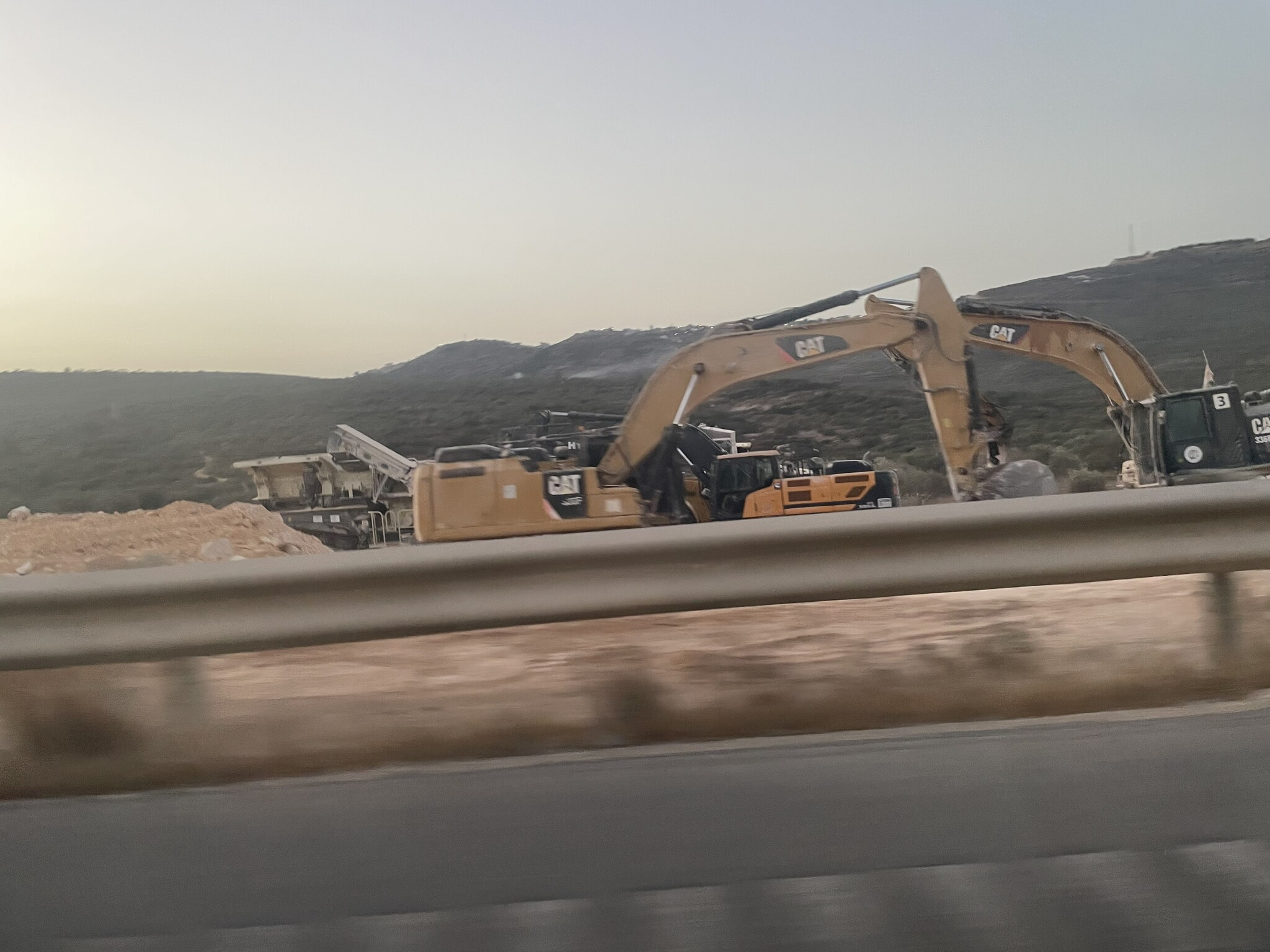 Rachel AfekOct-8-2026Jordan Valley. Widening of Road 505
-
