
Jordan Valley: They need a lot of mental strength to hold onto the land
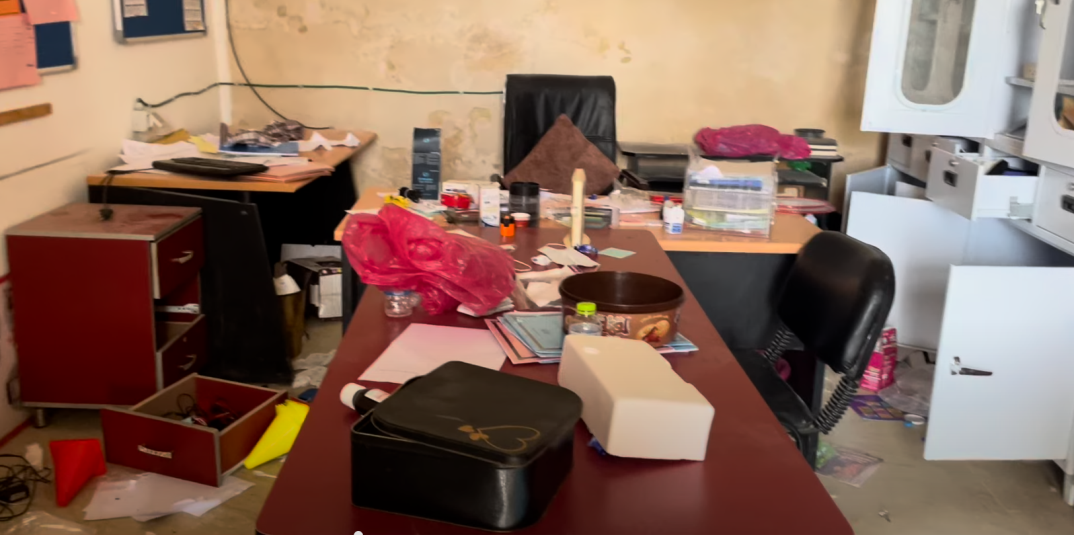
In Hamam al-Maleh, only one man remains in his home. All the others have left. On the last day of the Eid (holiday), the children of God came and trashed the equipment in the school, kindergarten, and office. And stole the electrical devices.
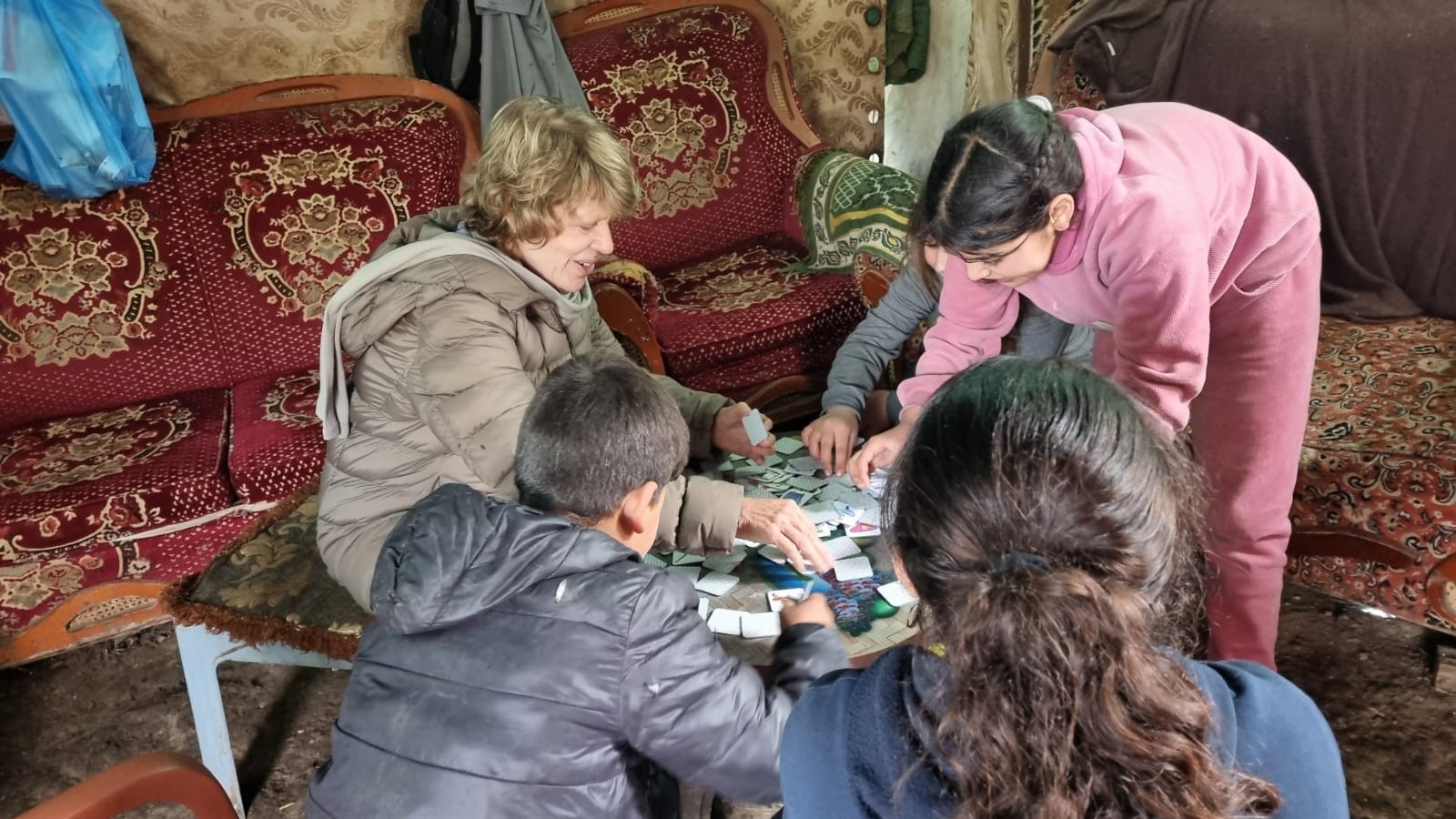
We are at Samra as a protective presence. We are spending the time with the children playing a memory game, which we are all enjoying a lot, and in conversation with the parents. The past few days have passed quietly without disturbances. There’s a lot of media around and perhaps the army is trying to show it’s in control. In any case, the settlers from the blue tent haven’t come down here. On the other hand, today the shepherds brought their flocks to graze in a place that the military security coordinator didn’t like and he told them to clear off, even though it’s their land. They don’t argue. They just ask themselves where they want us to go, fly up to the heavens? Their laughter is sad, sad. Two families and their children are still here. Everything is hanging in the air. They need a lot of mental strength to convince themselves to continue holding on to the land. And that’s what they’re doing.
A well-known movie-maker/photographer is making a documentary about the area in view of the situation. He’s moving around among the communities with his camera and interviewing the people who live here. By the time the film comes out, they may already see it in Manteka A (Area A).
The checkpoints in every village and on every road are built by the army. The ATVs are handed out by the state. The new road that will redivide the area is built by the state, not the hilltop youths, with all due disrespect to them. In short, the days are hard, the nights even more so. And history is running rings around us.
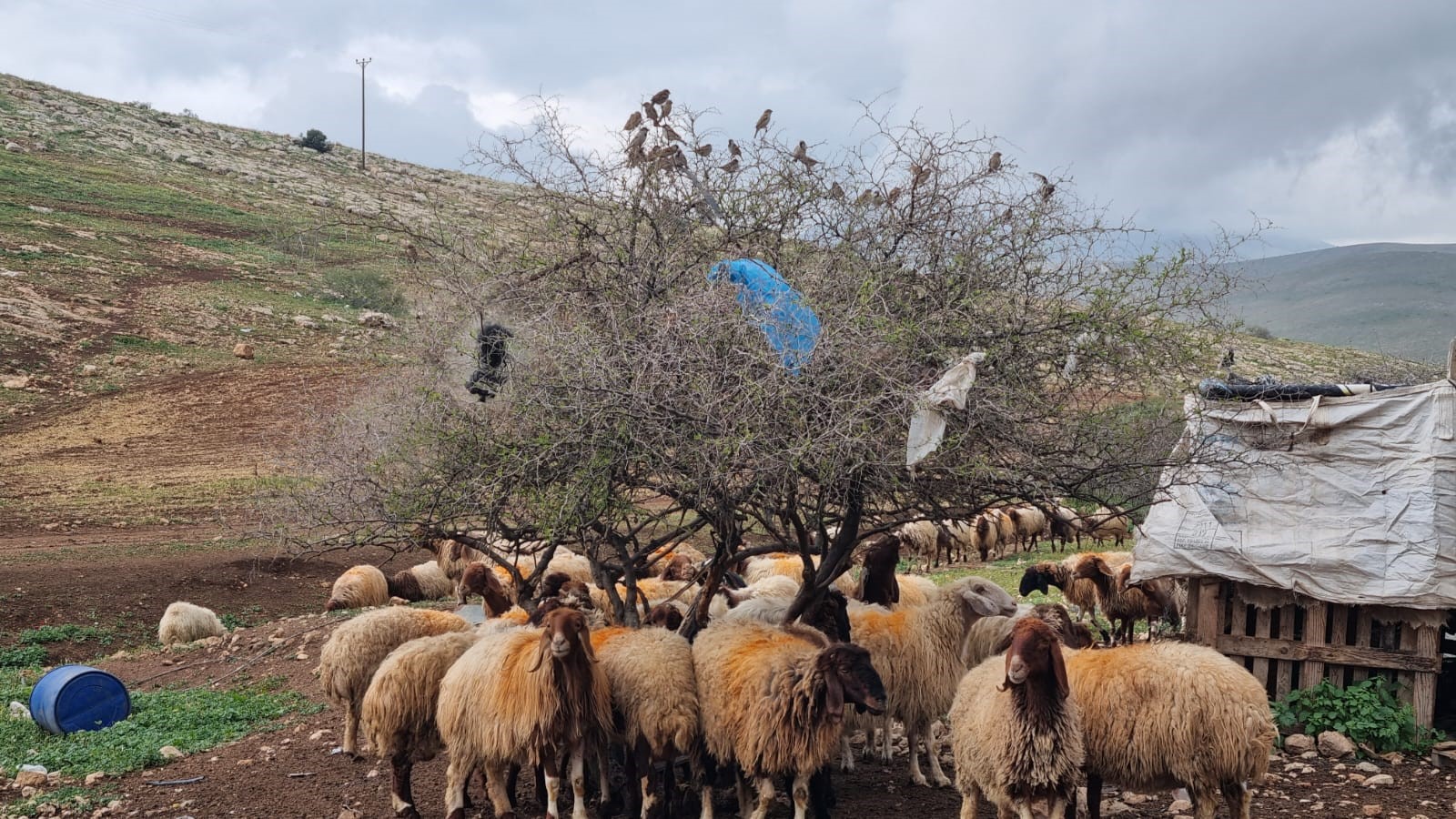
Location Description
Hamam al-Maleh
See all reports for this placeJordan Valley
See all reports for this place-
Jordan Valley The Jordan Valley is the eastern strip of the West Bank. Its area consists of almost a third of the West Bank area. About 10,000 settlers live there, about 65,000 Palestinian residents in the villages and towns. In addition, about 15,000 are scattered in small shepherd communities. These communities are living in severe distress because of two types of harassment: the military declaring some of their living areas, as fire zones, evicting them for long hours from their residence to the scorching heat of the summer and the bitter cold of the winter. The other type is abuse by rioters who cling to the grazing areas of the shepherd communities, and the declared fire areas (without being deported). The many groundwaters in the Jordan Valley belong to Mekorot and are not available to Palestinians living in the Jordan Valley. The Palestinians bring water to their needs in high-cost followers.
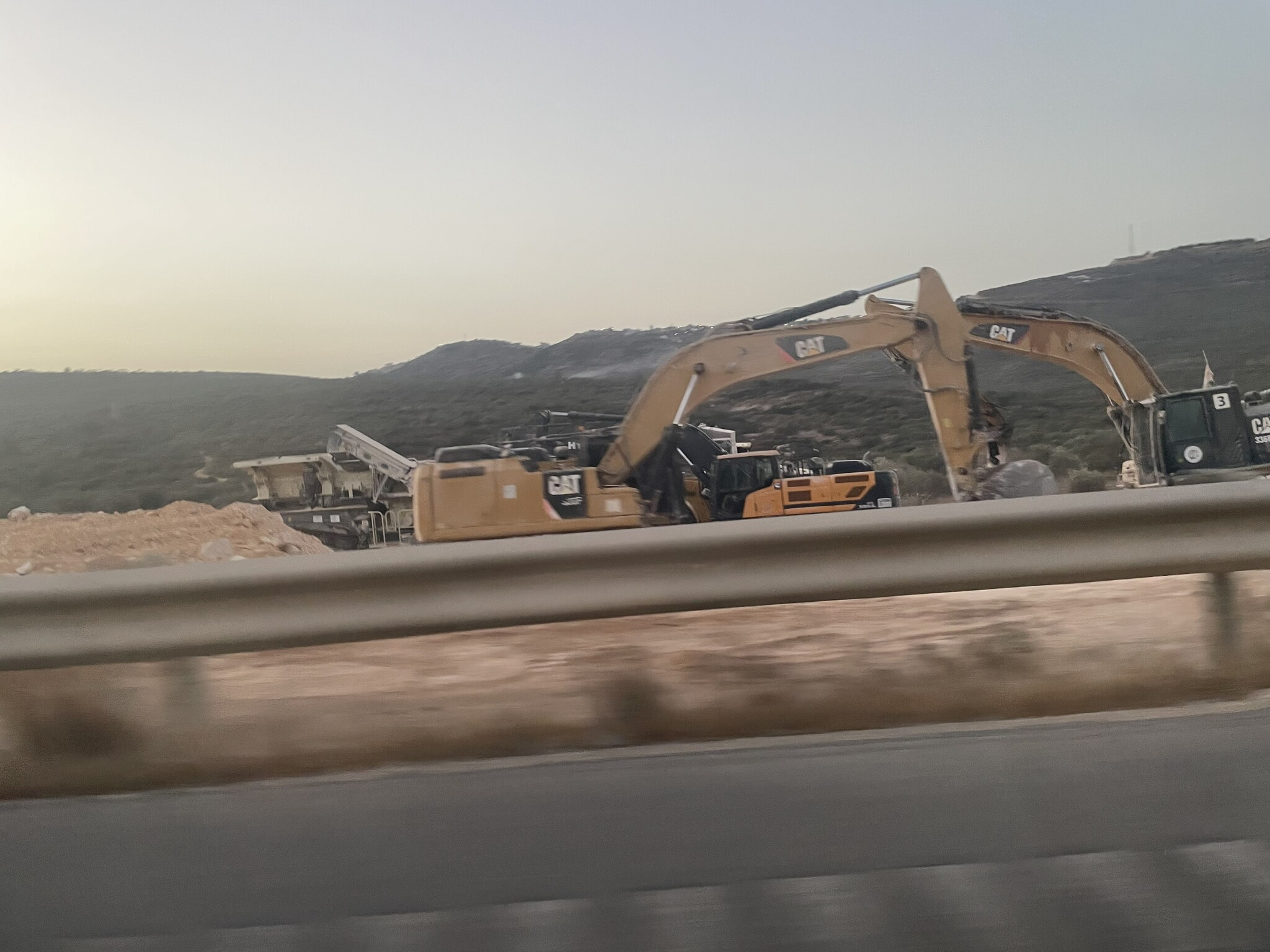 Rachel AfekOct-8-2026Jordan Valley. Widening of Road 505
-
