
Khumsa, Samra: “What do you want? That we die?” – The shepherds’ cry
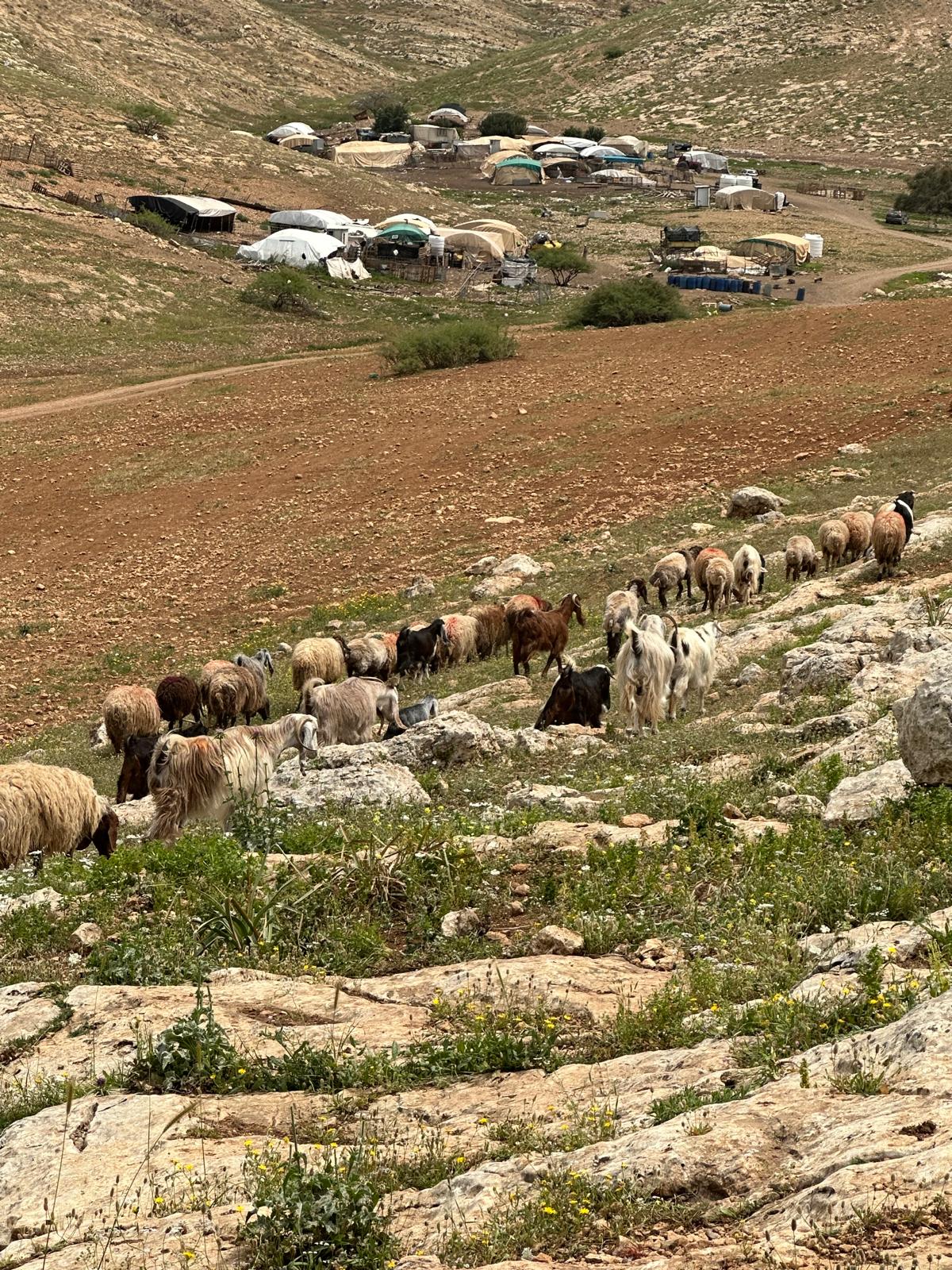
The landscape changes from week to week. The green slowly turns yellow, and instead of yellow mustard flowers, now the Milk Thistle’s vibrant purple dominates. Nature greets us with the playful smile of the first heatwave, but the great emptiness tears the heart into pieces. An area that once teemed with herds from dozens of shepherding communities now grows rich, nourishing grass up to half a meter high, and there’s no one to enjoy it, for the communities—those that remain—must buy feed for their sheep at great cost. Moreover, with the wild grass growing unchecked, the danger of fires increases if even a single stray spark ignites it.
In Samra, where violent settlers have taken over their land, only two brothers remain—A. and D. After P. and their parents left due to relentless abuse by settlers, who established an outpost above them and marked the descent to the community with an Israeli flag.
Three settlers stood on rocks near the outpost, overlooking the village. We split into two teams: Nurit and Orly went to accompany A. to the grazing area and arrived just as one of the settlers was making an intimidation round with a ranger vehicle among the herd. Yael and I stayed with H. in the residential compound.
All the while, our eyes were turned upward, toward the settlers’ tent, watching whether they would come down toward the village and its children.
At 13:30, when we returned from grazing (exhausted from being out in the sun on a hot day), we drove to Khumsa. On the way, near the ruins of T.’s community, we found a children’s toy tractor and wagon—slightly broken—but we collected it and brought it to one of the Khumsa communities, where it brought great joy.
We drove to the most remote community, the one that was violently attacked about a month ago. About 400 sheep were stolen, and residents—including small children—were beaten. When we arrived, the place seemed deserted. Only the head of the community was grazing a herd of 30 goats some distance from the village, goats they had purchased with money donated by activists. He approached us suspiciously and asked, “Who are you?” We asked if the residents were sleeping (it was a hot midday hour), and he said no—they were hiding in their homes, afraid of the approaching vehicle.
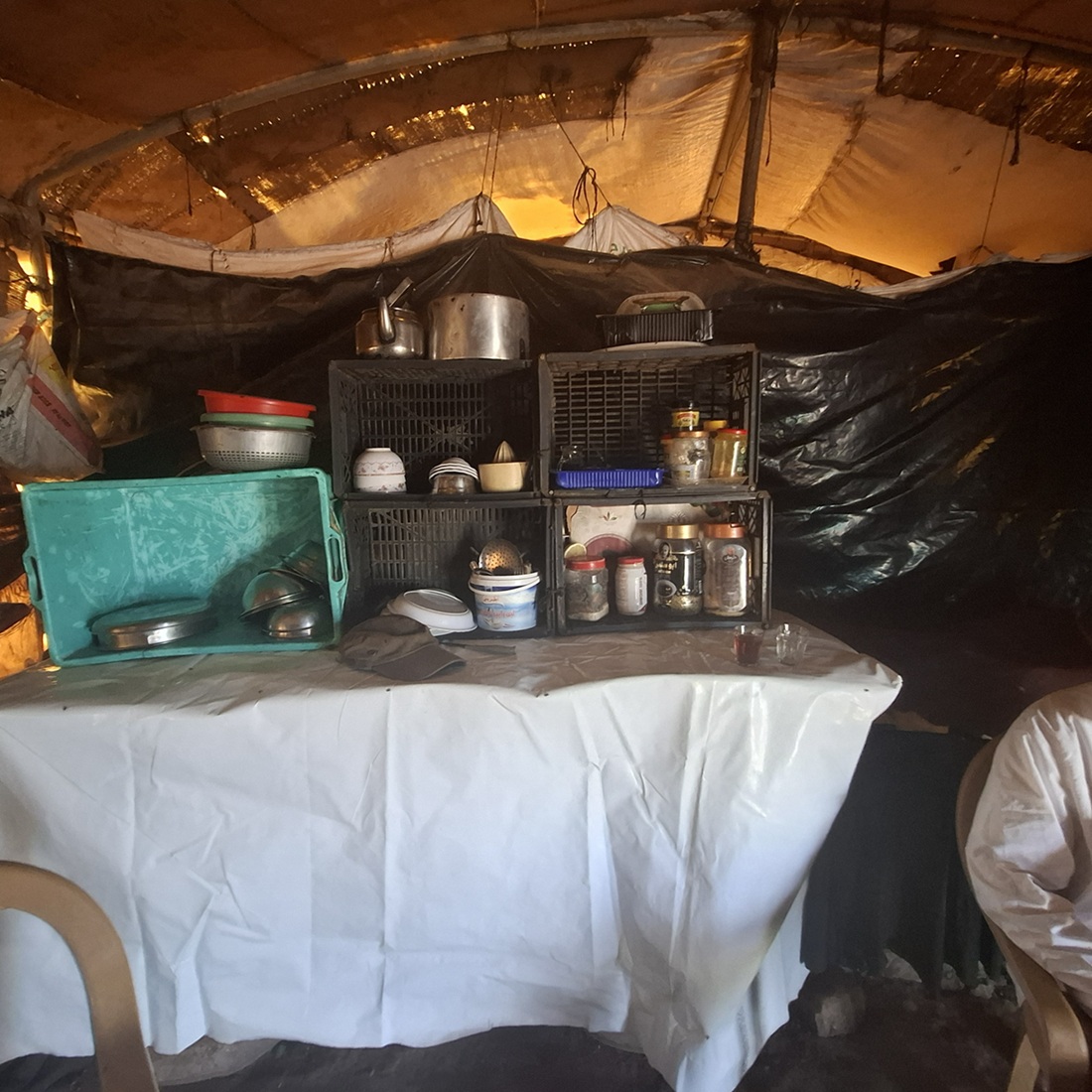
When we arrived, the women asked us to come to the improvised kitchen made of plastic crates and talk. They described the terrible experience they had endured: how they were beaten, dragged by their hair, and everything they owned was smashed. They said the children are severely traumatized—wetting the bed at night, waking up screaming—and they themselves cannot cope with the traumatic memories. They asked for money, because without sheep there is no money for food, and they asked for kitchen utensils, dishes, chairs, and cleaning supplies—shampoo, soap, and laundry detergent. (Who can help?)
At the same time, Yael gathered the young girls, danced with them, and played with them outside. It was a moment of happiness for the little ones.
On our way out, the elderly shepherd—the father of the family—stopped us and tearfully asked for help. They cannot survive on the 30 goats that activists funded. They need sheep in order to live!! I told him we do not have the money to buy sheep, and he cried out: “What do you want? That we die? We have no food without sheep!” He would not let us leave and pleaded with us to help him buy sheep. It was heartbreaking, because he is right. Those five families who were attacked cannot live without the sheep that were stolen from them—and without cheese, there is no life! These people are left without any way to feed their children!!
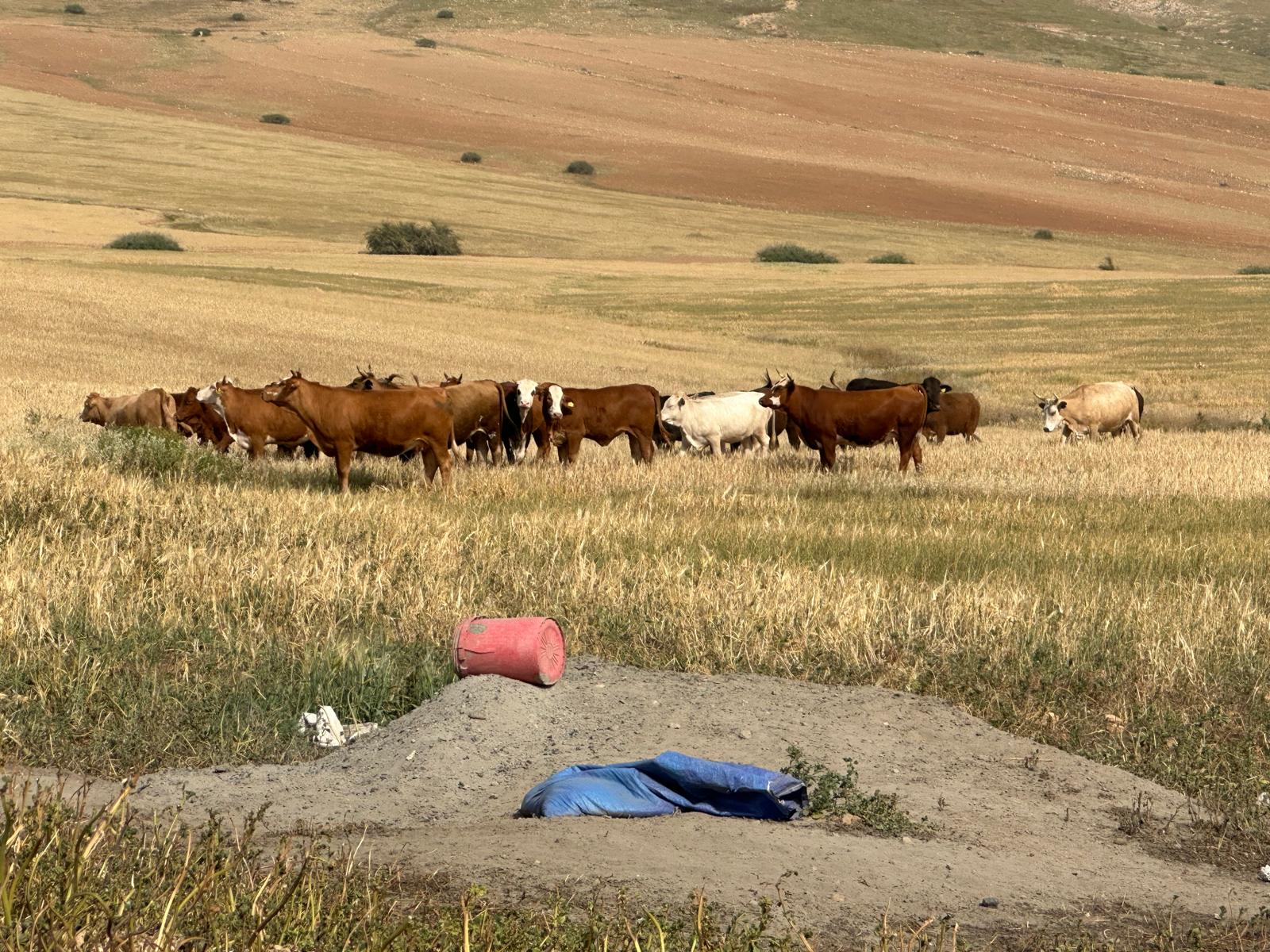
We continued. As we approached another Khumsa community, we saw that the herd of cattle belonging to the settler Neriya—from the outpost above Khumsa (who, according to Palestinians, led the pogrom a month ago)—had reached almost to the community, without a shepherd, just wandering. It was unclear who directed them there. All the Palestinians were frightened, and the community’s guard dogs stood in front of the cows and eventually drove them away—perhaps our presence also helped.
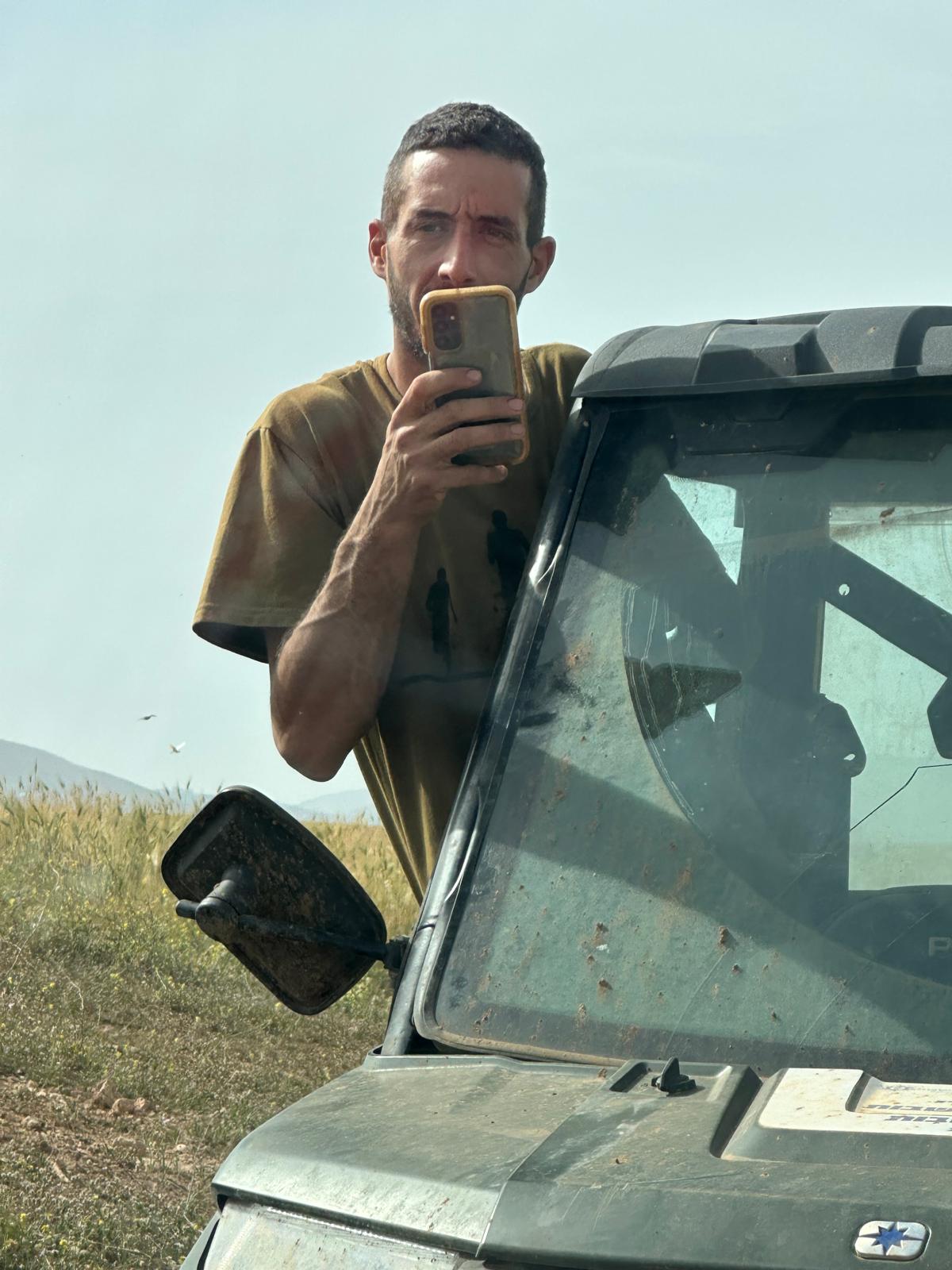
Within minutes, an ATV with two settlers and two trash bins arrived from the direction of al-Hadidiya, reaching the entrance to the community’s tents. We blocked their path before they reached the community for several minutes and recruited another activist who happened to be nearby to stay and watch so we could continue. The ATV turned toward the cattle that had moved away and also left the village.
From Khumsa we continued to Z.’s family in Hamra. We drew some encouragement from the son M.’s agricultural work—through hard labor and initiative, there is a thriving farm here.
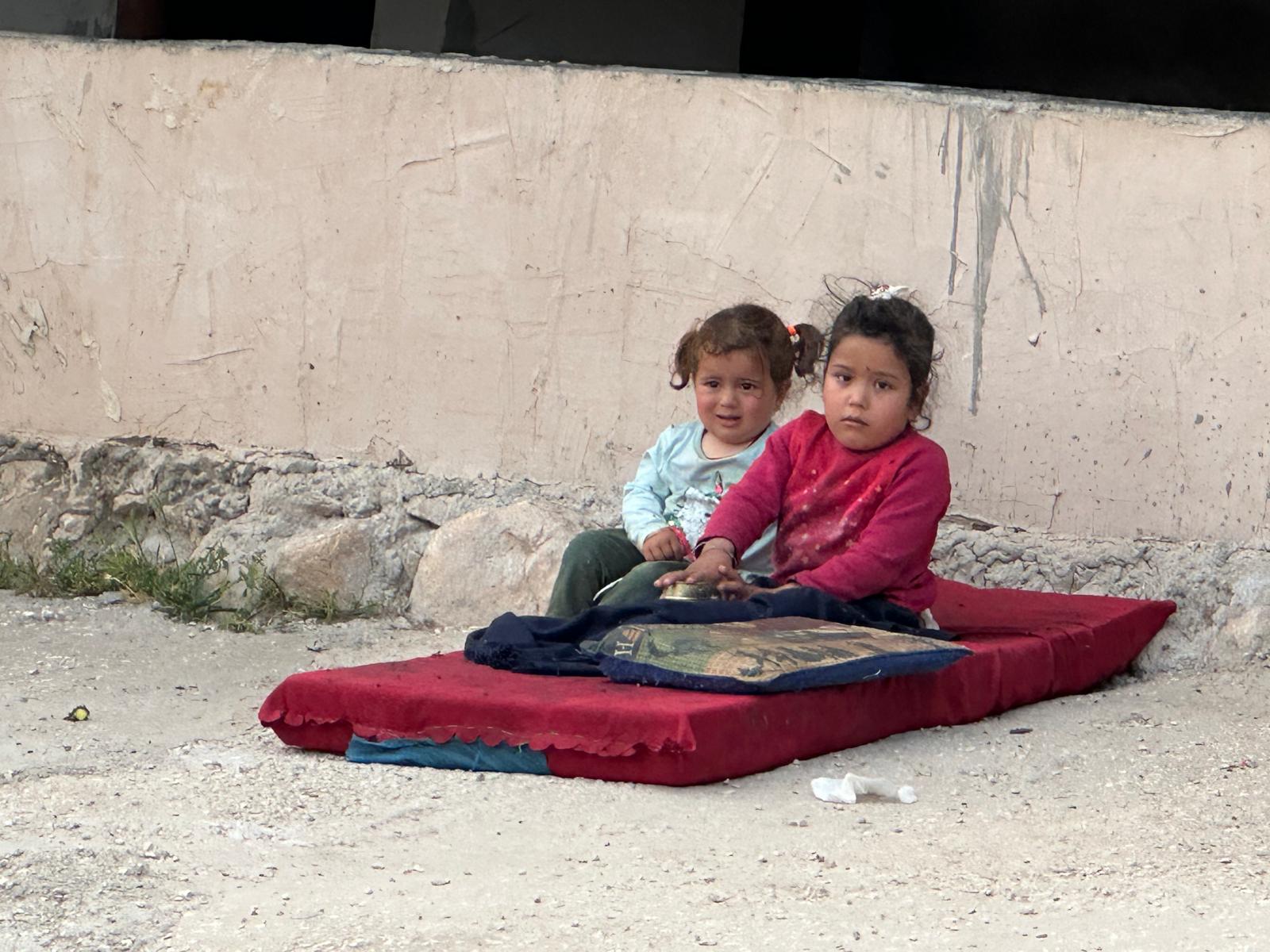
From there, we went to the Ka’abaneh family. They have a five-year-old girl who has been paralyzed from the waist down since birth, sitting all day in the yard leaning against a wall. Her younger sister, a year and a half old, plays with her and clings to her affectionately. I had not visited them for several years, and the meeting was very joyful. We brought with us a volunteer physiotherapist, Vered, who dedicates one day a week to treating and helping Palestinian children. Next week we will come with her to the Ka’abneh family, hoping she will teach the mother how to care for the child and help her.
Location Description
Humsah
See all reports for this place-
Humsah
A shepherd community in the Jordan Valley. It is located in a remote place in Area C. There are no convenient ways to reach it. Its inhabitants make a living from their flocks. Like other shepherd communities, they live without basic infrastructure. This shepherd community is exposed to settler harassment and demolition of property by the military through civil administration orders.
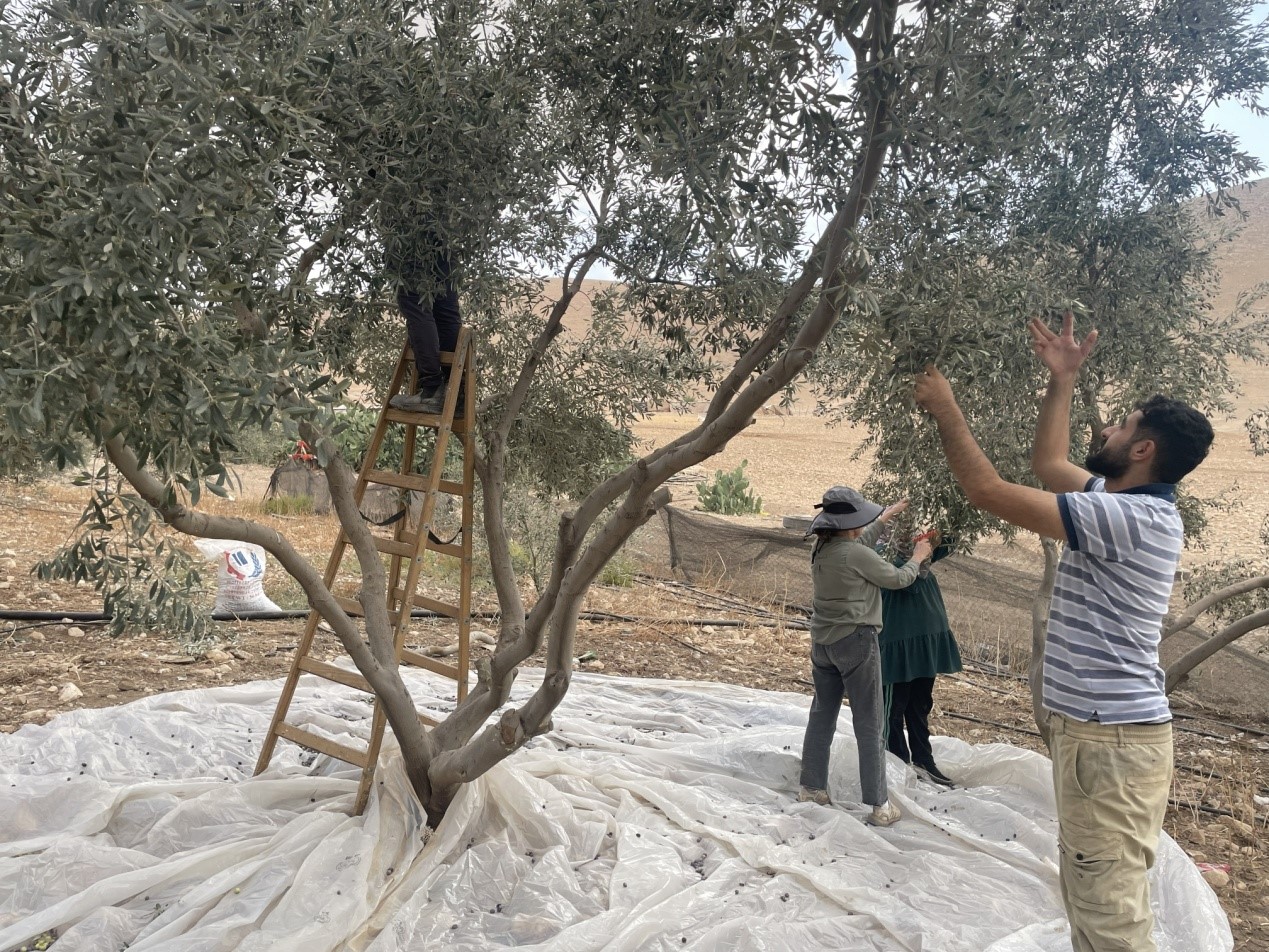 Rachel AfekOct-15-2026Olive Harvest in the Jordan Valley
-
