
Nabi Samuel, May 2026: A village under siege following a land seisure
Our connection to the village goes back many years. Karin interviewed our friend A. already years ago, and we made a film about it. We also make a point of visiting the place from time to time. Last week we came across a notice inviting people to take part in the hilula (pilgrimage celebration) of the Prophet Samuel, which many Jews attend. Since we all know that such settler festivities often turn into pogroms against Palestinians, we felt compelled to go and see for ourselves.
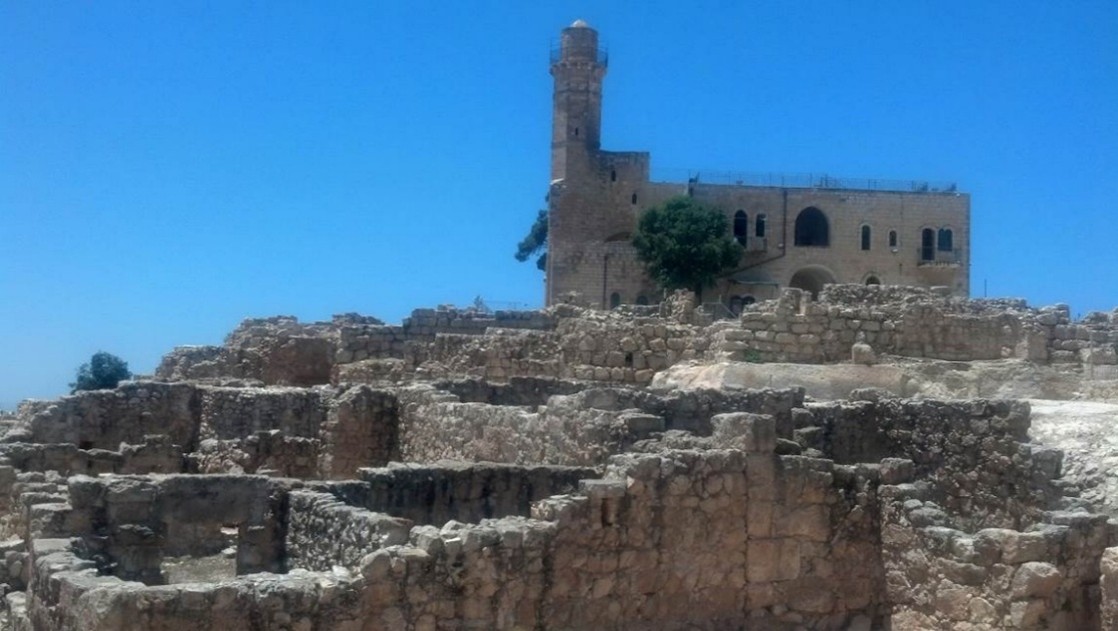
The “misfortune” of this small village, located near the Jerusalem neighborhood of Ramot, is that at its center stands a mosque identified in Jewish, Muslim, and Christian tradition as the tomb of the Prophet Samuel. This identification is not agreed upon by scholars; it is an ancient tradition, but not a definitive archaeological conclusion. A small place with a great history.
The village of al-Nabi Samwil (Nebi Samuel) was built around this site. Until 1967, more than a thousand residents lived there. In a conversation with the head of the village, we learned that today only about 300 residents remain, along with around 300 children. The village is located in Area C. The area was declared a national park years ago, and about 3,500 dunams of land around the village were lost to its residents in that same “opportunity.” Recently, the area was also designated a “seam zone,” with all the difficulties this entails for daily life.
The village has become a symbol of the deadly intersection between archaeology, religion, nationalism, and everyday life in the Jerusalem area.
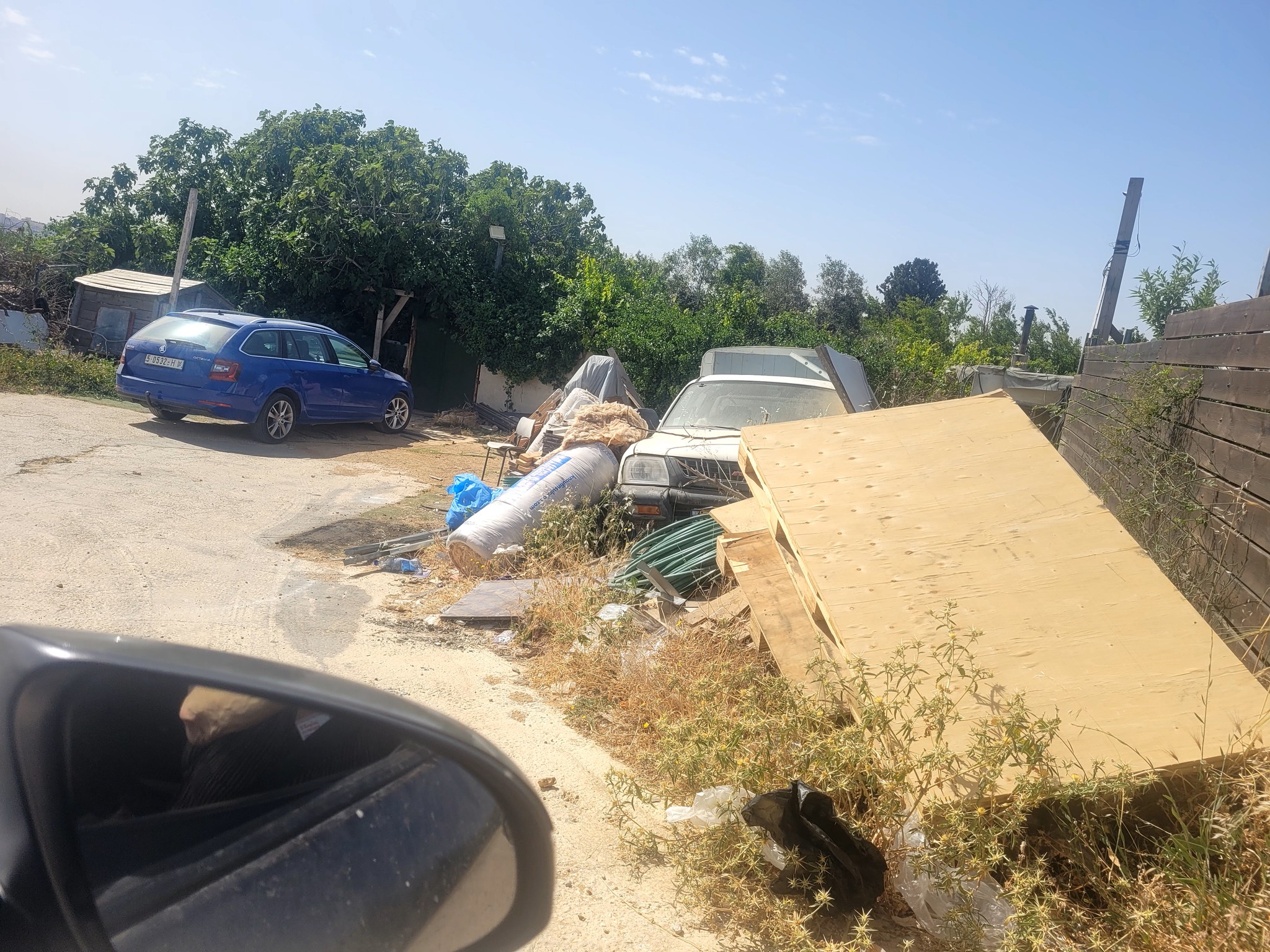
We had arranged to meet A., but he was busy, so instead we met with the head of the local council, A., at his metal workshop. We had met him before—a young, energetic man who speaks fluent Hebrew. From him we heard that during the hilula days, a violent confrontation took place between village children and settlers over the use of a soccer field that the villagers had built for their children. The intervention of Palestinian adults prevented a disaster.
While the steep access road to the tomb complex was being renovated over several months and a large parking lot was constructed, the main access road was closed to traffic. Those arriving at the site used a bypass dirt road that passes through the village streets.
A few weeks ago, a settler from Har Shmuel attempted to overtake a private Palestinian car on the road running through the village homes. He attacked the driver, who had to be taken to the hospital for treatment. This time, the automatic complaint filed by the settler against the victim was examined and dismissed.
In general, the residents—confined to their village like in a cage—struggle to cope with the worsening conditions. Any attempt to leave the village involves confrontation with the occupation’s bureaucracy. The usual response is, of course, refusal. Any change, even the smallest, made on the ground is immediately demolished. If they manage to improve their living conditions even slightly, it is done under cover of darkness and in fear that the change will be discovered and “they’ll be done for.” Movement between the village and its surroundings is regulated by a permit (“list”) system. It was noted that they have found a lawyer who is helping them with this issue. Just the thought that village residents need permission in order to reach a hospital or give birth is horrifying.
We spoke about “the situation”—there is no need to elaborate.
What, then, has improved? A large parking area for visitors to the site, and a paved, proper access road leading to it. This week it became clear that there had been a plan behind the scenes. On May 26, 2026, Nir Hasson reported in Haaretz that the mosque complex identified with the Tomb of Samuel had been expropriated from the Waqf. The order applies to an area of 110 dunams, including the mosque and the archaeological site, a spring, and agricultural lands. The stated justification for the expropriation is “the public good.”
The only precedents for such land expropriations are at the Cave of the Patriarchs in Hebron and the Sebastia site in Samaria—but this is likely just the beginning.
