
Palestinian Jordan Valley- a tour conducted for the Swiss Deputy Ambassador and the Swiss Embassy’s political attachee
This tour focused on the water shortage problem, harsher this year due to the heavy drought, and on the illegal Israeli settler-colonist outposts.
We visited the spring at Al Auja, which has dried up completely since last May. Dry are even the irrigation ditches that carried water from the spring to Al Auja, the surrounding communities and to the Dead Sea.
We drove along the border with Jordan and explained to our guests about the Palestinian lands that were confiscated to create the demilitarized zone, and which – after the signing of the peace treaty with Jordan – instead of being returned to their legal owners, were handed over to the Israeli settler-colonies in the area.
At Bardala – the sight of dried out fields, the active Israeli water company (Mekorot) pumps, and the deserted pumps belonging to the Palestinians. We visited a plot of land where the Israeli army cut down 230 olive trees and destroyed water pipes. The owner has not replanted anything for fear of repeated destruction.
We climbed up to the illegal above Al Heme and to the observation point at the illegal outpost in the nature reserve of Umm Zuka, and looked at the Palestinian communities above which these outposts were erected.
We gave our guests a short explanation about the various types of blockages that prevent Palestinians of the Jordan Valley from moving freely to and from the central West Bank, and the denial of medical, educational, commercial and religious services that result from them.
A wonderful lunch was enjoyed at the Zob’a family’s residence above the Hamra Checkpoint. And then we learned that Homsa villagers were evicted yesterday and today because of military maneuvers and are exposed to the searing sun in the middle of the desert. It was an especially hot day and the diplomats experienced firsthand what the heat of the Jordan Valley is like. Later I sent them a report about this eviction, and they were deeply shocked.
Jordan Valley
See all reports for this place-
Jordan Valley The Jordan Valley is the eastern strip of the West Bank. Its area consists of almost a third of the West Bank area. About 10,000 settlers live there, about 65,000 Palestinian residents in the villages and towns. In addition, about 15,000 are scattered in small shepherd communities. These communities are living in severe distress because of two types of harassment: the military declaring some of their living areas, as fire zones, evicting them for long hours from their residence to the scorching heat of the summer and the bitter cold of the winter. The other type is abuse by rioters who cling to the grazing areas of the shepherd communities, and the declared fire areas (without being deported). The many groundwaters in the Jordan Valley belong to Mekorot and are not available to Palestinians living in the Jordan Valley. The Palestinians bring water to their needs in high-cost followers.
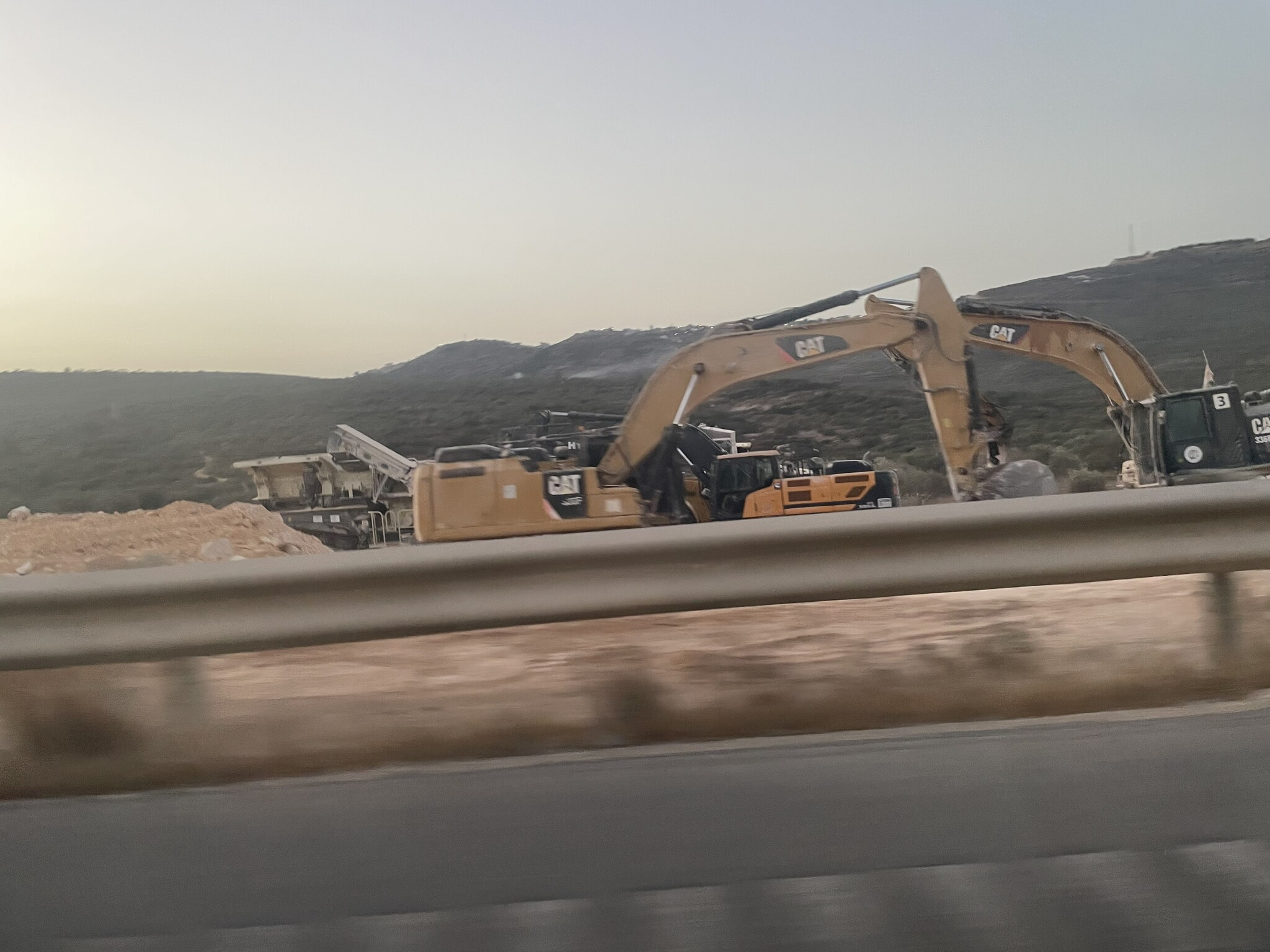 Rachel AfekOct-8-2026Jordan Valley. Widening of Road 505
-
