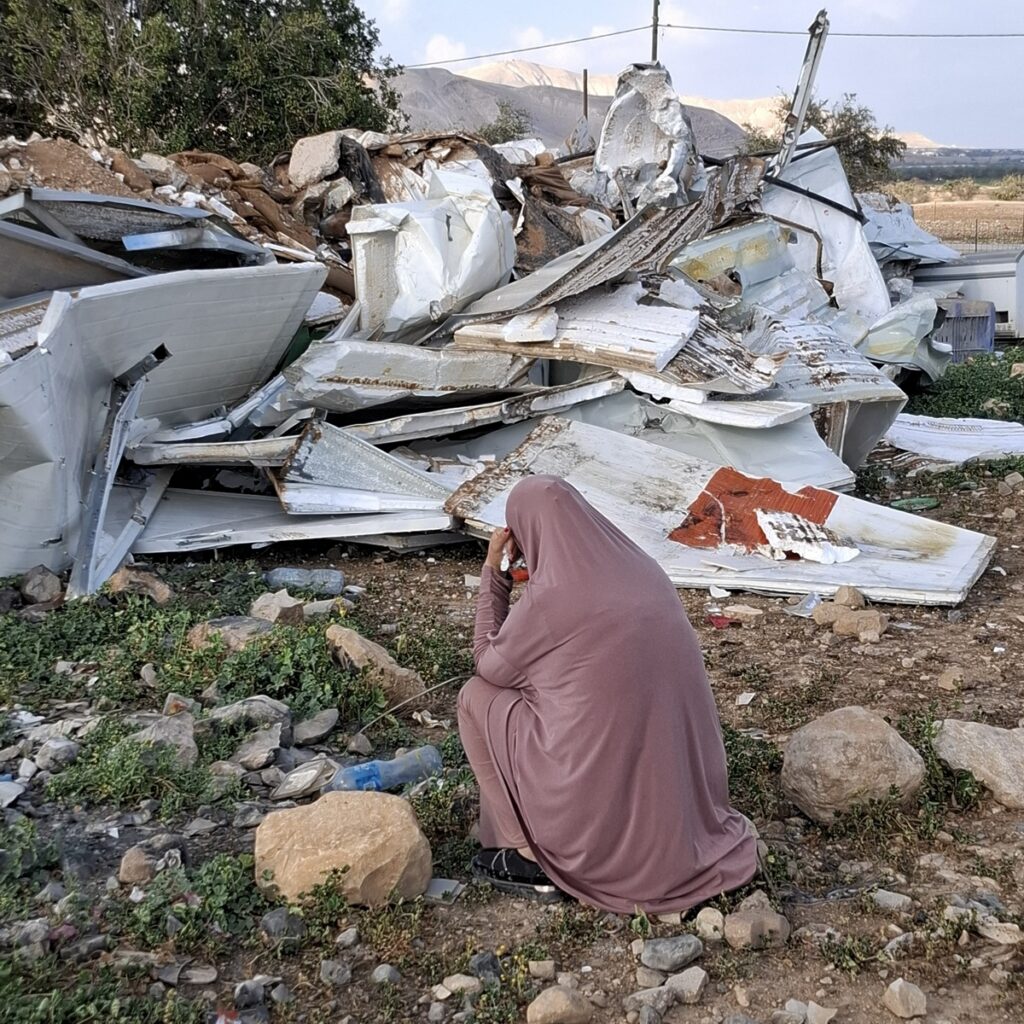
Protective Presence in the Palestinian Northern Jordan Valley
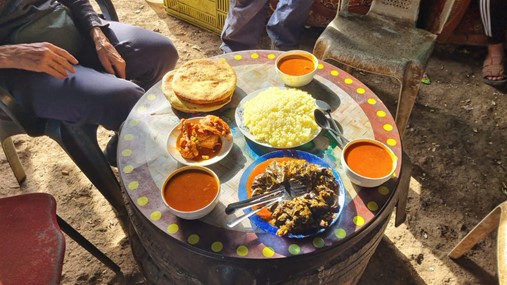
We set out to visit a family in Humsa. We unloaded a car full of supplies. There was a delicious breakfast and the joy of meeting. Gili, who joined us, is a family friend responsible for providing these necessities.
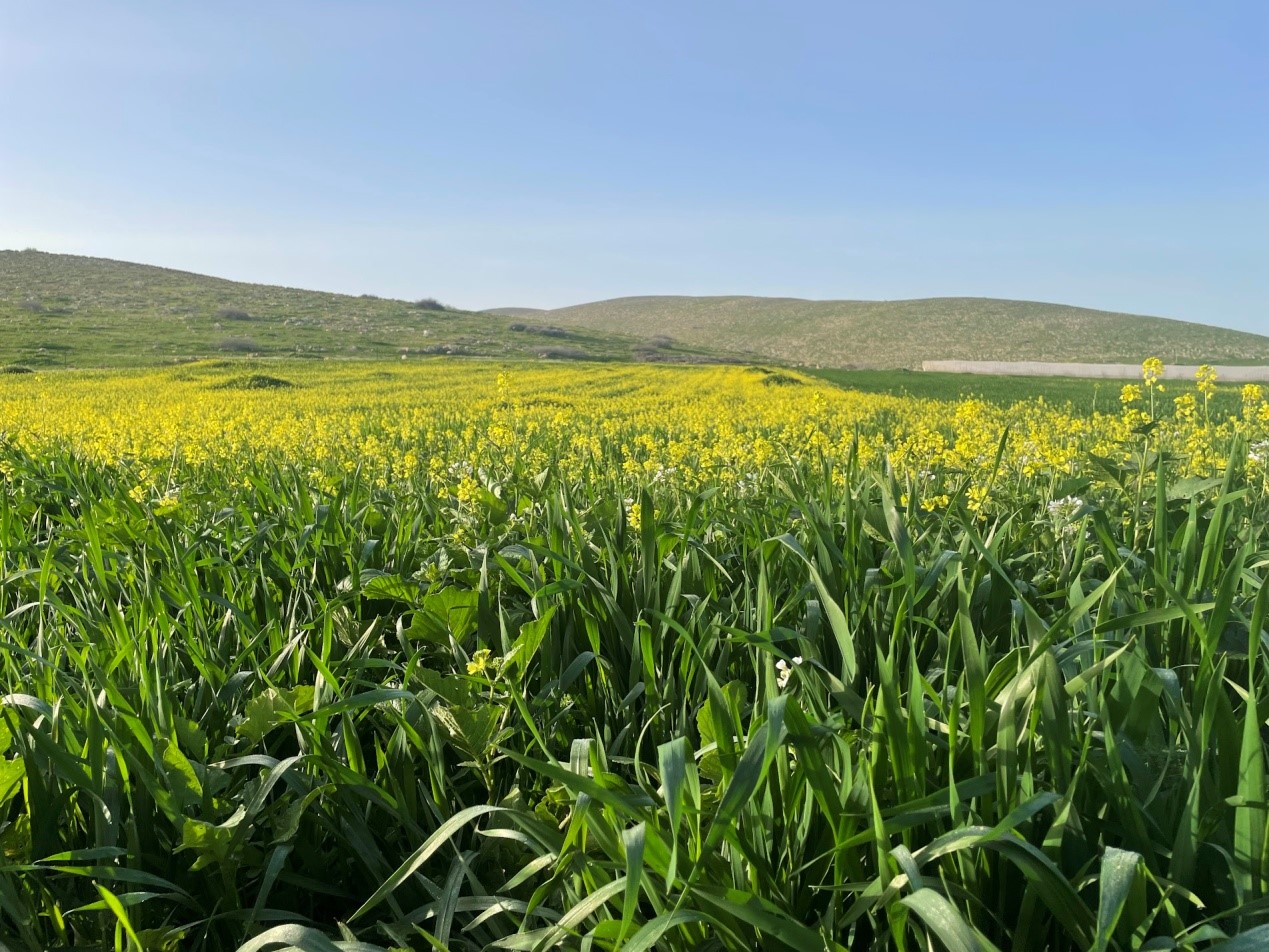
The weather was pleasant, the landscape stunning, green with white and yellow blossoms. Nature seems to completely ignore the inhuman reality.
We hurried to Hamam al-Malih, where the cows arrive from their night’s rest. They graze across the entire area, unable to distinguish between one stolen field and another, sometimes wandering into the living areas.
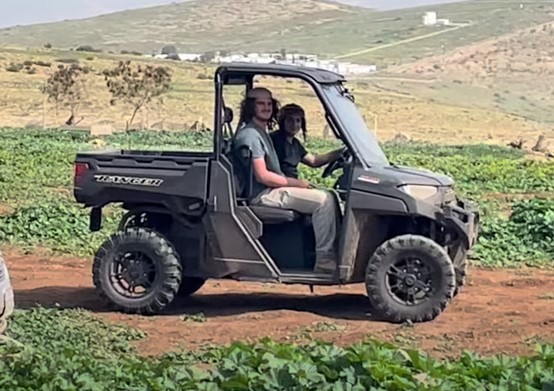
One family moved their flock to the Tayasir area to escape the danger zone. There, they graze with the adult family members. The parents returned home, trying to maintain the impossible life forced upon them. All day long, settlers ride around on ATVs, their eyes fixed on the Palestinian shepherds; at any moment, something could happen.
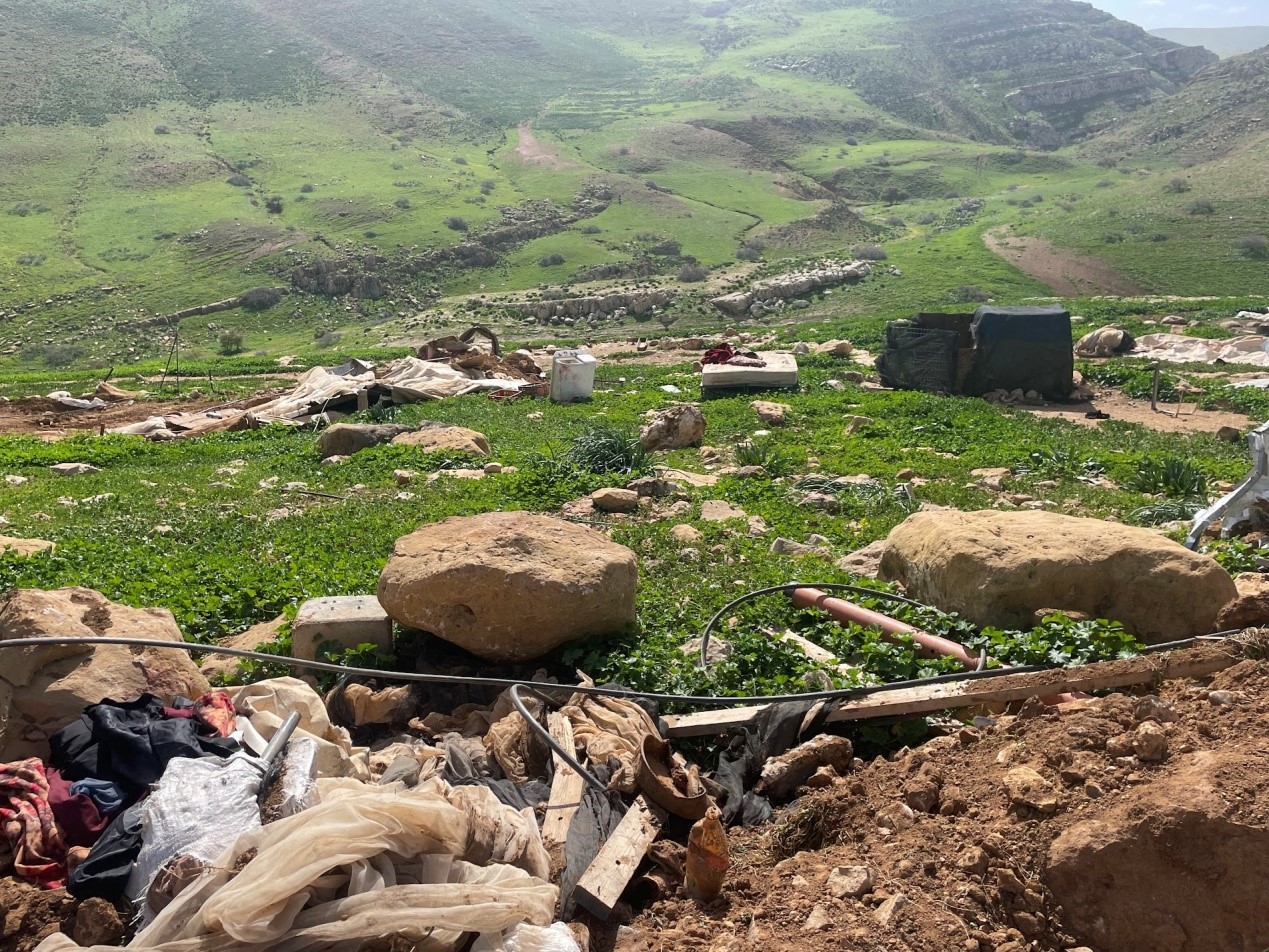
We sat with two families and, after a short while, asked to move on to Al-Meyteh, where buildings were demolished earlier this week. Mayta is divided into two residential areas. The army destroyed one; the other was partially demolished, with a promise to return and destroy the rest.
Two young families remained on the hill after several other families had already left. One family’s home was demolished this week, and they moved into a nearby house that is still standing. A second family moved elsewhere until the “storm” passes. While we were there, an ATV arrived with two “hilltop youths.” They stopped for a “presence photo” next to us, circled around, came back from another direction, and disappeared.
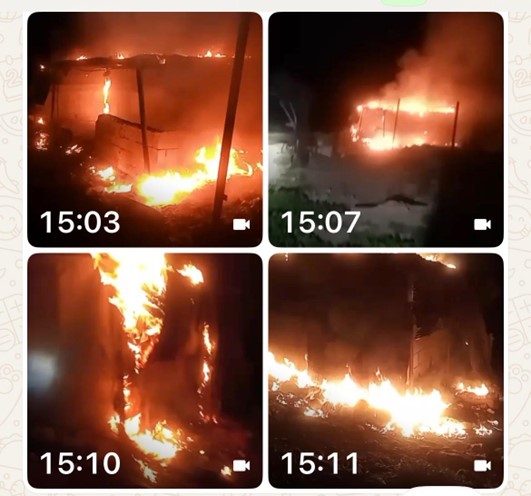
The night before we arrived, they circled the area three times. They made noise, and at one location, they stole a drill and eight small lambs. The night after we leave, four of them will arrive in a car and set fire to one of the houses and a residential tent. The families were no longer there—only the men, who watched their property go up in flames.
They are heroes. They sit with us, drinking coffee. They don’t speak unless we gently prod them to admit how frustrated and helpless they feel. They have no help or support from the Palestinian Authority or anyone else. They deeply need our presence, the activists, there. They wait for different days to come. They are also exhausted from sleepless nights. Three women and small children sat with us; there were even some laughs over the nonsense we talked about.
From there, we went to Samra, home to a large family—three brothers with large families and their parents. Above them, a small “outpost” has been established, a tent that constantly monitors every step the Palestinians take, seeing who comes and goes, acting accordingly.
Two nights ago, they came down from the hills to one of the encampments and sprayed tear gas into the eyes of two men sleeping there. They were evacuated to the hospital and later returned. “I see great now—I see you twice,” one of them joked. In the morning, they went to file a police report.
The day before, one of them brought a new toilet structure he had bought for 3,000 NIS. The settlers prompted the army to come and decree that the structure could not stand there. The buyer and his sons loaded it back onto the pickup truck that brought it.
We were honored with a very delicious meal and a conversation with this lovely, educated family. Almost all the children are pursuing higher education while also helping their parents with all the labor.
From there, we entered Khallet Makhul for a quick meeting with the families. It is currently quiet there. However, yesterday soldiers arrived and, after a loud argument for an unknown reason, detained the husband and wife. They returned home a few hours later.
The situation is dire. Anyone who reads Local Call understands the general plan, known for years, that is now being executed. Aside from knowing and being present, there isn’t much to be done. Evil rules the field, and it is strong and far greater than us.
Location Description
Hamam al-Maleh
See all reports for this placeHumsah
See all reports for this place-
Humsah
A shepherd community in the Jordan Valley. It is located in a remote place in Area C. There are no convenient ways to reach it. Its inhabitants make a living from their flocks. Like other shepherd communities, they live without basic infrastructure. This shepherd community is exposed to settler harassment and demolition of property by the military through civil administration orders.
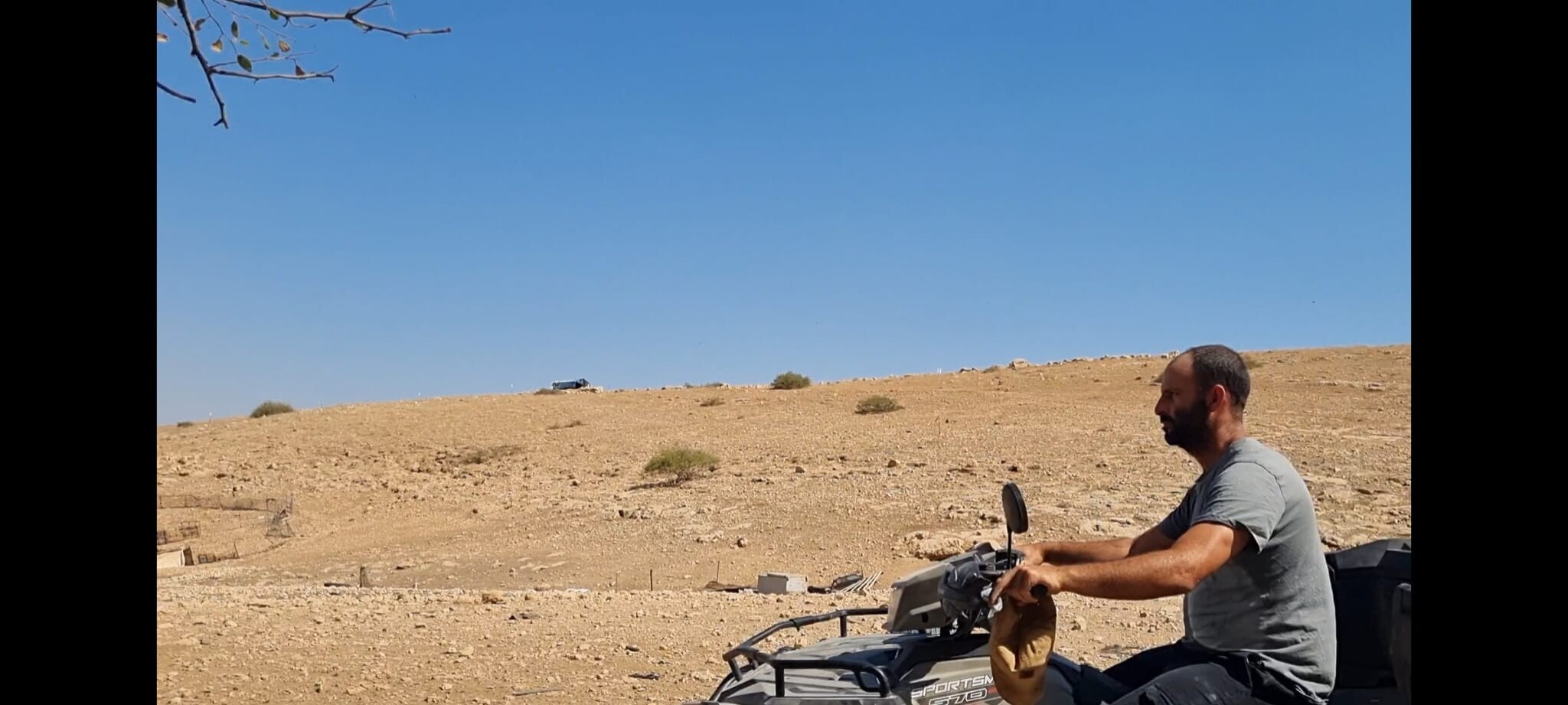 Rachel AfekJul-22-2026Samra. Uri from the outpost on a daily visit
-
Khalet Makhul
See all reports for this place-
Khalet Makhul
A small settlement of a shepherd community located on the way to the settlement of Hemdat. Two nearby outposts make life miserable for the Palestinians, who make a living from grazing, and the army backs the settlers. As a result, the possible grazing areas are getting smaller.
The local children attend school in the settlement of Ein Al-Beida. Long lines of 3 hours sometimes stretch out at the Hamra and Tayasir checkpoints leading to the town of Tubas, making it difficult to get water, supplies, and sell the cheese, milk, and meat that the residents produce for their living.
Following a deadly attack at the Tayasir checkpoint in February 2025, the checkpoint was closed completely for the time being.
(Updated March 2025)
-
Tayasir CP
See all reports for this place-
Located on road 5799, It is one of the checkpoints control the passage between the northern West Bank and the Jordan Valley. For a long time, it stood empty and open, with only a sign next to it warning against entering Area A. It was adjacent to an old military camp - now everything is neglected. How much money was invested here, and how much brainwashing was done to the soldiers of Netzah Yehuda and Kfir.
Today, it is very difficult to pass there. Many delays. Often, teachers from Tubas are not allowed to pass into the Valley to villages like Ein al-Bida where the local schools are located, and there are no classes. There are additional days when the checkpoint is closed. In general, there is a wait there of about two to four hours to go towards the Valley and also to return. Many times the Palestinians are forced to use the Hamra checkpoint, which also leads into Tubas and the West Bank, but there is also a huge queue there and a long wait.
Following a deadly attack on soldiers at the nearby base in February 2025, the checkpoint was completely closed for the time being. (Updated March 2025)
-