
Qalandiya - one Is not even allowed to dream here
One Is Not Even Allowed to Dream Here
Between lockdowns, between rains, between arrests and home demolitions, I came to meet children and adults, old acquaintances and new, who live without any horizon nor hope, day after day, one catastrophe following another.
A long time ago, the owner of the house with its back to the hill – its back to the Wall – raised black flags on the house sides. This was his protest against the demolition orders he was issued by the Israeli authorities.
For many months the black flags waved in the wind, but the orders were not lifted.
The Israeli army did what it promised to do. No more black flags, no more people between house walls.
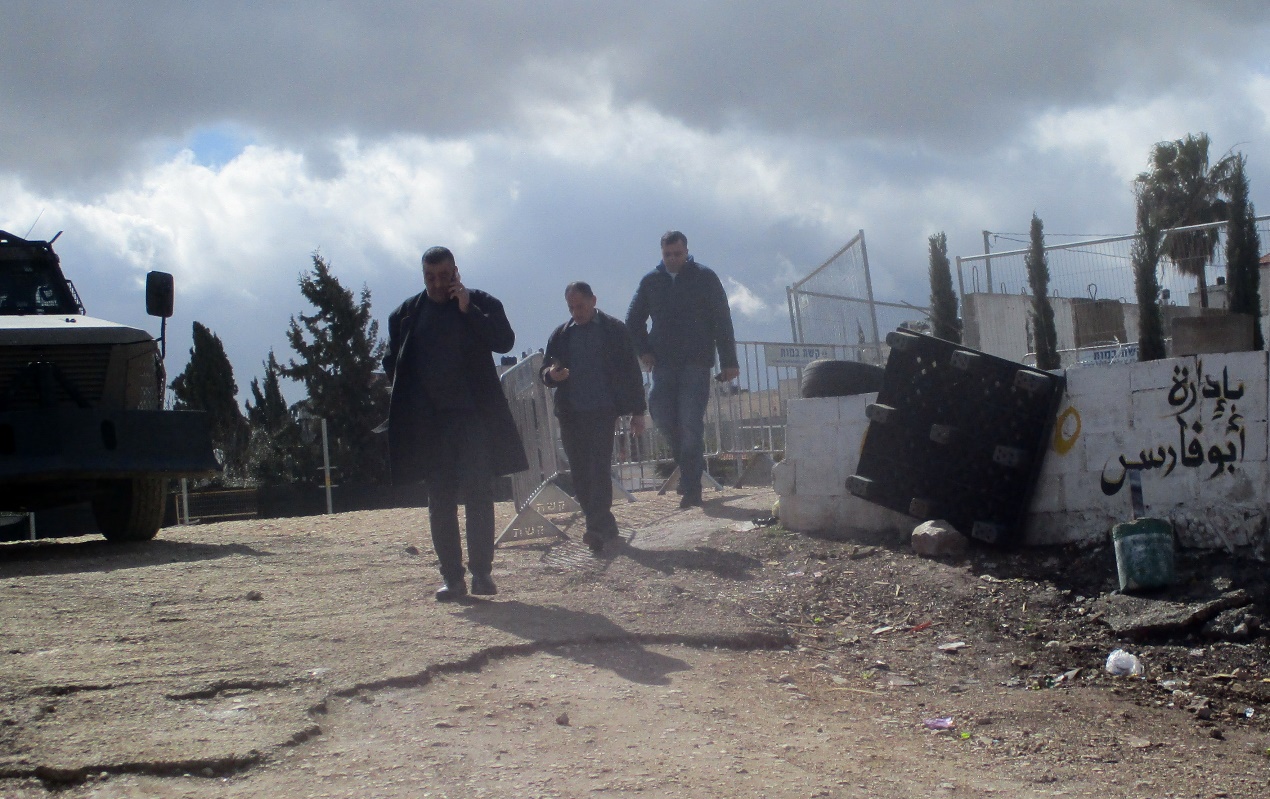
When Alex, the super-commander of Qalandiya Checkpoint came out of the secured compound along with a security guard and a worker and came to the main road between Ramallah and Jerusalem, and checked the concrete blocs, and ordered the worker who was with him to place plastic barriers on the road, we were standing, a large group of Palestinians and I in back, eager to understand the meaning of this unexpected visit, at the end of which we learned that:
Beginning Sunday November 29, 2020, all week days, the way from Ramallah to Jerusalem will be blocked between 7 p.m. and 6 a.m.
People in the refugee camp tell about a man who had a dream one night that he was going to commit a terrorist attack.
The man woke up appalled and drenched in sweat, woke his wife and told her about his dream. It’s only a dream, the wife calmed him. The man fell asleep again but the wife couldn’t sleep. In the morning she told her good friend about the dream. The friend told her husband who told it to another friend.
The story of the dream made its way among neighbors and these neighbors’ relatives, until the Israeli secret service messengers came and picked up the man who had had the dream.
One is not even allowed to dream here, people say.
-I don’t know if this is true or not, but I do know that whoever says this is right.

לפני זמן רב בעליו של הבית שגבו לגבעה שגבה לחומה הניף דגלים שחורים על פאותיו. הייתה זו מחאתו לצווי ההריסה שקיבל מהשלטונות הישראלים.
חודשים רבים התנופפו הדגלים השחורים אבל רוע הגזירה לא סרה.
הצבא קיים את שהבטיח. לא עוד דגלים שחורים ולא עוד בני אדם בין קירות הבית.

כשאלכס, מפקד העל של מחסום קלנדיה יצא מהמתחם הממוגן בחברת מאבטח ופועל ובא אל הדרך הראשית שבין רמאללה לירושלים ובדק את הבטונדות והורה לפועל שאתו להציב על הדרך חסימות פלסטיק, עמדנו קבוצה נכבדה של פלסטינים מזדמנים ואני מנגד ומאחור דרוכים להבין את פשר הביקור הלא צפוי הזה שבסופו הוברר לנו ש:
החל מיום ראשון ה- 29.11.20, במהלך כל ימות השבוע תחסם למעבר הדרך בין רמאללה לירושלים בין שבע בערב עד יום המחרת בשש בבוקר.
מספרים במחנה הפליטים על איש שחלם בלילה שהוא הולך לעשות פיגוע.
התעורר האיש מבועת ושטוף זיעה, העיר את האישה שאתו וגולל באזניה את סיפור החלום. זה רק חלום, הרגיעה אותו האישה שאתו. חזר האיש לישון אבל שנתה של האישה נדדה. בבוקר סיפרה לחברתה הטובה על החלום. החברה סיפרה לבעלה וזה סיפר לחבר.
סיפור החלום עשה לו כנפיים בין שכנים וקרובי משפחה של השכנים עד שהגיעו שלוחי השב”כ ולקחו עמם את האיש שחלם.
אפילו לחלום אסור פה, אומרים האנשים.
- לא יודעת אם זו אמת או בדיה אבל יודעת שצודקים האומרים.
Qalandiya Checkpoint / Atarot Pass (Jerusalem)
See all reports for this place-
Click here to watch a video from Qalandiya checkpoint up to mid 2019 Three kilometers south of Ramallah, in the heart of Palestinian population. Integrates into "Jerusalem Envelope" as part of Wall that separates between northern suburbs that were annexed to Jerusalem in 1967: Kafr Aqab, Semiramis and Qalandiya, and the villages of Ar-Ram and Bir Nabala, also north of Jerusalem, and the city itself. Some residents of Kafr Aqab, Semiramis and Qalandiya have Jerusalem ID cards. A terminal operated by Israel Police has functioned since early 2006. As of August 2006, northbound pedestrians are not checked. Southbound Palestinians must carry Jerusalem IDs; holders of Palestinian Authority IDs cannot pass without special permits. Vehicular traffic from Ramallah to other West Bank areas runs to the north of Qalandiya. In February 2019, the new facility of the checkpoint was inaugurated aiming to make it like a "border crossing". The bars and barbed wire fences were replaced with walls of perforated metal panels. The check is now performed at multiple stations for face recognition and the transfer of an e-card. The rate of passage has improved and its density has generally decreased, but lack of manpower and malfunctions cause periods of stress. The development and paving of the roads has not yet been completed, the traffic of cars and pedestrians is dangerous, and t the entire vicinity of the checkpoint is filthy. In 2020 a huge pedestrian bridge was built over the vehicle crossing with severe mobility restrictions (steep stairs, long and winding route). The pedestrian access from public transport to the checkpoint from the north (Ramallah direction) is unclear, and there have been cases of people, especially people with disabilities, who accidentally reached the vehicle crossing and were shot by the soldiers at the checkpoint. In the summer of 2021, work began on a new, sunken entrance road from Qalandiya that will lead directly to Road 443 towards Jerusalem and Tel Aviv. At the same time, the runways of the old Atarot airport were demolished and infrastructure was prepared for a large bus terminal. (updated October 2021)
 Tamar FleishmanFeb-27-2026Qalandiya: On the way to prayer
-