
Samra and Fasa'il: A Reality of Dispossession
Aqraba, Jurish, and all the communities that have been locked down since October 7, 2023, and were forced to travel through Jurish – such as Qusra, Qaryut, and Jalud – are all closed today behind yellow gates. Only in Duma is the gate open between 8:00 am and 3:00 pm.
We drove to H”D at Duma as Raia asked us to buy his oil.
While we were in Duma, there was an alarm siren. We were surprised to hear one in Duma, but noticed that no one was paying any attention to it. People just go on with their daily lives.
We coordinated with a group of Jordan Valley activists on Protective Presence in Samra for the next few hours. There were 3 activists there, 2 left as we got there, and the third, Adele, is a young Israeli woman born in Russia, active throughout the West Bank. Several days ago, she was in the South Hebron Hills, earlier in Duma and Ras al Ein where she was pepper sprayed by settlers. But she does not break down and volunteers daily to protect Palestinians throughout the West Bank.
Until yesterday, this small community contained the father and his wife, the Haj and the Hajja, and the three brothers – F., A. and D. and their families.
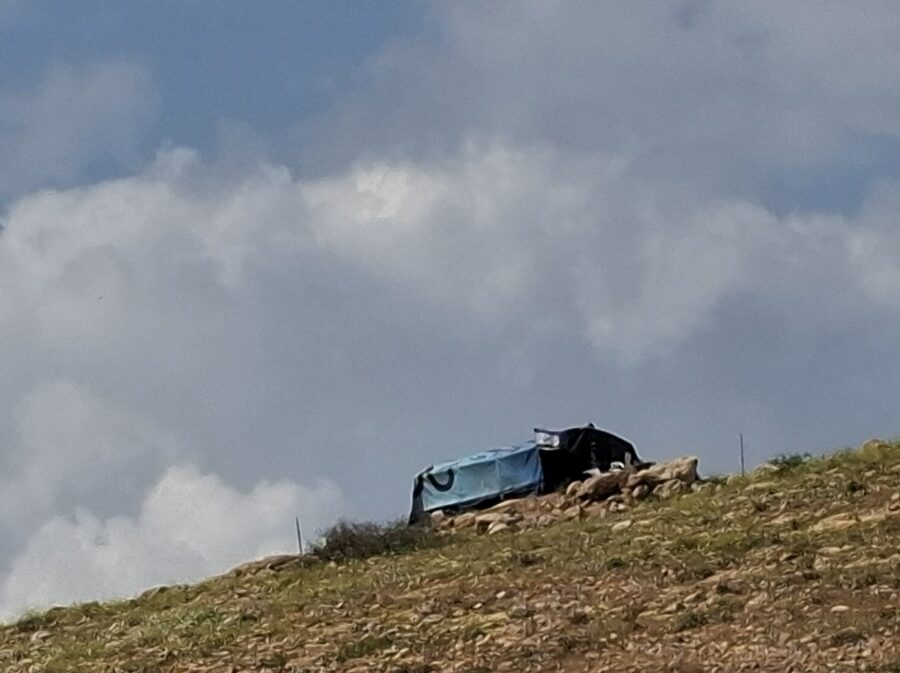
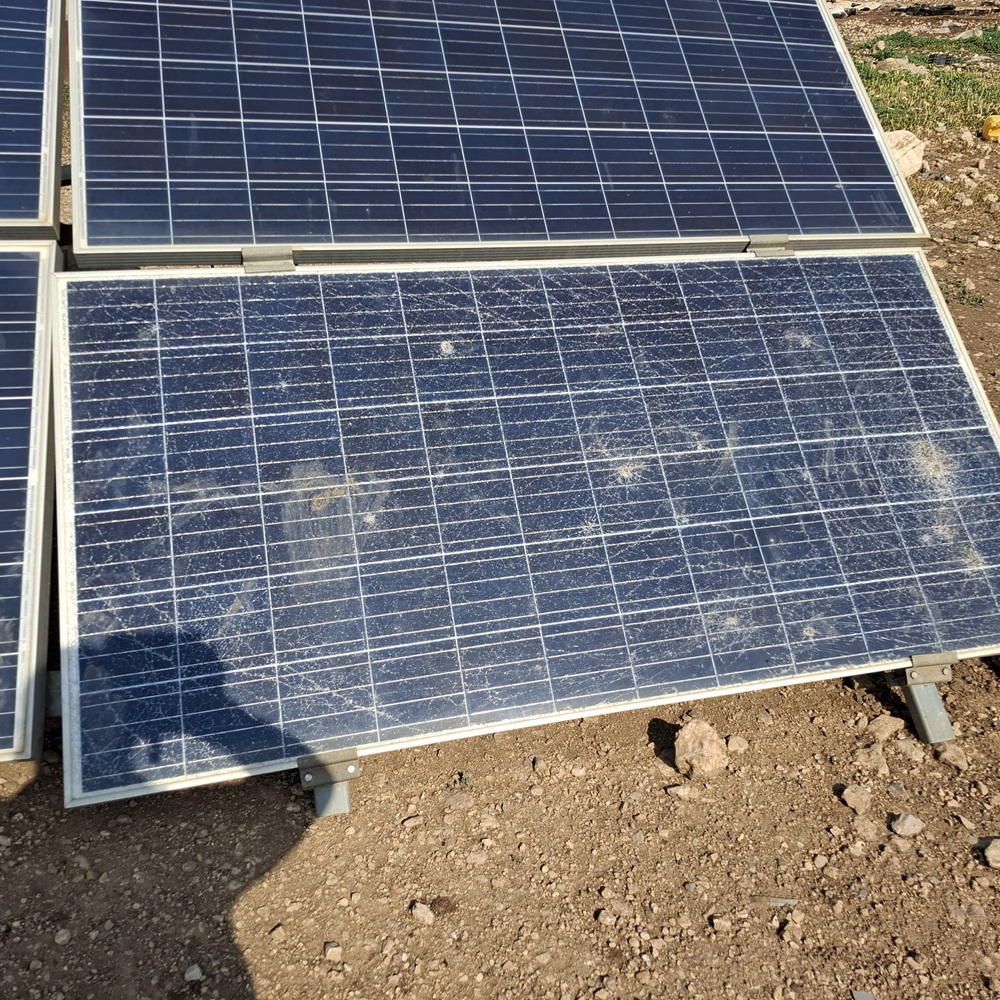
About two months ago the settlers erected a small outpost, a single tent, right above the Samra people. Since then, their lives are not worth living. Every day the settlers enter the village with their cattle, and at nights go down with their ATVs (which Smotrich and Stroock supplied) to threaten and attack the family members. Saturday’s attack was especially violent as armed settlers pepper sprayed the locals and beat them up. As a result of the teargas, one of the women who was pregnant had a miscarriage! When the army came it arrested them as usual – the family members, not the assailants, held them there all night and then threw them down beside the road, far from home. This was the last straw. The elderly parents and one of the brothers decided to leave, and while we were there, we saw them loading their belongings on a truck.
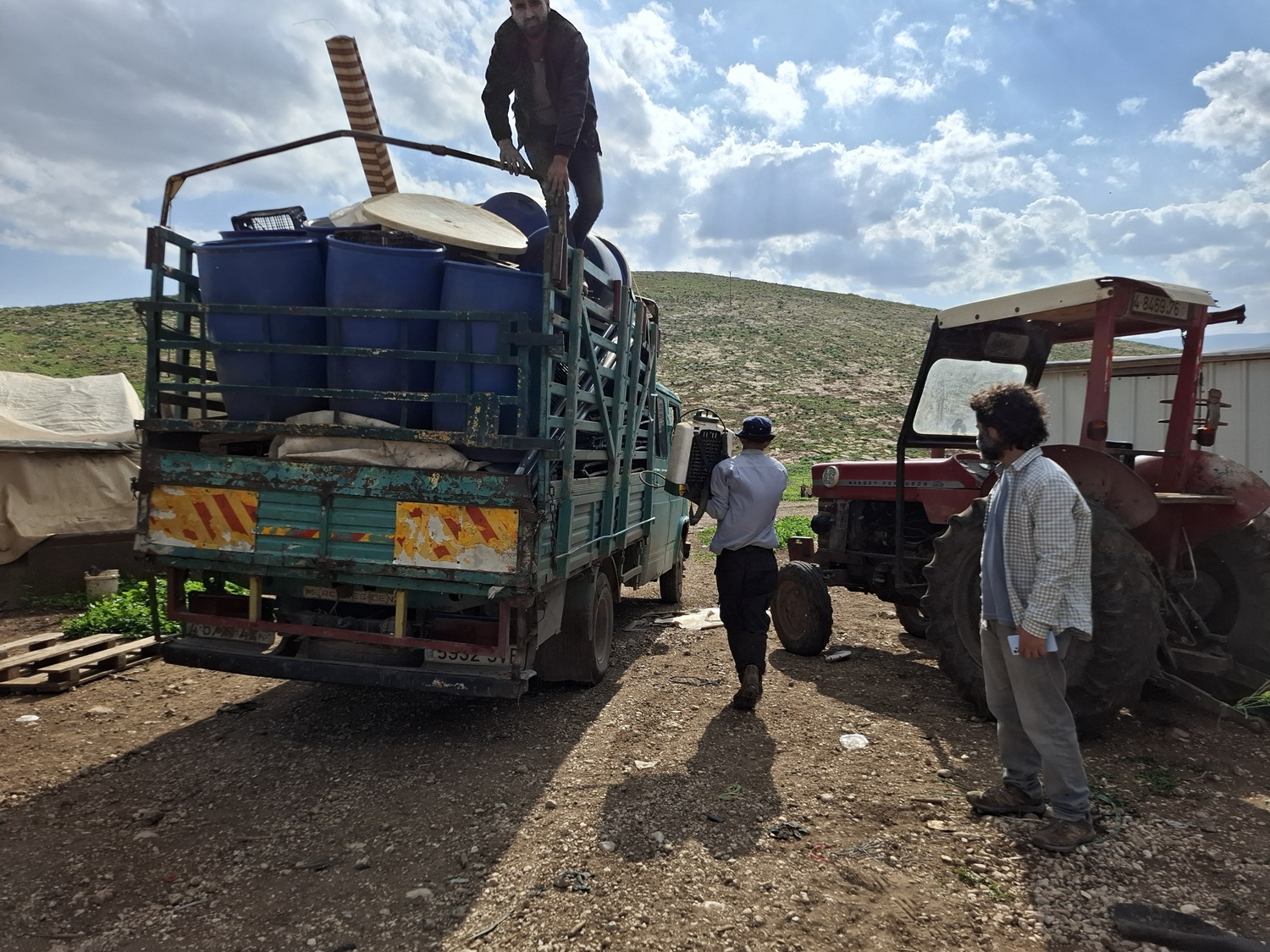
The sight is so heart rending – the family, legal owners of the land on which they have lived and the entire area around the village… These are farmers and shepherds and have been such for generations, on their forefathers’ land. The brothers who stayed say they would not leave, but in view of the violent and cruel attacks by settlers, this is no certainty.
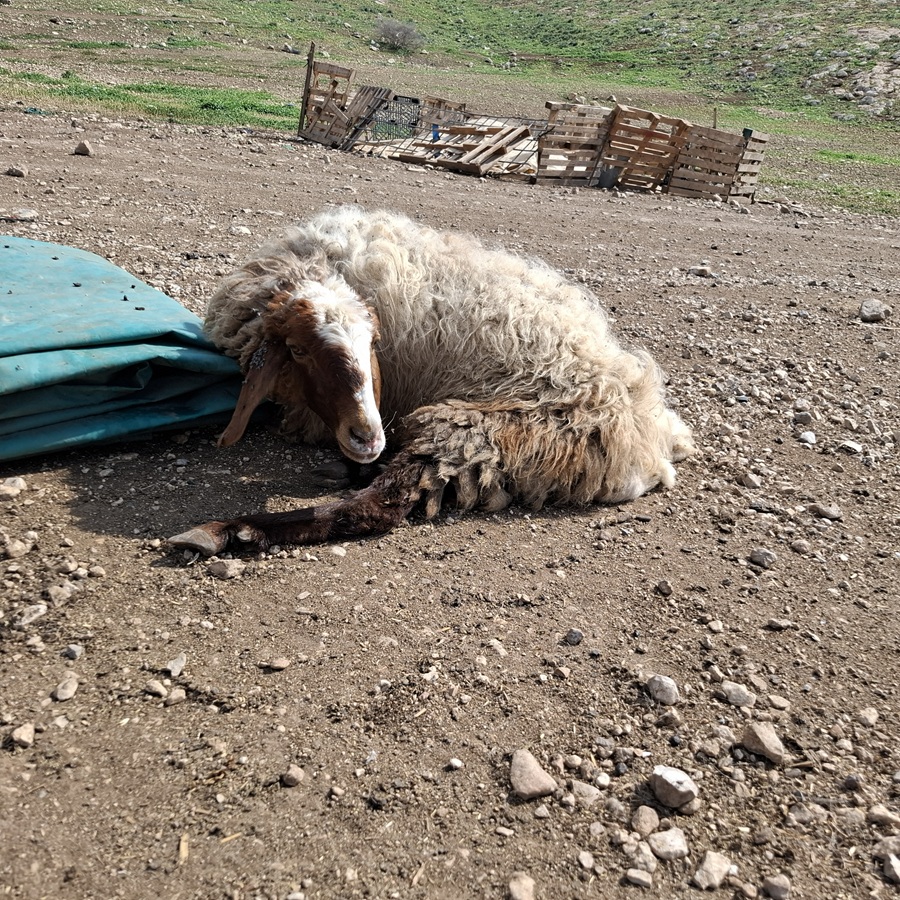
The community yard had a sheep lying in a strange position. A. explained that a male mounted it and this broke its back. It was a heart-rending sight: it tried to get up but could not manage it, and its eyes expressed great suffering. A.’s wife brought it food but it could not reach it and a goat came and ate it. I brought it nearer, but it wouldn’t touch the food. Later I was told it was pregnant, birthed a lamb and died.
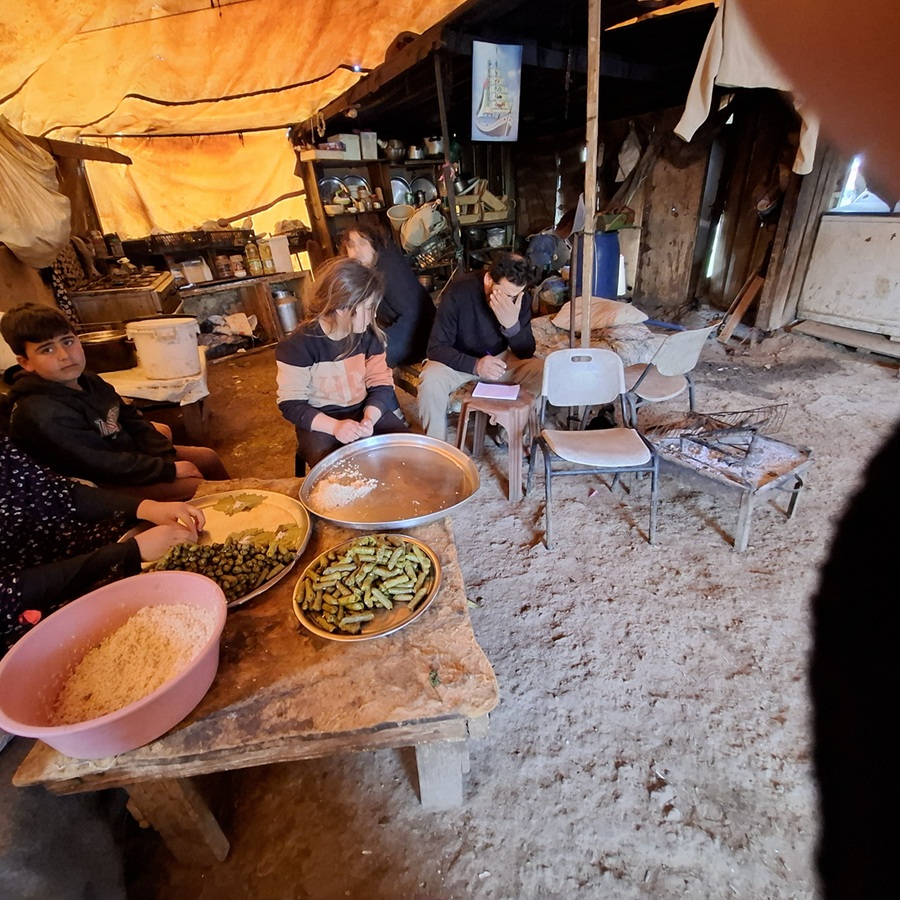
We sat with A. and his wife in the tent while the girls prepared the Iftar meal (festive holiday dinner) – tiny filled vine and squash leaves. The entire family is friendly and invited us all for dinner. Unfortunately, we had to leave earlier since we still had to reach Fasa’il. Only Adele remains there for an overnight stay in Samra.
At 3 p.m. 2 activists came to replace us and we continued to Fasa’il.
Fasa’il I have known A. and T.’s family for over a decade now. They live opposite Maryam, the woman who was blind and whom we drove for eye shots. T., a young, good-looking woman, is diabetic, has heart trouble and other illnesses. About three months ago, Tomer’s settlement security official arrived with a group of settlers. They surrounded all of Fasa’il with a fence and in the northern part – fenced in every house separately. This way, all the families found themselves caged in and left, all except for A. and T. scattered throughout the West Bank. A. and T. have nowhere to go – they are a very poor family that built a small temporary shack. Then the serial harassments began – A.’s permit to work in Tomer settlement was taken away, the settlers dumped a truckload of rotten, stinky dates at the entrance to their home, and brought a flock of cattle to graze in their yard. Then the settlers erected a small outpost right next to the house and harassed the poor family day in day out.
Today, a DCO bulldozer arrived and in cooperation with the settlers, destroyed the house and most of its contents. We found the family lost, walking in shock around the rubble. T. bent down by the rubble, holding out her hands and crying bitterly.
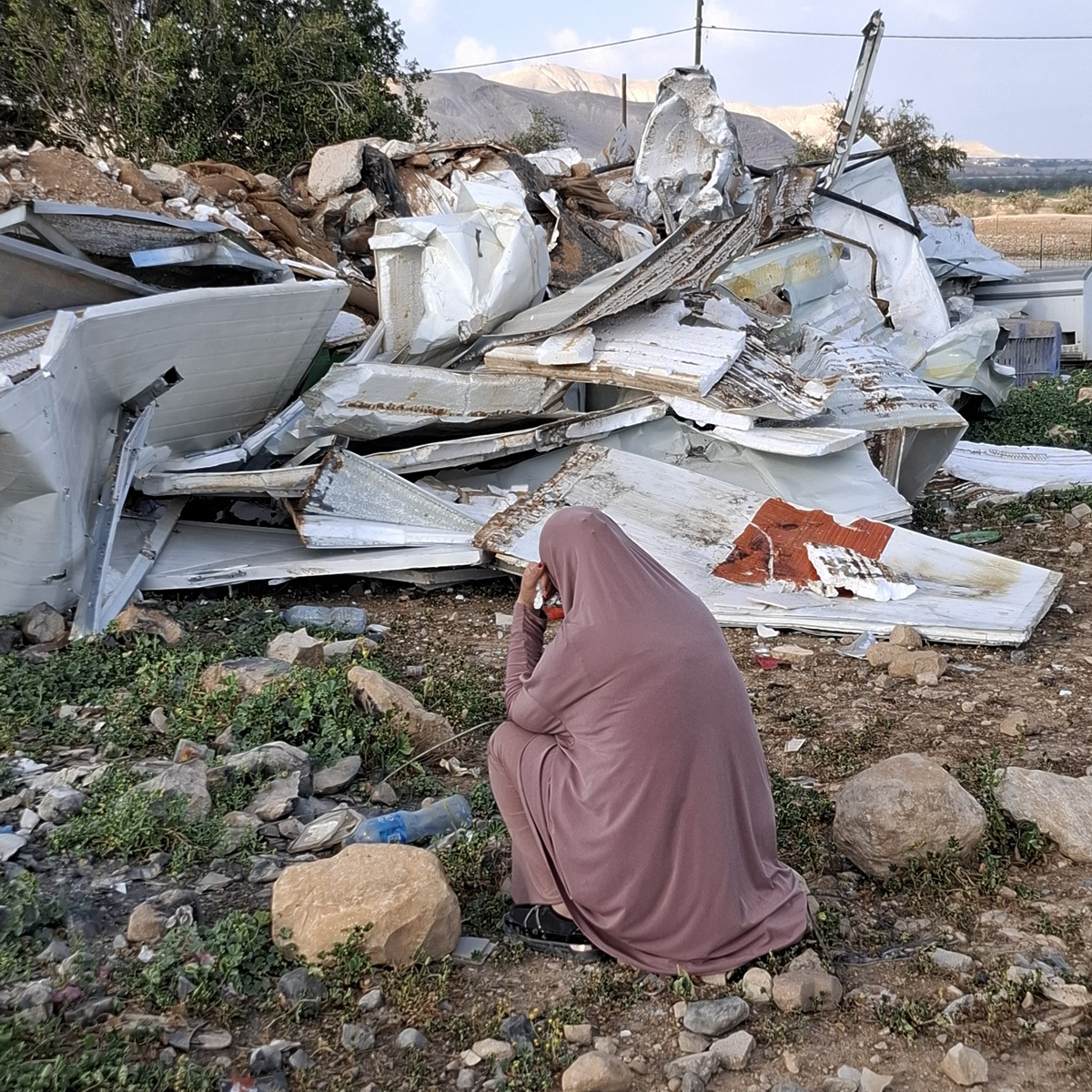
Although it was already the afternoon, they had no idea where they could break their fast and rest for the night. We offered to bring them food for the Iftar meal, drove to Auja and bought Shawarmah and some bread, drinks and food to break the fast. When we were back, T. and the children had gone to relatives, and A. told us they would spend the night in the village schoolhouse. Looking Occupation in the Eye organization have begun fundraising in order to help them erect a temporary structure in a different area.
Try to imagine yourselves out in the street, homeless, all of your belongings strewn around. How does one cope with such loss?
Location Description
Fasa'il
See all reports for this place-
An old community of shepherds in the Jordan Valley that is located between settlements and is exposed to the demolition of its residential buildings at times by the army and the abuses of the settlers. King Herod founded the city of Fatza'elis in 8 BC, and named it after his older brother, Petzal. The permanent settlement in the place began with Bedouins who migrated to the area as early as the 1950s after being expelled from the Tel Arad area. Over the years, additional Bedouin residents who were expelled from other places in the Jordan Valley joined. Areas that were declared as fire areas or state lands . As part of the Alon plan, a significant part of the lands in the area were expropriated and four Israeli settlements were established on them: Tomer, Gilgal, Fatza'el Netiv HaGdud. Illegal posts were erected over the years. Some of them were authorized during the 7th October War.
-
Jordan Valley
See all reports for this place-
Jordan Valley The Jordan Valley is the eastern strip of the West Bank. Its area consists of almost a third of the West Bank area. About 10,000 settlers live there, about 65,000 Palestinian residents in the villages and towns. In addition, about 15,000 are scattered in small shepherd communities. These communities are living in severe distress because of two types of harassment: the military declaring some of their living areas, as fire zones, evicting them for long hours from their residence to the scorching heat of the summer and the bitter cold of the winter. The other type is abuse by rioters who cling to the grazing areas of the shepherd communities, and the declared fire areas (without being deported). The many groundwaters in the Jordan Valley belong to Mekorot and are not available to Palestinians living in the Jordan Valley. The Palestinians bring water to their needs in high-cost followers.
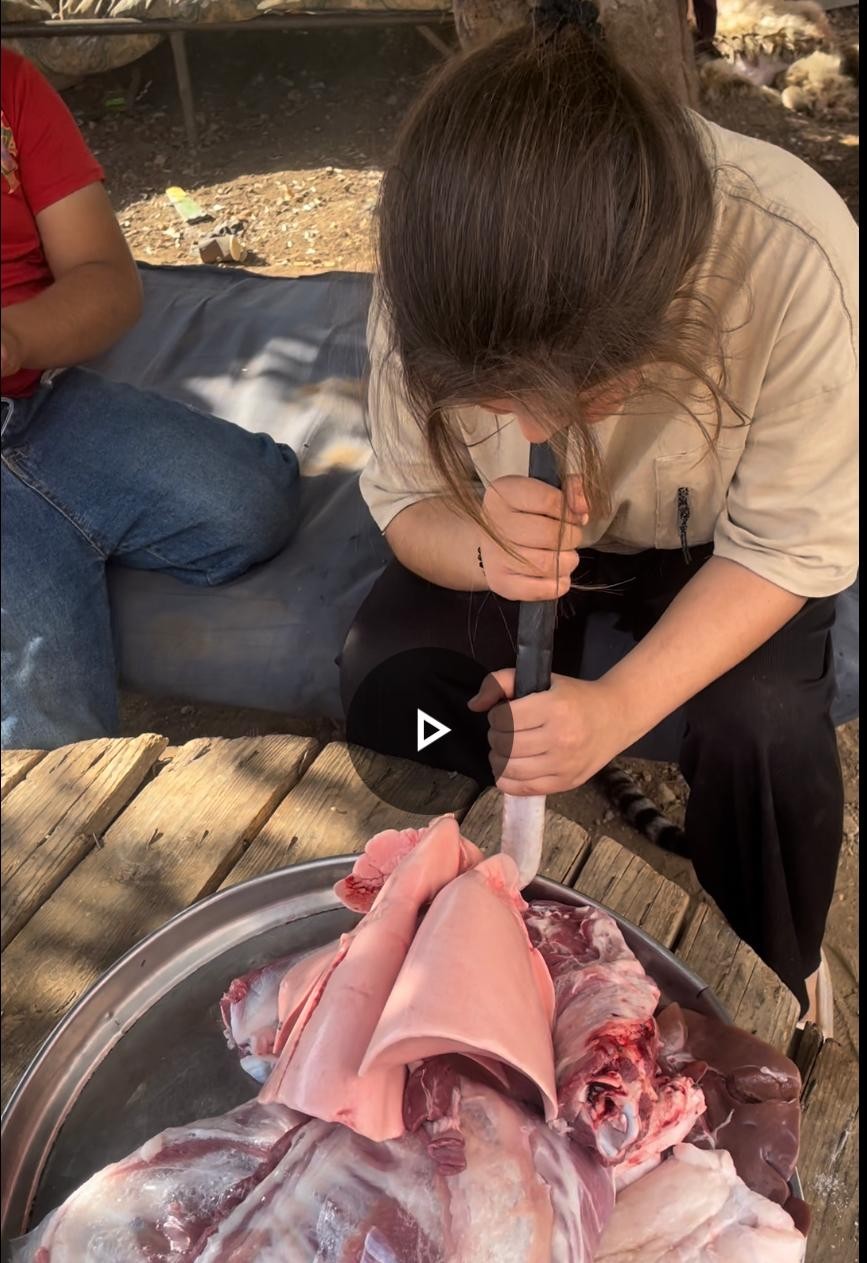 Rachel AfekOct-1-2026Samra. Blowing Up Lungs
-
