
The Occupation is absolving itself from responsibility for Palestinian farmers in Area C.
We visited Burhan in Khalat Makhul whose flocks suffered significantly from the epidemic of sheep disease. So far he has lost 130 sheep, mostly lambs. Each lamb costs NIS 1,200 and he has consequently suffered damage of NIS 150,000, which is a significant part of his annual income. This is a huge amount of money in the West Bank, where an average daily wage is NIS 70.
Since the disease appeared in his flock two months ago he has had no income. People are afraid to buy anything from him because they are afraid of the disease. He has eight daughters and a small son, and he is the only breadwinner. His oldest daughter is a university graduate in the field of education and had not been able to find work since the end of 2017.
They live in Area C which is under Israeli jurisdiction and military government. There is no one in the civil administration who is willing to help. When his herd was infected no one in the Jericho Liaison and Coordination Administration in Jericho were willing to talk with him and the administration in Beit El said they were not responsible. The regional veterinarian from the Palestinian Authority was the person who vaccinated the flocks, but there is no one to talk to about getting financial help. He will hopefully be able to receive a kashrut certificate from the regional veterinarian in Tubas five months after the disease has been cured.
There are evidently other flocks that have been affected by the disease, but their owners are unwilling to publicize it.
There was an inspection at Hamra at 13:00. There were no checks at Maaleh Ephraim or Zatra Checkpoints.
Hamra (Beqaot)
See all reports for this place-
One of the Jordan Rift Valley checkpoints that prevent direct transit between the West Bank and the Jordan Valley, in addition to Tayasir Checkpoint. Located next to Hamra settlement, on Route 57 and the Allon Road.
Read about the peple of the Jordan Valley and the quiet transfer happening there.
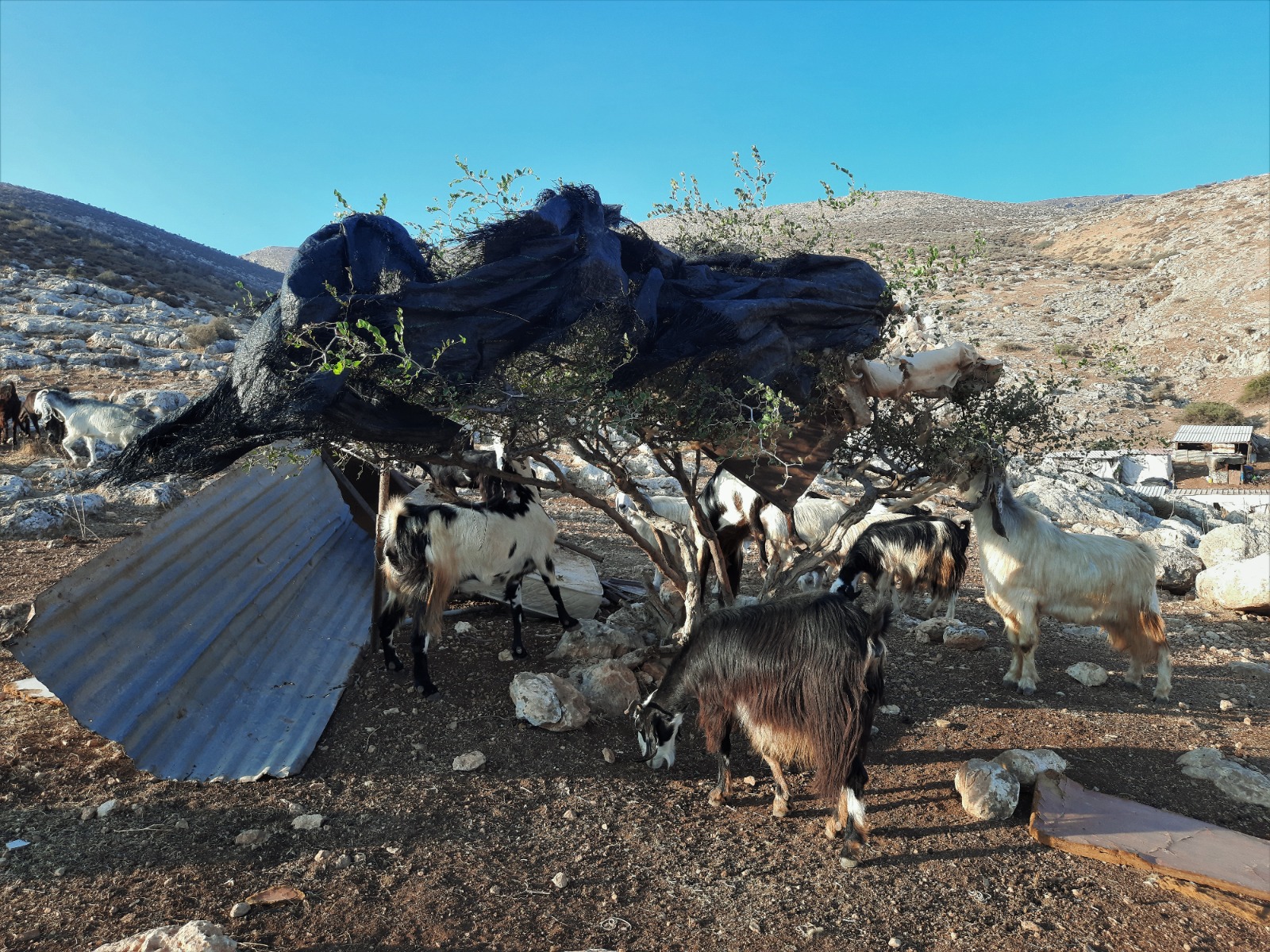 Shahar ShilohNov-3-2021Ein Shibli: grazing begins close to home
-
Jordan Valley
See all reports for this place-
Jordan Valley The Jordan Valley is the eastern strip of the West Bank. Its area consists of almost a third of the West Bank area. About 10,000 settlers live there, about 65,000 Palestinian residents in the villages and towns. In addition, about 15,000 are scattered in small shepherd communities. These communities are living in severe distress because of two types of harassment: the military declaring some of their living areas, as fire zones, evicting them for long hours from their residence to the scorching heat of the summer and the bitter cold of the winter. The other type is abuse by rioters who cling to the grazing areas of the shepherd communities, and the declared fire areas (without being deported). The many groundwaters in the Jordan Valley belong to Mekorot and are not available to Palestinians living in the Jordan Valley. The Palestinians bring water to their needs in high-cost followers.
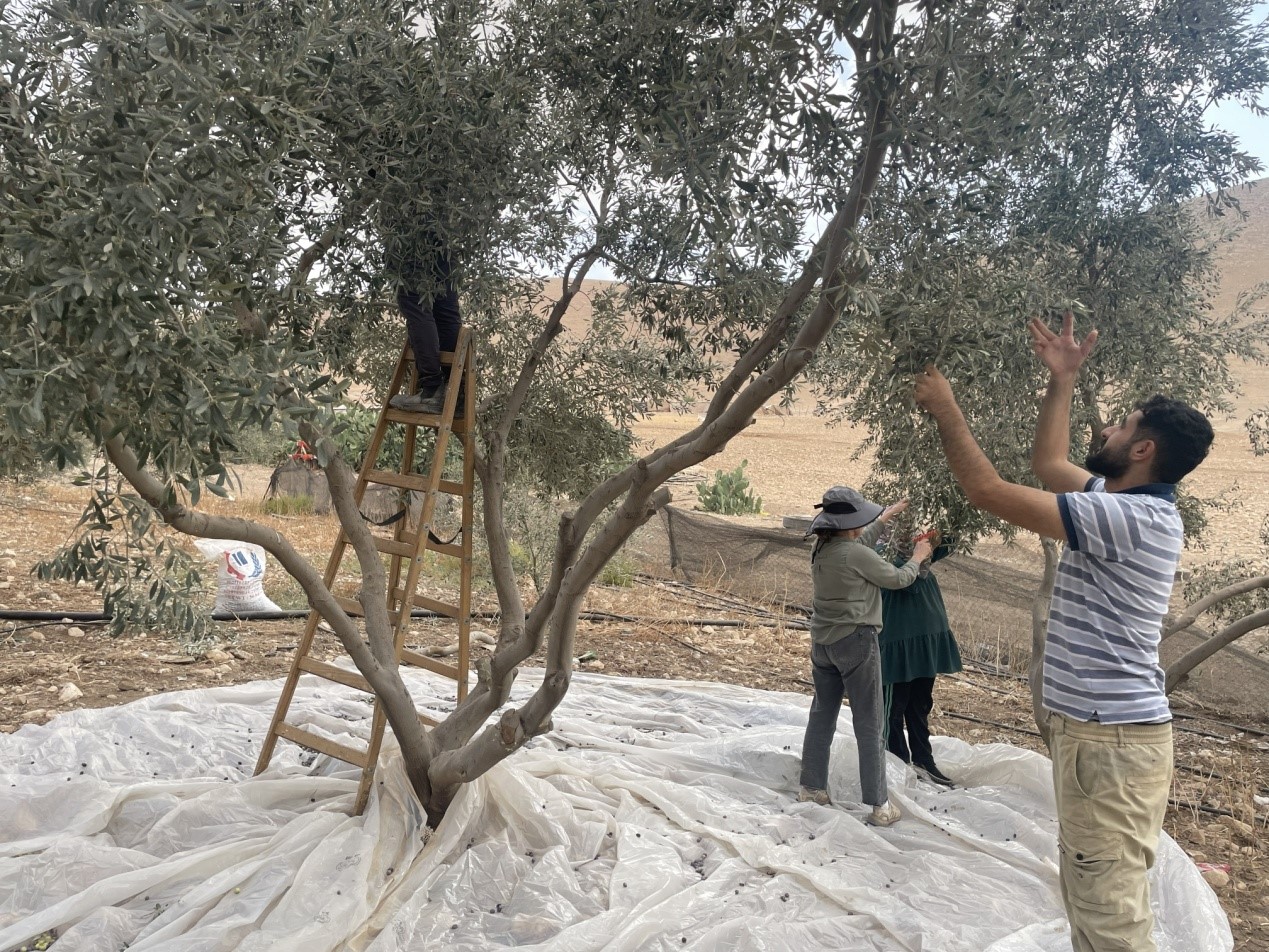 Rachel AfekOct-15-2026Olive Harvest in the Jordan Valley
-
Ma'ale Efrayim
See all reports for this place-
Ma'ale Efrayim On the road connecting Route 90 (the Jordan Valley road) to the Allon Road.
-
Za'tara (Tapuah)
See all reports for this place-
Za'tara (Tapuah) Za'tara is an internal checkpoint in the heart of the West Bank, at the intersection of Road 60 and Road 505 (Trans-Samaria), east of the Tapuah settlement. This checkpoint is the "border" marked by the IDF between the north and south of the West Bank, in accordance with the policy of separation between the two parts of the West Bank that has been in place since December 2005. At the Za'tara checkpoint, there are separate routes for Israelis and Palestinians. In the route for Israelis, there are no inspections and the route for Palestinians inspects. The queue lengthens and shortens suits. The checkpoint is open 24 hours a day. The checkpoint is partially staffed and the people who pass through it are checked at random.
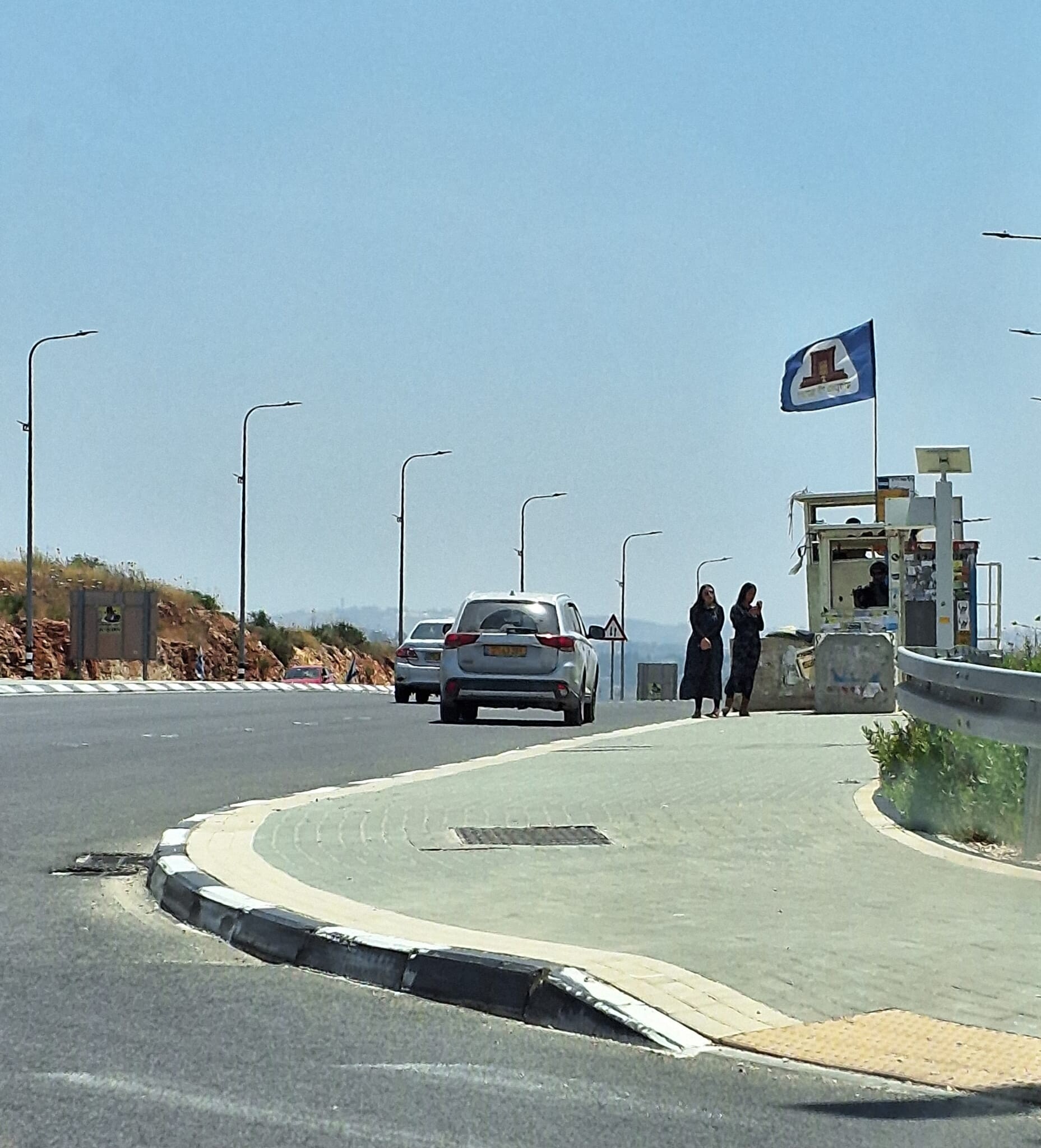 Ronit Dahan-RamatiJun-9-2026Za'atara (Tapuach Junction). The Temple Flag Above a Station
-
