
Tyasir, Hamra
Jordan Valley Checkpoints, Monday, 12.2.07 pmObservers: Tamar P, Daphne B (reporting) and a guesttranslation: L. WilliamsSummary: an ordinary day at the Rift Valley checkpoints, coming up to completion of the construction of extensions to Tayasir Checkpoint – a day which included an encounter with the brutal K’.12:20 Gitit Checkpoint (Maale Ephraim)We were only ten minutes. No Palestinian passed in that time.12:45 Hamra CheckpointA school bus is inspected at the checkpoint, while the children (from Jiftlik) walk 300 metres to the east side, to wait there for their bus.Nine cars waiting to pass from east to west, and three waiting the other way.A pedestrian waits by the turnstile.12:50 – the soldiers stop for lunch break, and for ten minutes the checkpoint is closed. A pedestrian watches them. Our guest comments to them that if it would happen abroad, to Jews, they would crash through the soldiers. After ten minutes the inspection resumes.The checkpoint commander, a youngster from Gvaot Susia who we have met in te past, is polite to us and to the Palestinians. From each car coming from the east, the passengers alight and stand in line. Their documents and the car are inspected. The commander shouts to his soldiers that they don’t need to check IDs of people entering from the east (to Nablus and into the West Bank). Somehow we get the feeling that it is because of us, because he could have said so earlier.14:00 Tayasir CheckpointThree cars waiting from east to west.Two soldiers approach us immediately and with determination indicate that we should back off (we hadn’t yet managed to come near). We refuse and stand in our usual place, at the entrance to the army base, some 20 metres from the soldiers. Following this the checkpoint closes for a few minutes while a soldier phones for instructions. Apparently he was told to open the checkpoint. From that moment on the soldiers ignore us, but check efficiently, sometimes taking out the passengers from the east to stand in line, and sometimes not.The building at the checkpoint is almost finished and the results are noticeable: a fence separates the checkpoint and road from the surroundings (perhaps to protect against rampaging invaders?). Above the checkpoint there is a passage for pedestrians (where will they come from to reach this forsaken spot?). On the other side of the road is a threatening pillbox, so that all dwellers in the neighbourhood should know who rules here!The road has been widened into three lanes (at Hamra there are five lanes, but nevertheless, traffic never passes in both directions simultaneously). Alongside the road are wide shoulders of kaolin, where drivers stop to deposit their passengers so they can stand neatly in a line.Out from the army base comes a soldier dressed in uniform trousers and a civilian t-shirt. He comes over to us, smiling and friendly, but his speech is arrogantly and the friendliness clearly covers up for hostility. He gives orders to the checkpoint soldiers (we don’t hear them), and they all seem to respect him. As he approaches, Tamar immediately senses negative vibes, and she moves away rather than blurt something that we will all regret. He says that he “is with us” and he is “leftist, but…” And then suddenly a car full of Palestinians passes. They look at us with panic stricken eyes while he revels in whatever it is: “See, see how they are scared of us…” I’m shocked and I suddenly understand that this is the brutal K’, who according to his commanders was suspended from the checkpoint because of his behaviour.A verbal confrontation ensues as Tamar tries to photograph him. He was close to physical violence. We moved away from him.One of the soldiers, and the Palestinians, confirmed that this is indeed the infamous K’, who frequently “tortures” te Palestinians, calling the women teachers “prostitutes” and urinating at the women’s feet, delaying, cursing, beating them. Another soldier says that now he is “okay” because the army has coupled him with a companion who “keeps an eye on him.”Usually we do not differentiate in our reports between the behaviour of the soldiers, but in this case it is our duty! we find him a disturbed young man, whose bad influence on the soldiers is noticeable. We fear that everything here moves in the direction of an unavoidable catastrophe. If, after two complaints and publication of the story in the newspapers, the soldier is still serving there, and even gets a companion and spiritual assistance in the knowledge that he is aberrant and needs supervision – it seems that someone up above is protecting him and that he is not yet rated unsuitable. Something stinks…As long as Kobi stayed at the checkpoint, so did we. At 15:40 he boarded a bus that was taking soldiers (apparently home).At this same opportunity, the Palestinians noted that an officer named Rami, who we did not meet, behaves decently and fairly to them.A truckload of sheep belonging to a Beduin from Hamam el Maliah cannot pass in the direction of Tubas for lack of the proper permit. The man contends that he often passes there with his sheep, on the way to market, and has never been asked for a permit. The soldiers refuse to talk to us. By the time we connected with the Humanitarian Centre, the Beduin had turned around and left.
Jordan Valley
See all reports for this place-
Jordan Valley The Jordan Valley is the eastern strip of the West Bank. Its area consists of almost a third of the West Bank area. About 10,000 settlers live there, about 65,000 Palestinian residents in the villages and towns. In addition, about 15,000 are scattered in small shepherd communities. These communities are living in severe distress because of two types of harassment: the military declaring some of their living areas, as fire zones, evicting them for long hours from their residence to the scorching heat of the summer and the bitter cold of the winter. The other type is abuse by rioters who cling to the grazing areas of the shepherd communities, and the declared fire areas (without being deported). The many groundwaters in the Jordan Valley belong to Mekorot and are not available to Palestinians living in the Jordan Valley. The Palestinians bring water to their needs in high-cost followers.
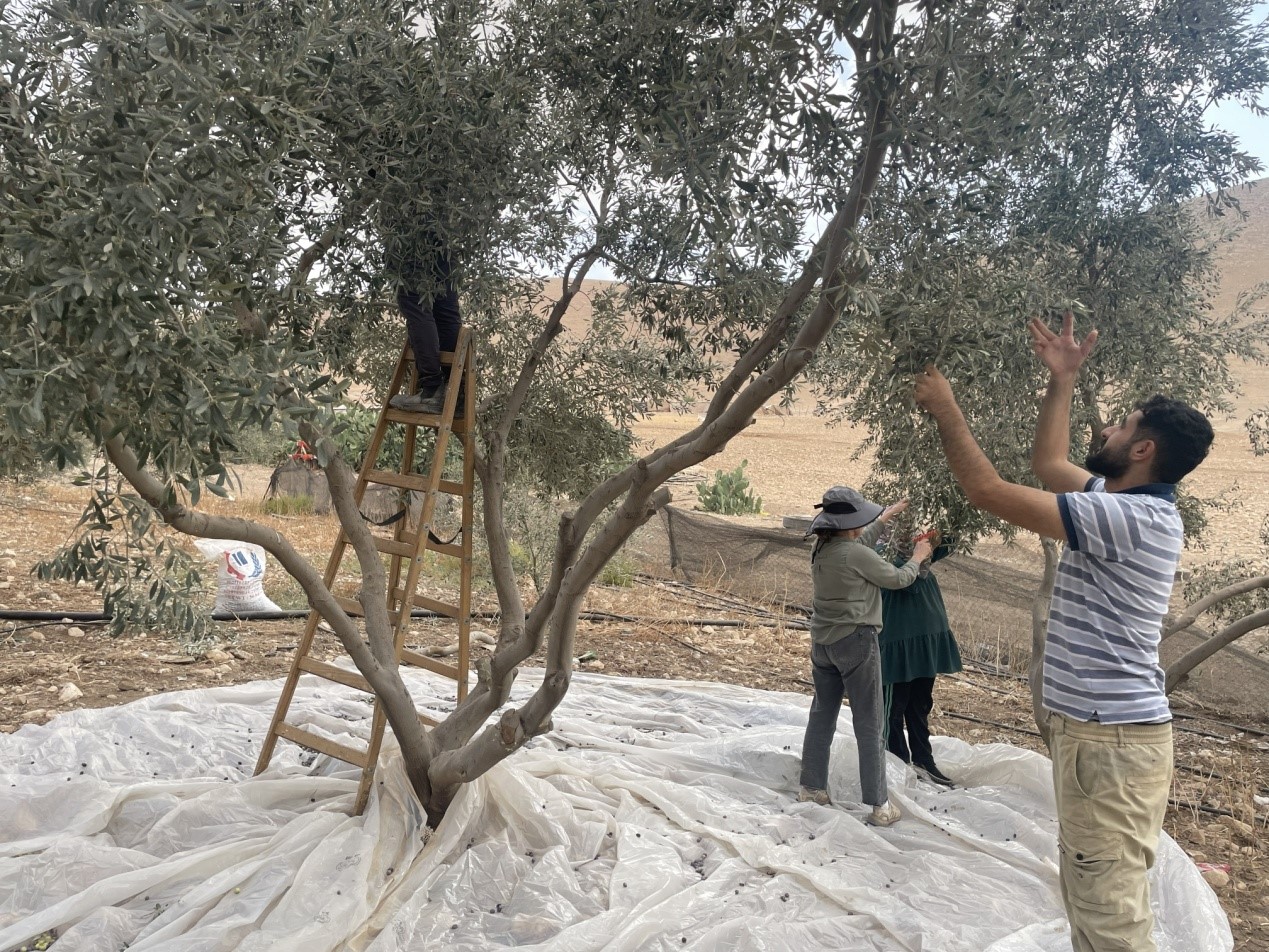 Rachel AfekOct-15-2026Olive Harvest in the Jordan Valley
-
