
מרכז הגדה: ליווי צוות עיתונות מפראג ותיעוד פגיעות בכפרים
צוות עיתונאים מפראג הצטרף אלינו לסיור כדי לצלם ולהכין סרט דוקומנטרי על המתרחש בשטחים הכבושים, זאת ברקע התמיכה העקבית של מדינתם במדיניות ישראל.
שתי הכניסות לכפר מרדא היו סגורות, וכך גם השער בזיתא ג’מעין.
בכפר דומא ביקרנו בביתו של נ’ מ’. בכניסה לביתו, מתחת לעץ התאנה, שהה מתנחל עם בקר. נ’ סיפר לעיתונאים על המציאות היומיומית: הוא הראה להם את חלק הבית ששרפו המתנחלים וטרם תוקן, ותיאר כיצד גודרה האדמה הסמוכה לביתו, הובאו אליה ספסלים, והיא משמשת כעת כמתחם משחקים לילדי המתנחלים. המתנחל ניסה לברוח עם הבקר כדי שלא יצלמו אותו, אך צוות הצילום הספיק לתעד את המתרחש. בדרכנו חזרה, השער של דומא היה סגור ולידו עמדה קבוצת חיילים, ובצד ימין של הכביש הראשי הבחנו במאחז חדש שהוקם בשם אלון.
בהמשך הדרך, בקצה הצפוני של חווארה סמוך לבית הספר, נראו מתנחלים מסתובבים על טרקטורונים, והמאחז החדש בני אהרון – השוכן בין חווארה לעוורתא – הולך וגדל.
מחסום עוורתא היה עמוס.
במחסום בית פוריק לא נרשם עומס.
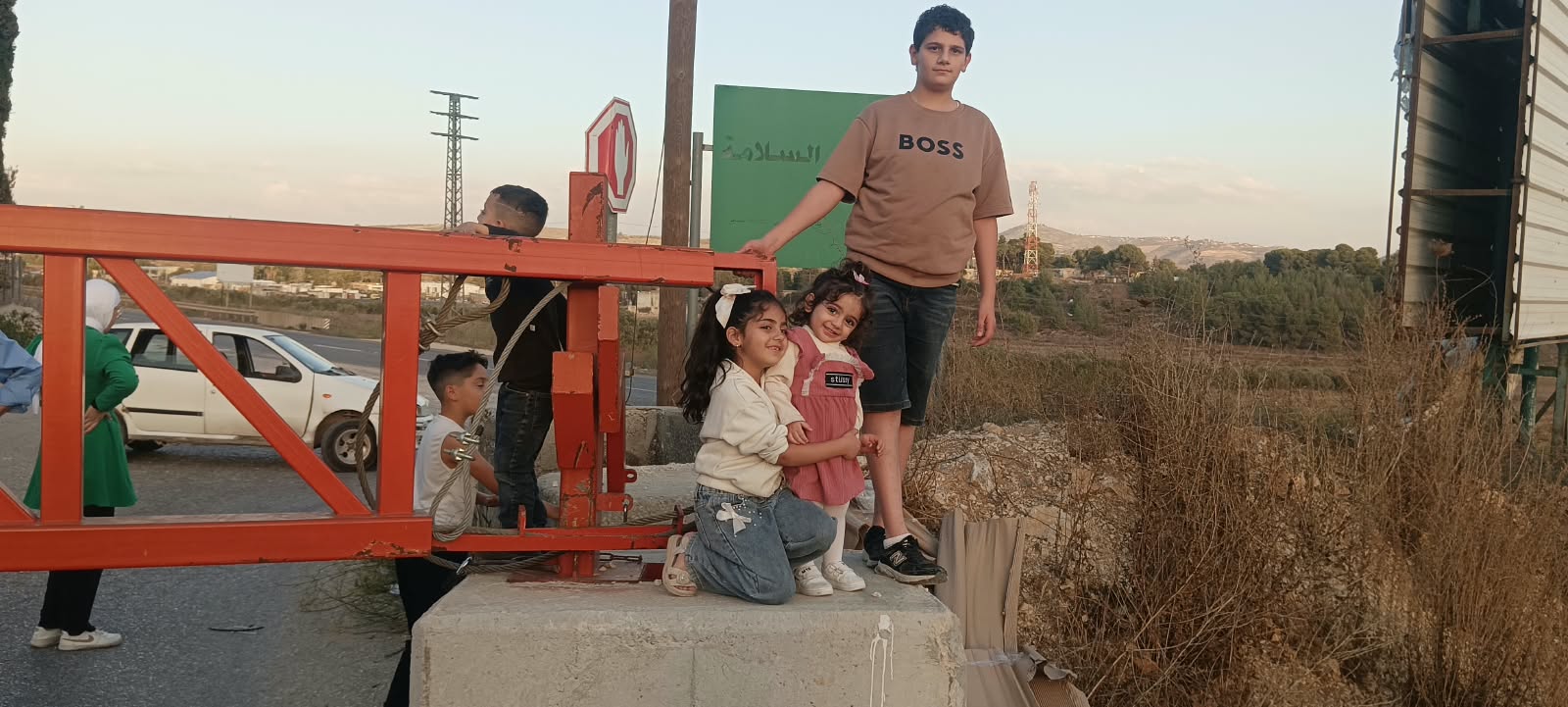
בכפר בורין השער בכניסה היה סגור ונאלצנו להיכנס מתחתיו, שם חיכינו לרכבו של קרוב משפחה של ד’ שהגיע לאסוף אותנו.
א’ מ’, בעלה של ד’, חלק עם העיתונאים עדויות קשות. הוא סיפר כיצד חיילים התעללו בו והשפילו אותו לפני כמה ימים כשהיה בדרכו הביתה. בנוסף, הוא תאר כיצד גירשו מתנחלים את תושבי הכפר יאנון (סמוך לעקרבא), השתלטו על אדמותיהם, התיישבו בבתיהם ואף הביאו לסגירת בית הספר המקומי. הוא הוסיף כי לפני ארבעה ימים הגיעו כ-50 מתנחלים לבושים בשחור, סבבו בין הבתים ומנעו מהתושבים לצאת. במקביל, חיילים סגרו את החנויות, עיכבו בחור צעיר, ביצעו חיפוש על גופו וגנבו ממנו 850 ₪. כוחות צבא ירו רימוני עשן לעבר ביתו, ובקושי הצליח לברוח עם הילדות הקטנות.
Location Description
Burin (Yitzhar)
See all reports for this place-
Burin (Yitzhar)
This is a Palestinian village in the Nablus governorate, a little south of Nablus, on the main road passing through the West Bank. The settlements: Yitzhar and Har Bracha, settled in locations that surrounded the village, placed fences so it is cut off the main road.
There are around 4000 inhabitants. Most of them are engaged in agriculture and pasture, although many graduates of the two secondary schools continue to study at the university. Academic positions are hardly available, they find work as builderd, or leave for the Gulf countries.
The village lands were appropriated several times for the establishment of Israeli settlements and military bases, and as a result, Burin's land and water resources dwindled. lSince 1982, more than 2,000 dunams of village land have been declared "state land" and then transferred to Har Bracha settlement.
Over the past few years and more so since 2017, the villagers have been terrorized by the residents of Yitzhar and Har Bracha, the Givat Ronen outpost and others. Despite the close proximity of soldiers to an IDF base close to one of the village's schools, residents are suffering from numerous stone-throwing events, vehicle and fire arson, also reported in the press.
In 2023, the prevention of the olive harvest in the village plot was more violent than ever. Soldiers and settlers walked with drawn weapons between the houses of the village and demanded that people stop harvesting in the village itself and in the private plots outside the village. The settlers from Yitzhar and Giv'at Roned raided the olive groves and stole crops. 300 olive trees belonging to the residents of Burin, near Yitzhar, were uprooted. The loss of livelihood from the olives causes long-term economic damage to the farmers' families, bringing them to the point of starvation.
(updated for November 2023)
-
Duma
See all reports for this place-
Duma
A village in the Nablus governorate, with 3,000 residents. They owned some 18,000 dunams, 500 dunams of which the village itself was built. However, after the settlement of Migdaleim annexed a large part of their land, their area was reduced to only 2,000 dunams.On July 31, 2015, two houses in the town were torched with petrol bombs. Sa'ad and Riham Dawabsha, and their infant, Ali Sa'ad Dawabsha, were burned to death. Another son was seriously injured. "Revenge" and "King Messiah" were spray painted on the walls of the house. The trial of the arsonist, the settler Amiram Ben Uliel, is still underway (2019), and a plea bargain was signed in May 2018 with the minor who participated in the planning of the arson.
The closure imposed by the army, the poor roads that they are forced use due to the lack of paving permits from the Civil Administration, along with the lack of public transportation, all these difficulties cut off the village from nearby Nablus and Ramallah.
-
Huwwara
See all reports for this place-
The Huwwara checkpoint is an internal checkpoint south of the city of Nablus, at the intersection of Roads 60 and 5077 (between the settlements of Bracha and Itamar). This checkpoint was one of the four permanent checkpoints that closed on Nablus (Beit Furik and Awarta checkpoints to the east and the Beit Iba checkpoint to the west). It was a pedestrian-only barrier. As MachsomWatch volunteers, we watched therre since 2001 two shifts a day - morning and noon, the thousands of Palestinians leaving Nablus and waiting for hours in queues to reach anywhere else in the West Bank, from the other side of the checkpoint the destination could only be reached by public transport. In early June 2009, as part of the easing of Palestinian traffic in the West Bank, the checkpoint was opened to vehicular traffic. The passage was free, with occasional military presence in the guard tower. Also, there were vehicle inspections from time to time. Since the massacre on 7.10.2023, the checkpoint has been closed to Palestinians.
On February 26, 2023, about 400 settlers attacked the town's residents for 5 hours and set fire to property, such as houses and cars. Disturbances occurred in response to a shooting of two Jewish residents of Har Bracha by a Palestinian Terrorist. The soldiers stationed in the town did not prevent the arson and rescued Palestinian families from their homes only after they were set on fire. No one was punished and Finance Minister Smotrich stated that "the State of Israel should wipe out Hawara." Left and center organizations organized solidarity demonstrations and support actions for the residents of Hawara.Hawara continued to be in the headlines in all the months that followed: more pogroms by the settlers, attacks by Palestinians and a massive presence of the army in the town. It amounted to a de facto curfew of commerce and life in the center of the city. On October 5, 2023, MK Zvi established a Sukkah in the center of Hawara and hundreds of settlers backed the army blocked the main road and held prayers in the heart of the town all night and the next day. On Saturday, October 7, 23 The "Swords of Iron" war began with an attack by Hamas on settlements surrounding Gaza in the face of a poor presence of the IDF. Much criticism has been made of the withdrawal of military forces from the area surrounding Gaza and their placement in the West Bank, and in the Hawara and Samaria region in particular, as a shield for the settlers who were taking over and rioting.
On November 12, 2023, the first section of the Hawara bypass road intended for Israeli traffic only was opened. In this way, the settlers can bypass the road that goes through the center of Hawara, which is the main artery for traffic from the Nablus area to Ramallah and the south of the West Bank. For the construction of the road, the Civil Administration expropriated 406 dunams of private land belonging to Palestinians from the nearby villages. The settlers are not satisfied with this at the moment, and demand to also travel through Hawara itself in order to demonstrate presence and control.(updated November 2023)
.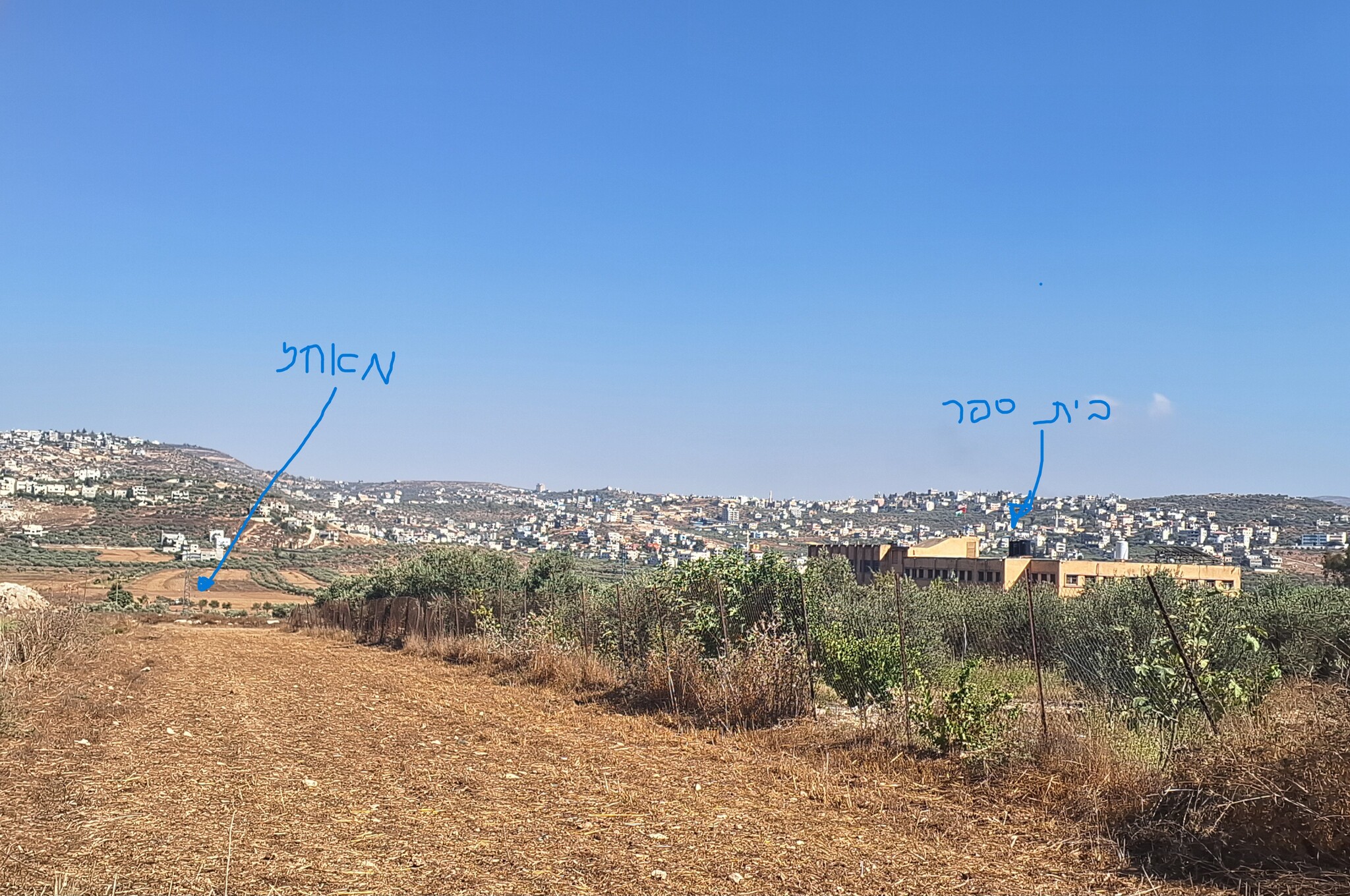 Ronit Dahan-RamatiAug-24-2026Huwara: The school on the outskirts of town and an outpost hidden among the trees
-
Jamma'in*
See all reports for this place-
Jamma'in*
Jamma'in is a small town, with some of the best quarries in the area. The stone is sold all over Palestine and Israel and even outside the country. The city also has an industrial area. Although they are close to the Ariel and Tapuach settlements, Jama'in farmers have no daily problems with settlers. Harassment occurs mainly during the October harvest season - the settlers sometimes try to drive the farmers out of their plots. Jama'in has its own info-icon water reservoir tower. The water is obtained from sources and paid for by the Palestinian Authority. The city has one clinic that opens only 2-3 days a week. The biggest problem is that there is only one hospital in Nablus in an area of about 10,000 residents. This hospital is too small, does not have enough equipment, and not enough doctors.
Zeita / jama'in is a village of about 3000 inhabitants near Jama'in and Ariel. In the 1980s, land was taken from the village and transferred to settlements. Farmers in the village have lost some of their income. The settlements are located on the ridges, further away from Zeita, which is in the valley. The village does not often suffer from harassment.
The water sources for Zeita and Jama'in that have supplied water to the villages for centuries have been confiscated by the Mekorot company and the water is flowed to Ariel. Without a reasonable info-icon water supply the villages cannot develop agriculture or any industry.
The electricity comes from the Israeli Electric Company through Ariel and Jama'in.
The IDF oversees the main roads and entrances to the villages. -
Jama'in is a small town, with some of the best quarries in the area. The stone is sold all over Palestine and Israel and even outside the country. The city also has an industrial area. Although they are close to the Ariel and Tapuach settlements, Jama'in farmers have no daily problems with settlers. Harassment occurs mainly during the October harvest season - the settlers sometimes try to drive the farmers out of their plots. Jama'in has its own info-icon water reservoir tower. The water is obtained from sources and paid for by the Palestinian Authority. The city has one clinic that opens only 2-3 days a week. The biggest problem is that there is only one hospital in Nablus in an area of about 10,000 residents. This hospital is too small, does not have enough equipment, and not enough doctors. Zeita is a village of about 3000 inhabitants near Jama'in and Ariel. In the 1980s, land was taken from the village and transferred to settlements. Farmers in the village have lost some of their income. The settlements are located on the ridges, further away from Zeita, which is in the valley. The village does not often suffer from harassment. The water sources for Zeita and Jama'in that have supplied water to the villages for centuries have been confiscated by the Mekorot company and the water is flowed to Ariel. Without a reasonable info-icon water supply the villages cannot develop agriculture or any industry. The electricity comes from the Israeli Electric Company through Ariel and Jama'in. The IDF oversees the main roads and entrances to the villages.
-
Marda
See all reports for this place-
Marda
There are about 2500 inhabitants in the village. A large part of their lands was confiscated for the benefit of the settlement of Ariel, some of whose buildings are adjacent to the village.
They often feel under siege. At both entrances to the village from the main road (505) there are checkpoints and the army does close the yellow arms from time to time. The inhabitants of Marda own olive groves behind a fence. Rarely are they allowed to cultivate their agricultural plots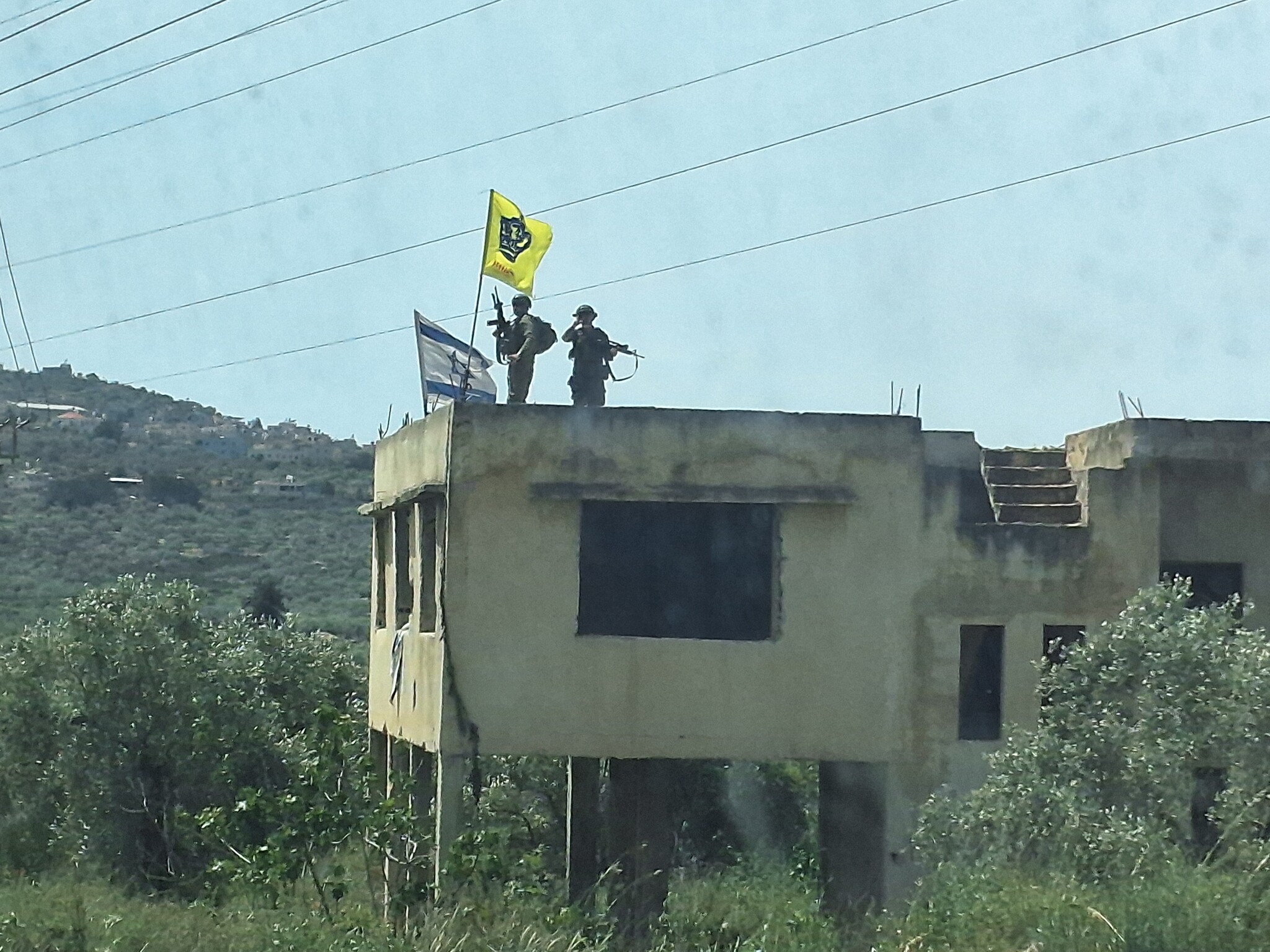 Ronit Dahan-RamatiApr-14-2026Marda. IDF post on the roof of a Palestinian home with the Messiah flag
-
