MachsomWatch was founded in 2001, the early days of the Second Intifada, at a moment marked by rising frustration and hopelessness within the Israeli peace movement.
Three Israeli women — Adi Kuntsman from the Soviet Union, Ronnee Jaeger from Canada and Yehudit Kirstein-Keshet from the UK — had heard a deluge of reports of human right infringements at Israeli checkpoints, including sick and pregnant Palestinians being prevented from reaching hospitals.
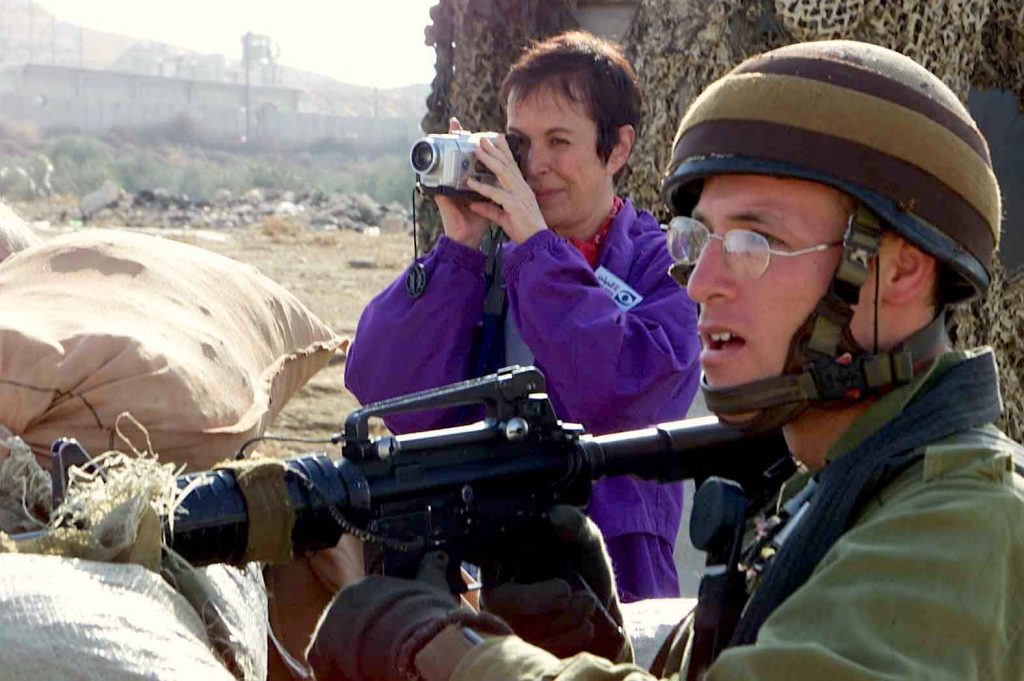
With backgrounds in activism and feminism, the three set out to see the situation for themselves. At 5:30 am they traveled with two friends to a checkpoint on the outskirts of East Jerusalem, introducing themselves to bemused border guards.
“We stood there that first morning and didn’t know what to do or how to do it, but we wrote down everything we saw into our notebooks,” Kirstein-Keshet recounted the following year. “It was part protest, part resistance, part appeasement of our own consciences.”
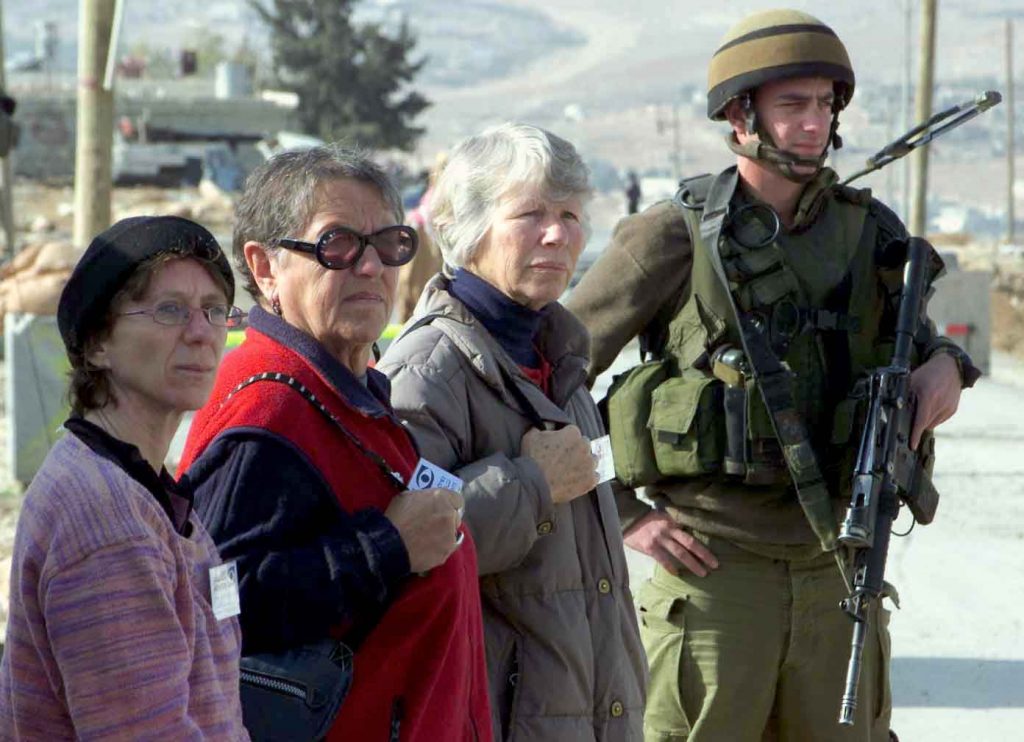
What they found was that their presence, and implied oversight, became a moderating force at the checkpoints. They came back again, recruiting additional women and visiting new checkpoints. After a few months, the group had grown to 30. A few years later, hundreds had joined the effort.
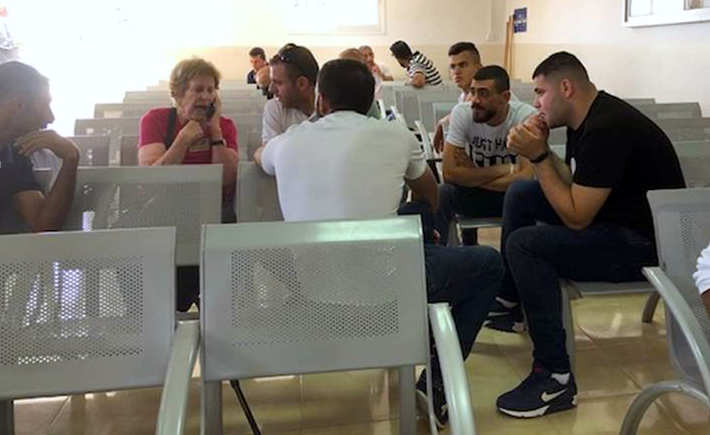
While the Watchers mostly observe, they do intervene on behalf of Palestinians when there’s a problem with the border guards.
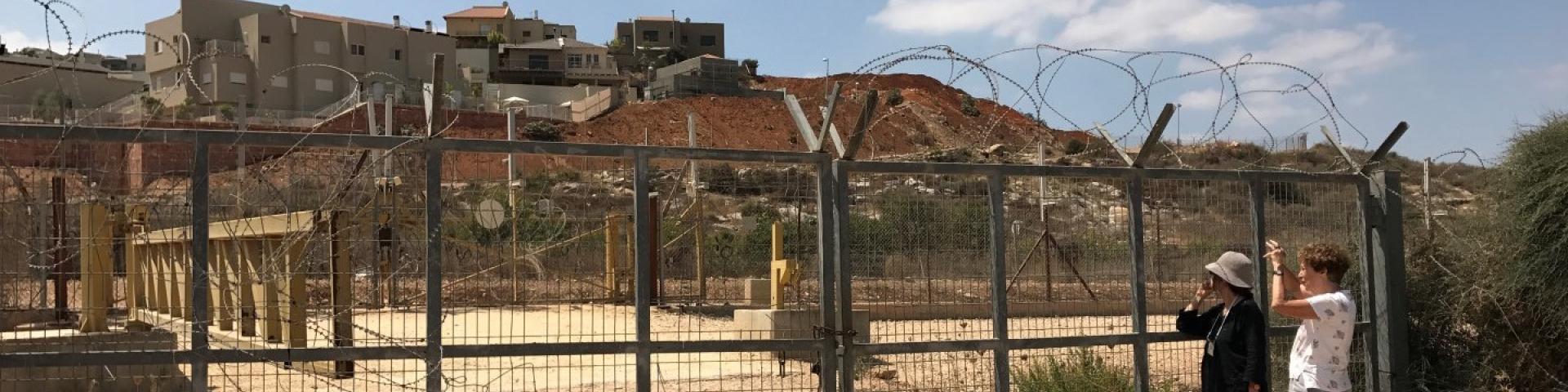
Across the West Bank, a vast and seemingly arbitrary system of checkpoints and roadblocks strangles the Palestinian people’s freedom of movement and throttles their ability to access education, employment and medical care — a constant reminder that they live under 24/7 military control.
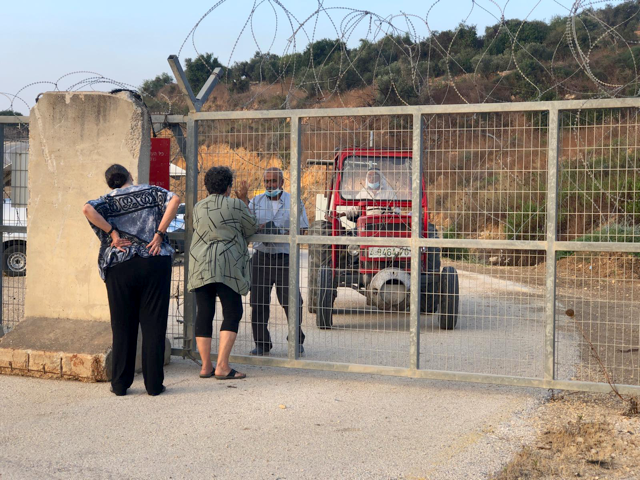
Not only are there checkpoints at entry-points into East Jerusalem and Israel, but there are permanent checkpoints scattered across roads and gates deep within the West Bank, agricultural checkpoints which block farmers from reaching their orchards and crops, and temporary “flying checkpoints” established at random wherever Israeli authorities choose.
“They’re a major disruption to Palestinian life, costly in terms of time, anxiety and dignity,” says Friedman. “Their security value is open to question.”
Members of MachsomWatch tell a familiar story, one which often starts with uncertainty in a first visit but soon develops into an addiction fueled by an inability to accept the ongoing obstacles and humiliation forced upon everyday Palestinians. “Once you start, you can’t stop being involved in this work,” says another veteran Watcher, Daphne Banai.
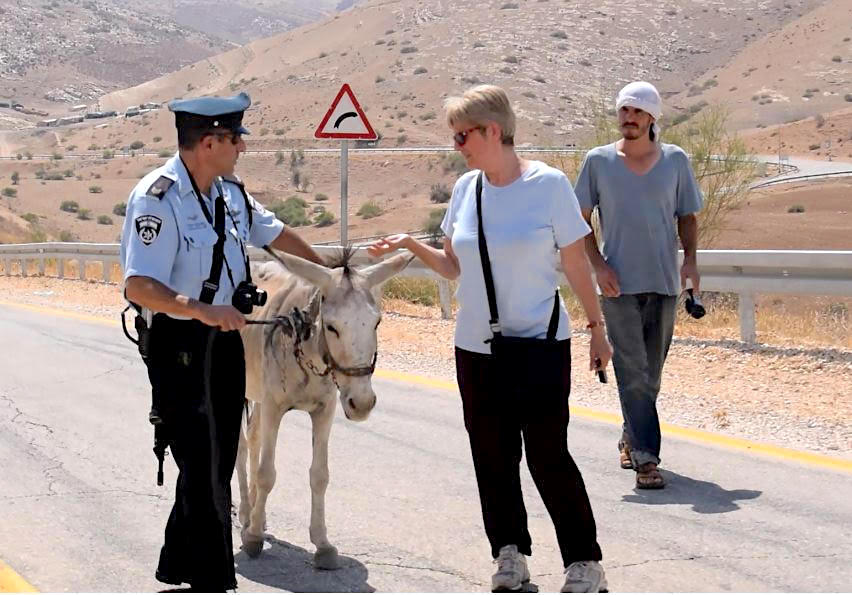
A member of MachsomWatch seek to have a Palestinian’s donkey released from confiscation. No reason or justification was made by Israeli authorities for detaining the donkey, though MachsomWatch suspects it was done at the request of nearby settlers.
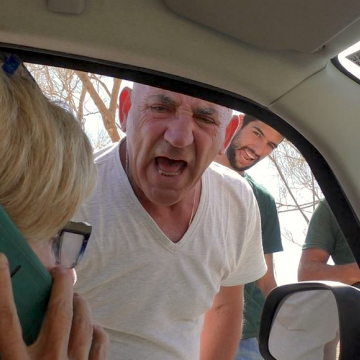
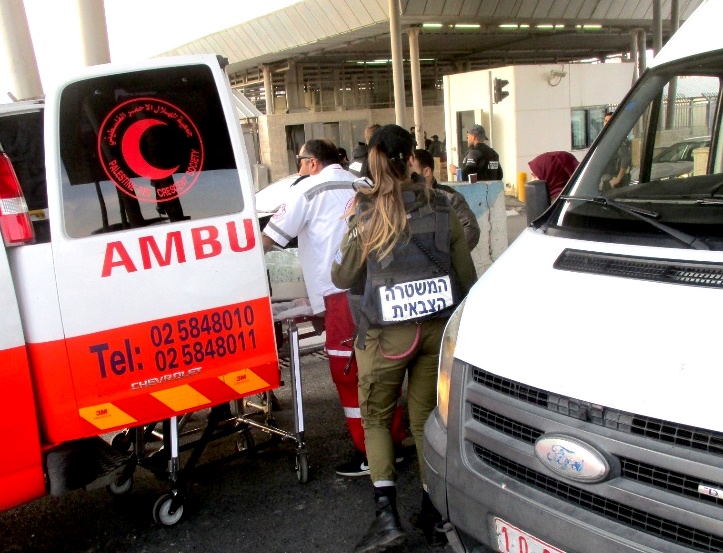
While the Watchers mostly observe, they do intervene on behalf of Palestinians when there’s a problem with the border guards. Sometimes they’re able to persuade guards to be more flexible; sometimes the suggestion of a call to superiors, lawyers or other outside help swiftly resolves delays facing the passage of an ambulance or pregnant woman. For their efforts, members of MachsomWatch have been branded “traitors” and “enemies of Israel” by the Israeli far-right.
“We consider it a win if we are able to solve a problem, however small, for an individual or two at a checkpoint, or by working behind the scenes,” Friedman says. “Our motto should be ‘She Persisted,’ because that’s really what we’re about: Thousands of little wins accumulated over the years under disheartening conditions.”
Soldiers range from friendly and subtly supportive to wary or downright hostile, Friedman says. Co-founder Yehudit Kirstein-Keshet wrote that in their own way, members of MachsomWatch can be somewhat disarming. “Most of us are women over the age of 35, and they treat us like dotty old aunties.”
Over time, Banai says, appealing directly to soldiers for them to use their discretion has become increasingly difficult. “In the past we could have has talks with some soldiers but today they arrive equipped with orders not to talk with us and with hostility toward the Palestinians and us,” she says, “it’s very worrying.”