
Jewish pogrom in Tuba in Masafer Yatta - the rioters who burned houses are settlers from Maon Farm
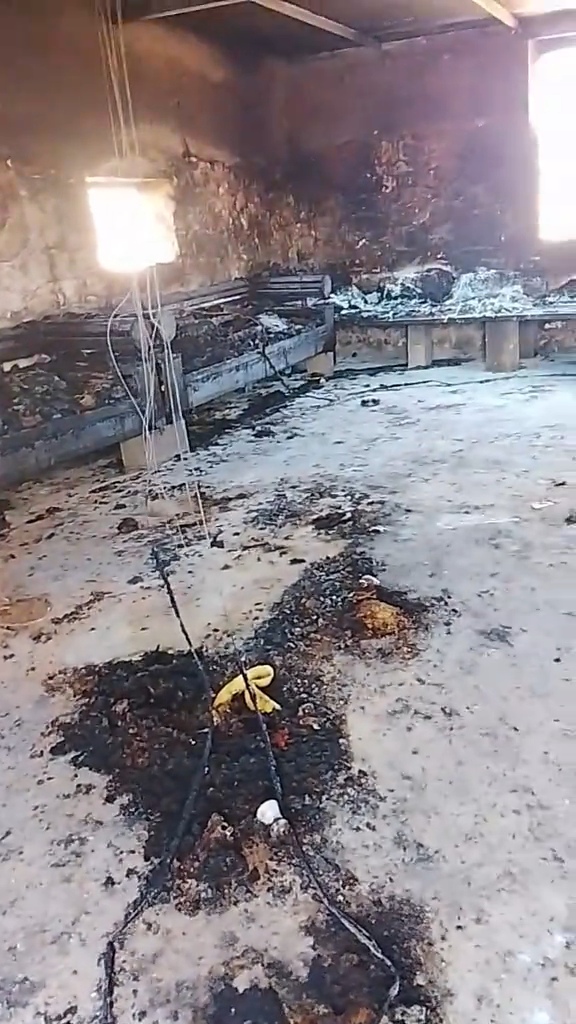
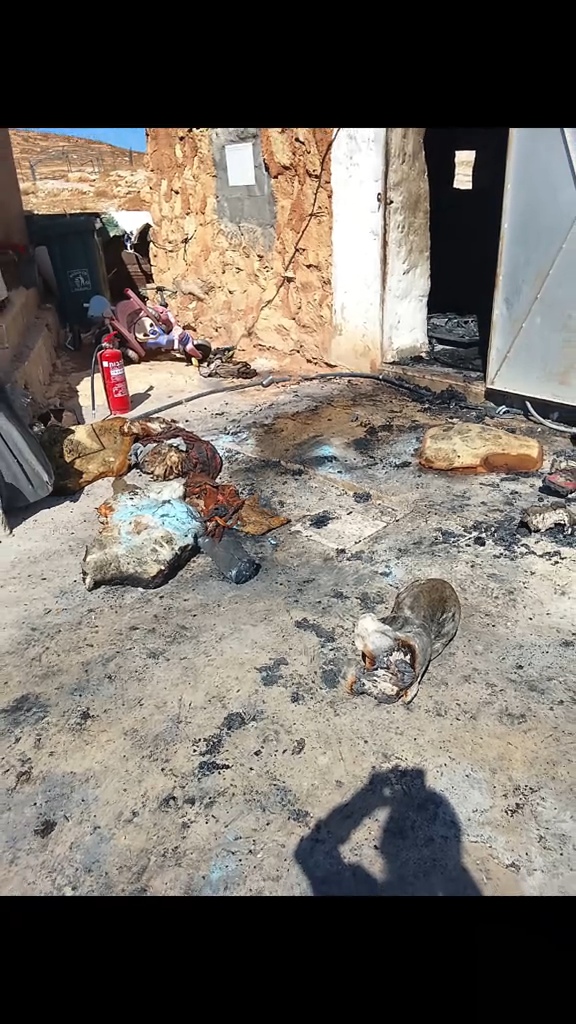
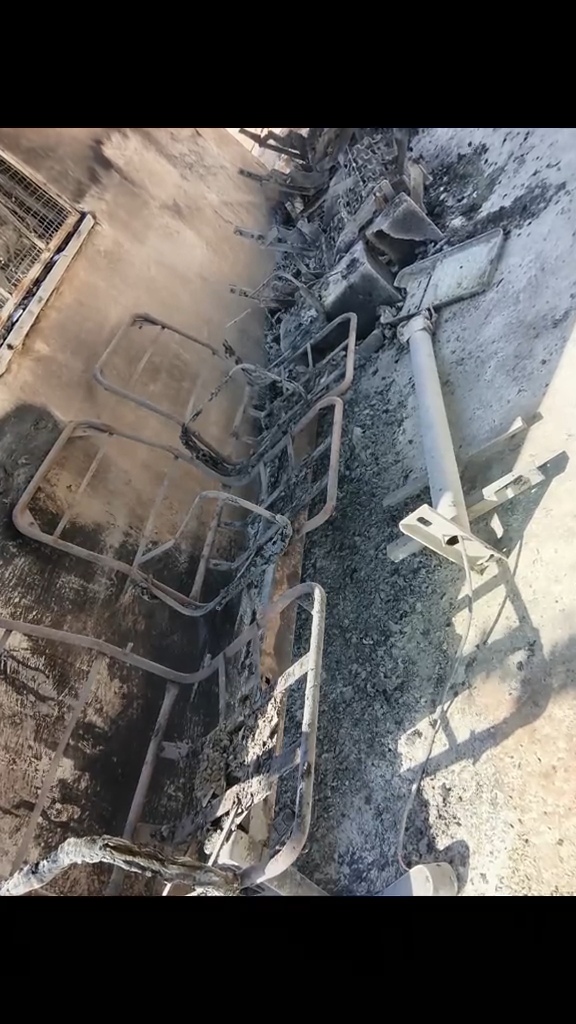
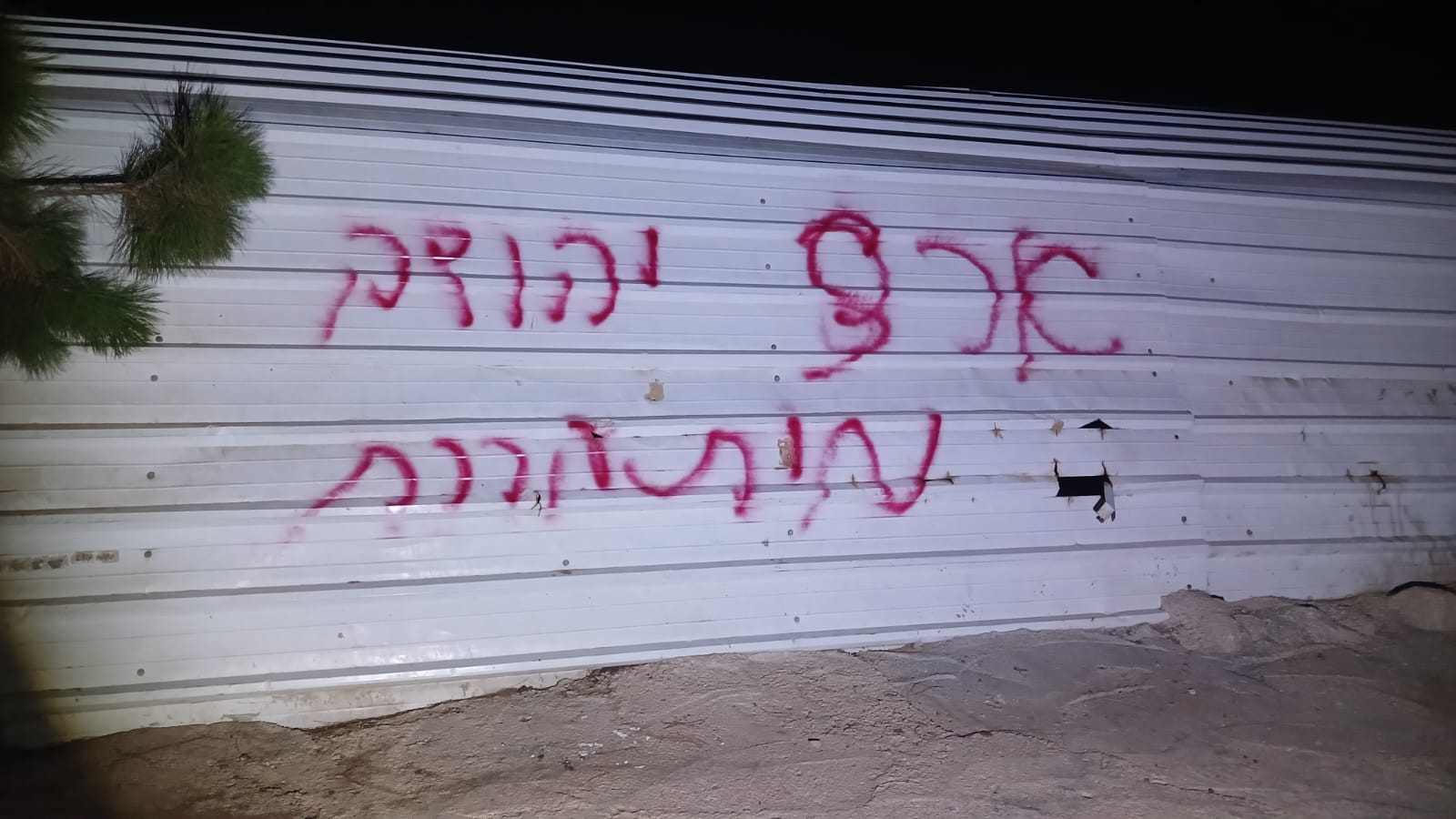
Jewish pogrom! The perpetrators are mainly settlers from Havat Ma’on, particularly Yissachar Mann and his men, along with other criminals from a nearby new outpost
Five days before we arrived (on Wednesday, August 5), at around 10 p.m., some 40 settlers from Havat Ma’on attacked and injured Palestinians with sticks and knives, and set fire to buildings and property.
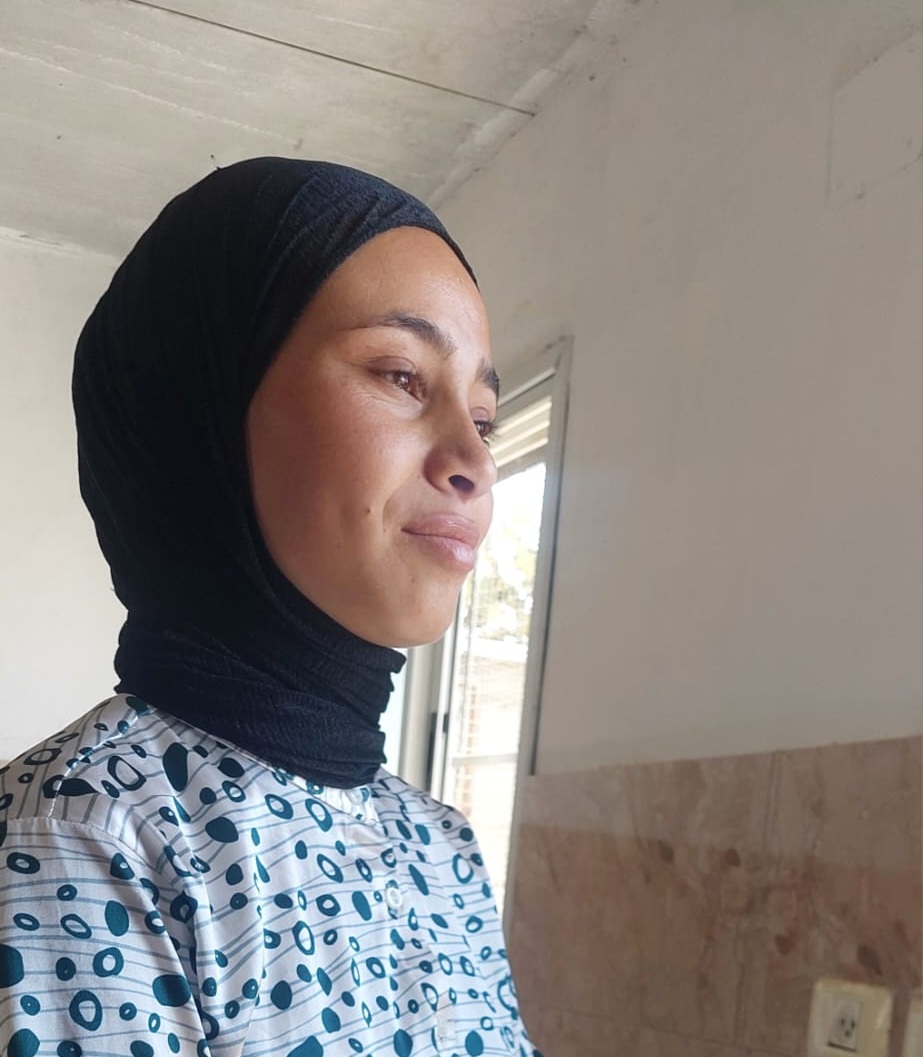
We were only able to get there on Monday. This time, Galia Oz joined us again. She had previously met children and written about their childhoods under the occupation. Galia asked to meet Sujud again, whom we had met with Galia five years ago. She is now 18, an impressive, noble and intelligent high-school graduate. Galia Oz will also publish an article about her in Haaretz. *
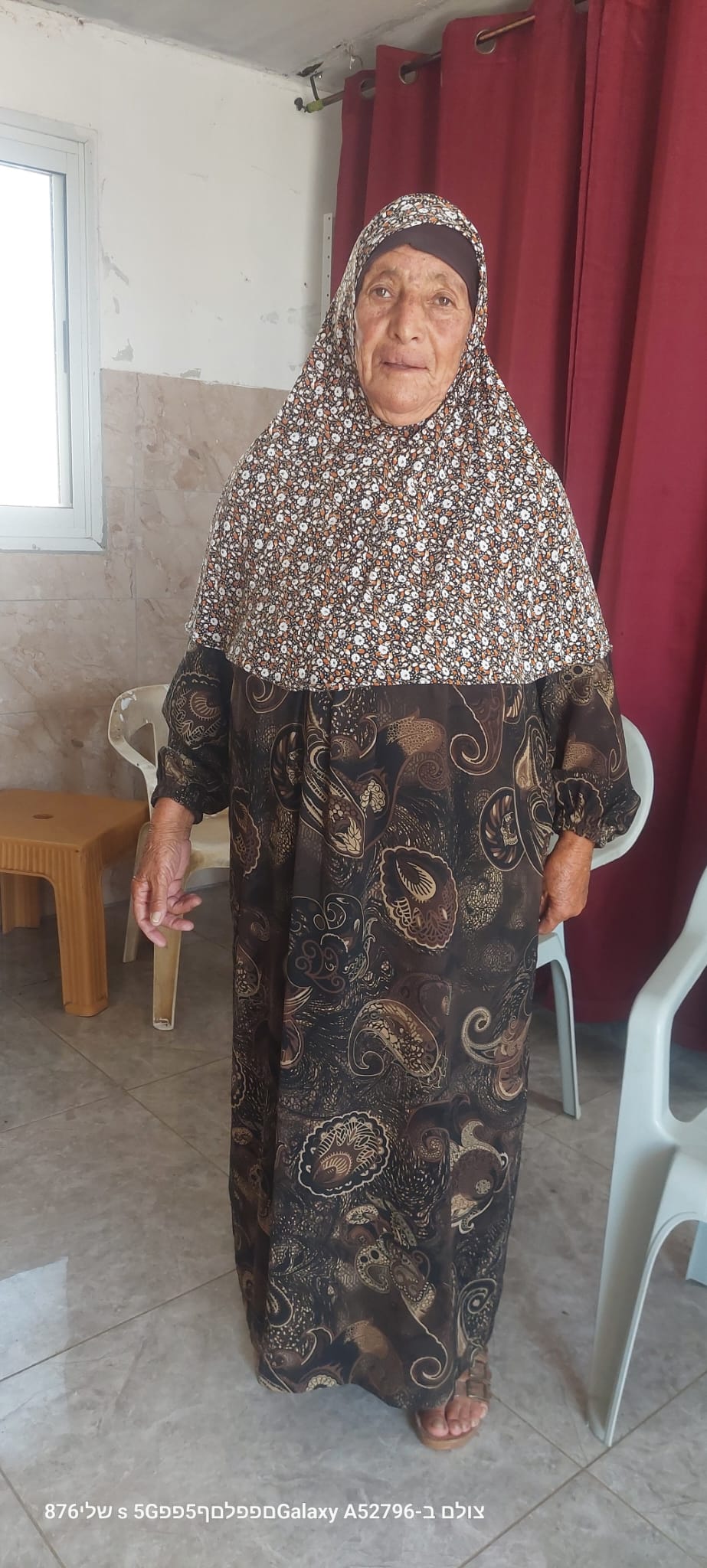
We arrived at her grandparents’ home and also met the Awad family. Her grandfather, Ibrahim, is 84. He was born and raised there, as was his father before him. So was her grandmother, Zuhur, as well as other uncles and cousins. Her father was not there; he had once again gone to the Hebron police station in an attempt to give his testimony about what happened that night.
There is still a smell of smoke and soot throughout the family compound. The living room was completely burned down. Remains of furniture, clothes and toys, refrigerators, fabrics and mattresses, schoolbooks and a television had already been cleared away by the time we arrived. In the soot-covered kitchen, where the settlers poured rice, flour and oil onto the floor, only remnants remained. There was a strong smell of gasoline in the air.
Sujud, who successfully completed her matriculation exams under the most difficult circumstances imaginable, plans to study graphic design at a college in Hebron. She speaks bravely and calmly about the attack by dozens of masked settlers, who woke her from her sleep. When she rushed to the bathroom to put on a head covering, they chased her, and she was hit in the face by the door as it slammed shut.
They grabbed her 10-year-old brother, Jud, who was sleeping with her, by the neck, strangled him and threw him outside. She searched for him anxiously until, to her great relief, she found him at her grandparents’ home.
Her grandfather says that over the past two months, settlers came twice and emptied the water from the tanks outside. They left the tap running and broke the tank cover, causing precious water to be wasted without any way of closing the tank. The Jewish perpetrators also destroyed 40 bales of hay that had been purchased as feed for the sheep. Each bale costs 500 shekels. After everything was burned, including the solar panels, a deep darkness descended, and the large red flames could be seen from a great distance.
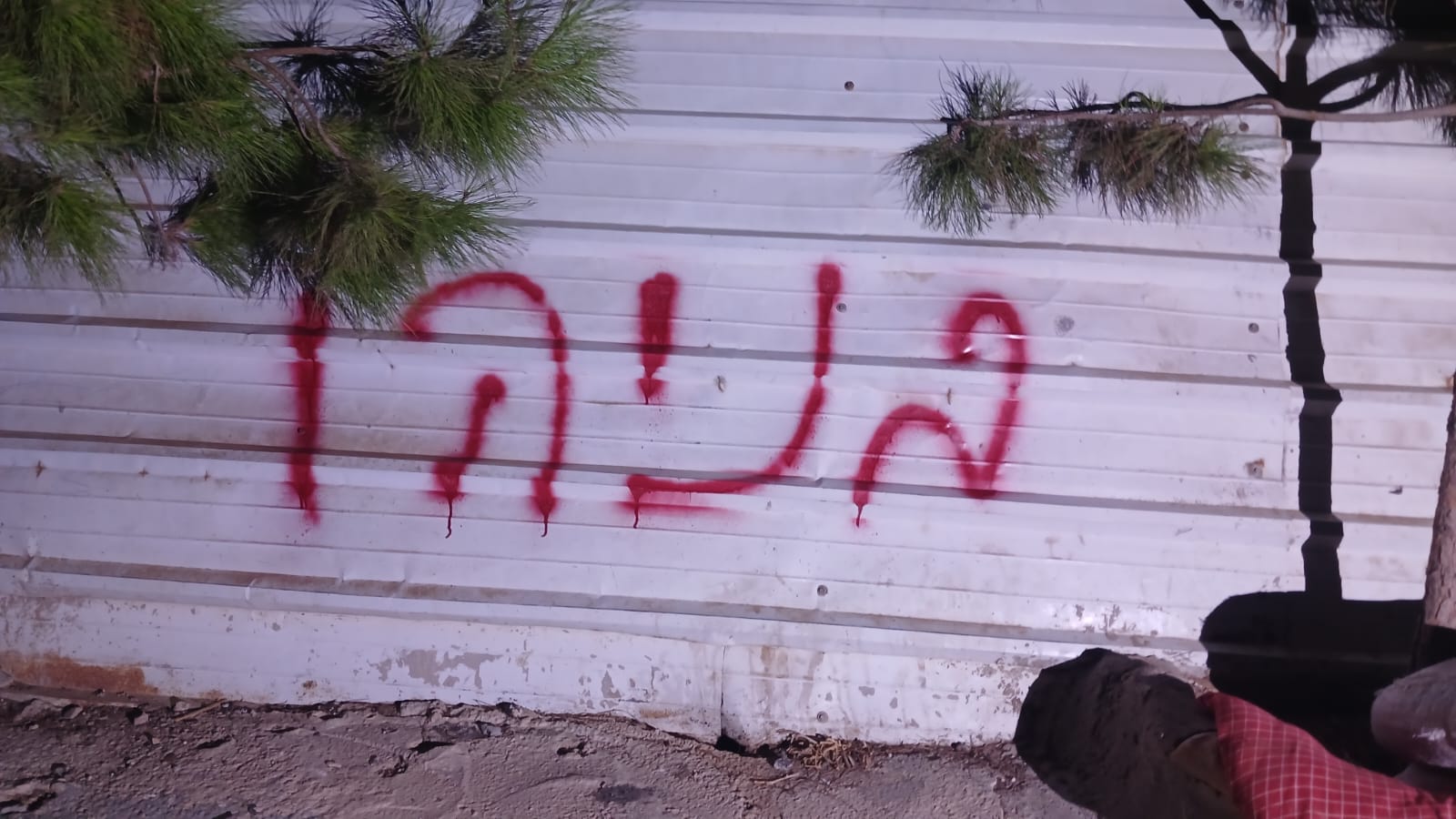
After setting everything on fire, the terrorists sprayed the words “The State of Judea is awakening / liberated” in red on the walls, and then continued on to the Abu Ghoneida family. Everything was repeated there: destruction, devastation and fire. The sight of the destruction is difficult to bear.
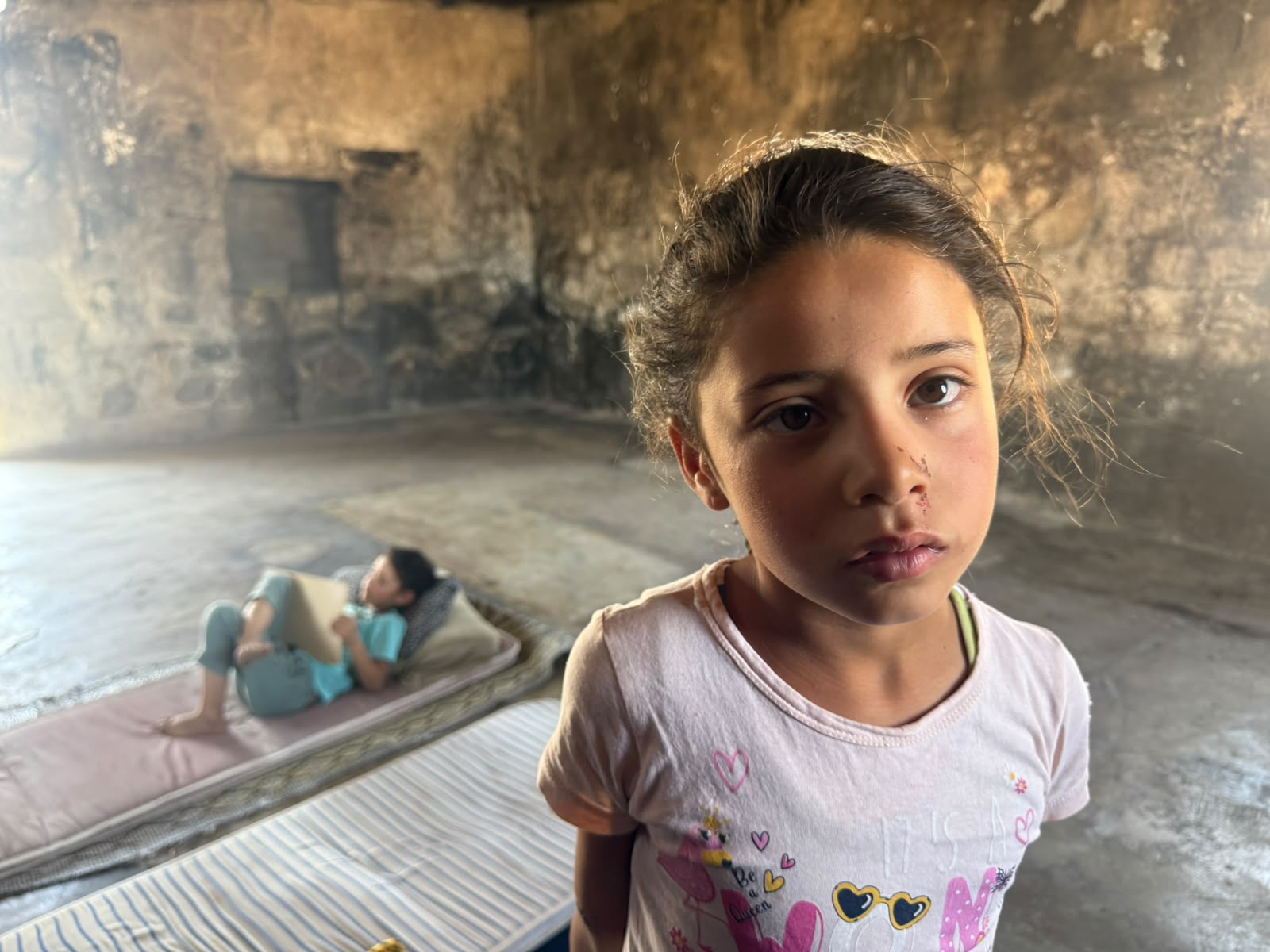
We then met Radwan and his daughters. They are no longer in the hospital, where they had been admitted that night after suffering from smoke inhalation and severe injuries. Razan’s face is still scarred from the stone that was hurled at her and broke her nose, and her sister Rana was also injured. Both girls are still without their eyeglasses, which were smashed during the attack. By the time this report was written, we had already collected donations to purchase new glasses. Next week, after their father, Radwan, takes them for an eye examination, we will give him the amount needed. We look forward to seeing them soon, wearing glasses appropriate for their eyes.
Radwan says that the damned perpetrators broke his pregnant wife’s hand and fingers. She has already been discharged from the hospital.
We were glad to see that the very next day, employees of Comet-ME, an Israeli-Palestinian organization that installs solar panels for people, came. Solar power is the only source of electricity for the people living there.
* A link to Galia Oz’s article in Haaretz (in Hebrew) on 17.8.26
https://www.haaretz.co.il/opinions/2026-08-16/ty-article-opinion/.premium/000001a0-0a6c-dbac-a5bc-8afe23a80000
Location Description
Mesafer Yatta
See all reports for this place-
This is happening in Fire Area 918 in the South Hebron Hills
On the eve of Remembrance Day (the day before Israel Independence Day), 4th May, 2022, the Israeli High Court decided on the transfer and expulsion of residents from 8 Palestinian communities in the area of Masafar Yata in the South Hebron Hills. Residents of the villages have been living under the threat of demolition, evacuation and expropriation since the IDF issued evacuation orders in 1999 based on the 1980s proclamation of their area of residence as a firing zone for IDF drills. None of the nearby settlements were included in this zone. The Masafer Yata Palestinian villages retain a special lifestyle and ancient agricultural culture. They also posess a clear historical documentation that testifies to a Palestinian settlement in this area, generations before the establishment of Israel, long ago in the caves and at later times outside them.
Evacuating residents from the area means destroying these historic villages and leaving entire families (about 2,000 people, children, adults, and the elderly) homeless. This is contrary to international law.
In June 2022, a firing drill started, and life became harder.
-
South Hebron Hills
See all reports for this place-
South Hebron Hills
South Hebron Hills is a large area in the West Bank's southern part.
Yatta is a major city in this area: right in the border zone between the fertile region of Hebron and its surroundings and the desert of the Hebron Hills. Yatta has about 64,000 inhabitants.
The surrounding villages are called Masafer Yatta (Yatta's daughter villages). Their inhabitants subsist on livestock and agriculture. Agriculture is possible only in small plots, especially near streams. Most of the area consists of rocky terraces.Since the beginning of the 1980s, many settlements have been established on the agricultural land cultivated by the Palestinians in the South Hebron Hills region: Carmel, Maon, Susia, Masadot Yehuda, Othniel, and more. Since the settlements were established and Palestinians cultivation areas have been reduced; the residents of the South Hebron Hills have been suffering from harassment by the settlers. Attempts to evict and demolish houses have continued, along with withholding water and electricity. The military and police usually refrain from intervening in violent incidents between settlers and Palestinians do not enforce the law when it comes to the investigation of extensive violent Jewish settlers. The harassment in the South Hebron Hills includes attacking and attempting to burn residential tents, harassing dogs, harming herds, and preventing access to pastures.
There are several checkpoints in the South Hebron Hills, on Routes 317 and 60. In most of them, no military presence is apparent, but rather an array of pillboxes monitor the villages. Roadblocks are frequently set up according to the settlers and the army's needs. These are located at the Zif Junction, the Dura-al Fawwar crossing, and the Sheep Junction at the southern entrance to Hebron.
Updated April 2022
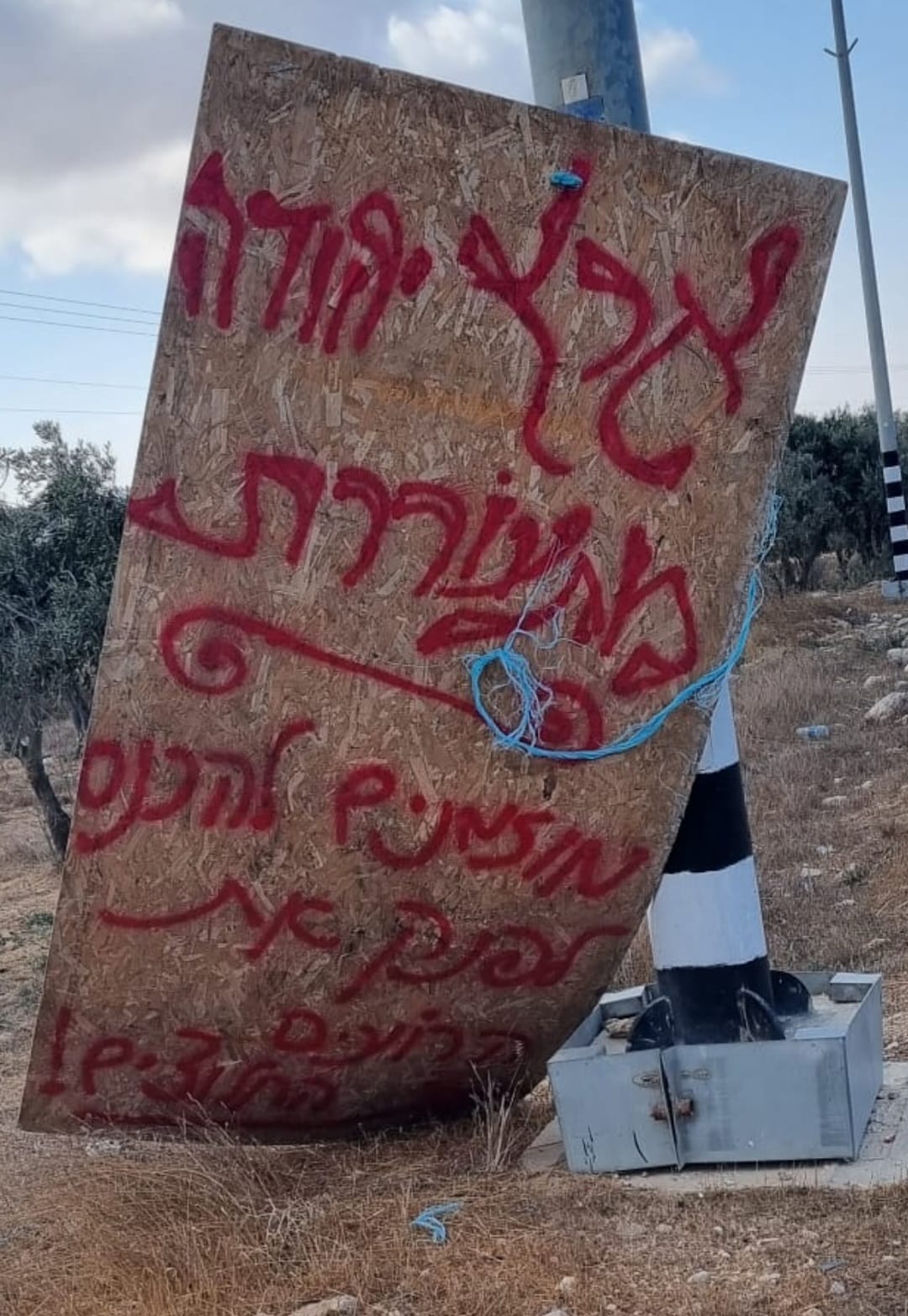 Smadar BeckerOct-17-2026A sign placed by those who call themselves the Pioneer Shepherds, at the outpost adjacent to Qawawis
-
