צפון הגדה המערבית: כפרים סגורים, אלימות מתנחלים
בדרכנו עברנו ליד הכפר מרדא. שתי הכניסות לכפר סגורות; התושבים אלתרו דרך חלופית בין עצי הזית, אך הצבא איתר וחסם גם אותה.
זיתא ג’מאעין: גם כאן יישרו התושבים שטח צר והכשירו שביל שיאפשר להם לצאת מהכפר. הצבא זיהה את המעבר וחסם אותו בסלעים, אך התושבים אינם מתייאשים ושבים ופותחים אותו מחדש בכל פעם.
בדרך לדומא: מיד לאחר שעוברים את המאחז אביתר, מוצב שלט שעליו כתוב “רחבעם” – זהו מאחז חדש שהוקם במקום.
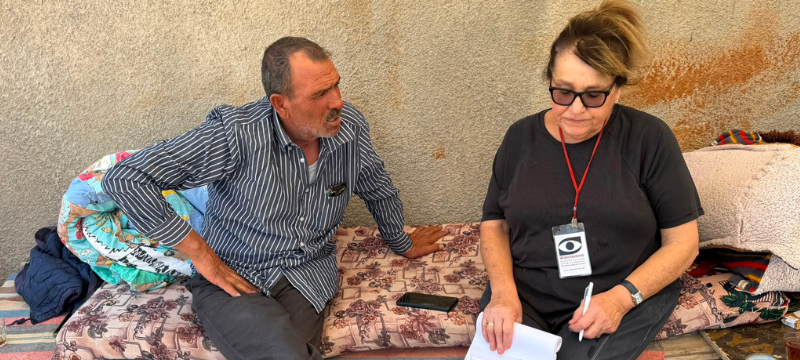
דומא: פגשנו את תושב הכפר, עיד זוואהרה אבו עלי, המתגורר באזור אל-ג’וואר. לדבריו, מתנחלים הגיעו לביתו והיכו את אשתו ואת ילדיו. כשניסה להגן עליהם, תקפו גם אותו ופצעו אותו פציעה עמוקה בראשו. הוא הזעיק את המשטרה, אך כשהשוטרים הגיעו למקום הם עצרו דווקא אותו. הוא הוחזק במעצר במשך שבועיים ונדרש לשלם קנס/ערבות בסך 12,000 ש”ח.
אוסרין: הכפר ממוקם בין עקרבא לביתא. שוחחנו עם צעירים מקומיים שסיפרו כי התושבים עדיין אינם מצליחים למסוק את הזיתים. בכל פעם שהם מנסים להגיע לאדמותיהם, מתנחלים מהמאחז “קמס” (המורכב ממספר אוהלים) תוקפים את המוסקים; אחד הפצועים מהתקריות הללו עדיין מאושפז בבית החולים. בנוסף, הכניסה לכפר נחסמה משני הכיוונים, וכשניסו התושבים לפתוח את הדרך, נפתחה לעברם אש.
עווארתא: מדי יום נכנסים מתנחלים לכפר כדי לבקר במתחם הקבר (המקאם), שלטענתם שייך להם. הצבא מאבטח אותם באופן קבוע, ובמהלך שהותם במקום הם מטרידים את תושבי הכפר.
15:30 מחסום עווארתא: המחסום היה עמוס מאוד בשל הבידוק הקפדני שנערך לתושבים השבים משכם. החיילים מורים לנוסעים לצאת מכלי הרכב לצורך חיפוש ובדיקה. הבחנו במספר נשים שהורדו מרכבן ונלקחו הצידה, ככל הנראה לבדיקה. לא יכולנו לעצור במקום כדי לתעד או להתעכב, כיוון שהחיילים צעקו עלינו מיד להמשיך בנסיעה.
לאחר שחזרתי הביתה, בשעה 20:00, צפיתי בשידורי ערוץ אל-ג’זירה, שם הוצגו תמונות ממחסום עווארתא שהראו כי המקום עדיין פקוק ועמוס מאוד, וכי שוררת במקום מהומה רבה.
Location Description
'Awarta
See all reports for this place-
Awarta, an internal checkpoint in the heart of the West Bank, is located east of the Hawara checkpoint, at the junction of Roads 555 (which was forbidden for Palestinian traffic in this area) and the entrance road to Nablus. It was one of the four checkpoints that surrounded Nablus until 2009. We used to watch it at Huwwara shifts because it was the only one where goods could be transferred to and from Nablus, using the back-to-back method. It was operated by the army, from 06:00 to 20:00. Until 2009.
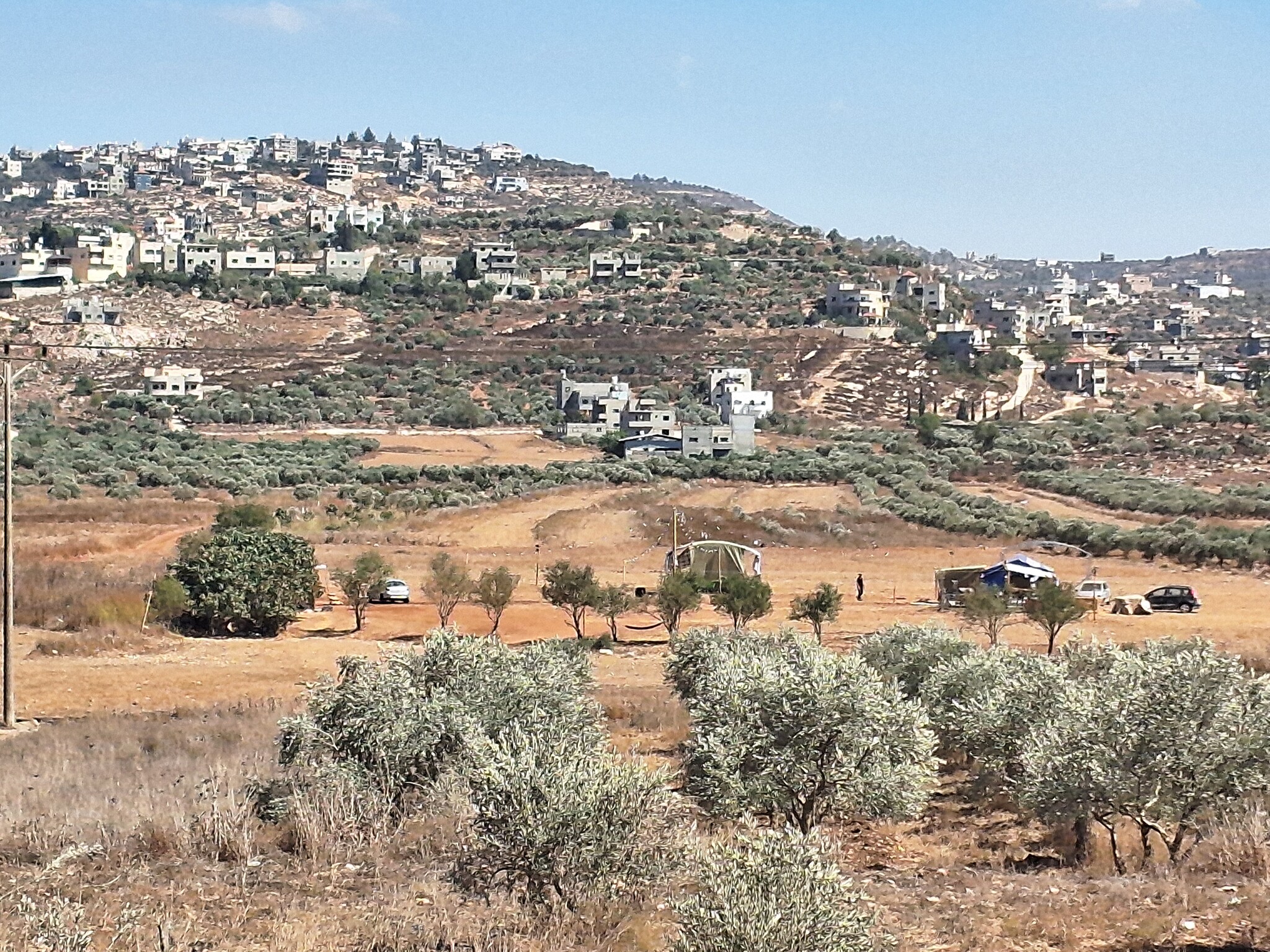 Ronit Dahan-RamatiSep-10-2026Awarta. Outpost below the town
-
Duma
See all reports for this place-
Duma
A village in the Nablus governorate, with 3,000 residents. They owned some 18,000 dunams, 500 dunams of which the village itself was built. However, after the settlement of Migdaleim annexed a large part of their land, their area was reduced to only 2,000 dunams.On July 31, 2015, two houses in the town were torched with petrol bombs. Sa'ad and Riham Dawabsha, and their infant, Ali Sa'ad Dawabsha, were burned to death. Another son was seriously injured. "Revenge" and "King Messiah" were spray painted on the walls of the house. The trial of the arsonist, the settler Amiram Ben Uliel, is still underway (2019), and a plea bargain was signed in May 2018 with the minor who participated in the planning of the arson.
The closure imposed by the army, the poor roads that they are forced use due to the lack of paving permits from the Civil Administration, along with the lack of public transportation, all these difficulties cut off the village from nearby Nablus and Ramallah.
-
Jamma'in*
See all reports for this place-
Jamma'in*
Jamma'in is a small town, with some of the best quarries in the area. The stone is sold all over Palestine and Israel and even outside the country. The city also has an industrial area. Although they are close to the Ariel and Tapuach settlements, Jama'in farmers have no daily problems with settlers. Harassment occurs mainly during the October harvest season - the settlers sometimes try to drive the farmers out of their plots. Jama'in has its own info-icon water reservoir tower. The water is obtained from sources and paid for by the Palestinian Authority. The city has one clinic that opens only 2-3 days a week. The biggest problem is that there is only one hospital in Nablus in an area of about 10,000 residents. This hospital is too small, does not have enough equipment, and not enough doctors.
Zeita / jama'in is a village of about 3000 inhabitants near Jama'in and Ariel. In the 1980s, land was taken from the village and transferred to settlements. Farmers in the village have lost some of their income. The settlements are located on the ridges, further away from Zeita, which is in the valley. The village does not often suffer from harassment.
The water sources for Zeita and Jama'in that have supplied water to the villages for centuries have been confiscated by the Mekorot company and the water is flowed to Ariel. Without a reasonable info-icon water supply the villages cannot develop agriculture or any industry.
The electricity comes from the Israeli Electric Company through Ariel and Jama'in.
The IDF oversees the main roads and entrances to the villages. -
Jama'in is a small town, with some of the best quarries in the area. The stone is sold all over Palestine and Israel and even outside the country. The city also has an industrial area. Although they are close to the Ariel and Tapuach settlements, Jama'in farmers have no daily problems with settlers. Harassment occurs mainly during the October harvest season - the settlers sometimes try to drive the farmers out of their plots. Jama'in has its own info-icon water reservoir tower. The water is obtained from sources and paid for by the Palestinian Authority. The city has one clinic that opens only 2-3 days a week. The biggest problem is that there is only one hospital in Nablus in an area of about 10,000 residents. This hospital is too small, does not have enough equipment, and not enough doctors. Zeita is a village of about 3000 inhabitants near Jama'in and Ariel. In the 1980s, land was taken from the village and transferred to settlements. Farmers in the village have lost some of their income. The settlements are located on the ridges, further away from Zeita, which is in the valley. The village does not often suffer from harassment. The water sources for Zeita and Jama'in that have supplied water to the villages for centuries have been confiscated by the Mekorot company and the water is flowed to Ariel. Without a reasonable info-icon water supply the villages cannot develop agriculture or any industry. The electricity comes from the Israeli Electric Company through Ariel and Jama'in. The IDF oversees the main roads and entrances to the villages.
-
Marda
See all reports for this place-
Marda
There are about 2500 inhabitants in the village. A large part of their lands was confiscated for the benefit of the settlement of Ariel, some of whose buildings are adjacent to the village.
They often feel under siege. At both entrances to the village from the main road (505) there are checkpoints and the army does close the yellow arms from time to time. The inhabitants of Marda own olive groves behind a fence. Rarely are they allowed to cultivate their agricultural plots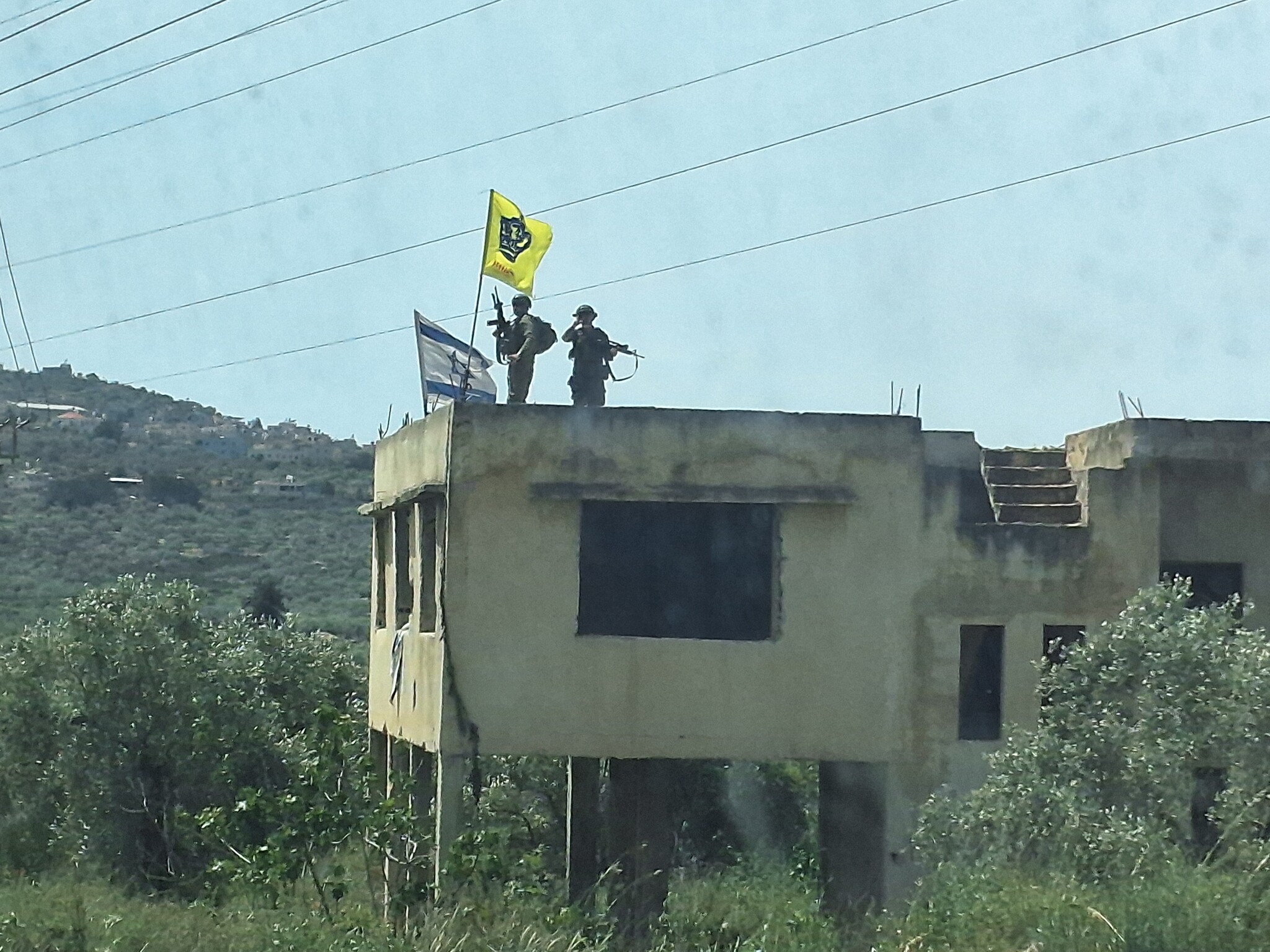 Ronit Dahan-RamatiApr-14-2026Marda. IDF post on the roof of a Palestinian home with the Messiah flag
-