
Abu Dis, Container (Wadi Nar), Ras Abu Sbitan (Olive Terminal), Sheikh Saed, Mon 3.3.08, Afternoon
From 2:00 till 5:30 PM
We started off in Sheikh Sa’ad.
Each time the CP at the entrance to the
neighborhood looks more ‘professional’. About a hundred yards of the road
near the CP are now designated as ‘sterile’; obviously meaning ‘security’
and not ‘hygiene’. This means that there is no parking, but garbage can
still be thrown out and no one picks it up. Hardly any pedestrians pass the
CP. One little girl enters on her way back from school. A BP officer greets
us warmly asking us how we fare and what the aim of our visit is.
We requested permission to go in and he, claiming that he has just arrived and
does not know the ins and outs, called his superiors to find out whether we
are allowed to enter. The reply he received (and we even heard it with our
own ears) was “no”.
The radio reported on unrest in the territories and stone-throwing in
Jerusalem and therefore we decided to drive through the Old City (via Jaffa-
and Dung Gate) to Abu Dis.
We didn’t notice anything unusual. At the
Pish-Pash no one passed.
Outside the Olives’ Terminal
we found quite a number of cars with their
drivers waiting apparently for passengers due to arrive through the
terminal.
A group of about twenty-five soldiers and their commanders were
standing near the bus stop. We wanted to ask them what they were doing there
(annual outing?) but before we reached them, they had marched off into the
CP through the turnstiles, which locked immediately behind them. Are they
the forces to counteract stone throwing? Is it a new unit about to man the
Terminal? We were unable to find out.
We continued to Wadi Nar.
There are now two red signs at the entrance to
Al Azzariya, a new one across the street. We are aware of the discussion going
on re obeying those signs and decided not to enter, but to drive via the
Maaleh Adumim-Kedar Road to the Container.
The Container
Traffic moved pretty smoothly in both directions and there were no long
lines. Most vehicles didn’t have to wait more than five minutes.
A cab from the direction of Bethlehem was held up before we arrived and the driver told
us that the documents had been collected fifteen minutes ago. He was sent on
his way after another ten minutes.
In the opposite directions there was some
random checking, most private vehicles pass without any check. There were
taxis and even busses, which were waved through with the well-known
hand-movement of the soldier without any ado. Others were stopped and the
papers of all passengers were collected. The drivers collects all the Id’s
of his passengers and hands them to the soldier who compares the number of
passengers with the number of Id’s. He then takes them inside to check them
on the computer of the CP.
A bus was held up for this kind of investigation
for about half an hour, another one was released after twenty minutes.
Many workers on their way home arrived at the CP asfter having been dropped on
the slope towards the CP by minibuses from Maaleh Adumim. The passage of
pedestrians flowed smoothly and taxis waited for them on the other side of
the CP. Routine!
Abu Dis / Lazarus gate (formerly The Wicket)
See all reports for this place-
Abu Dis / Lazarus Checkpoint/Gate (east of the former “wicket”)
Construction of the wall in the Abu Dis area blocked all the gaps that allowed people to cross from al-Ezariya to the neighbourhoods of Abu Dis and Ras al 'Amud that are located within Jerusalem’s municipal boundary. The Lazarus checkpoint is a gate in the wall adjacent to the Lazarus Monastery. Until 2011 it had a door for pilgrims to al-Ezariya and for the monastery’s kindergarten pupils from al-Ezariya. The crossing is currently closed, but the site has infrastructure for conducting inspections.
-
Container (Wadi Nar)
See all reports for this place-
Wadi Nar Checkpoint ("Container", "The Kiosk") - a barrier for vehicles in Area B that is regularly manned - east of Abu Dis between Sawahra A Sharqiya and Bethlehem and its daughters. Controls Palestinian movement between the north and south West-Bank. Includes driving routes, access roads, spikes, traffic lights and signs. There is no pedestrian crossing. Open 24 hours a day with random checks enhanced on security alerts. The checkpoint is in Palestinian territory, allowing for separation between the north and the south Palestinian areas when necessary.
In 2015, the leading road from Azaria to Bethlehem was renovated, as well as the steep and narrow ascent to the Wadi Nar checkpoint, which was dangerously travelled in both directions! The temporary checkpoint was renovated and expanded, and pedestrian traffic was banned. From 2016, traffic travelling from the south bank to Azaria was directed to a one-way road near the Southern Keydar Jewish settlement.
Machsomwatch shifts visit this far-fetched checkpoint only occasionally.
(updated to July 2019)
-
Ras Abu Sbitan (Olive Terminal)
See all reports for this place-
A large checkpoint/crossing to the area of a-Tur, Abu Dis and the Old City; only for pedestrians. Located on Jerusalem’s municipal boundary.
One of the major crossings in Jerusalem’s central sector. It is located on the separation fence between the northern portion of the al-Ezariya neighborhood and the neighborhood of a-Tur and the rest of East Jerusalem. It is manned by Border Police soldiers and private security companies and operates 24 hours a day. Palestinians are forbidden to go through, other than permanent residents of East Jerusalem (holders of blue ID cards) and holders of work and commercial permits who are allowed through only on foot.
-
Sheikh Sa'ed
See all reports for this place-
A checkpoint limited to pedestrians, located on Jerusalem’s municipal boundary.
The checkpoint sits on the separation fence at the entrance to Sheikh Sa’ad, dividing it from its neighbourhood of Jabel Mukkabar. It’s manned by Border Police soldiers and private security companies and operates 24 hours a day. Palestinians are forbidden to go through, other than residents of Jabel Mukkabar or Sheikh Sa'ad who have permits. Both groups are permitted through only on foot. Residents of East Jerusalem who don’t live in Jabel Mukkabar are also allowed to cross to Sheikh Sa’ad, but not in the opposite direction; they must return through the Sawahira ash Sharqiya checkpoint.
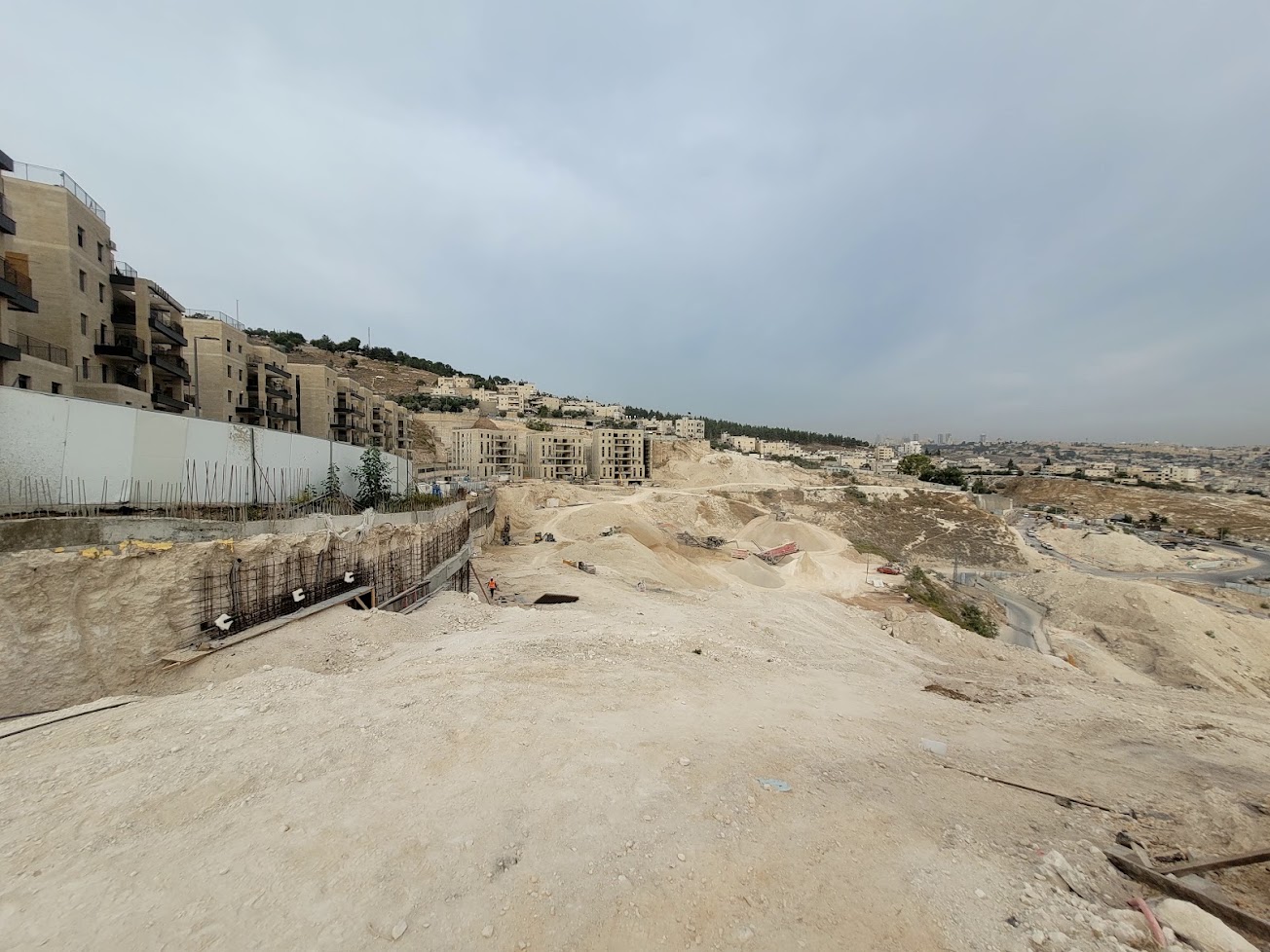 Anat TuegOct-14-2026Jerusalem. Nof Zion Expanding Down the Slope
-
