
Abu Dis, Container (Wadi Nar), Ras Abu Sbitan (Olive Terminal), Sheikh Saed, Wed 22.10.08, Morning
|
6:45 Jabel Mukaber and Sheikh Sa'ed
A jeep is parked at a "random checkpoint" on the seam between the Armon Ha-natziv We contact the Jerusalem Envelope DCO, and the person on duty checks the names but claims they must arrive at the DCO today to arrange for the permits. Meanwhile the two fill out security forms. The older man is sent on his way but the younger man who, all this while stood on the other side of the jeep and argued with the soldiers (we saw his documents only later), is put into the jeep and sent to Sheikh Sa'ed, although according the ID we saw later, he lives in Jabel Mukaber.
Sheikh Sa'ed
Quiet — hardly anyone coming or leaving. We find the young man who was sent back, and are somewhat confused by his story. We ask to speak to his lawyer who is not available. We call the DCO again, the person on duty replies firmly that he must reach the Zeitim Crossing to clarifyy the state of his permits. The man claims he had already been there, and will not be given a permit. Finally, we give him out phone numbers and those of the Civil Rights Moked (Central Depot) which deals with such matters. We ask him to contact them and us if nothing works. He does not get back to us and the matter as far as we are concerned remains unresolved.
8:15 Zeitim Crossing
At this hour the place is fairly empty. We don't enter the checkpoint, although we make a point
While we there, traffic flowed. Each time two taxis were stopped then released after c. five minutes. We met an academic from Bethlehem on his way to lecture in Nablus instead of an Israeli colleague who was unable to arrive from overseas. The subject is interesting: a proposal for Palestinian administration based on the organisation of local committees to improve the conditions of the community. We didn't manage to clarify the exact relationship between the Israeli academic and his Palestinian colleague who is the owner of a private consulting agency. But the story of cooperation encouraged us.
Despite all the sensitivities and hostilities, two persons are able to conduct a working relationship, without making a big deal out of it. After a few minutes the man was picked up by a taxi to Ramallah from where he will proceed to Nablus. His lecture was supposed to be at 12, but he thought he might be late. |
Abu Dis / Lazarus gate (formerly The Wicket)
See all reports for this place-
Abu Dis / Lazarus Checkpoint/Gate (east of the former “wicket”)
Construction of the wall in the Abu Dis area blocked all the gaps that allowed people to cross from al-Ezariya to the neighbourhoods of Abu Dis and Ras al 'Amud that are located within Jerusalem’s municipal boundary. The Lazarus checkpoint is a gate in the wall adjacent to the Lazarus Monastery. Until 2011 it had a door for pilgrims to al-Ezariya and for the monastery’s kindergarten pupils from al-Ezariya. The crossing is currently closed, but the site has infrastructure for conducting inspections.
-
Container (Wadi Nar)
See all reports for this place-
Wadi Nar Checkpoint ("Container", "The Kiosk") - a barrier for vehicles in Area B that is regularly manned - east of Abu Dis between Sawahra A Sharqiya and Bethlehem and its daughters. Controls Palestinian movement between the north and south West-Bank. Includes driving routes, access roads, spikes, traffic lights and signs. There is no pedestrian crossing. Open 24 hours a day with random checks enhanced on security alerts. The checkpoint is in Palestinian territory, allowing for separation between the north and the south Palestinian areas when necessary.
In 2015, the leading road from Azaria to Bethlehem was renovated, as well as the steep and narrow ascent to the Wadi Nar checkpoint, which was dangerously travelled in both directions! The temporary checkpoint was renovated and expanded, and pedestrian traffic was banned. From 2016, traffic travelling from the south bank to Azaria was directed to a one-way road near the Southern Keydar Jewish settlement.
Machsomwatch shifts visit this far-fetched checkpoint only occasionally.
(updated to July 2019)
-
Ras Abu Sbitan (Olive Terminal)
See all reports for this place-
A large checkpoint/crossing to the area of a-Tur, Abu Dis and the Old City; only for pedestrians. Located on Jerusalem’s municipal boundary.
One of the major crossings in Jerusalem’s central sector. It is located on the separation fence between the northern portion of the al-Ezariya neighborhood and the neighborhood of a-Tur and the rest of East Jerusalem. It is manned by Border Police soldiers and private security companies and operates 24 hours a day. Palestinians are forbidden to go through, other than permanent residents of East Jerusalem (holders of blue ID cards) and holders of work and commercial permits who are allowed through only on foot.
-
Sheikh Sa'ed
See all reports for this place-
A checkpoint limited to pedestrians, located on Jerusalem’s municipal boundary.
The checkpoint sits on the separation fence at the entrance to Sheikh Sa’ad, dividing it from its neighbourhood of Jabel Mukkabar. It’s manned by Border Police soldiers and private security companies and operates 24 hours a day. Palestinians are forbidden to go through, other than residents of Jabel Mukkabar or Sheikh Sa'ad who have permits. Both groups are permitted through only on foot. Residents of East Jerusalem who don’t live in Jabel Mukkabar are also allowed to cross to Sheikh Sa’ad, but not in the opposite direction; they must return through the Sawahira ash Sharqiya checkpoint.
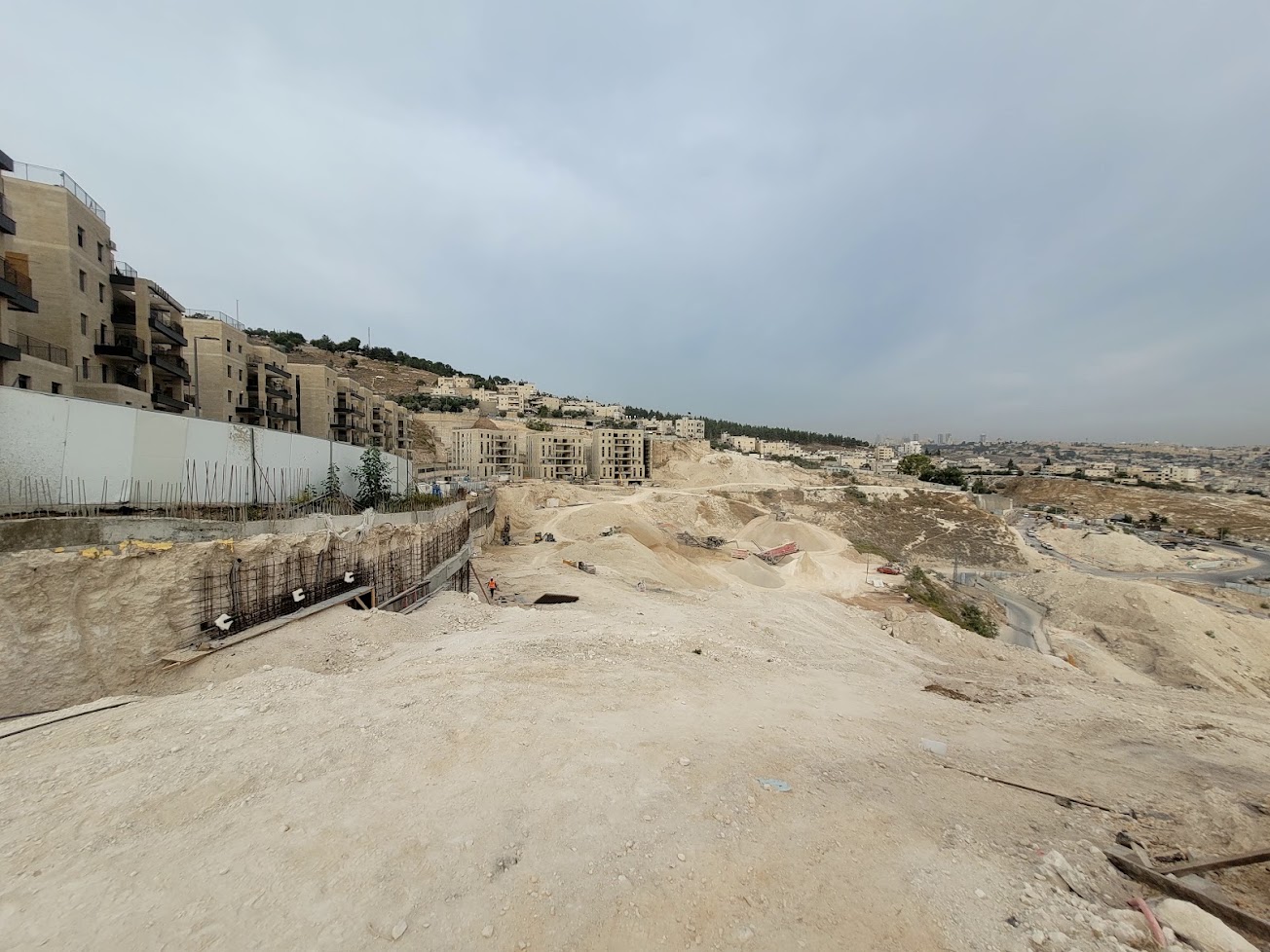 Anat TuegOct-14-2026Jerusalem. Nof Zion Expanding Down the Slope
-
